Discover five unique kitchen tools designed to streamline cooking and maximize space, transforming your kitchen into a functional workspace.
Kitchen organization often proves trickier than the cooking itself. Clutter from rarely used appliances, cumbersome measuring tools, and oversized dish racks can transform a culinary haven into a chaotic workspace. The potential for efficiency rises dramatically when only essential tools remain, redefining what it means to have a functional kitchen.
The following five kitchen tools exemplify how design can not only save space but also enhance the cooking experience. While some exist as conceptual designs, others are commercially available, each addressing common inefficiencies found in traditional kitchenware.
1. Nanlong Cooker
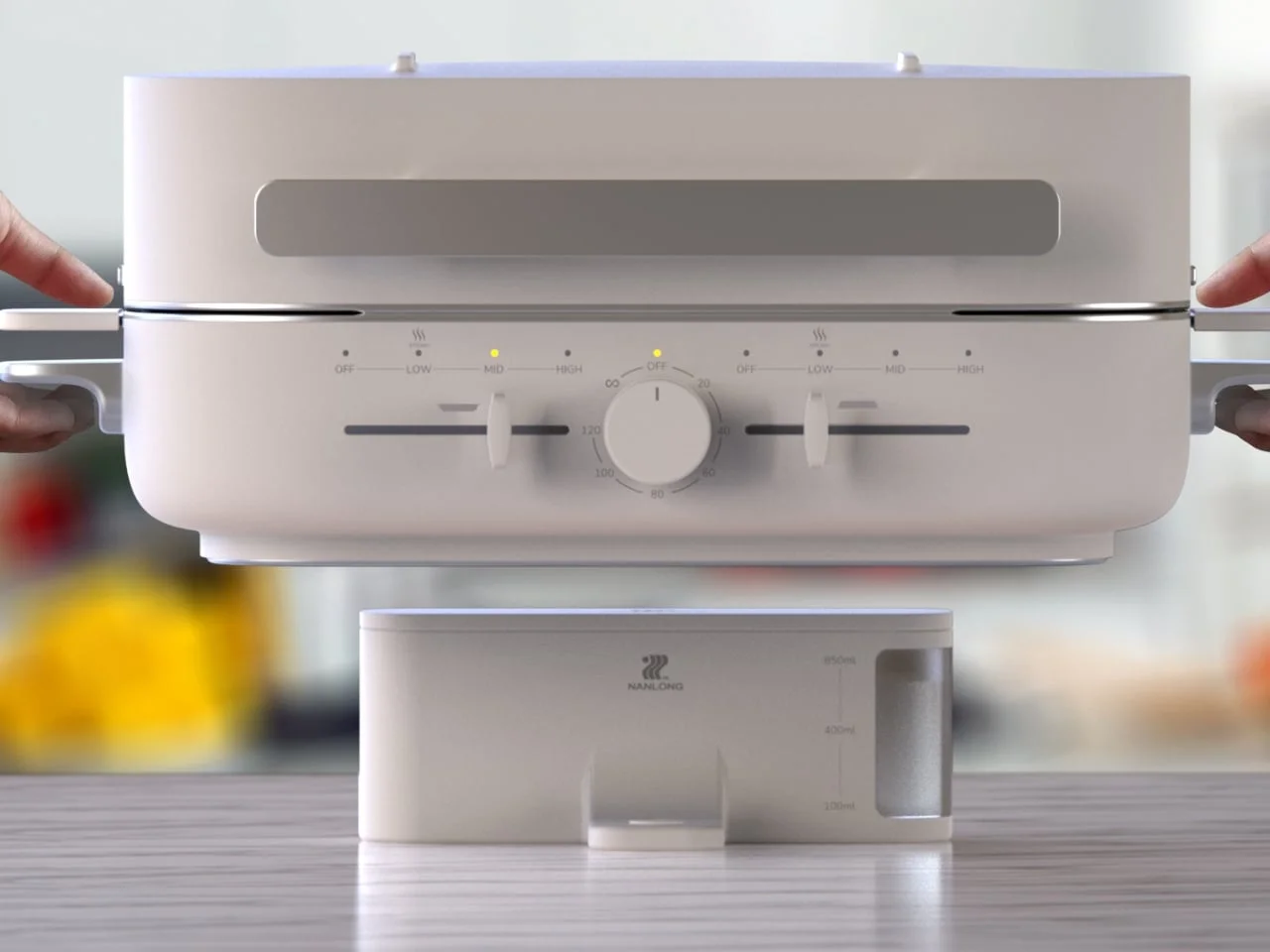
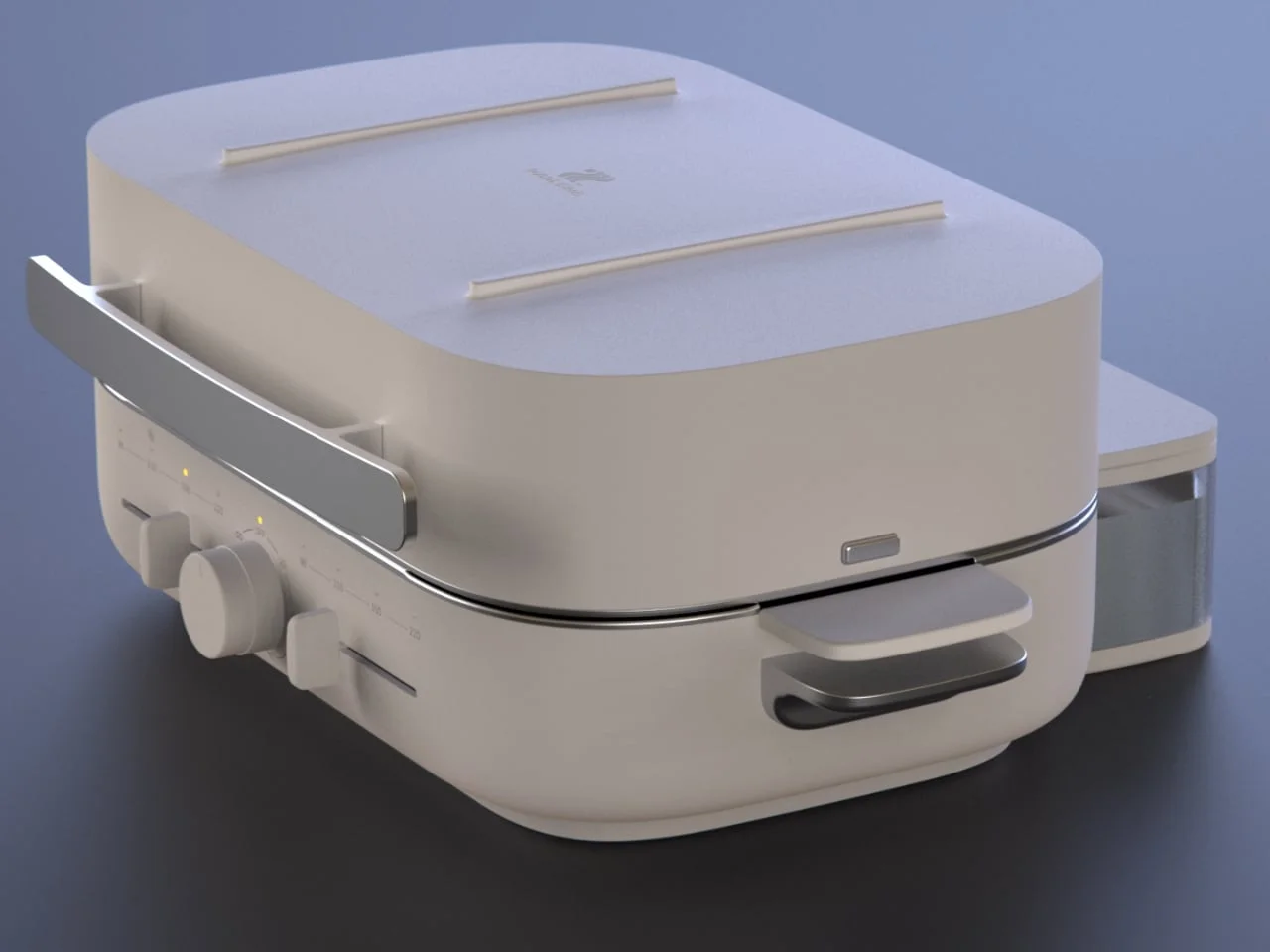
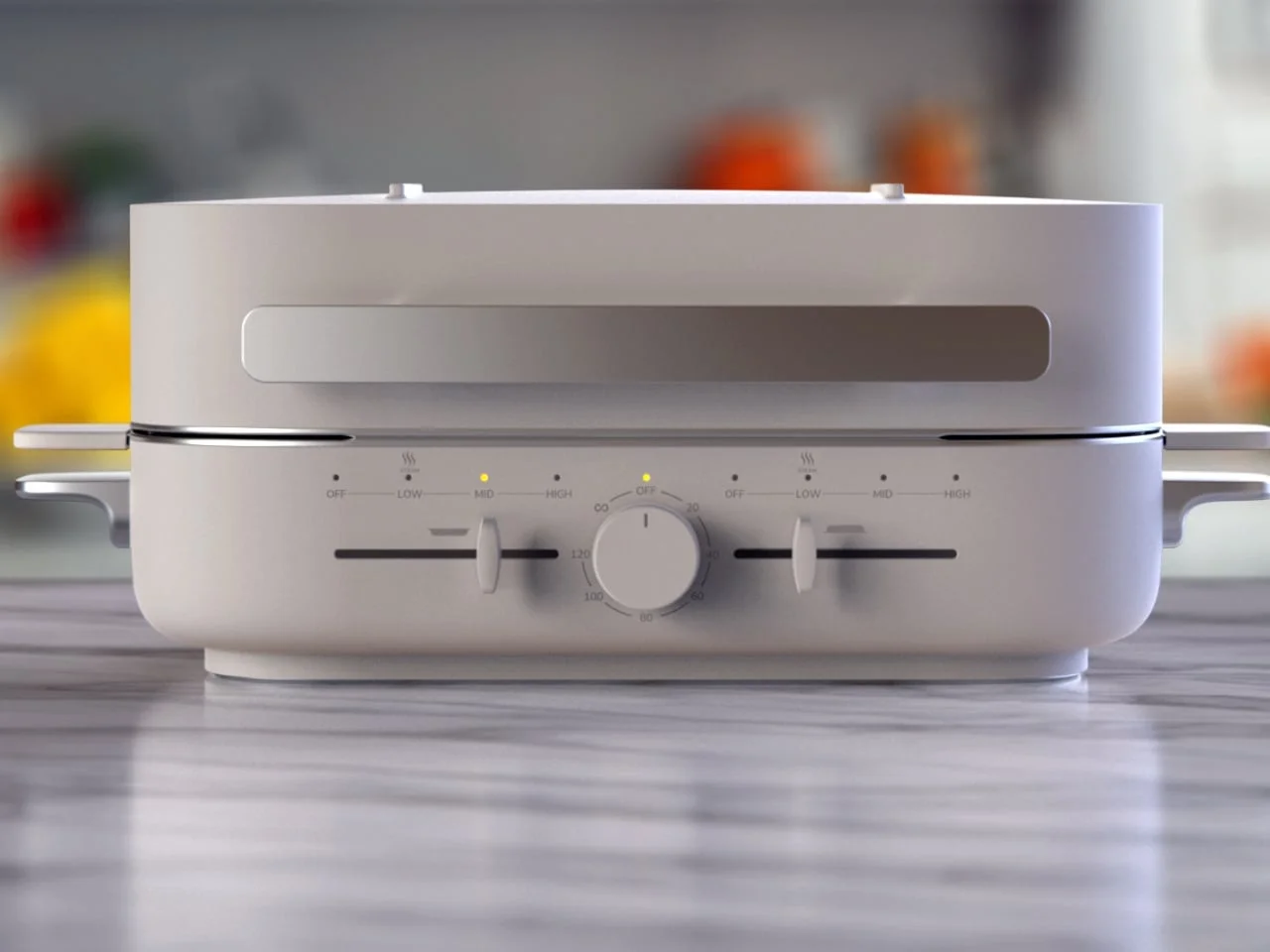
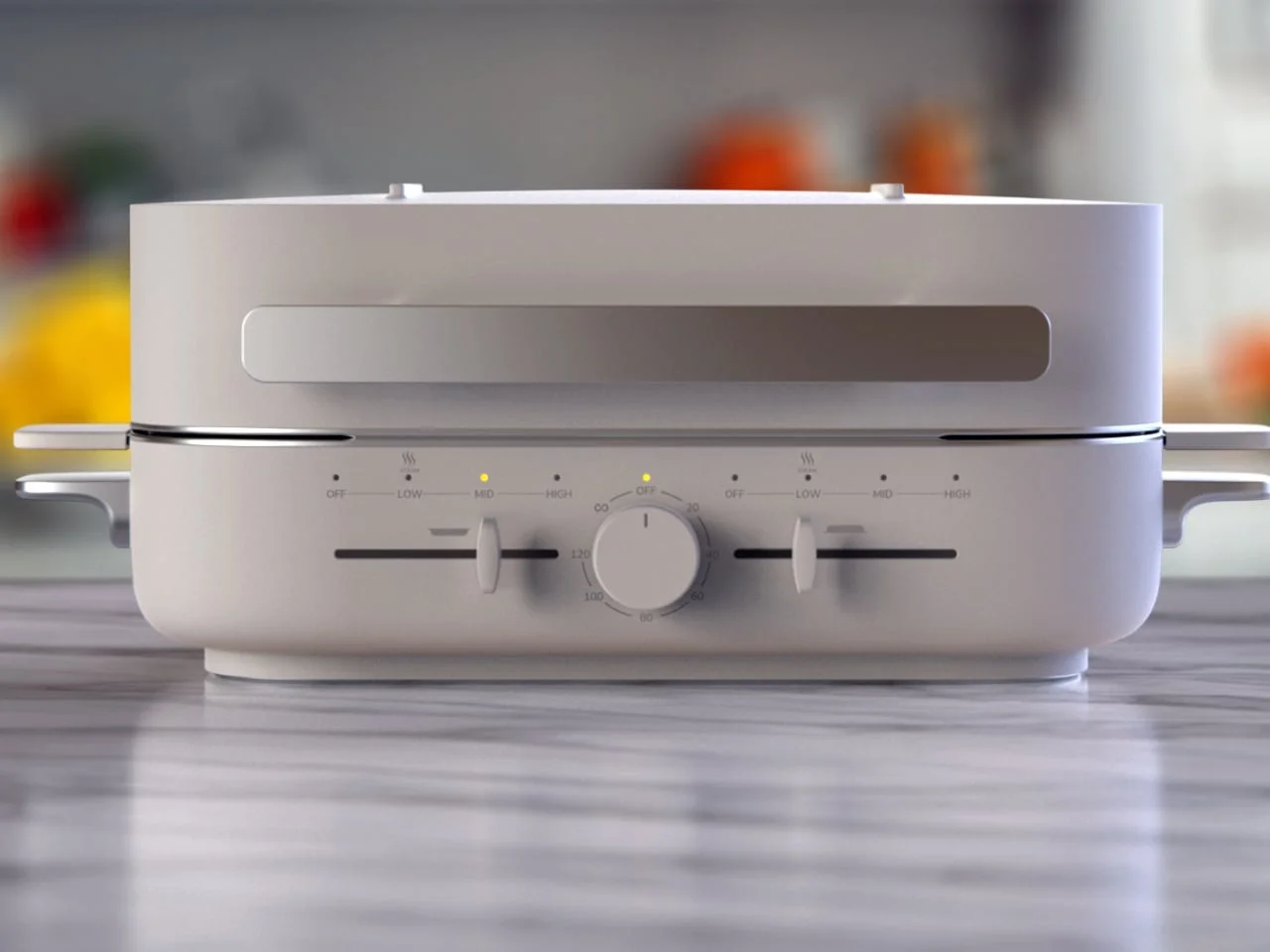
Designed by Vuk Dragovic, the Nanlong Cooker represents an ambitious vision for modern kitchens. This all-in-one countertop appliance is capable of grilling, steaming, baking, and preparing hot-pot meals, crucial for urban dwellers with limited kitchen space. The product's matte black finish coupled with a user-friendly control panel showcases a design that minimizes fingerprints while maximizing usability.
Rather than merely being a smarter appliance, the Nanlong minimizes the number of gadgets on your countertop. With interchangeable components for distinctive cooking methods, it effectively meets diverse culinary needs within a single device. Cooking a complete meal becomes a streamlined process, as users can shift from steaming vegetables to grilling meats without needing a different appliance.
Pros
- Consolidates multiple cooking functions into one device, enhancing workspace efficiency.
- The standardized components across different modes simplify manufacturing and reduce costs.
Cons
- The minimalistic design might not appeal to everyone, especially those favoring warmer aesthetics in their kitchen.
2. Iron Frying Plate
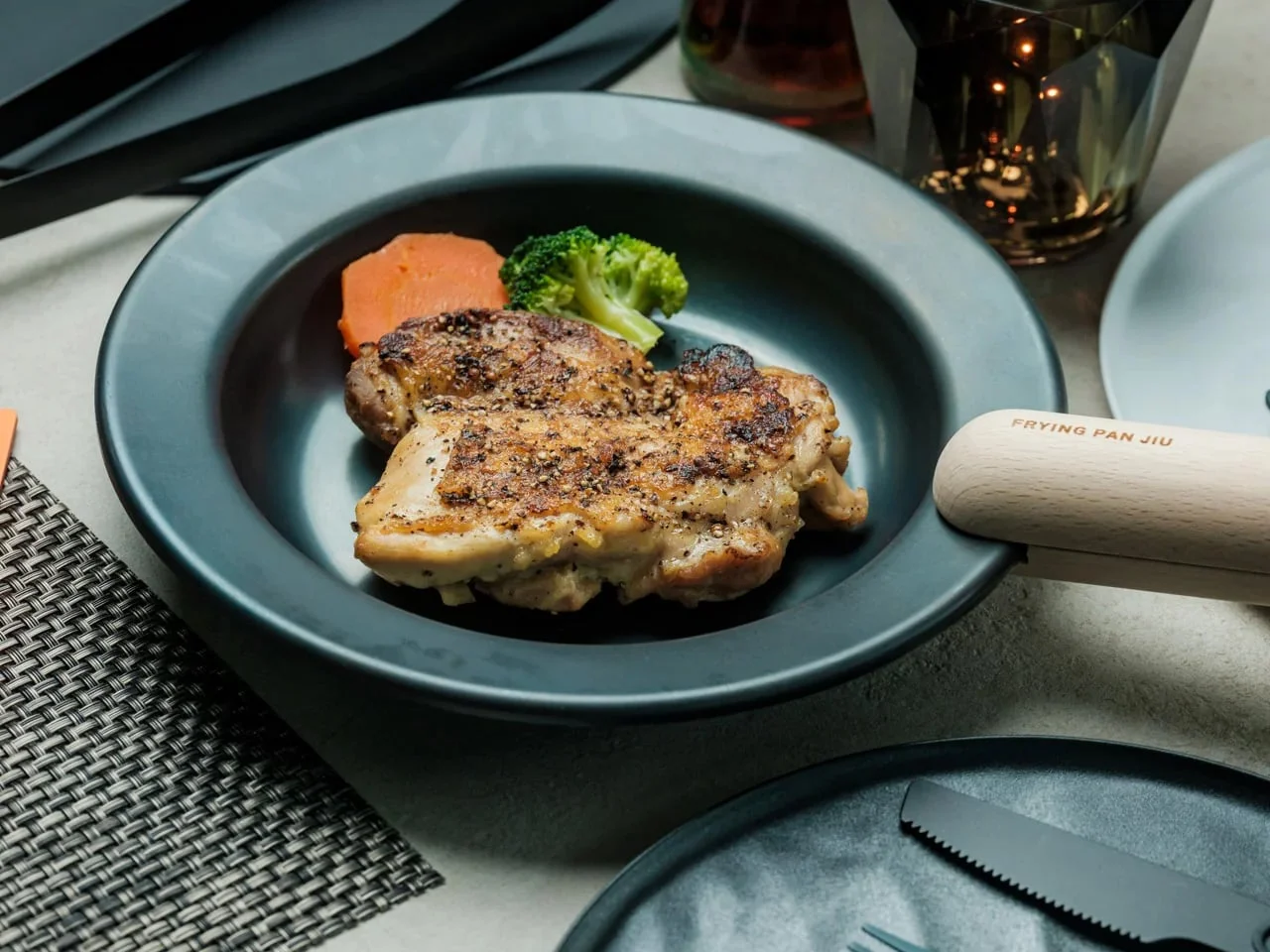
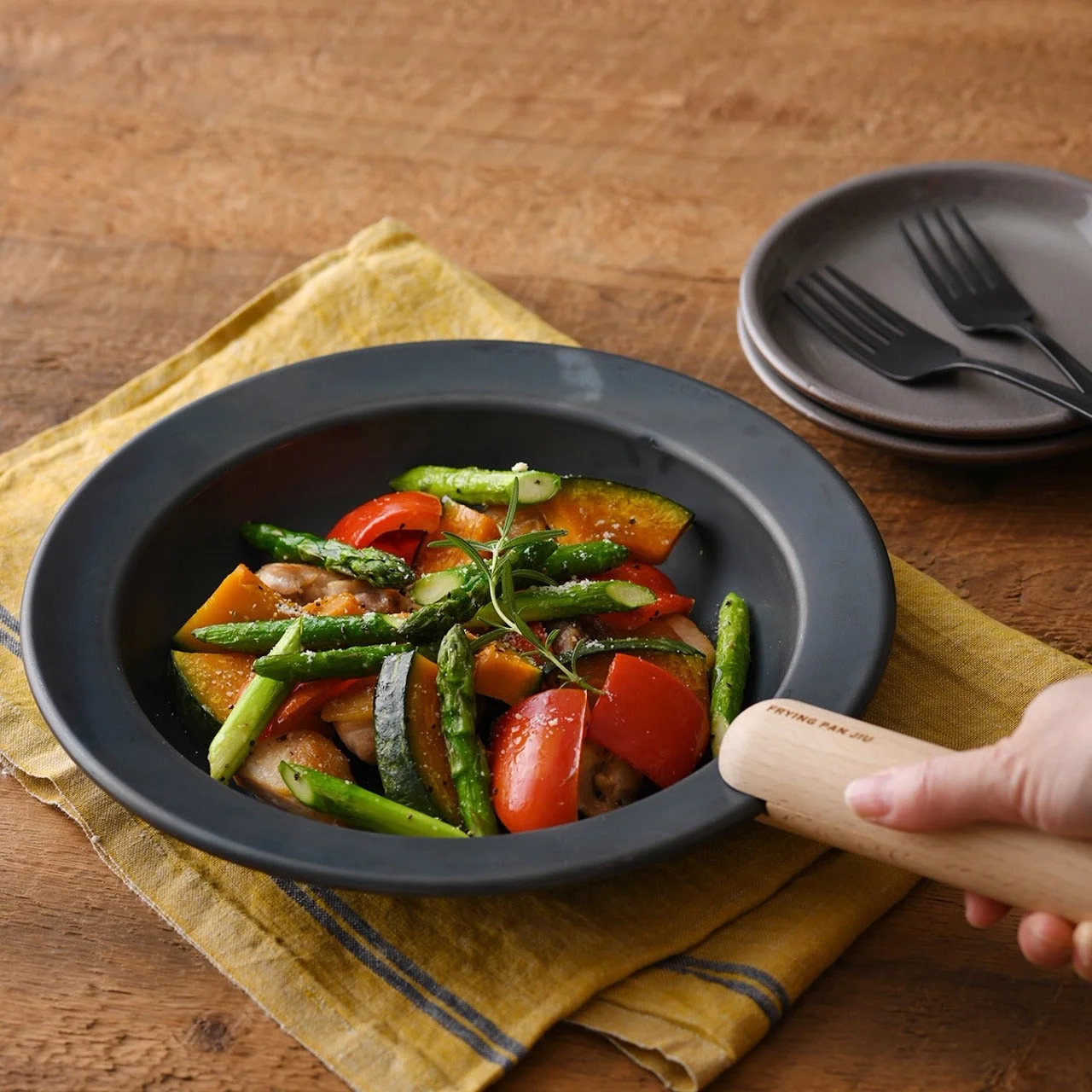
The Iron Frying Plate, crafted from 1.6mm-thick mill scale steel, is both durable and aesthetically pleasing. Designed for immediate use, this frying plate requires no additional prep and features a detachable wooden handle, allowing smooth transitions from stovetop to dining table.
Its design prioritizes efficiency by eliminating the need for serving dishes, effectively streamlining the cooking-to-serving process. With each use, the plate develops a seasoned surface that enhances its performance over time, making it a worthwhile investment for culinary enthusiasts.
Pros
- Eliminates the need for extra serving dishes by facilitating direct transfer from stovetop to table.
- Materials improve with use, offering enhanced cooking results as it seasons over time.
Cons
- The heavier construction may require some adjustment for users, especially during prolonged cooking sessions.
- To maintain quality, hand-washing is recommended, which may be less convenient for some users.
3. Boi Silicone Measuring Cup
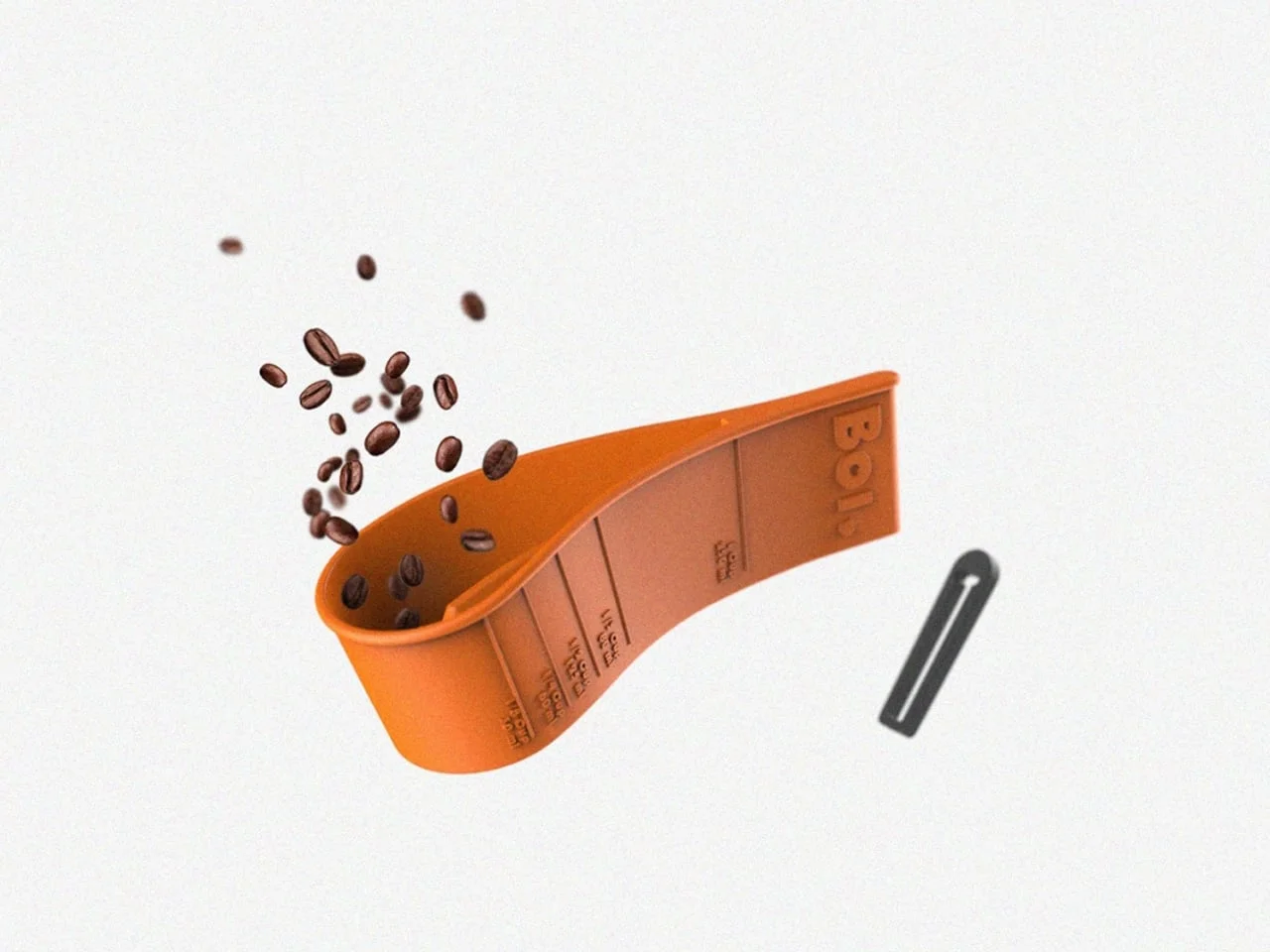
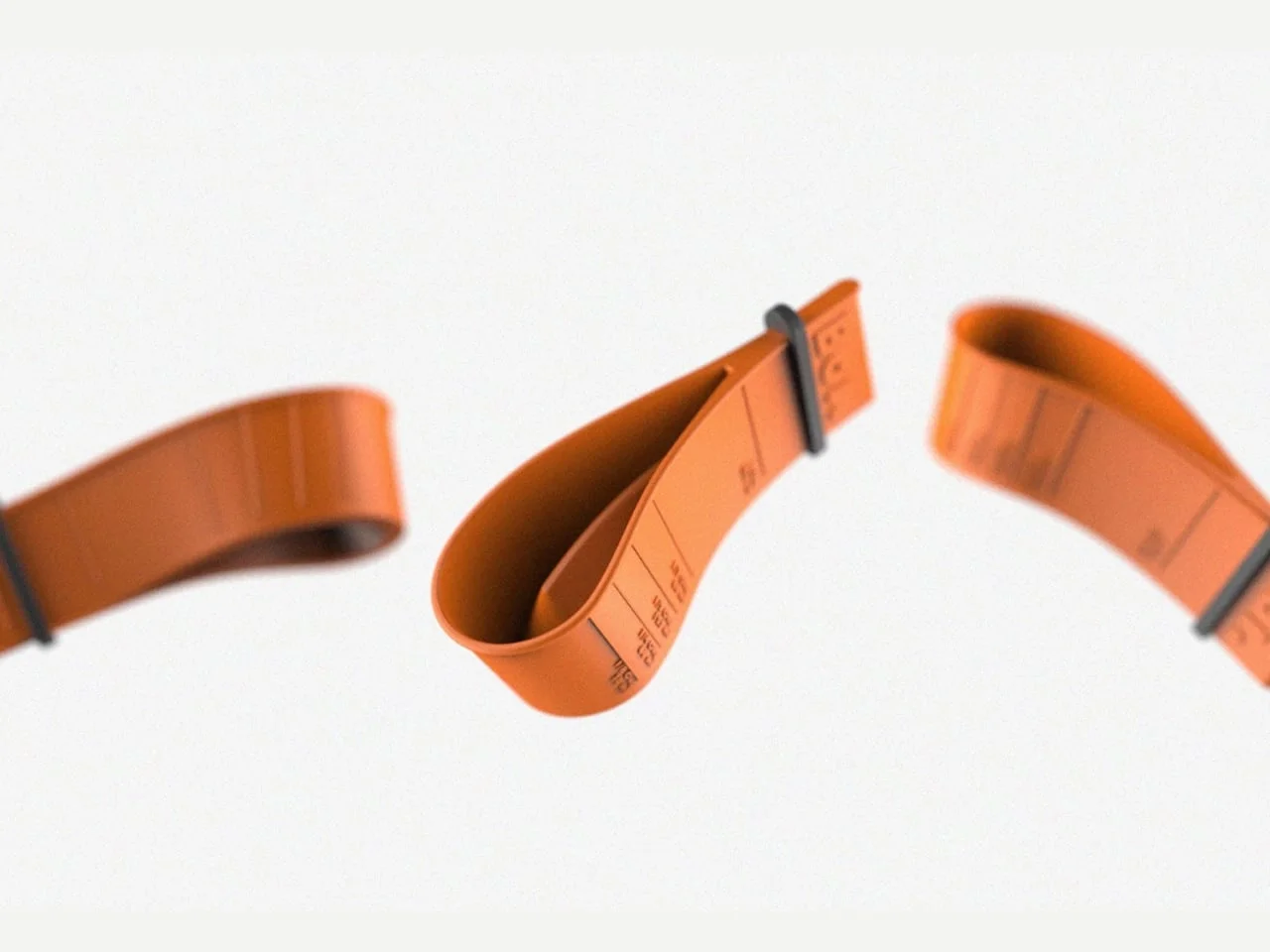
Created by Hatice Esra Sungur, the Boi Measuring Cup replaces a traditional nested set of measuring cups with a single versatile design. This one-piece silicone cup enables users to adjust its capacity easily with a simple slider, allowing for measurements from 1/8 to 1 cup.
The benefit extends beyond just function; its flat storage capability and reduced cleaning requirements transform how users interact with measuring tools. Instead of fumbling with various cups, the Boi cup simplifies prepping, measuring, and washing.
Pros
- Houses five measuring capacities in a single, flexible tool, promoting efficiency.
- Streamlined cleanup process, saving both time and water.
Cons
- Durability of the slider may vary with different silicone materials, impacting long-term viability.
4. Slim Fold Dish Rack

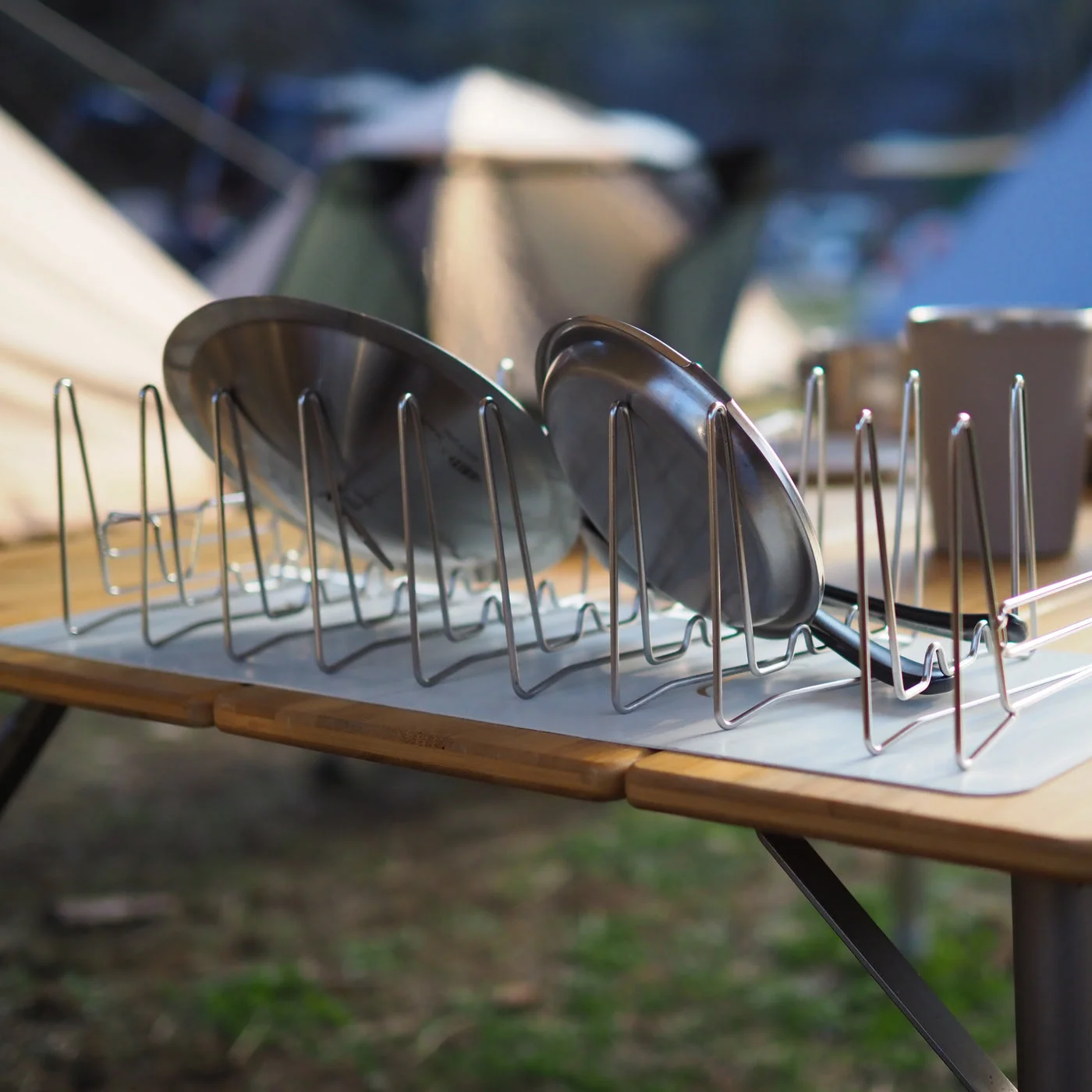
The Slim Fold Dish Rack is designed to resolve the perennial dilemma of dish drying space versus permanent counter usage. This innovative dish rack collapses from a full-sized 14 inches down to just 1.2 inches, making it perfect for storing in cabinets when not in use.
Its patent-pending spring mechanism ensures quick and effortless deployment, encouraging regular use rather than letting it collect dust. Cleaning and maintenance add to its appeal, further enhancing its practicality for daily living.
Pros
- Collapses easily for convenient storage, avoiding clutter.
- Easy to clean, ensuring practicality for everyday use.
Cons
- At $75, it’s pricier than many typical dish racks, leaving some customers hesitant about long-term durability.
- Size limitations might impact larger households washing multiple dishes simultaneously.
5. Hybrid Kitchen Aid
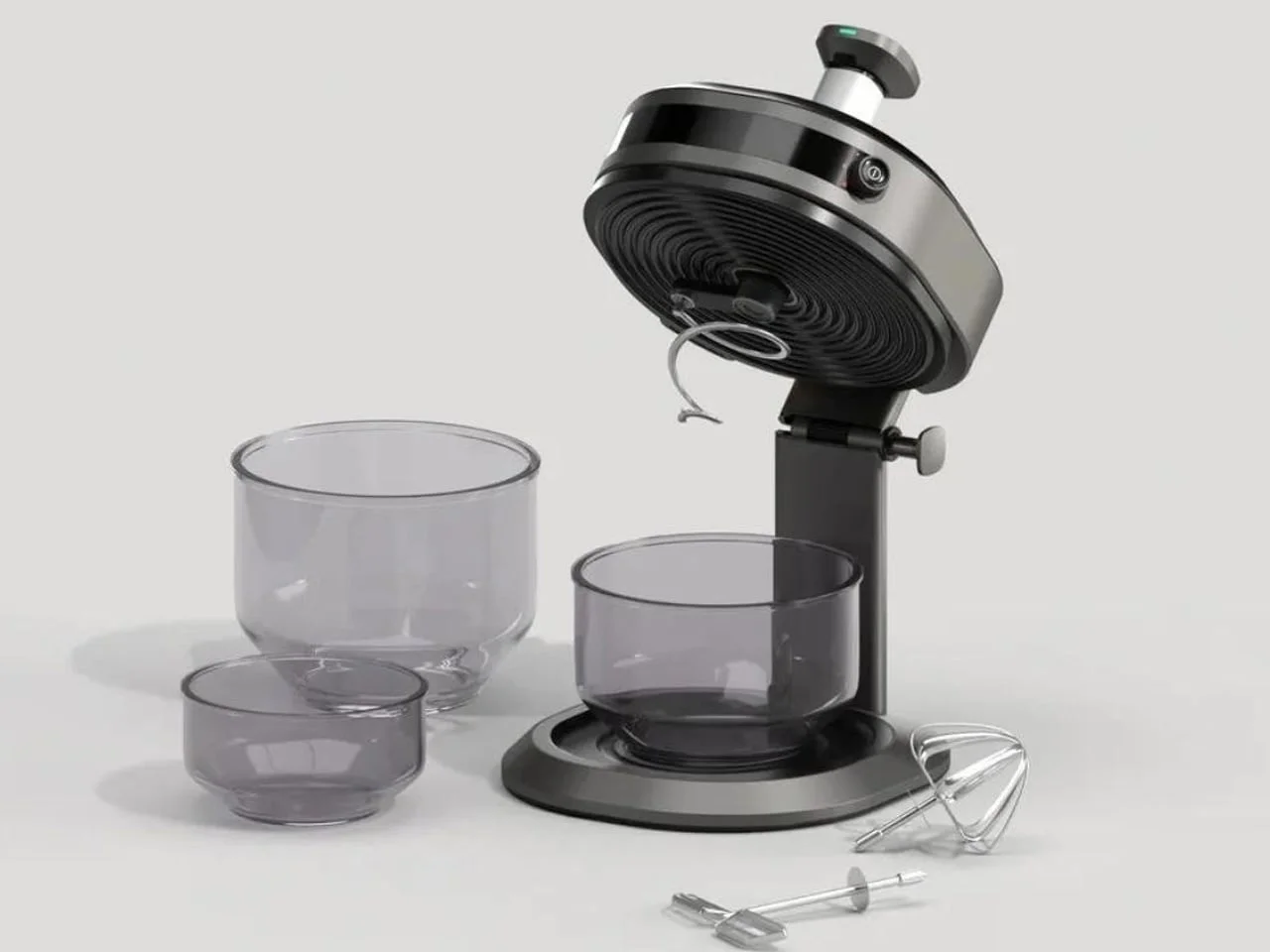
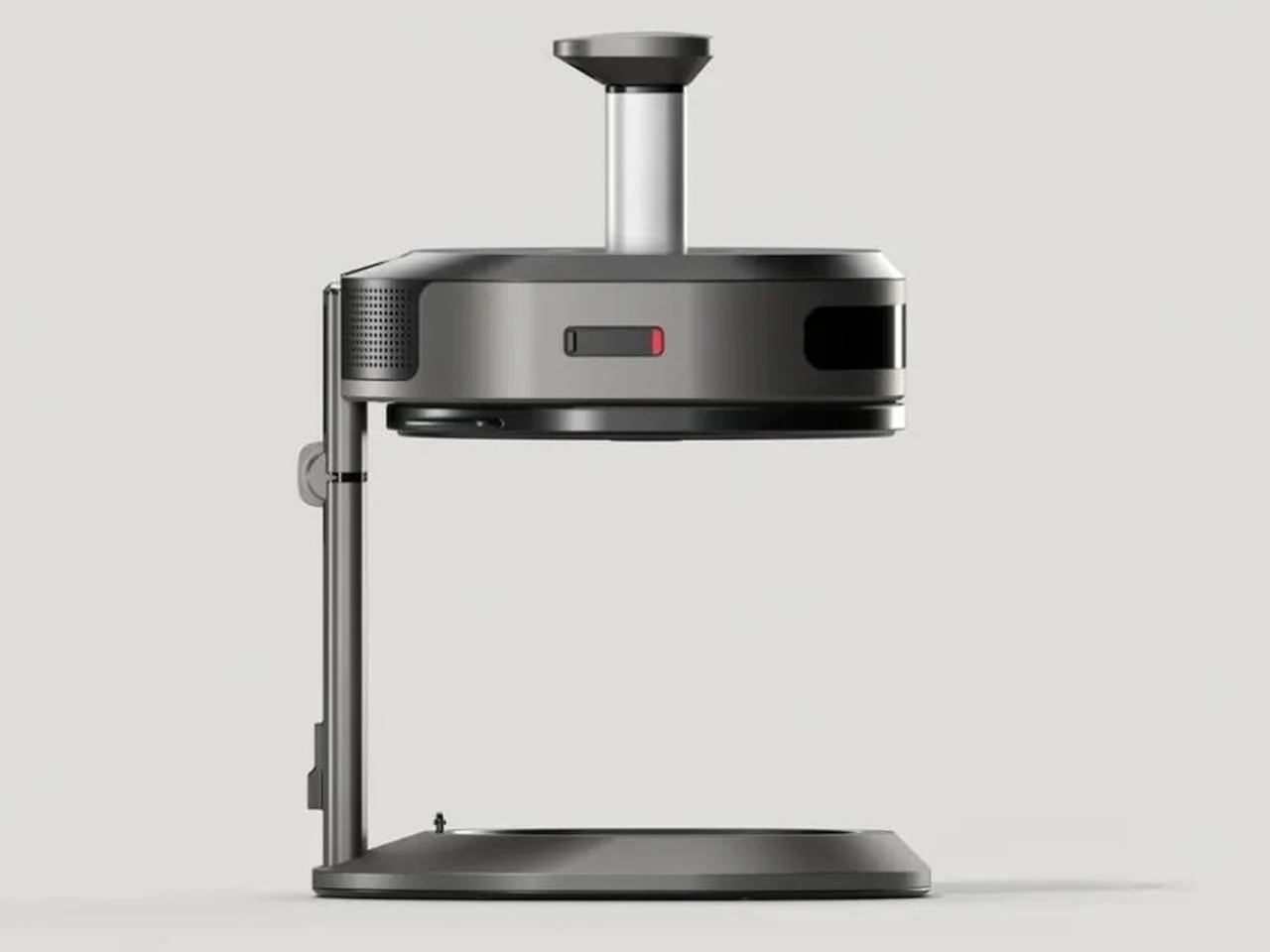
The Hybrid Kitchen Aid, designed by Rishikesh Sonawane, offers an invaluable rethink of food preparation tools, merging blending, grinding, and kneading into a single, compact device. Its intricate design enables storage efficiency without forcing users to compromise on functionality.
The invert placement of its motor reduces its spatial footprint, reinforcing the appliance’s utility within smaller kitchens. With a clear user flow diagram, the Hybrid Kitchen Aid minimizes potential errors during use, ushering a user-friendly approach to food preparation.
Pros
- Combines multiple functions into a sleek, upright form to save counter and cabinet space.
- Innovative design considerations enhance overall usability.
Cons
- Users accustomed to typical food processor configurations may need time to adapt.
Creating an Efficient Kitchen Environment
The integration of these five kitchen tools signifies more than just space-saving; they fundamentally alter the user experience in culinary settings. Each of these gadgets is designed to earn their place by ensuring prospective kitchen users need fewer decision points amid a busy cooking process. Whether considering concepts that remain in development or tools readily available for purchase, all reinforce the principle that an efficient kitchen transcends size—it revolves around practical and purposeful use. The most effective kitchens are those where each item is essential and functional, with nothing merely occupying space.
The conversation surrounding these tools is just beginning. The concepts hold promise, and their journey toward production aims to refine the kitchen experience. The available products already promise immediate enhancements, addressing common frustrations with current kitchen equipment. Ultimately, the aim remains: to cultivate a kitchen space where utility reigns above all else.


Discussion
Sign in to join the discussion.