The one-off Peralta D reworks a Maserati GranTurismo with hand-hammered copper, a glass canopy and a cabin tailored to its owner.
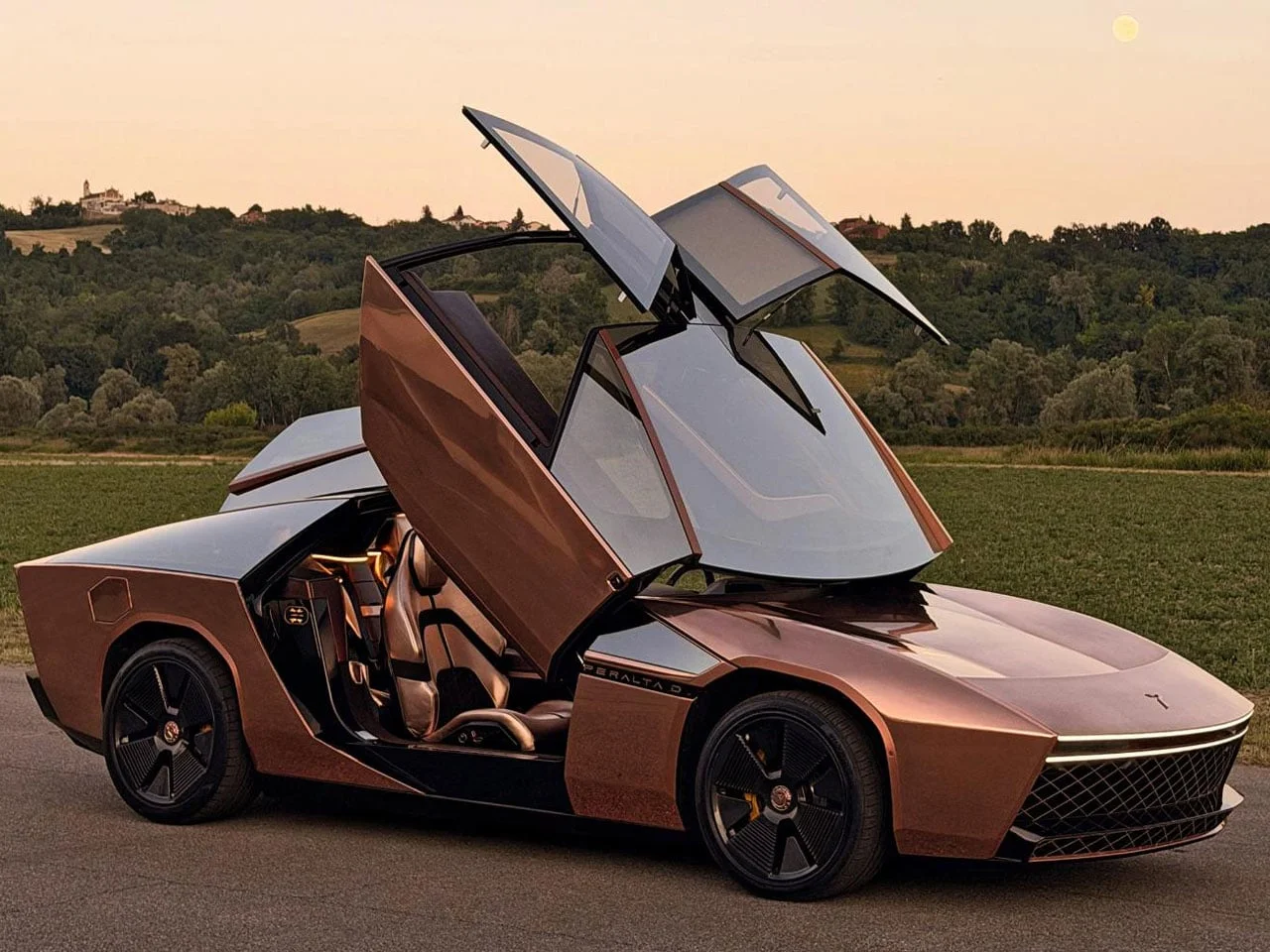
A GranTurismo recast as a personal commission
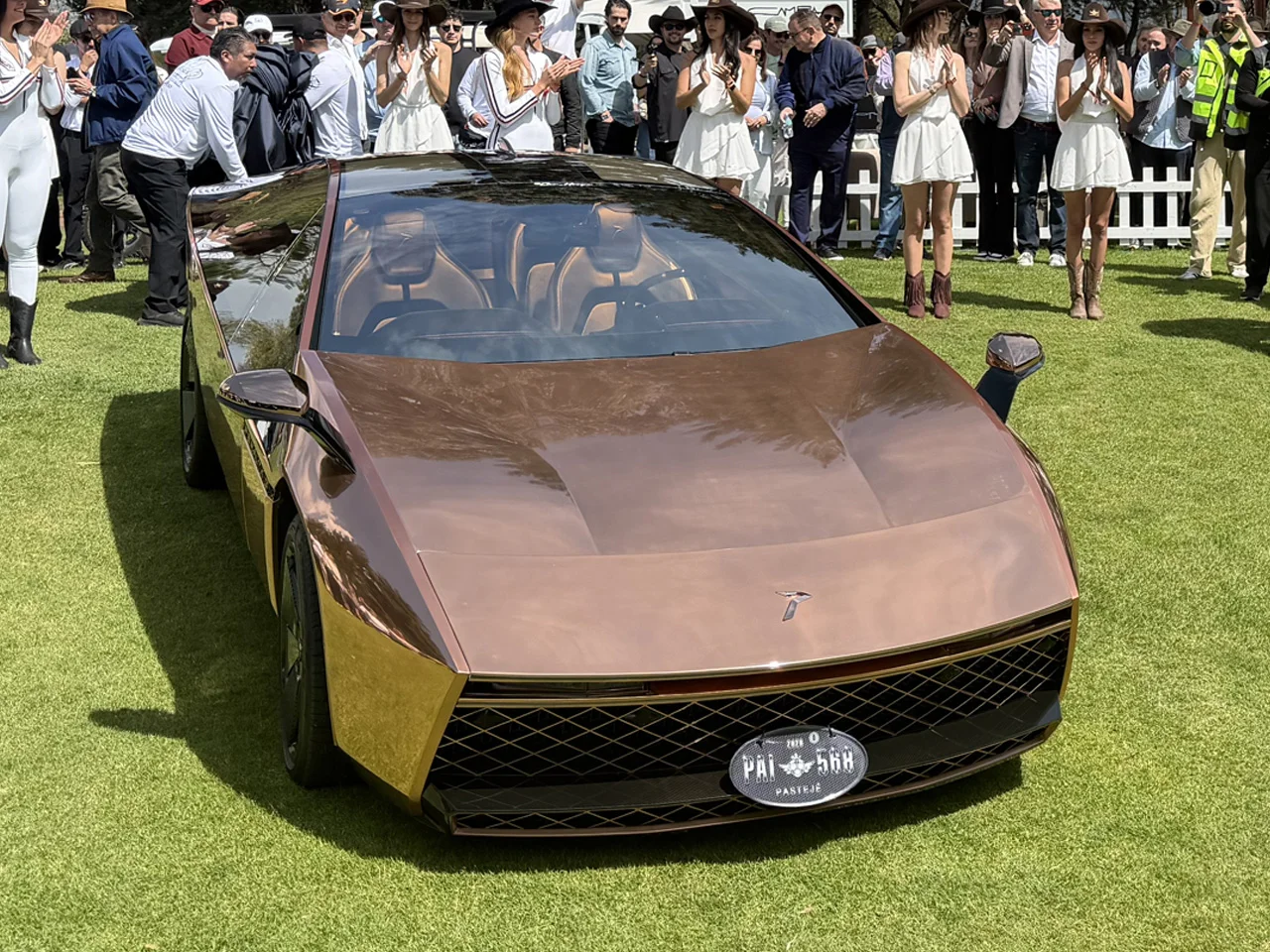
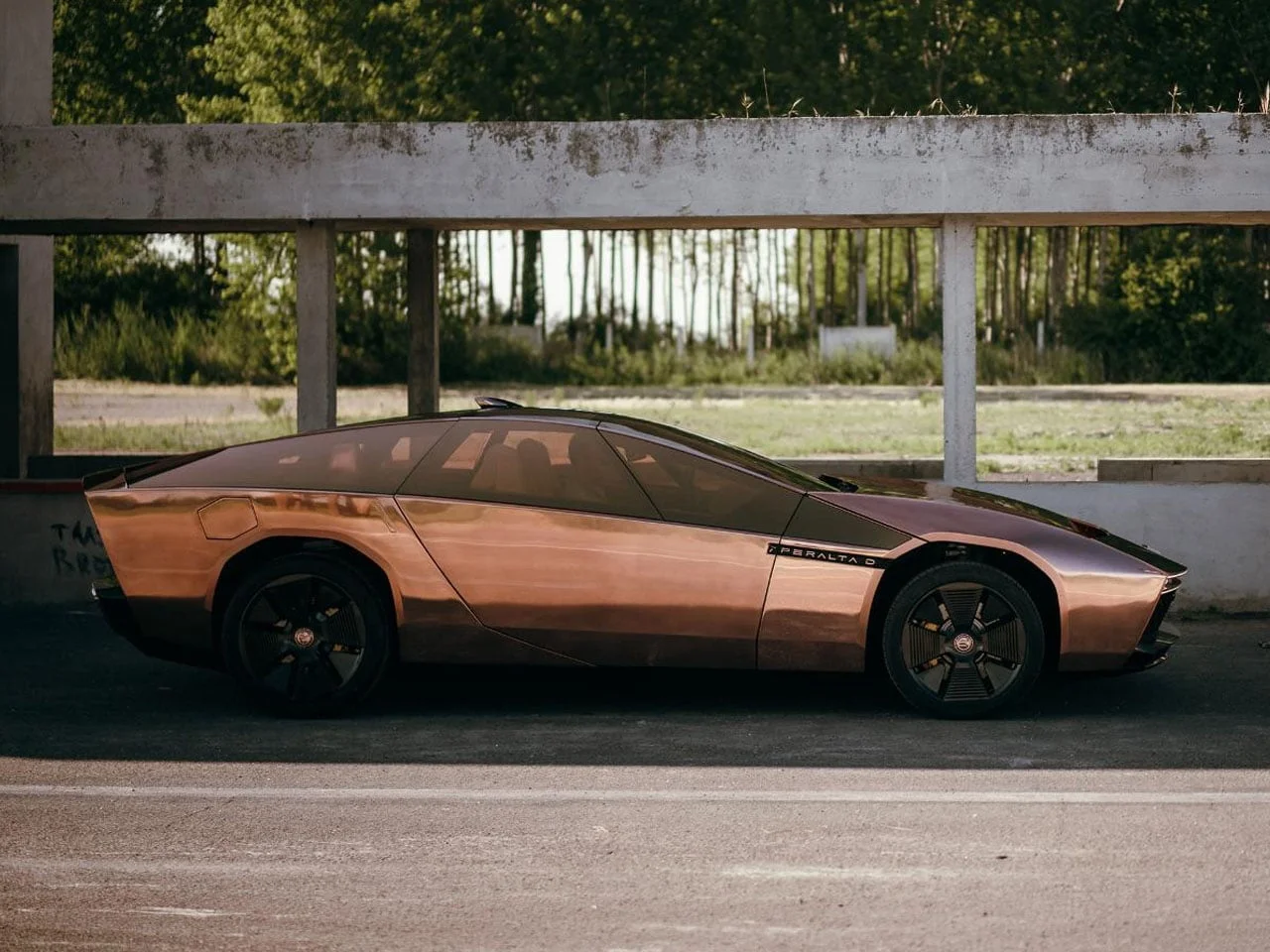
The Peralta D treats the Maserati GranTurismo as a coachbuilder’s canvas. GFG Style has recast the four-seat coupe in hand-hammered copper and copper-tinted mirrored glass, then reworked how occupants get in. The result is less an exercise in added trim than a one-off study in material, form and ceremony. Every major gesture—the reflective roof, exposed metal and unusual canopy—asks the car to be read as a designed object, not simply a familiar coupe with a different finish.
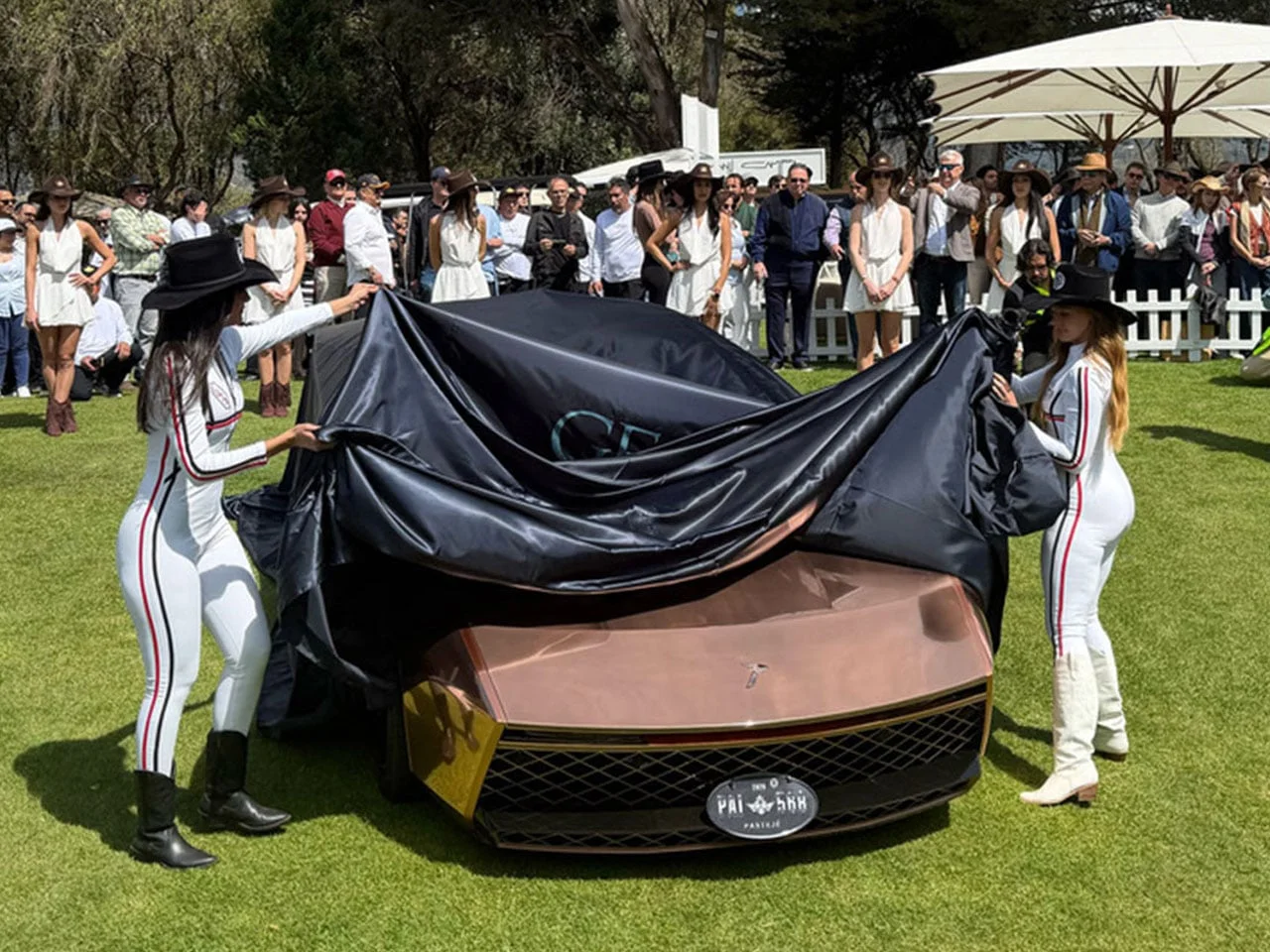
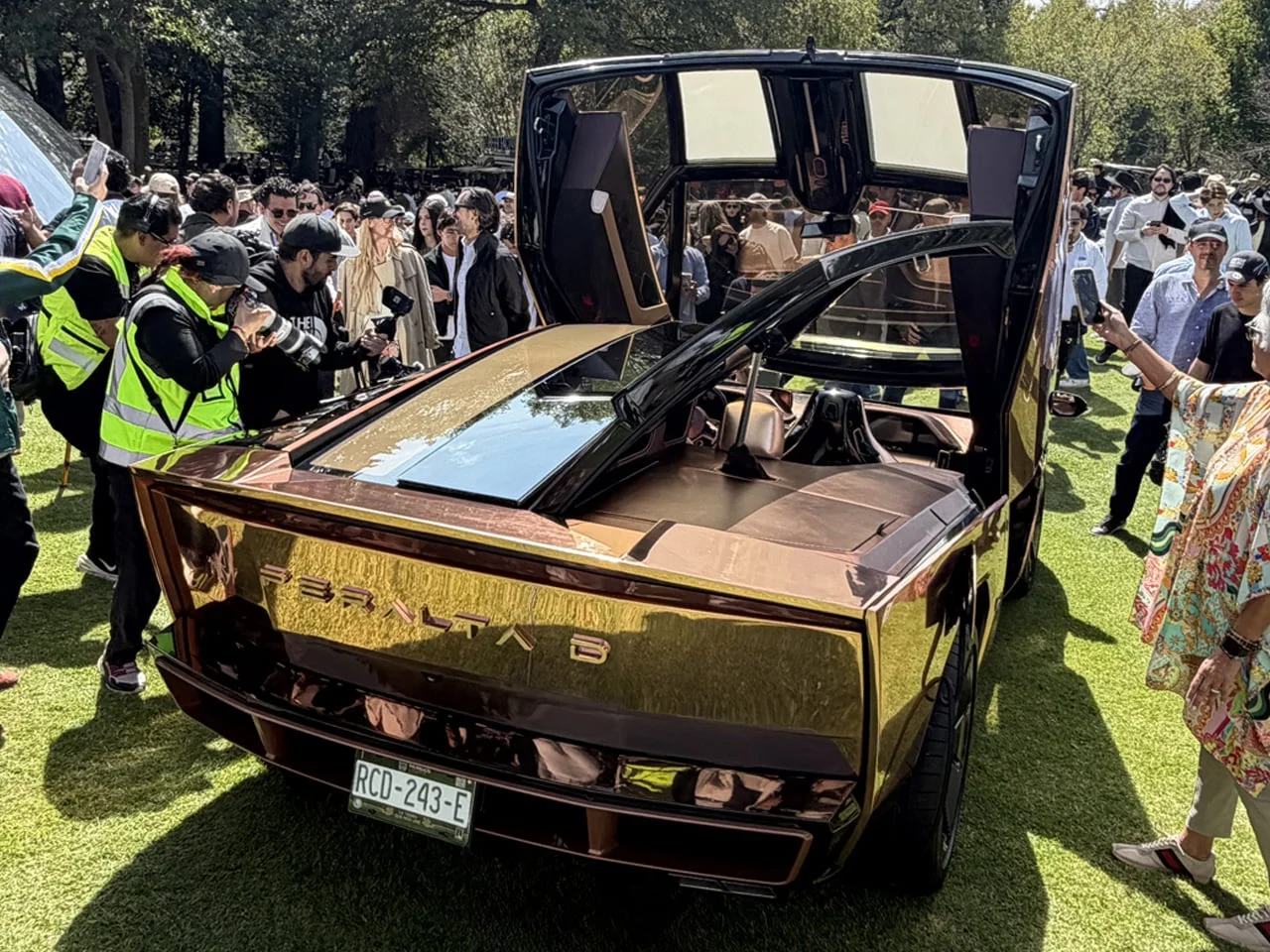
Designer Fabrizio Giugiaro created the car for Mexican entrepreneur and collector Carlos Peralta. Revealed at the 2026 Pastejé Automotive Invitational in Mexico, it’s the pair’s second commission. Their earlier project, the Peralta S, used the Maserati MC20 as its base and appeared in 2025. The D is dedicated to Peralta’s daughters; the S was dedicated to his sons. That family connection gives the two commissions a shared logic: the vehicles are personal objects whose design choices carry meaning beyond brand identity or performance.
Designer: GFG Style
Copper shapes the exterior
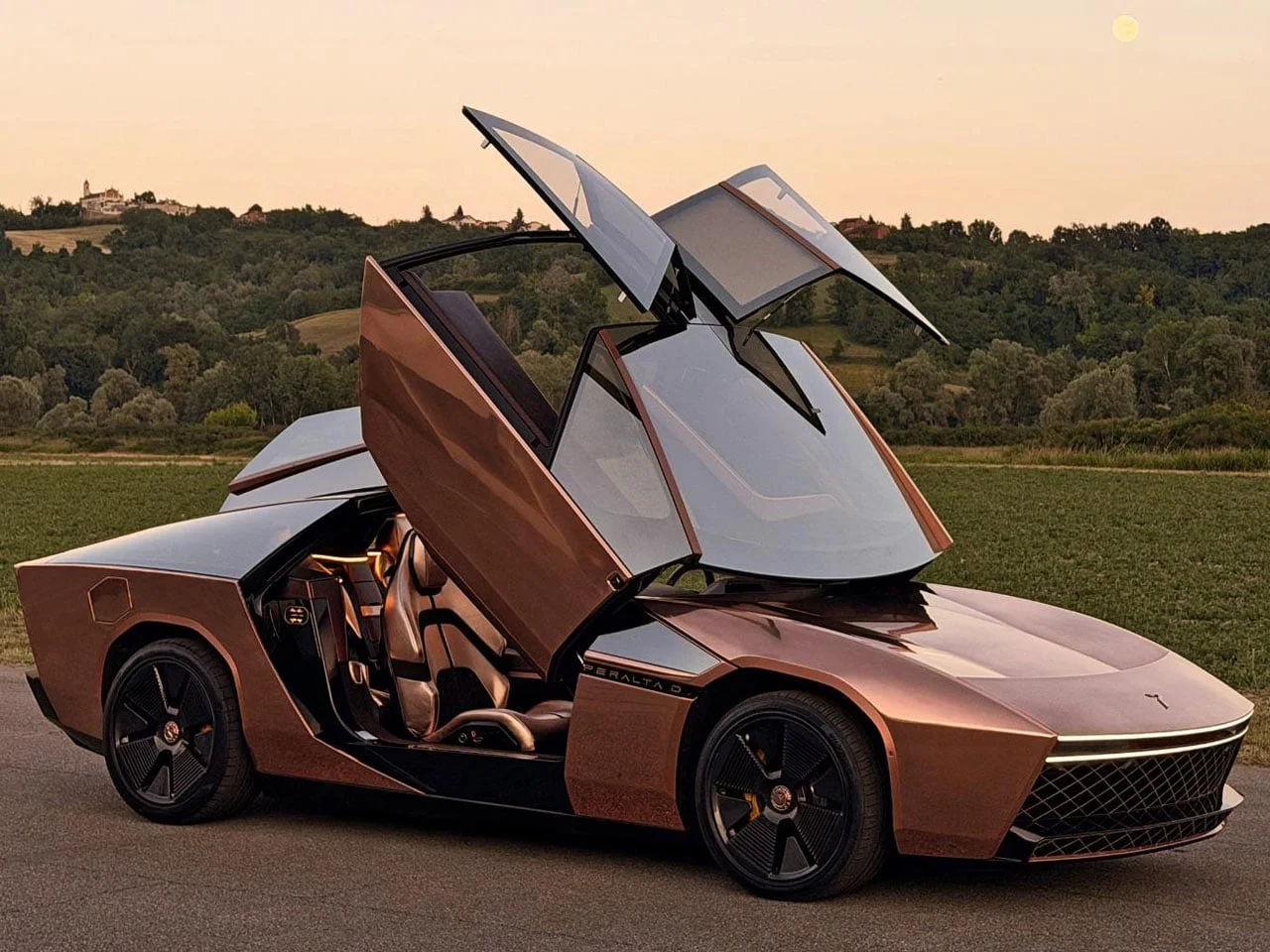
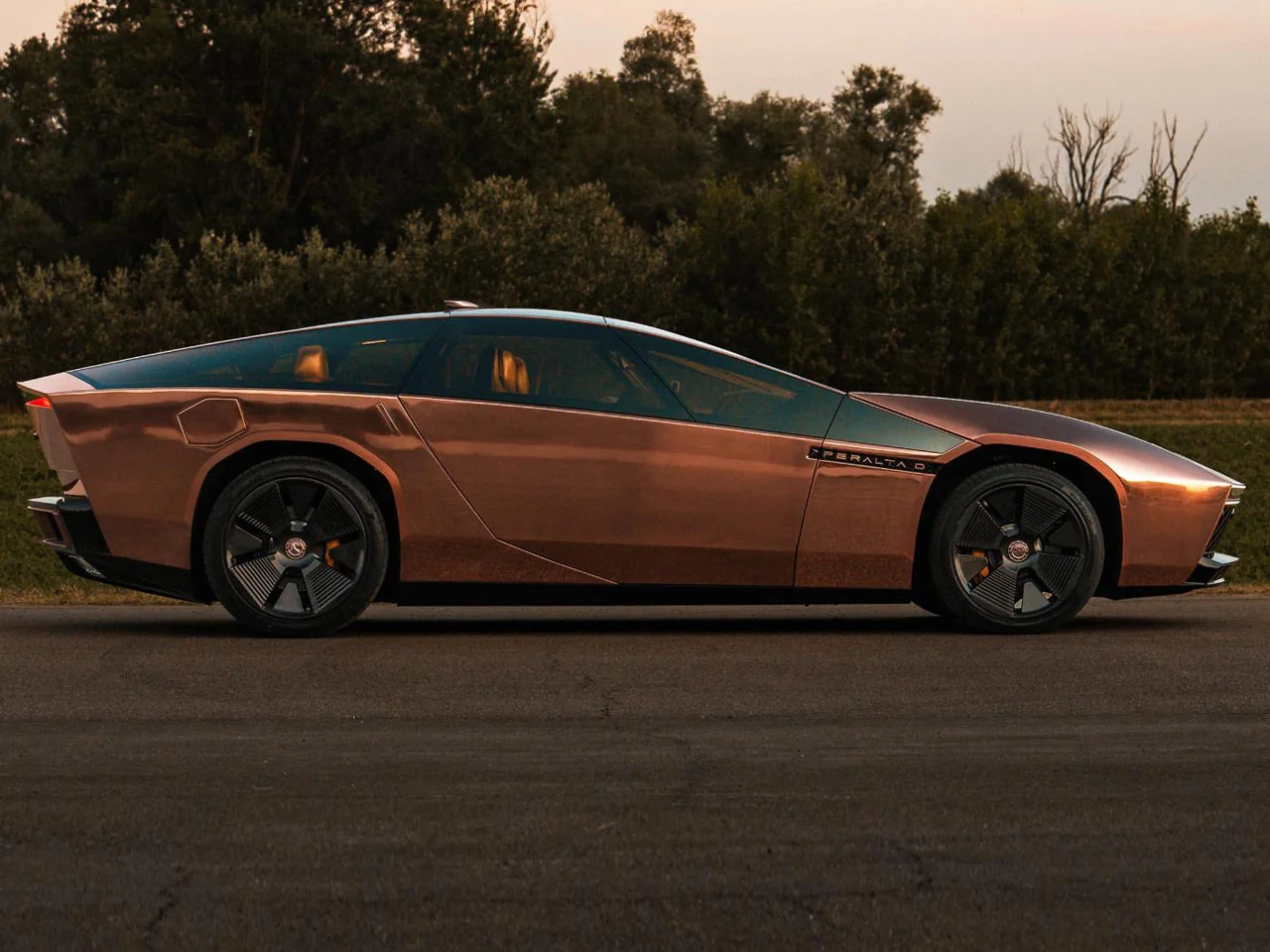
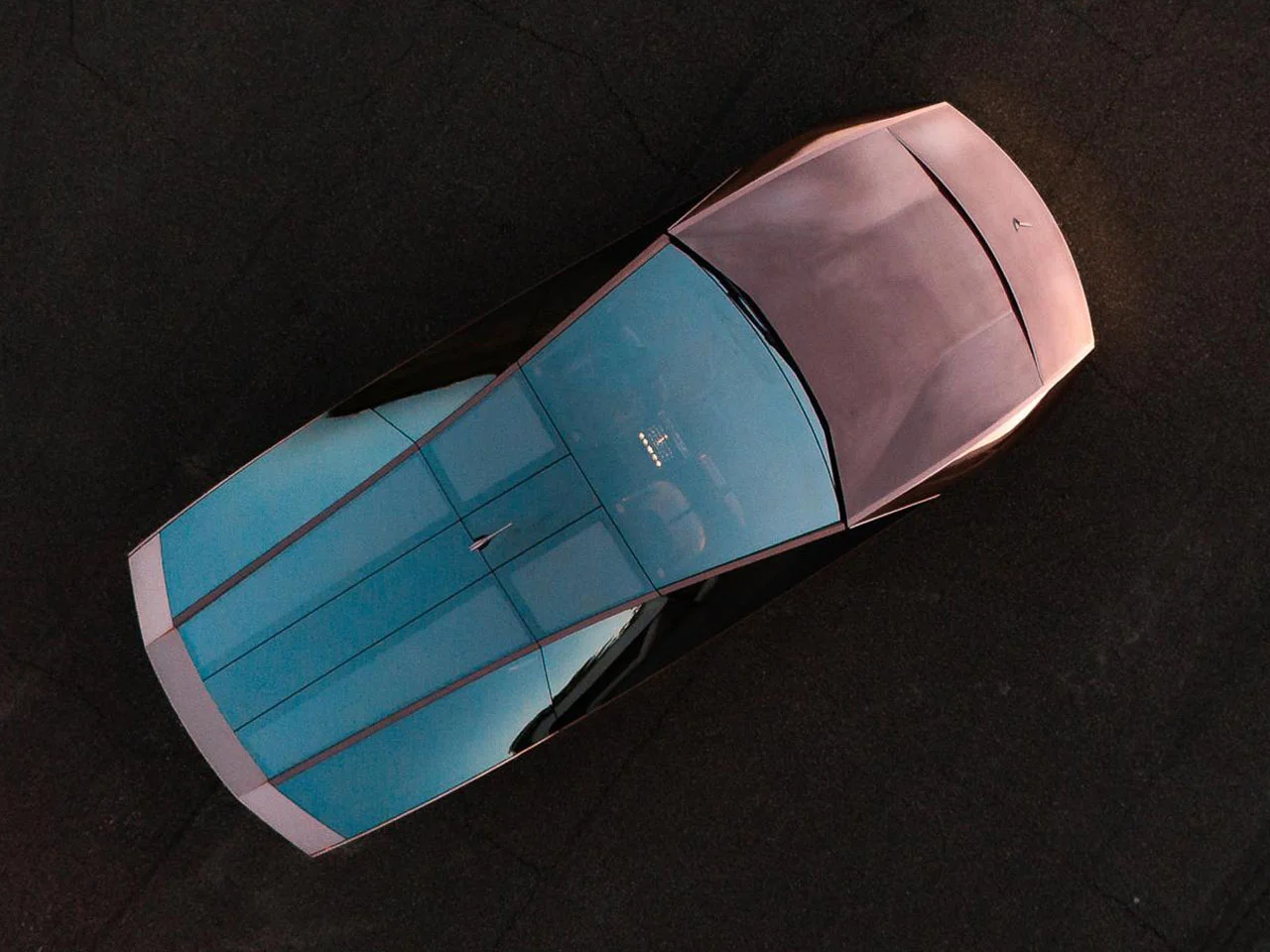
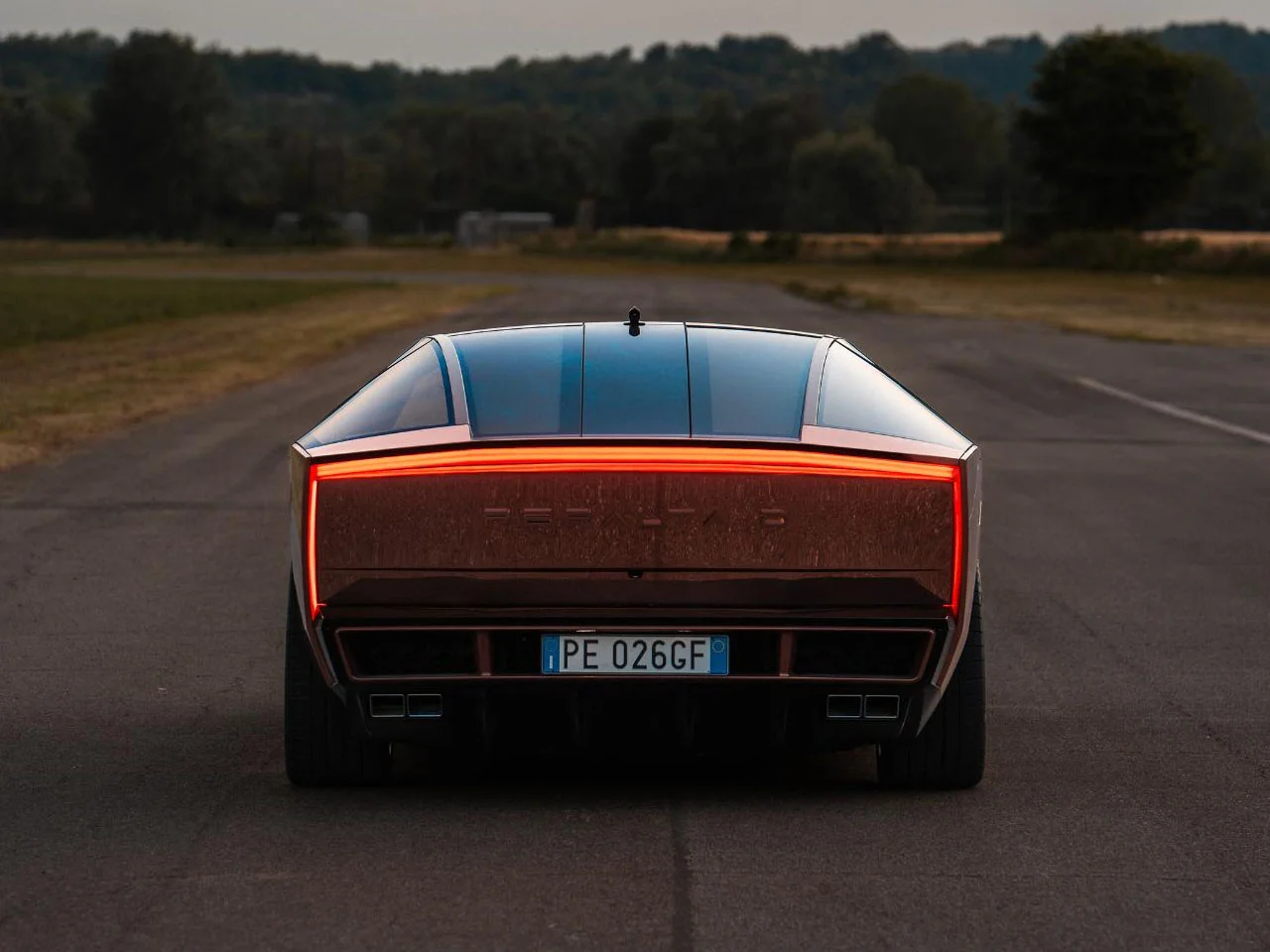
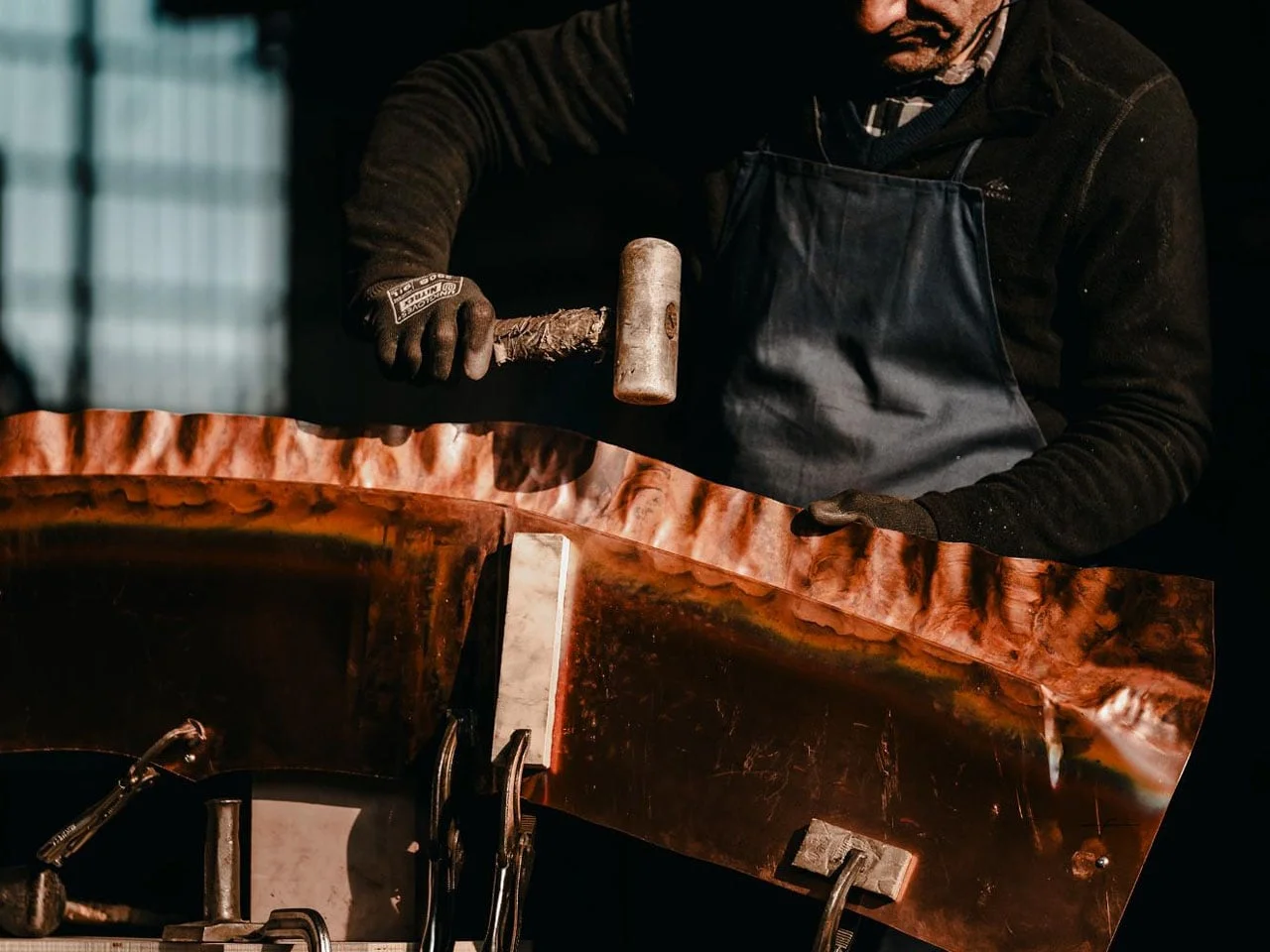
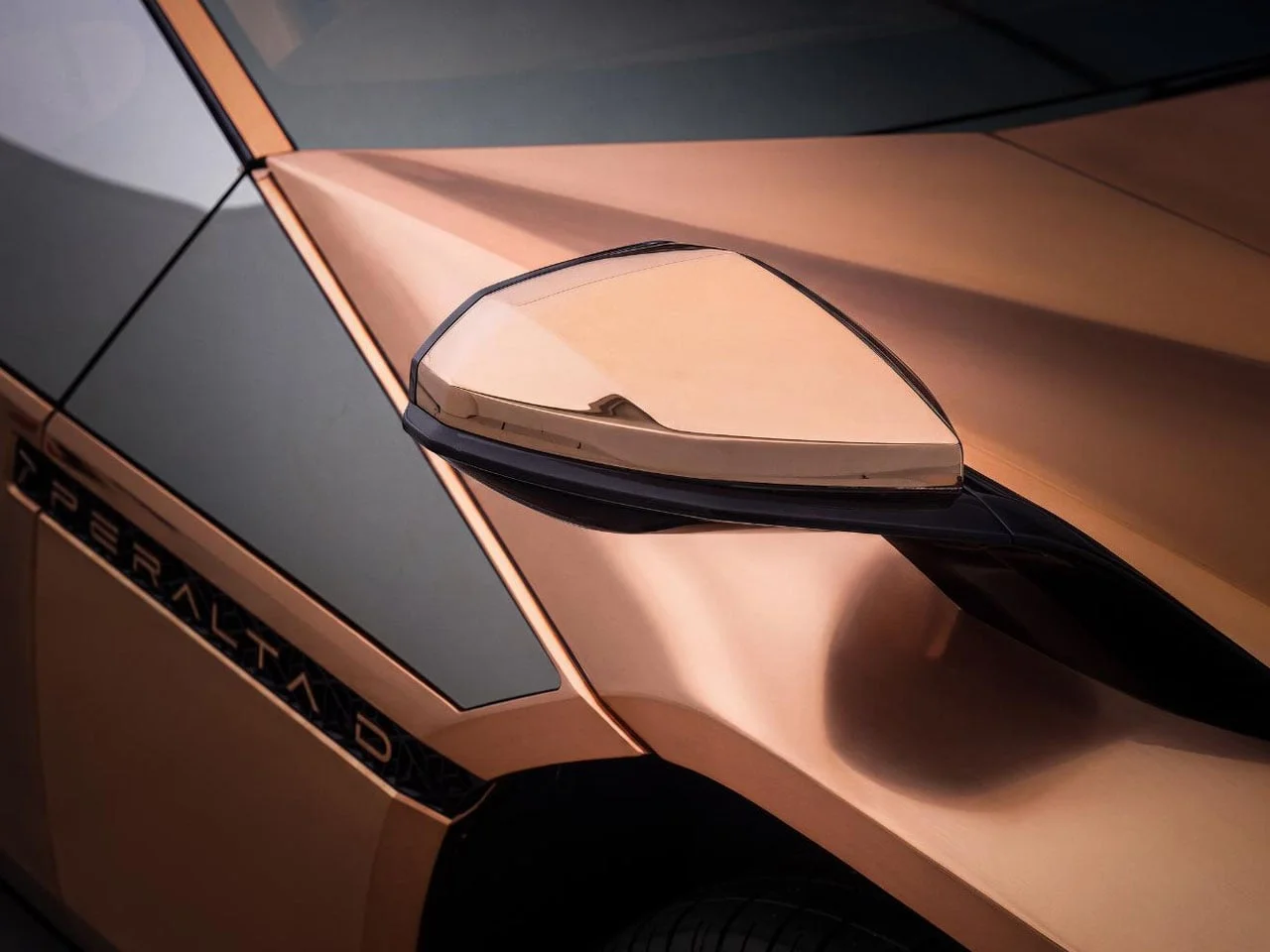
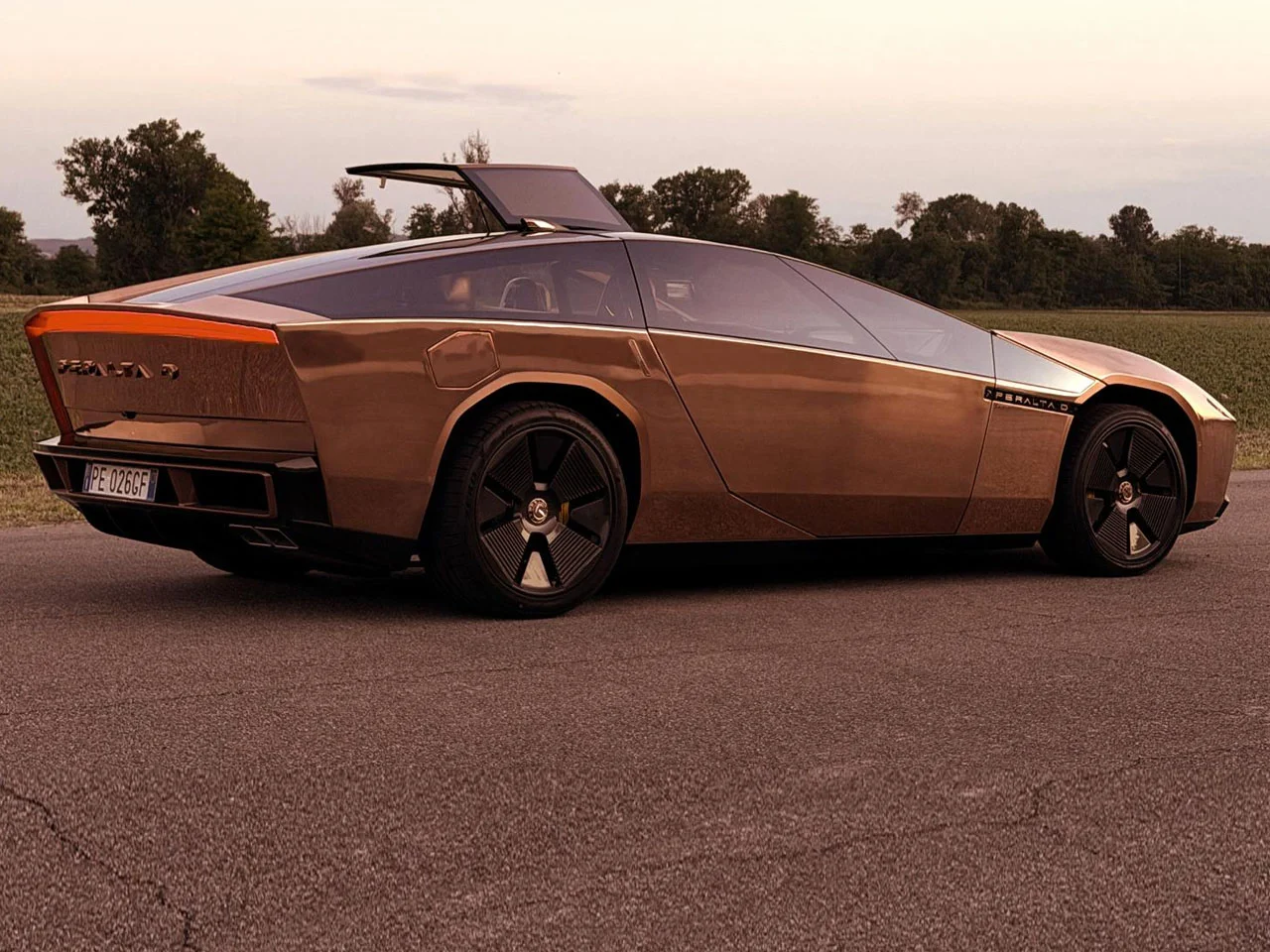
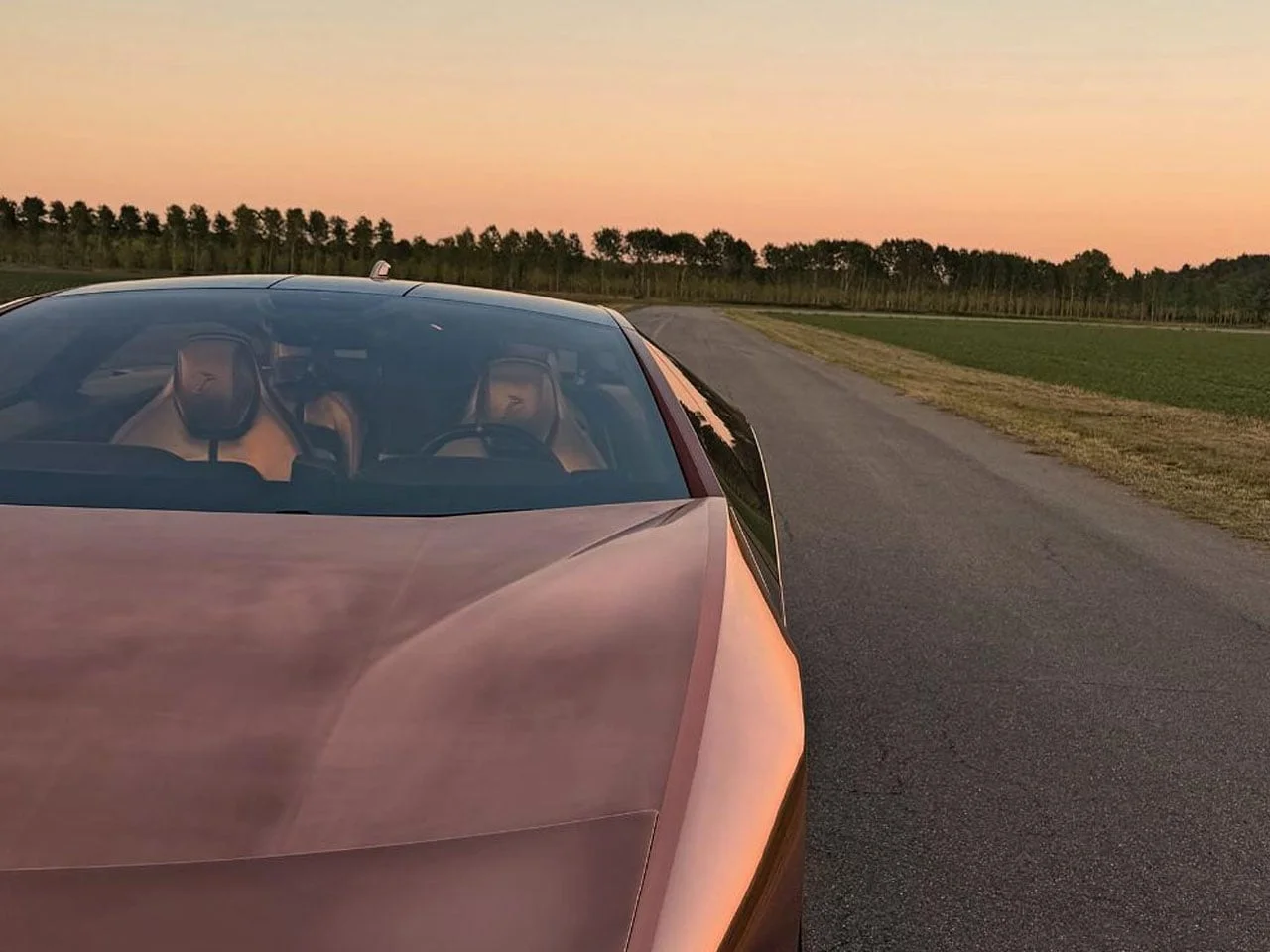
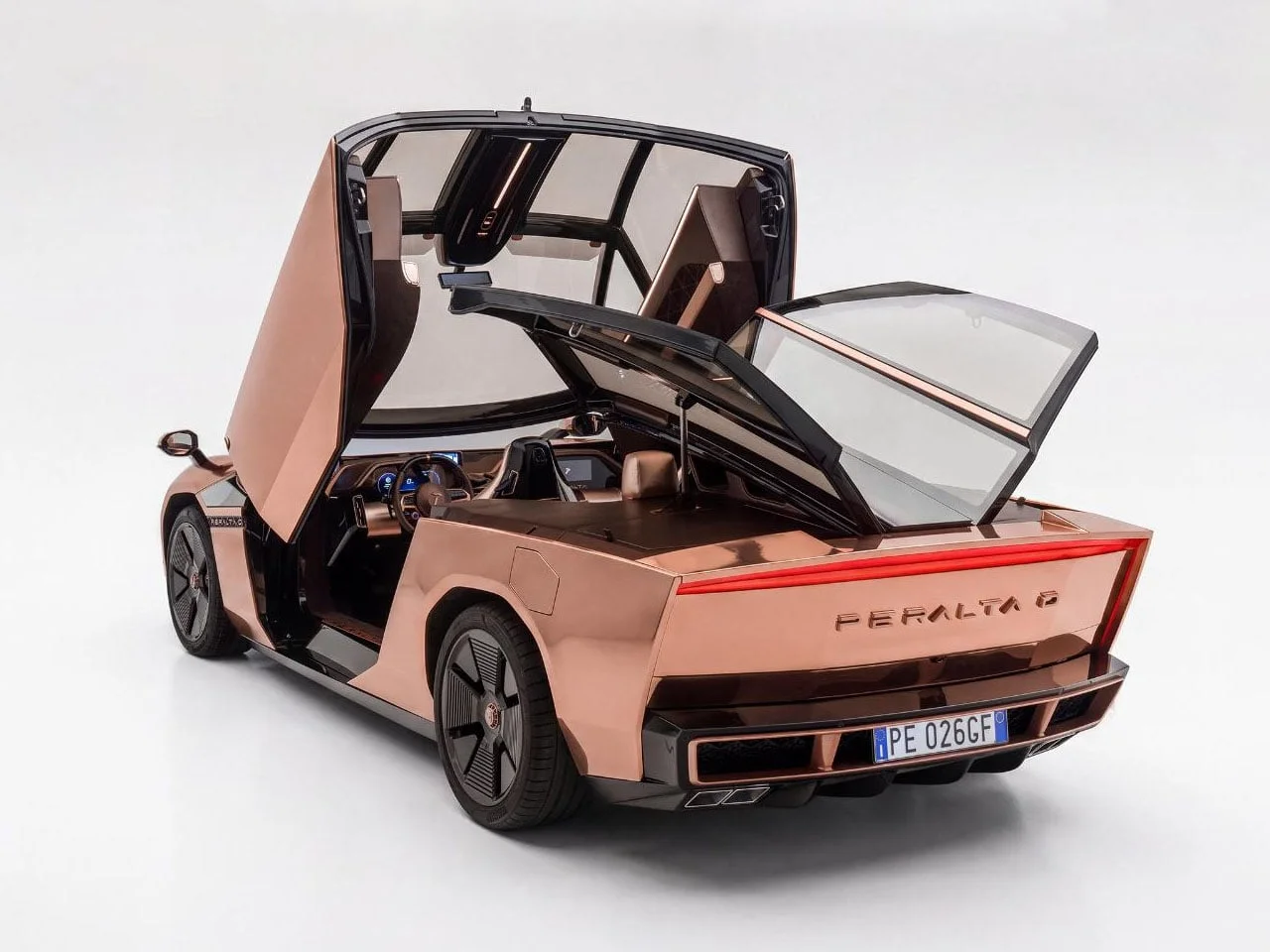
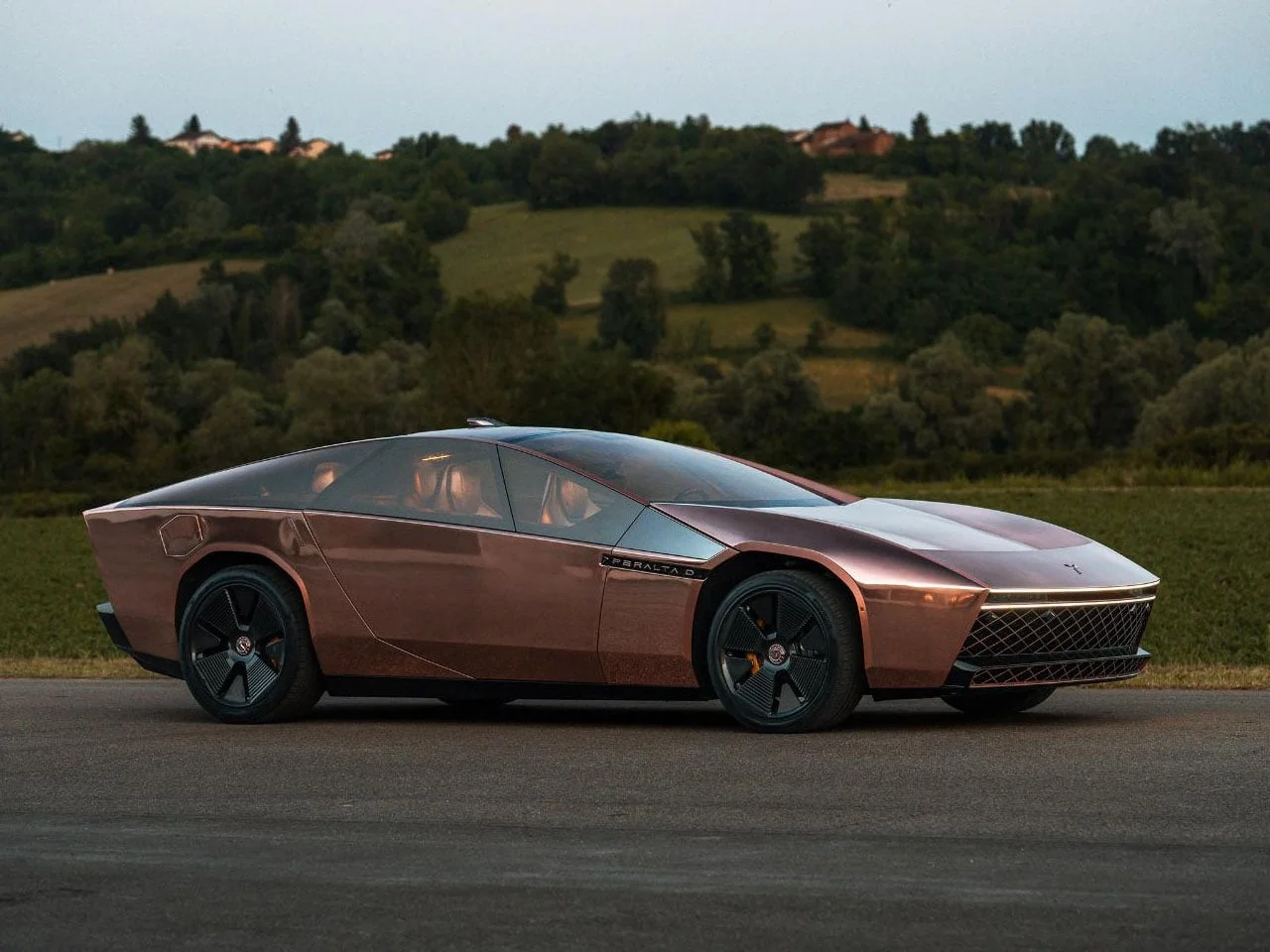
GFG leaves the lower body’s copper exposed, letting the metal’s reddish tone and hand-worked surface carry the design. Overhead, mirrored glass in a coordinating copper hue forms a continuous-looking canopy. That pairing gives the GranTurismo a strong visual split between the solid, tactile lower half and its reflective upper section. The distinction is doing real design work: the copper gives the car visual weight, while the glass appears to lighten the roof and draw the eye along the profile.
Hand-hammering also makes the surface part of the car’s character. Unlike a uniform painted finish, worked metal can catch light unevenly, putting craft in view rather than concealing it. That’s a deliberate choice for a one-off, where evidence of making can matter as much as the final silhouette. It also means the copper isn’t just a color theme; it’s the material around which the rest of the exterior has been composed.
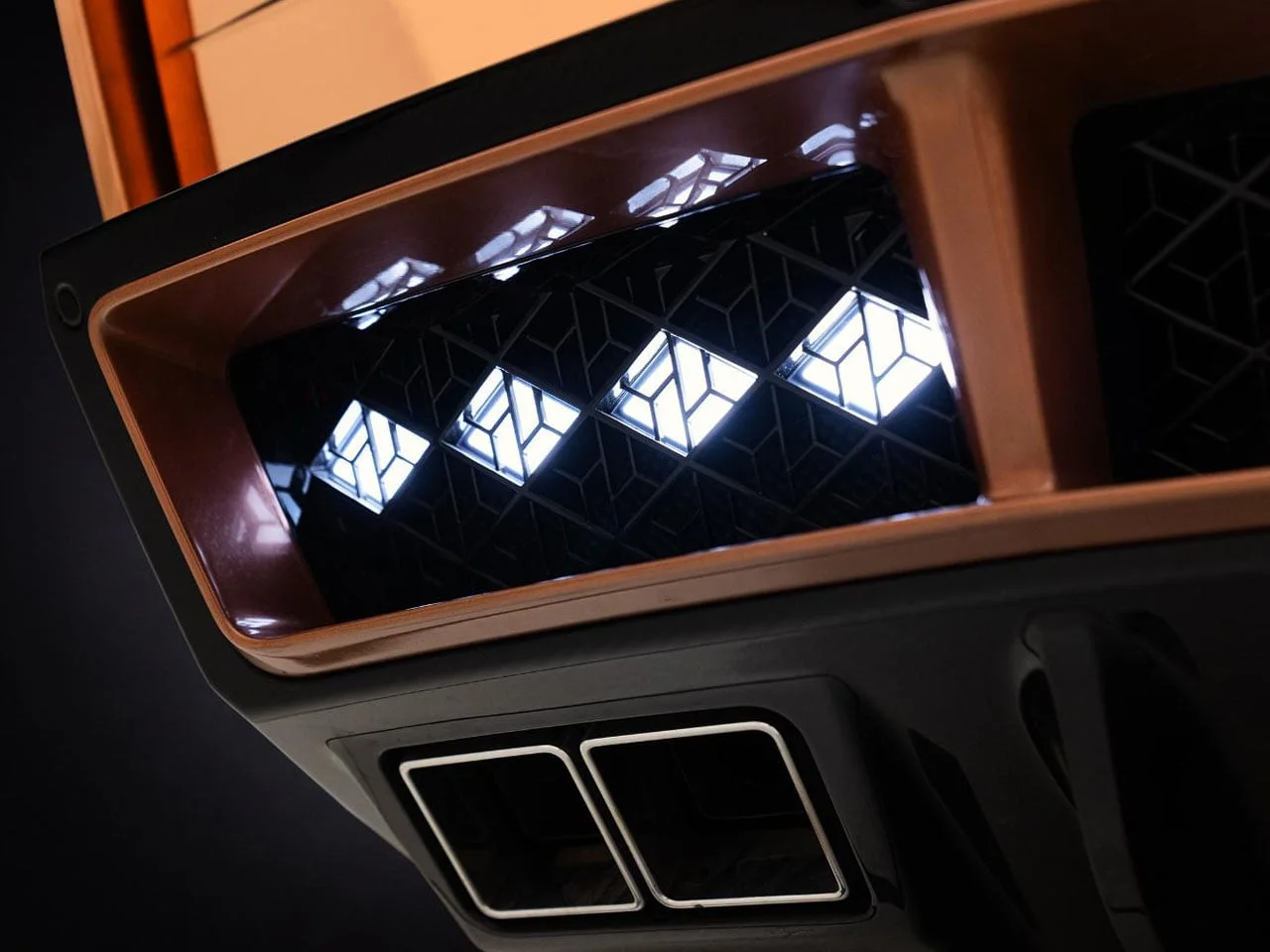
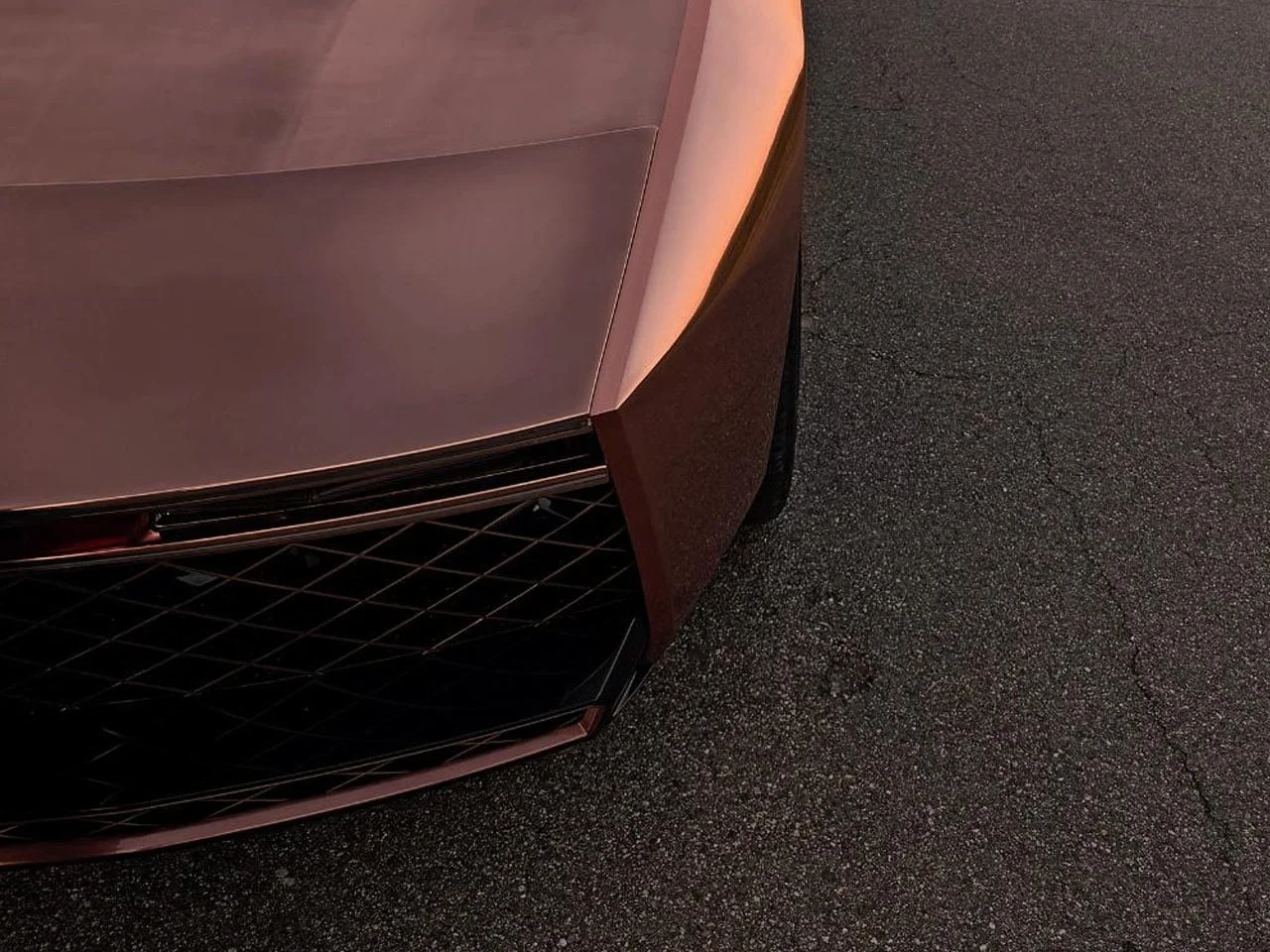
A sharply tapered profile draws on the geometric language associated with Giorgetto Giugiaro’s earlier designs. Anthracite-black alloy wheels use a pattern inspired by the 1970s, while narrow lights and diamond-pattern aluminium grilles keep the front relatively spare. Carbon-fibre parts are integrated into the body without disrupting the copper-and-glass treatment. The restraint helps: with such visually assertive materials, a crowded front end could have turned the design into a collection of competing details.
Entry becomes part of the design
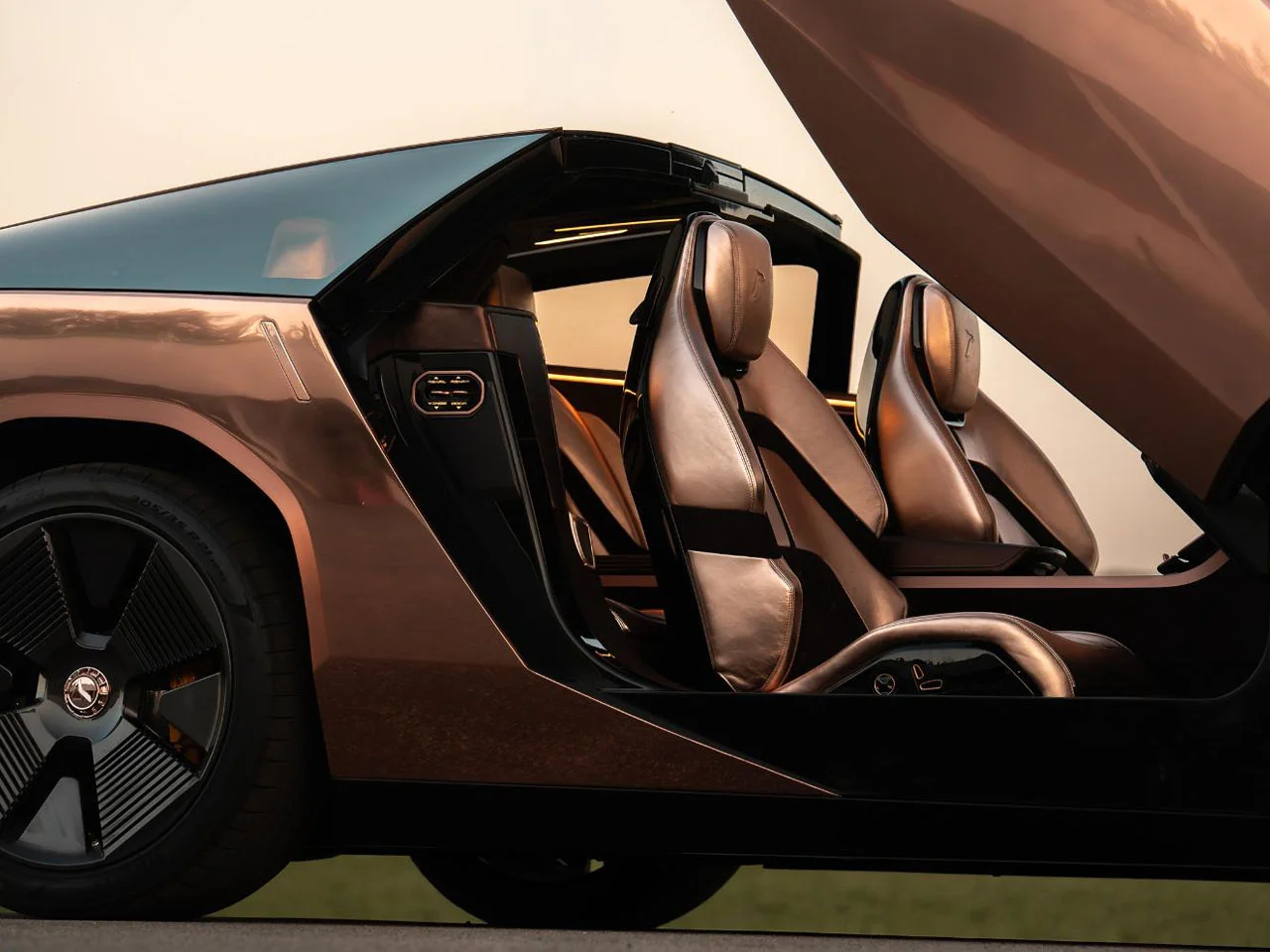
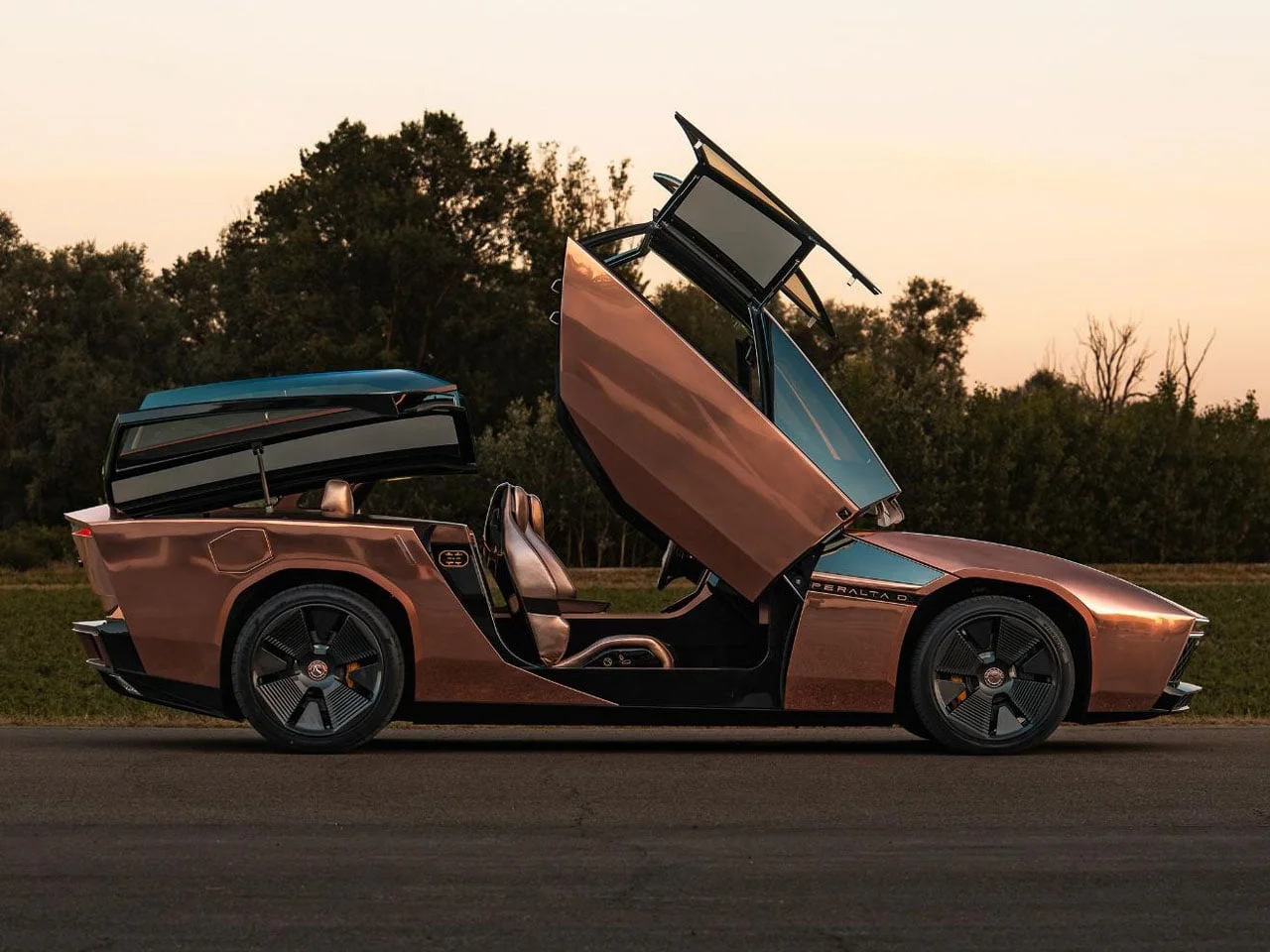
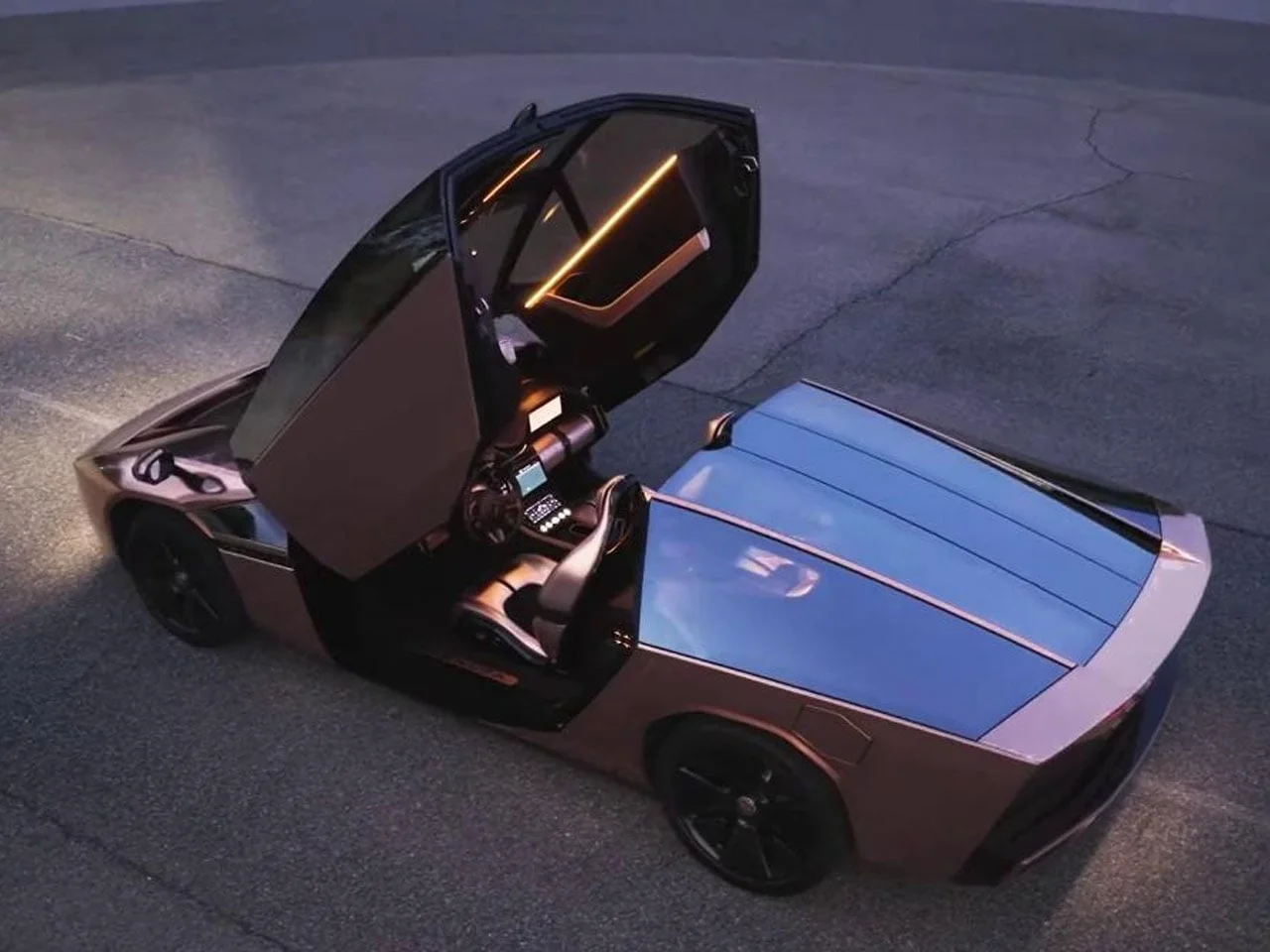
The unusual access system turns getting into the car into a visible part of the experience. A single glass canopy tilts forward to open the front cabin, while separate gullwing-style sections provide access to the rear seats. The split arrangement recalls the opening engine cover on the 1967 De Tomaso Mangusta, another Giugiaro design. It’s a theatrical solution, but one tied to the car’s central idea: the body doesn’t merely surround the cabin; it moves to reveal it.
Such an opening system also changes the social character of entry. Conventional doors make access routine; a canopy and separate rear sections make it a moment people are likely to notice. That’s part of the appeal of coachbuilt cars, where a practical action can become a signature. The tradeoff is apparent, too: elaborate access hardware has to serve the people inside as well as the visual concept. The available description establishes the mechanism, but doesn’t say how it performs in everyday use.
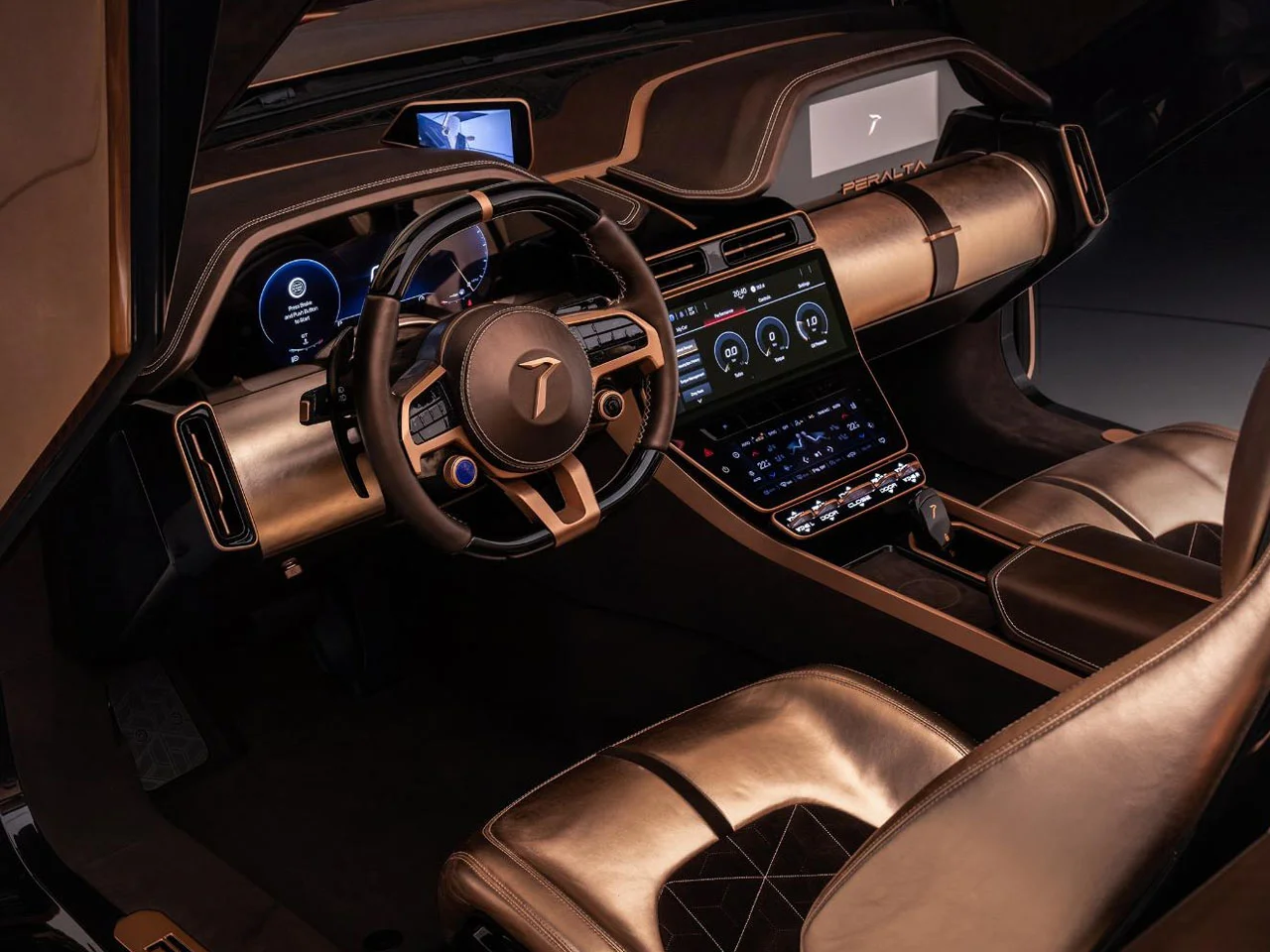
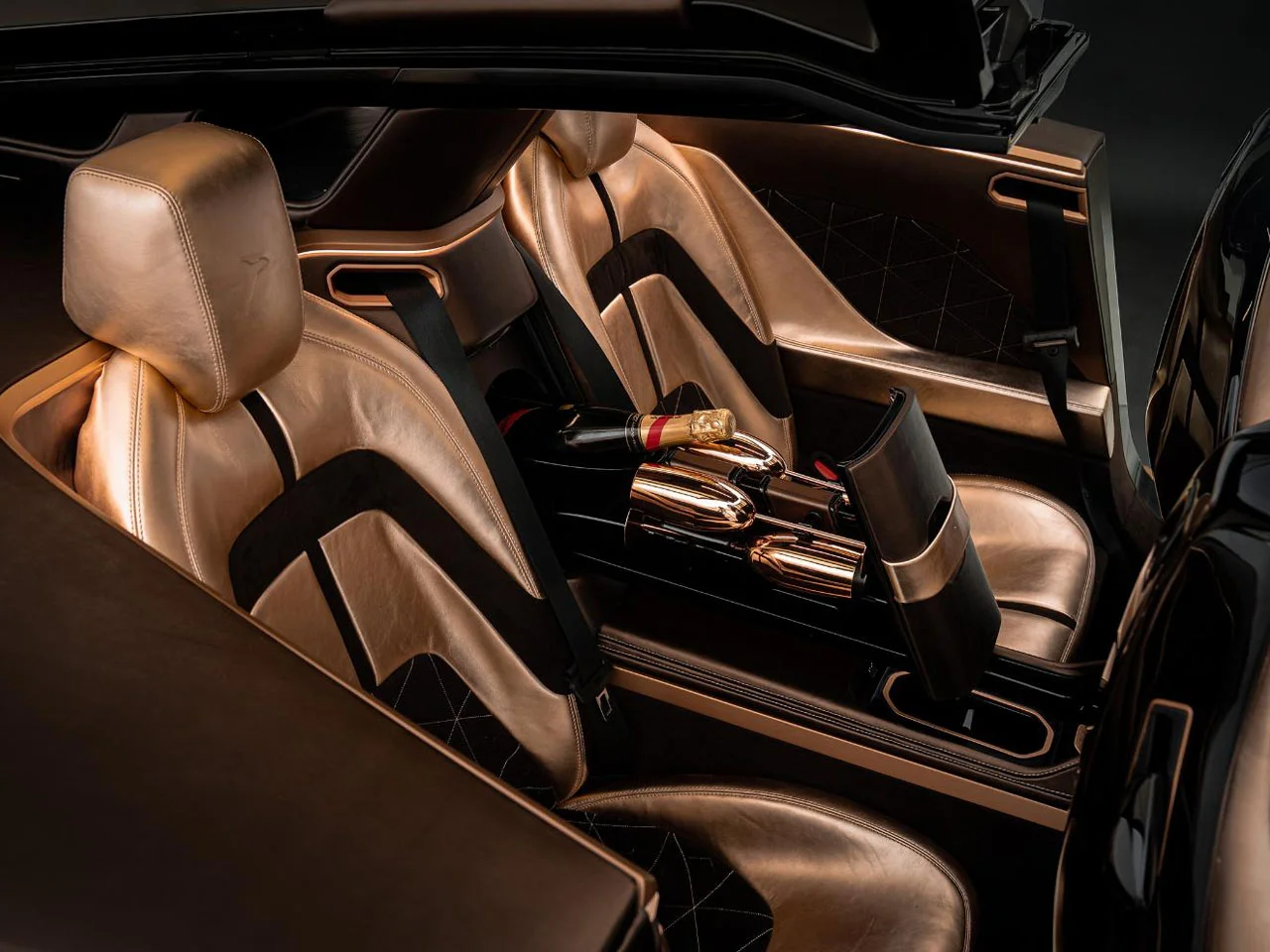
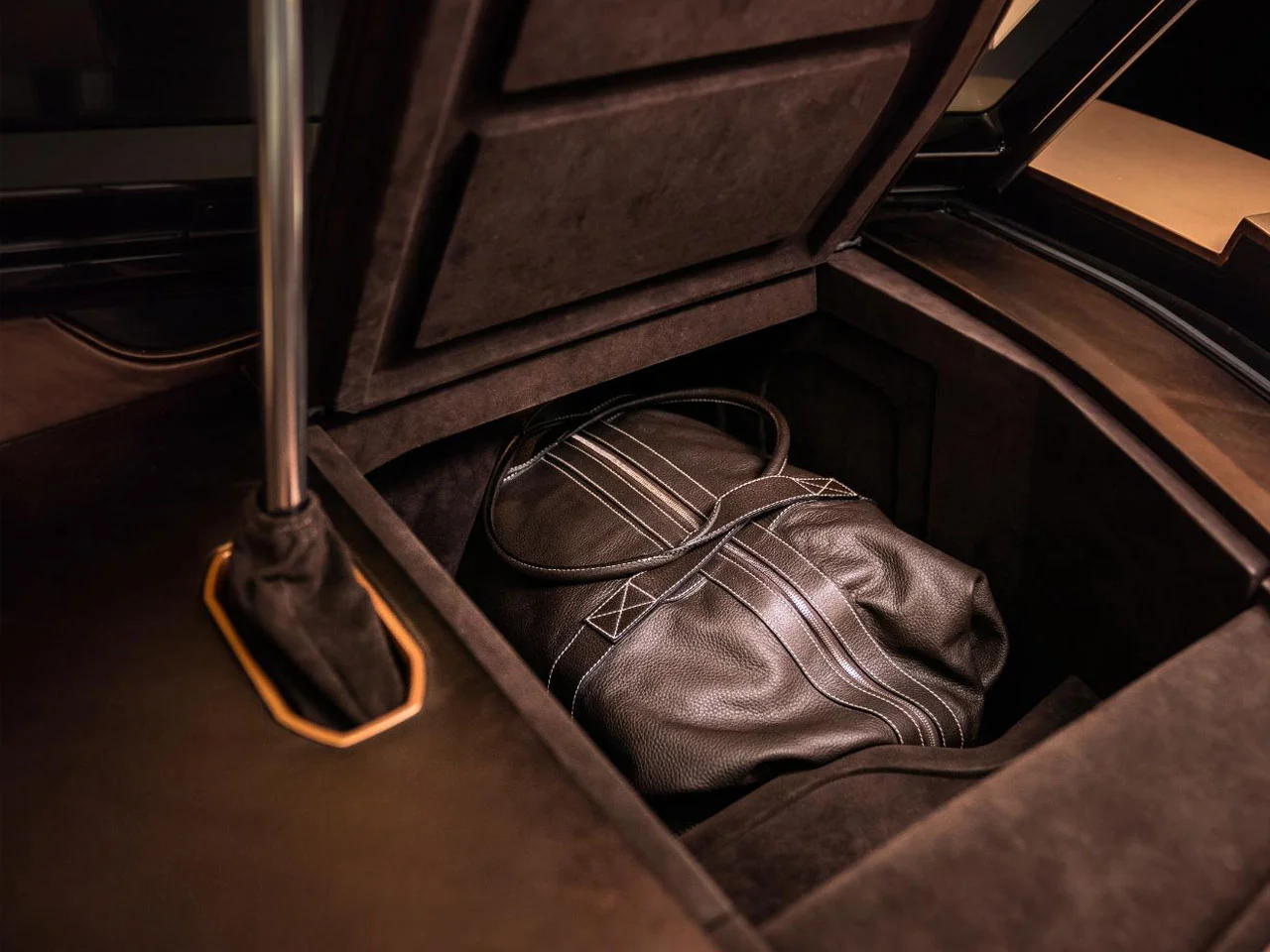
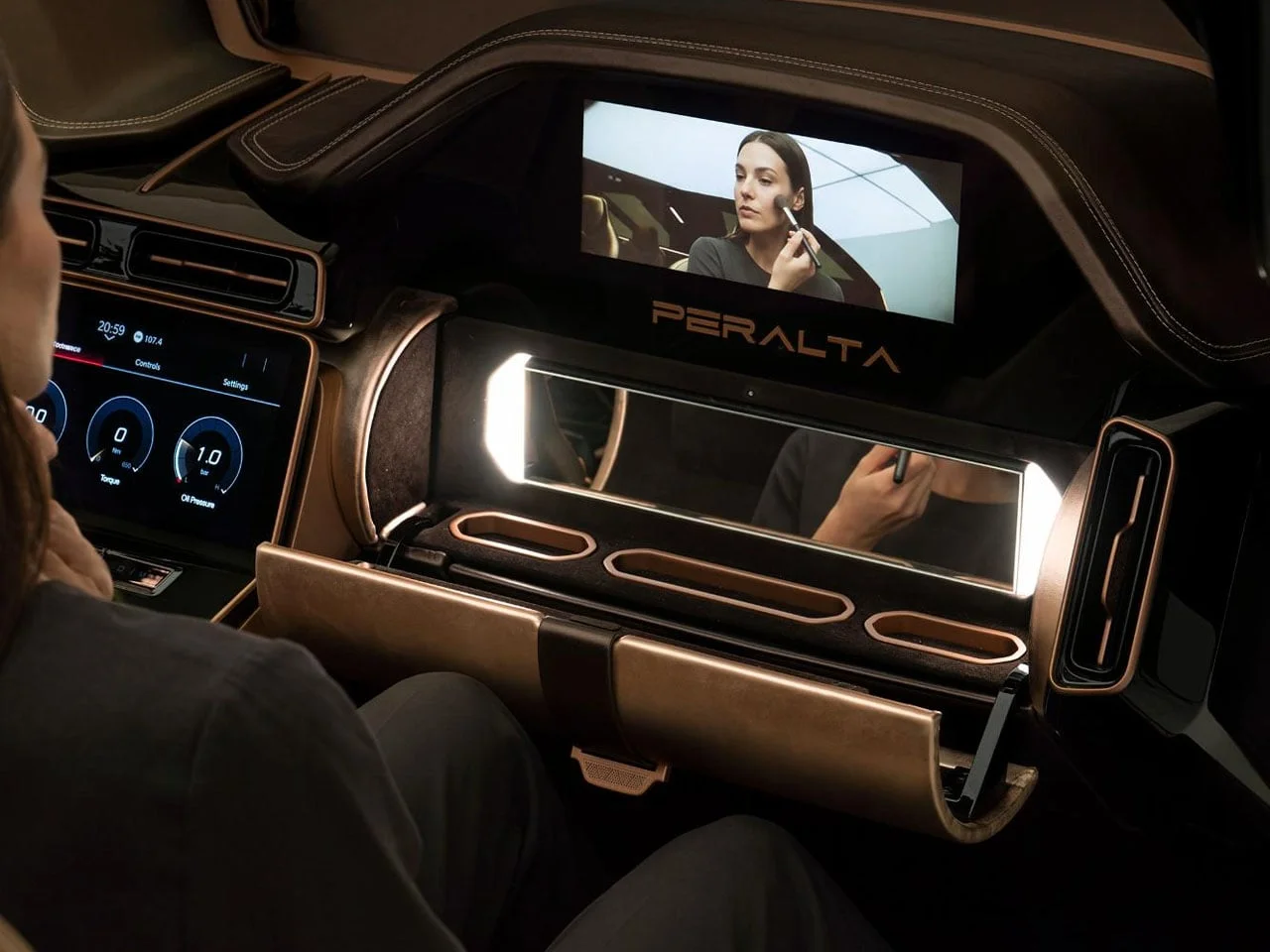
Inside, metallic-effect leather and perforated Alcantara sit alongside stitching made with real copper thread. The owner-specific details are just as pointed: a makeup station with storage and an illuminated mirror occupies the passenger side of the dashboard, and a retractable refrigerator in the rear centre console is sized for a champagne bottle and four copper glasses. These features give the cabin a clear audience and purpose. They’re not generic luxury cues; they answer to the commission’s personal brief, while extending the exterior’s copper motif into the objects occupants touch.
And this is the part most people overlook: personalization here isn’t limited to a nameplate or a choice of upholstery. The cabin’s fittings describe how the owner expects the car to be used and shared. A makeup station and a drinks setup make the interior feel closer to a private, carefully staged space than a standard grand tourer. The details may be highly specific, but they reveal what bespoke work can do when the brief reaches beyond appearance.
GranTurismo foundations, one-off purpose
Underneath the bespoke body, the Peralta D retains the GranTurismo’s carbon-fibre structure and aluminium chassis. GFG has confirmed a combustion engine but hasn’t released its specifications or performance figures, leaving the car’s mechanical character less defined than its exterior and cabin. That gap limits what can be said about the driving experience. The known details point to a car built around transformation and personal expression, while the basic information needed to assess its powertrain remains undisclosed.
For a one-off, the balance of attention may be intentional. The project’s stated character comes through in the form, materials and bespoke cabin, not in a set of performance claims. Still, a grand tourer is more than its appearance: how the engine, chassis and body work together would shape whether the car’s visual drama is matched by its road manners. On that question, the public details leave room rather than offering an answer.
That open question matters less to the project’s purpose: the Peralta D is a single commission with no production plans. Its clearest achievement is the way it brings traditional metalworking, Giugiaro’s geometric design cues and highly personal cabin features into one coherent object. The car makes the case for coachbuilding as a form of authorship, with the GranTurismo’s familiar platform serving as a starting point rather than a template. This is more significant than it looks: the platform supplies a foundation, but the commission’s identity comes from choices that reshape how the whole car is seen and entered.
What the commission says about coachbuilding
The Peralta D illustrates why bespoke cars occupy a different category from factory personalization. A custom finish changes a surface; a coachbuilt commission can reorganize the relationship between body, cabin and owner. Here, the copper treatment, moving canopy and dedicated interior features all point in the same direction. The coherence is the achievement, though the absence of mechanical detail means the car’s full character can’t yet be judged from the information available.
If you’re working in this space, the useful lesson is that a strong commission needs a clear idea that can guide both visible and functional decisions. The Peralta D’s idea is ceremony: copper makes craft legible, the canopy turns entry into an event, and the cabin reflects the owner’s use. That said, spectacle alone doesn’t settle questions of comfort, practicality or performance. The project shows the design ambition; its one-off status means it won’t establish how easily the approach could translate to other cars.
For now, the Peralta D is best understood as a statement of authorship built around an existing Maserati foundation. A remarkable object, with unanswered questions.
The post Copper-clad Maserati GranTurismo brings handcrafted luxury + gullwing doors to a bespoke grand tourer first appeared on Yanko Design.



Discussion
Sign in to join the discussion.