The Fry Mark mouse pairs McDonald’s fries packaging with a casing made partly from old Happy Meal toys, selling in China for 99 yuan.
A familiar package becomes a desk accessory
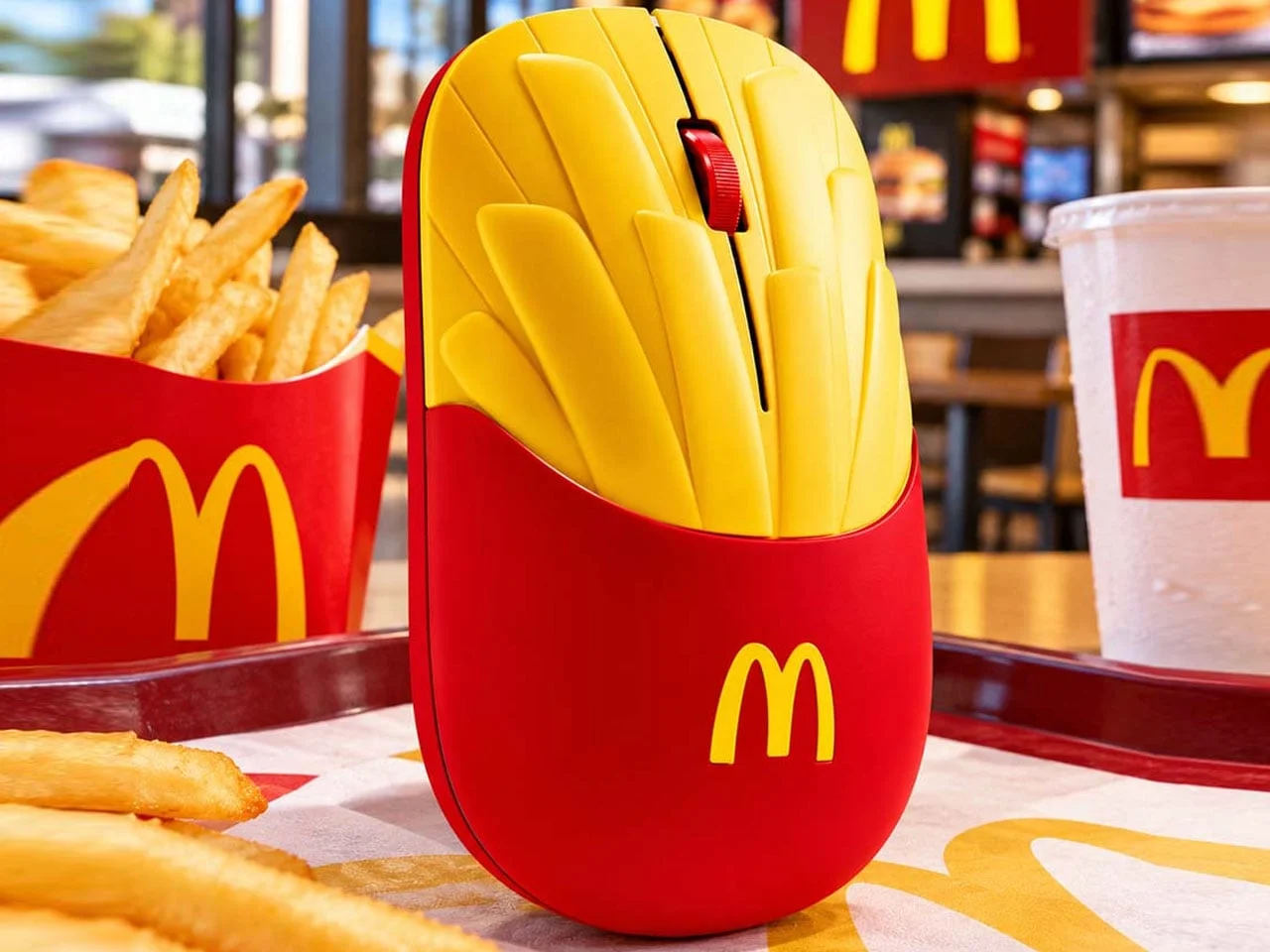
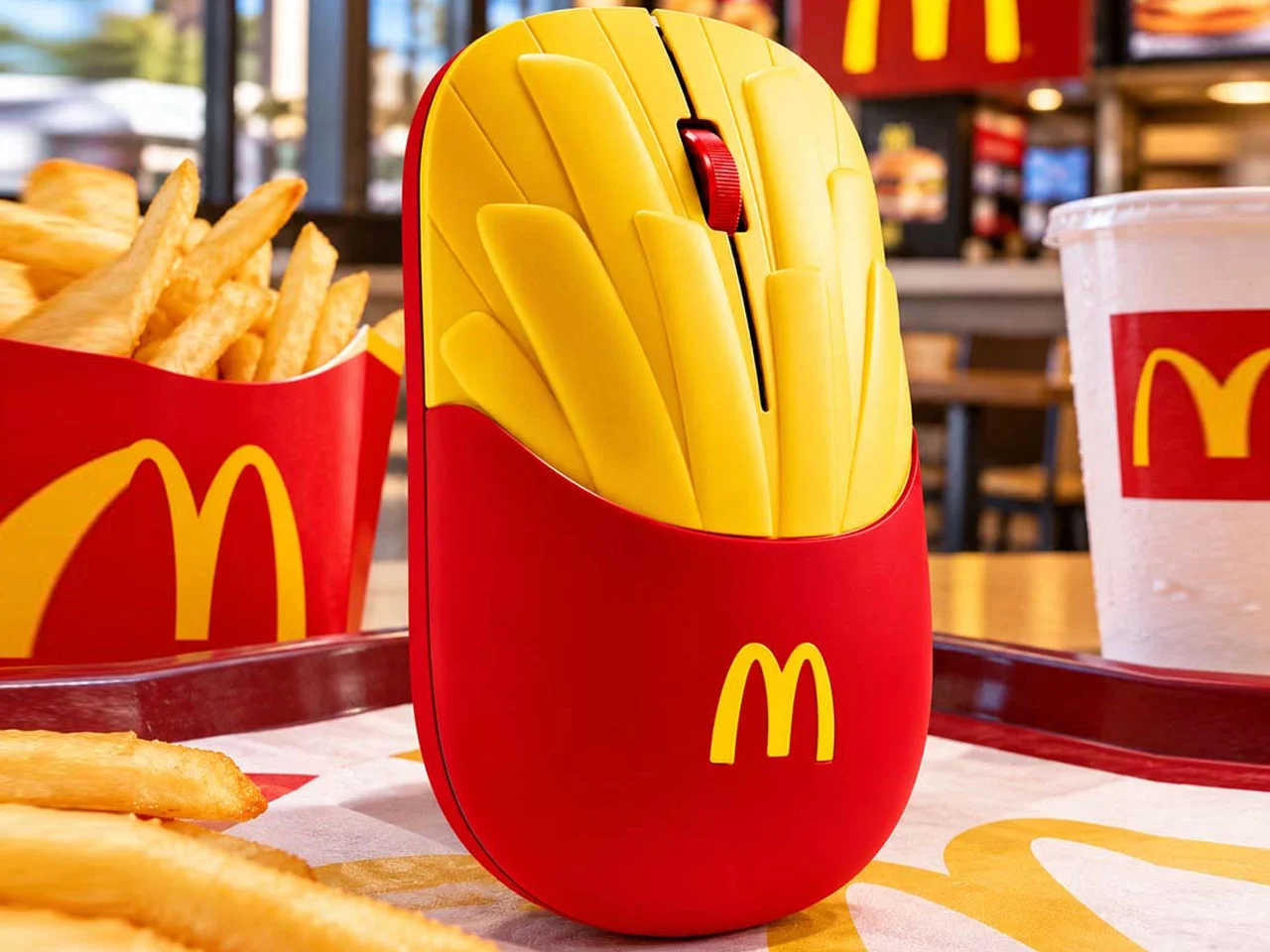
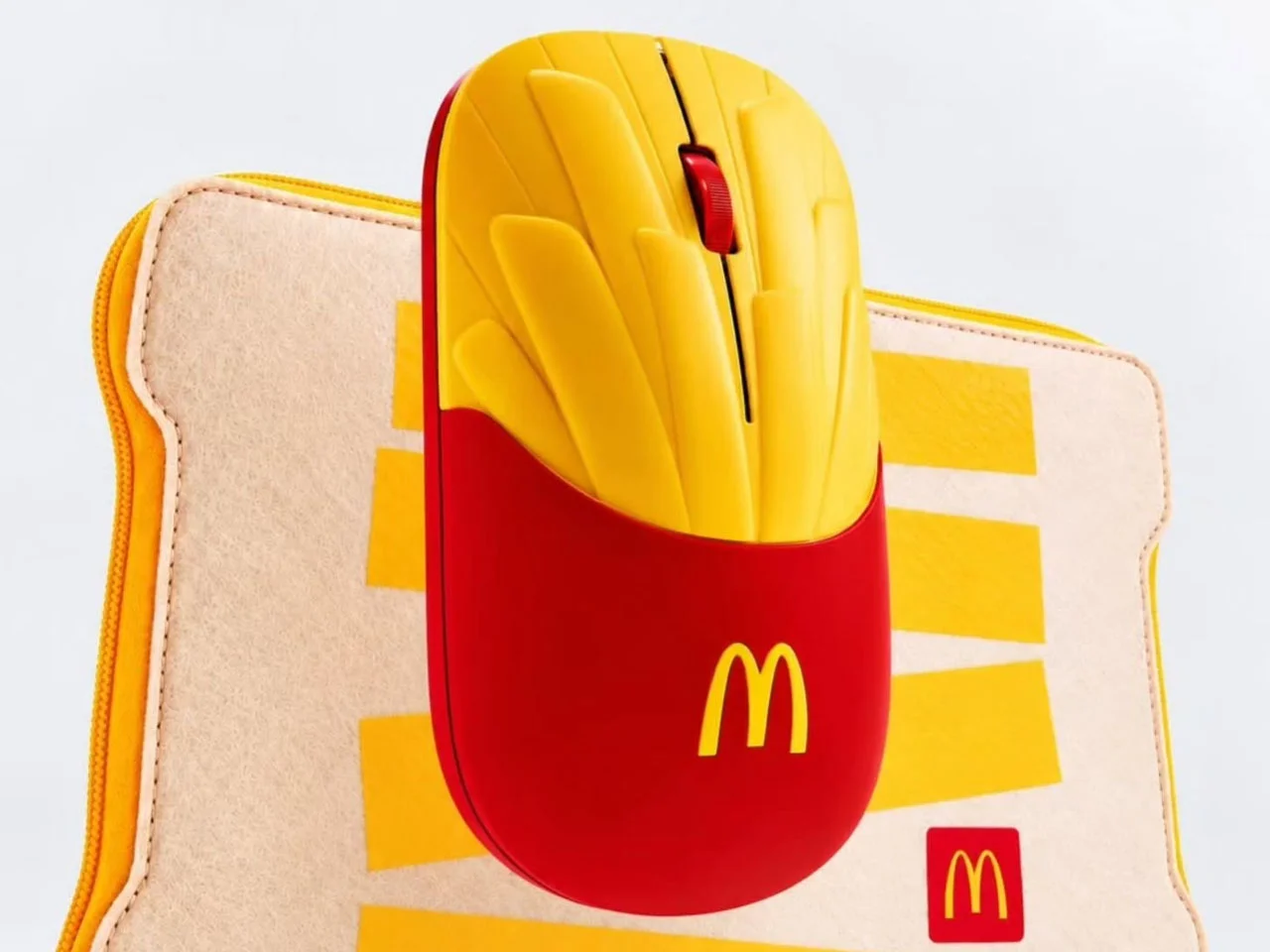
McDonald’s China and Lenovo have turned a familiar fast-food package into a limited-run computer accessory. Called the Fry Mark, the wireless mouse takes the shape of a McDonald’s French fry carton, with more than 60 percent of its outer casing reportedly made from plastic recovered from collected Happy Meal toys. The idea links a recognizable piece of packaging to a practical use for discarded promotional items, giving the product a story that reaches beyond its unusual silhouette.
That story is doing real work here. A mouse is a familiar product category, and the published specifications describe standard ways to connect and adjust it. The distinguishing feature is the material and the shape: old toys become part of a new object that’s meant to sit in view on a desk. For a limited release, that combination can make the item feel more distinctive than another branded accessory with a logo added after the fact. Whether it’s useful enough to keep there is a separate question.
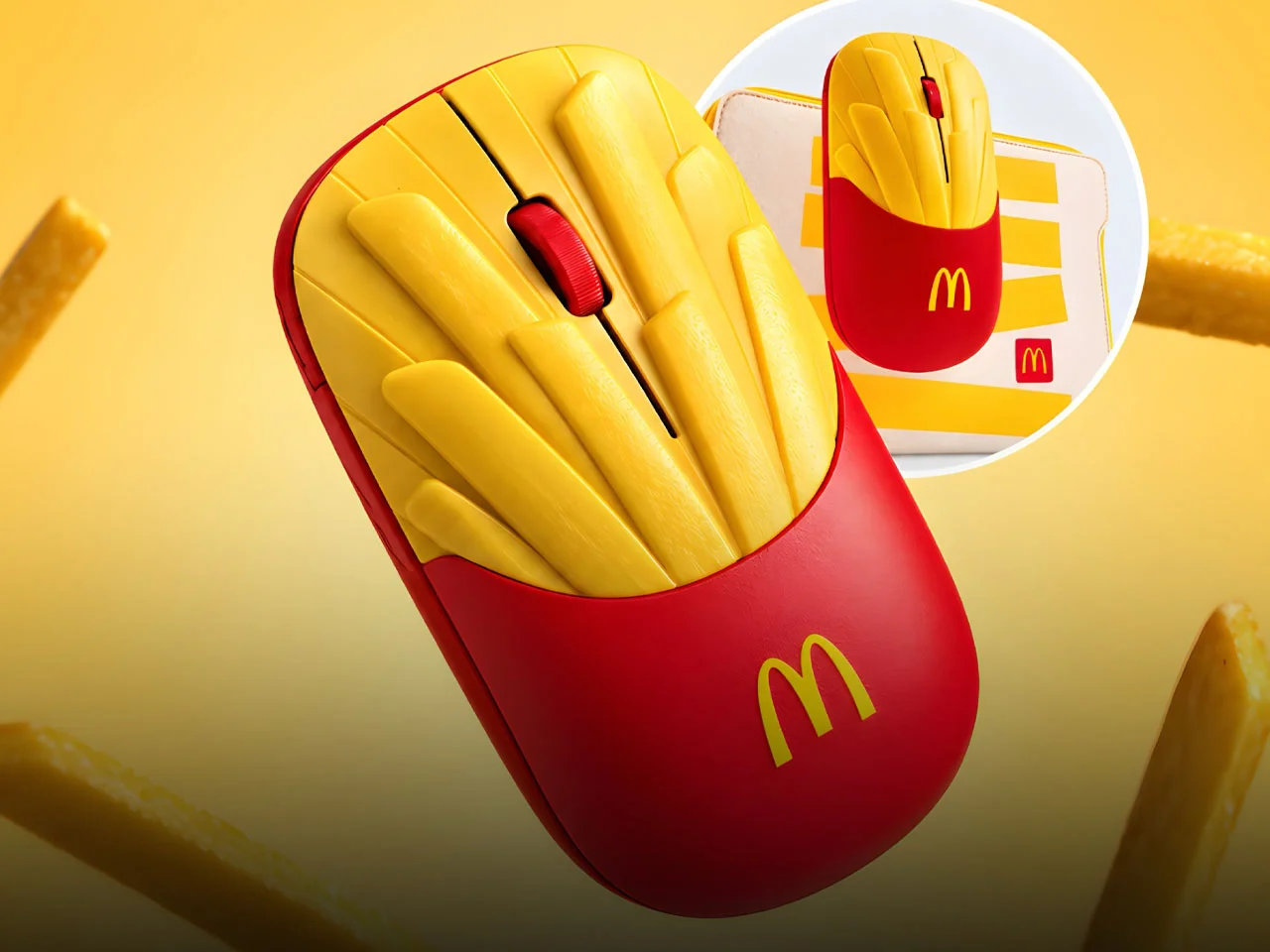
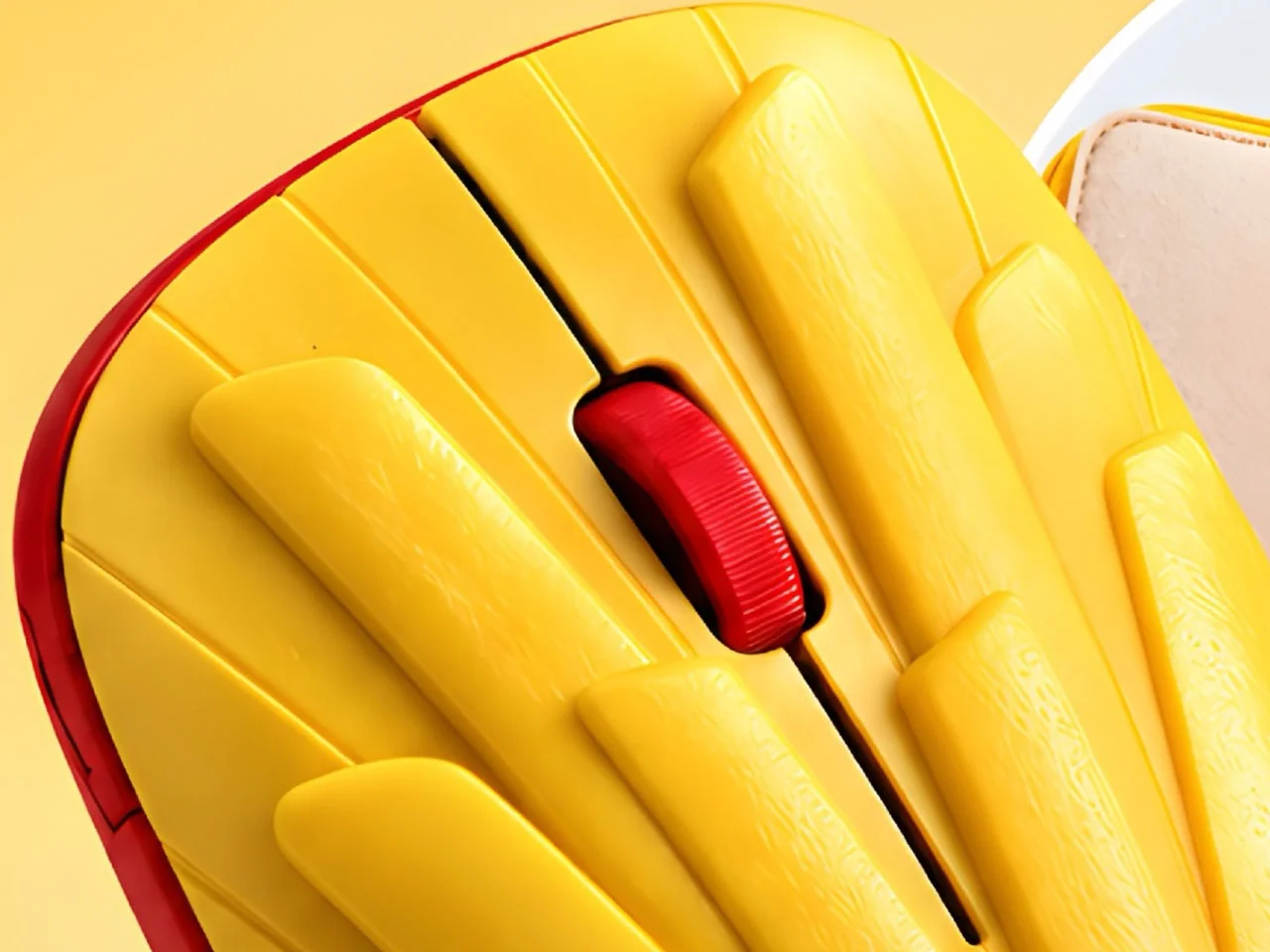
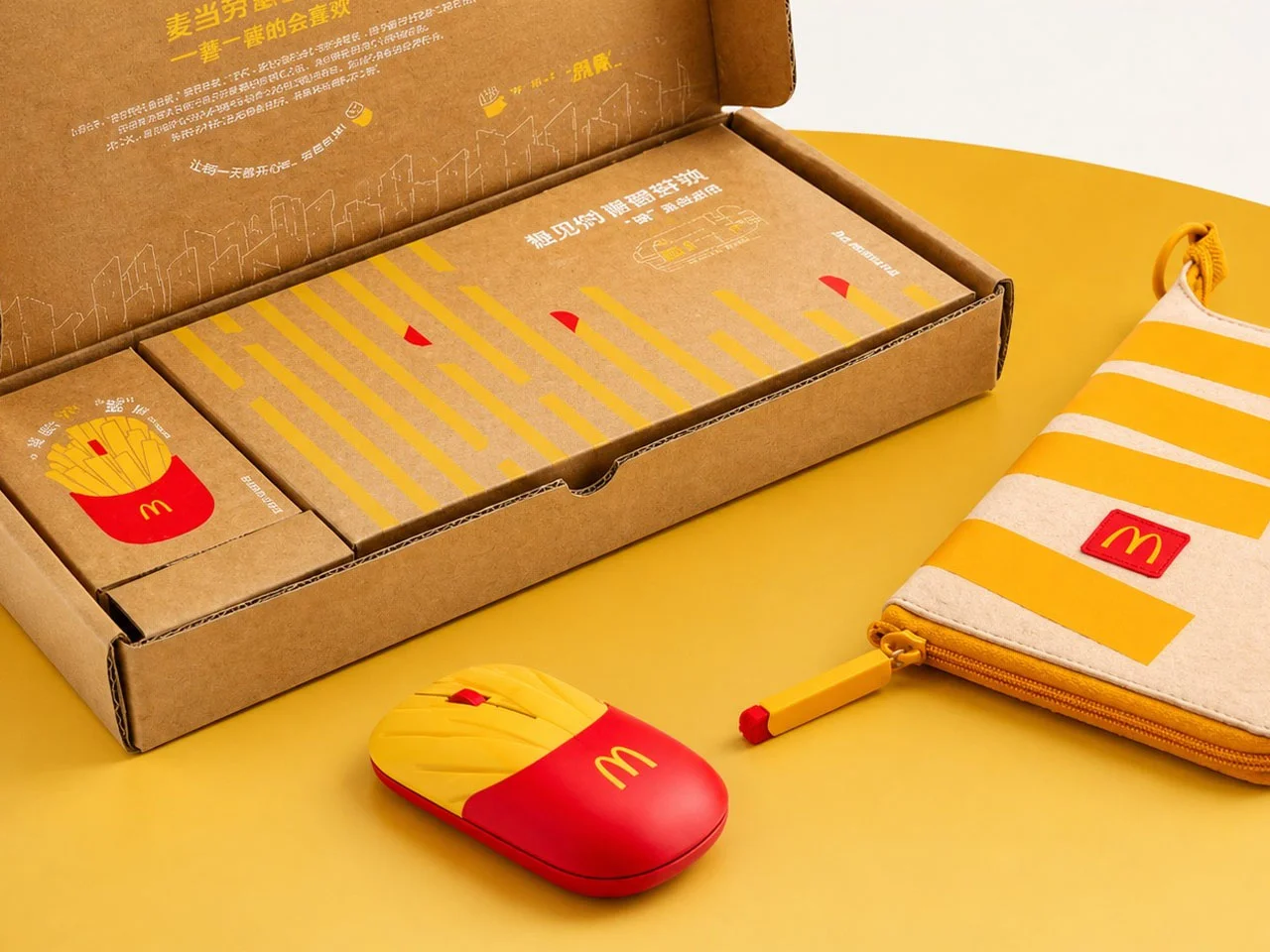
The red-and-yellow design follows the original packaging closely: golden fries form the top shell, while the Golden Arches sit at the base. That’s a strong visual shorthand, and it makes the mouse as much a collectible as a desk tool. The design doesn’t ask the buyer to decode a subtle reference; the fast-food connection is immediate. That recognizability is part of the product’s appeal, though it also means the shape has to work as something held and moved, not just something photographed.
The mouse extends McDonald’s China’s “Reimagine Good Things” program, launched in 2021 to find new uses for old Happy Meal toys. Earlier products from the initiative include trays, flower pots, plush toys and employee uniforms. The list suggests a broad approach to reuse, with collected toys serving as material for objects in different settings. The Fry Mark puts that idea into a small electronic accessory, where the source material becomes part of a product customers can interact with every day—assuming the ergonomics hold up.
That’s a more tangible pitch than simply saying a product is made with recycled material. The company has attached the claim to a specific source: collected Happy Meal toys. Still, the reported share covers more than 60 percent of the outer casing, not necessarily the whole mouse. The detail helps define what the reuse claim means, while leaving other questions about materials and production unanswered.
Designer: McDonald’s
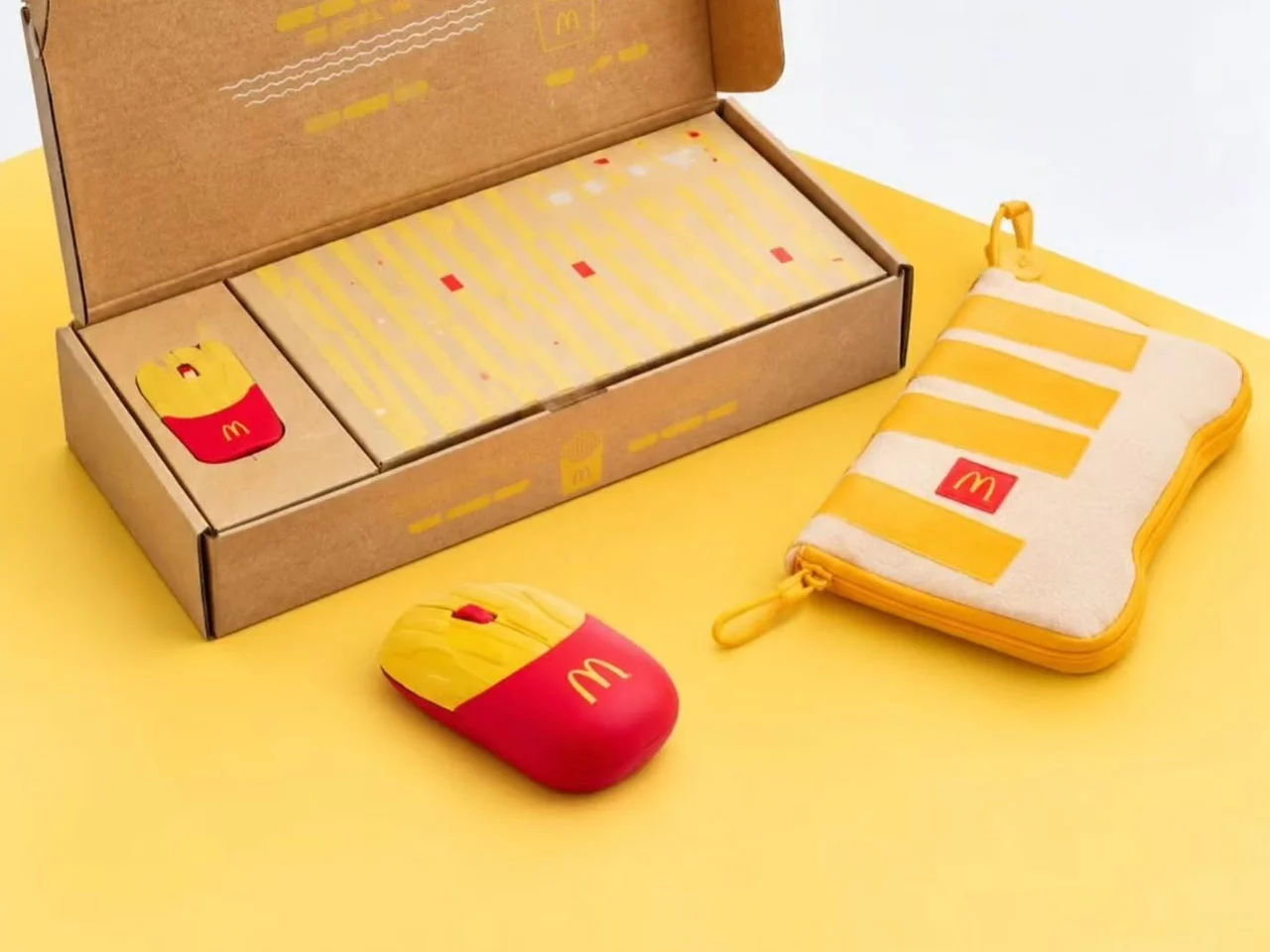
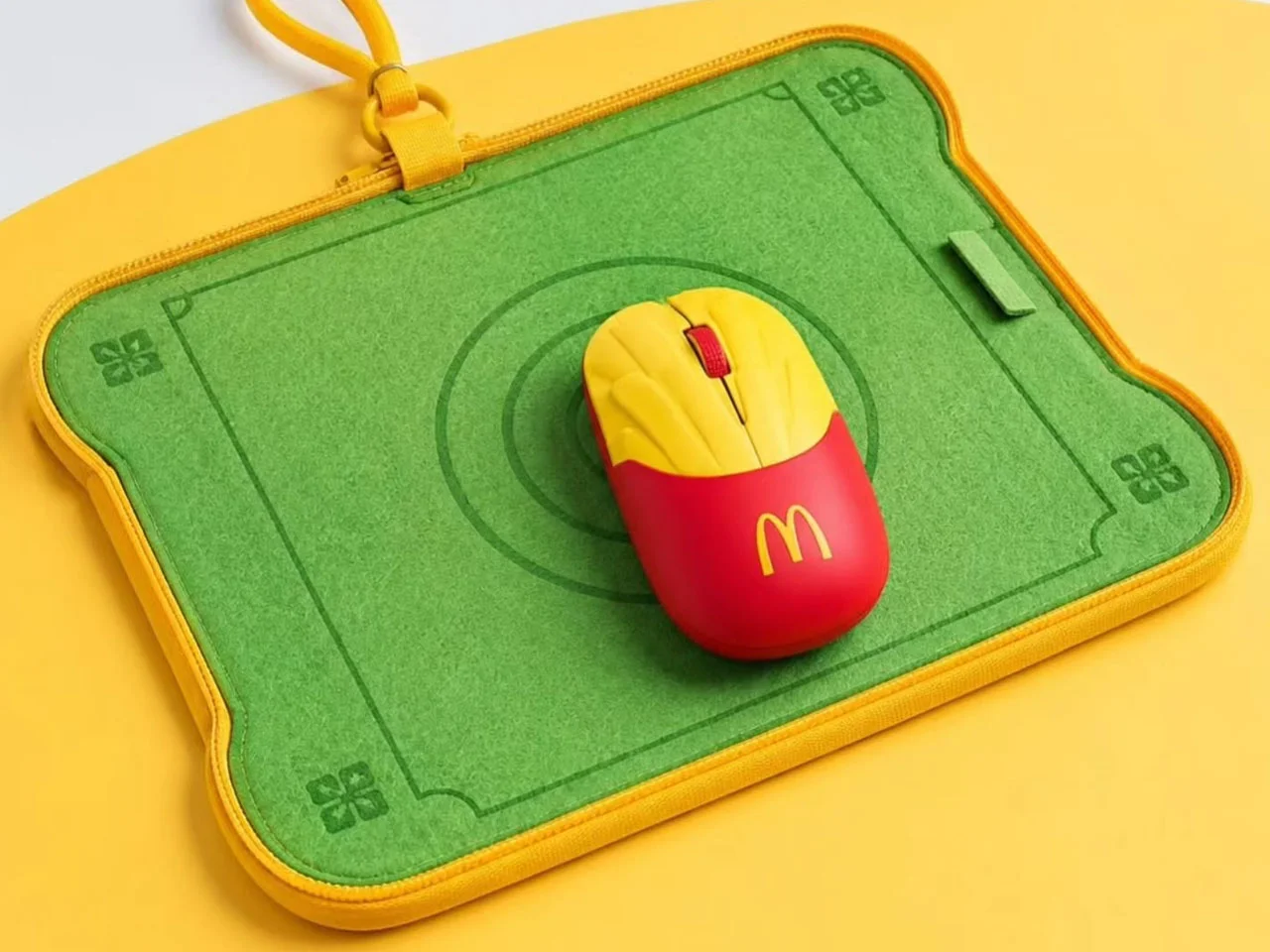
Desk features, with comfort still untested
The Fry Mark has quiet-click buttons, a rechargeable 380mAh battery and three adjustable DPI sensitivity settings. It supports Bluetooth and 2.4GHz wireless connections, and comes with a pouch that unfolds into a matching mouse pad. Taken together, those details cover basic expectations for a wireless mouse: a choice of connection, adjustable sensitivity and a way to recharge it. The matching pad also makes the package feel considered as a set, rather than as a novelty object sold on shape alone.
But specifications can only tell a reader so much. The published details don’t say how accurately the mouse tracks, how long a charge lasts, or whether its carton-like form stays comfortable through a full workday. Quiet clicks may suit shared spaces, but that feature doesn’t answer questions about the size, grip or placement of the buttons. Those are the details that distinguish a desk collectible from a tool someone chooses to use every day.
Here's the thing: an eye-catching shell can attract attention, then become a distraction if it makes ordinary work less comfortable. The Fry Mark’s shape might be a conversation starter, but the available information doesn’t establish how it feels after hours of use. For now, its visual character is clearer than its credentials as a regular work mouse. A product can be both charming and impractical. That tension is the review.
A small, China-only release
McDonald’s China offered the mouse through its mobile app and WeChat mini program on October 22 and 23, 2026. It cost 99 yuan, about US$14, plus 18 member points. The company made 4,000 units available, divided evenly between the two sale days, and limited purchases to two per customer. More than 6,000 people had reportedly registered interest before launch.
Those figures describe a deliberately limited release, but they don’t prove how well the mouse works or how many customers ultimately bought one. Interest ahead of launch can reflect the novelty of the design, the brand connection or the recycled-toy story; the available information doesn’t separate those factors. The two-day sale and per-customer limit also frame the Fry Mark as a scarce branded item, which may matter as much to potential buyers as its day-to-day performance.
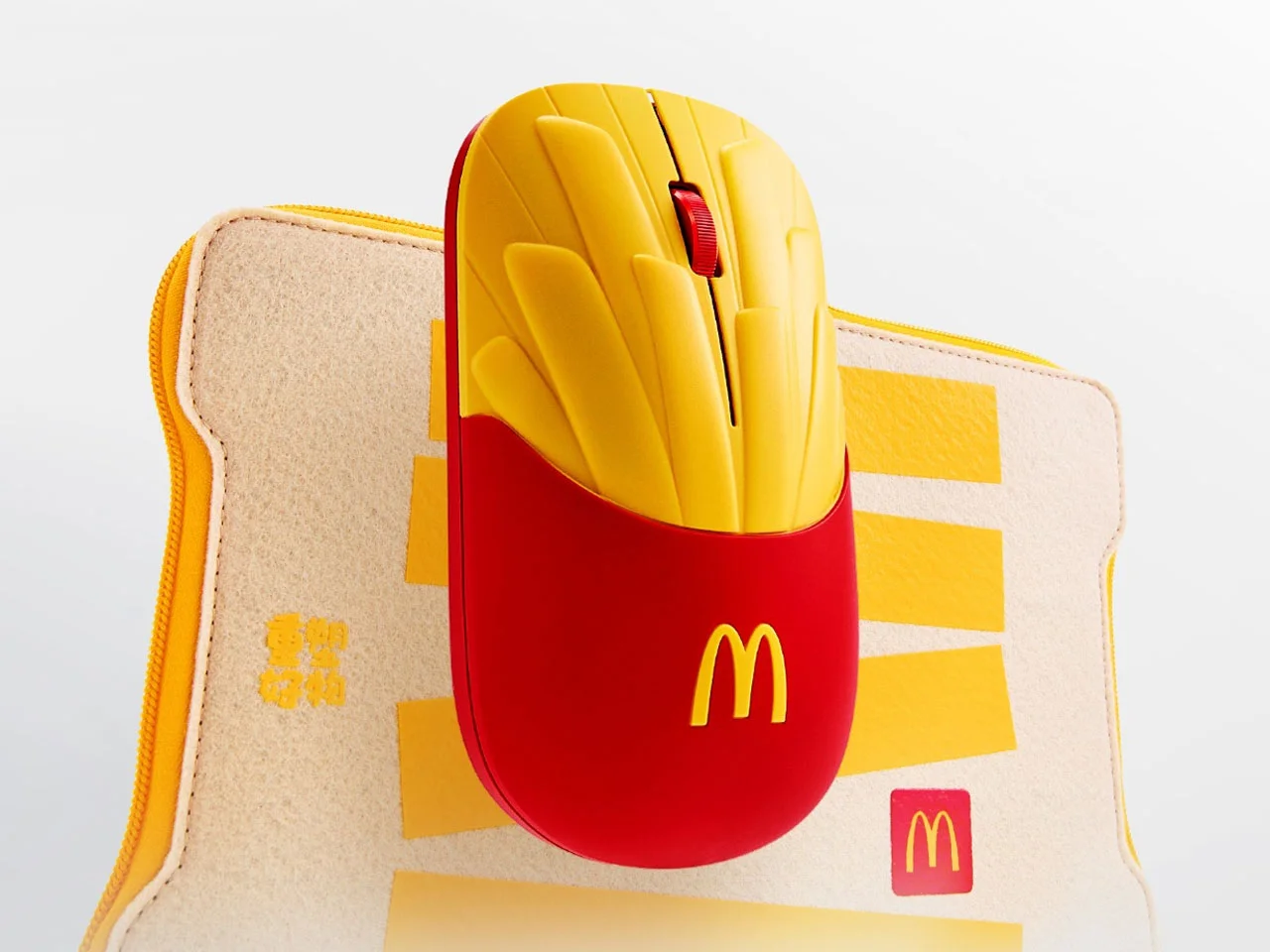
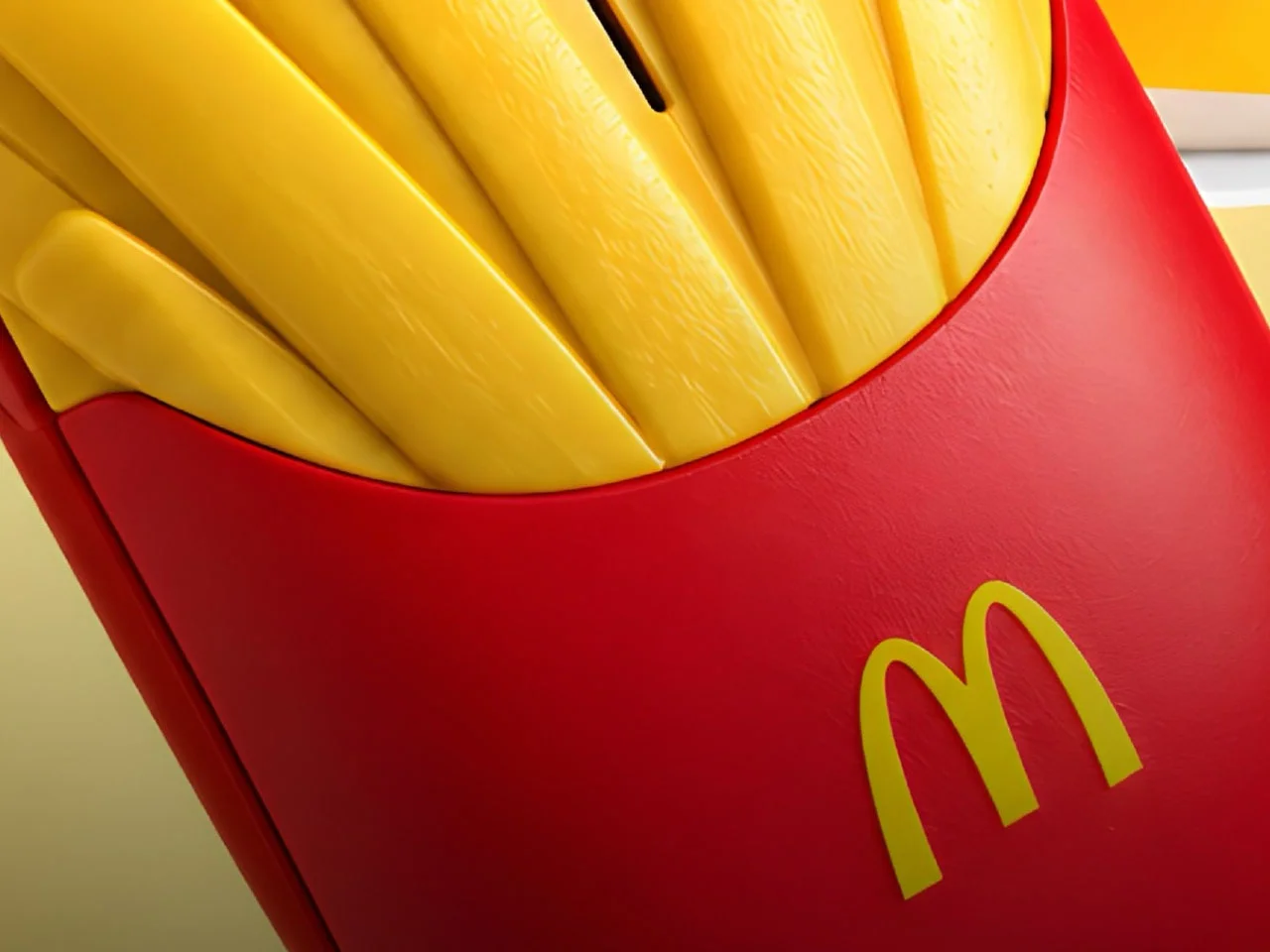
What the project says about reuse
The Fry Mark is currently exclusive to China, and no international release has been announced. Its mix of recycled material and unmistakable packaging gives an everyday accessory an unusual second life. That’s a smart way to make reuse visible: the object carries a connection to the items it’s made from, rather than leaving that history hidden in a materials description. Still, the scope of the claim matters. The reported figure concerns the outer casing, and the article doesn’t provide further details on the product’s full material makeup or what happens to it at the end of its useful life.
This is more significant than it looks, though not because one mouse settles larger questions about waste. It shows how a company can turn an existing collection program into a product with a clear identity and a reason for customers to pay attention. The harder test is whether that approach can make useful objects people keep using, rather than collectibles whose appeal depends mainly on limited availability and brand recognition. If you're working in this space, the practical lesson is that a reuse story lands best when the product itself earns a place in daily life.
And yet, the unresolved questions are basic ones: comfort, tracking and battery life. Without those details, the Fry Mark remains easier to assess as a branded design object than as computer equipment. A distinctive shape gets it noticed; performance will decide whether it stays on the desk.
The post McDonald’s China turns old happy meal toys into a french fry-shaped wireless mouse first appeared on Yanko Design.

Discussion
Sign in to join the discussion.