The Infinite Grove Pavilion by Chang Hao Studio uses reflective surfaces to challenge perceptions of nature, creating an immersive experience with a single tree.
Concept Overview
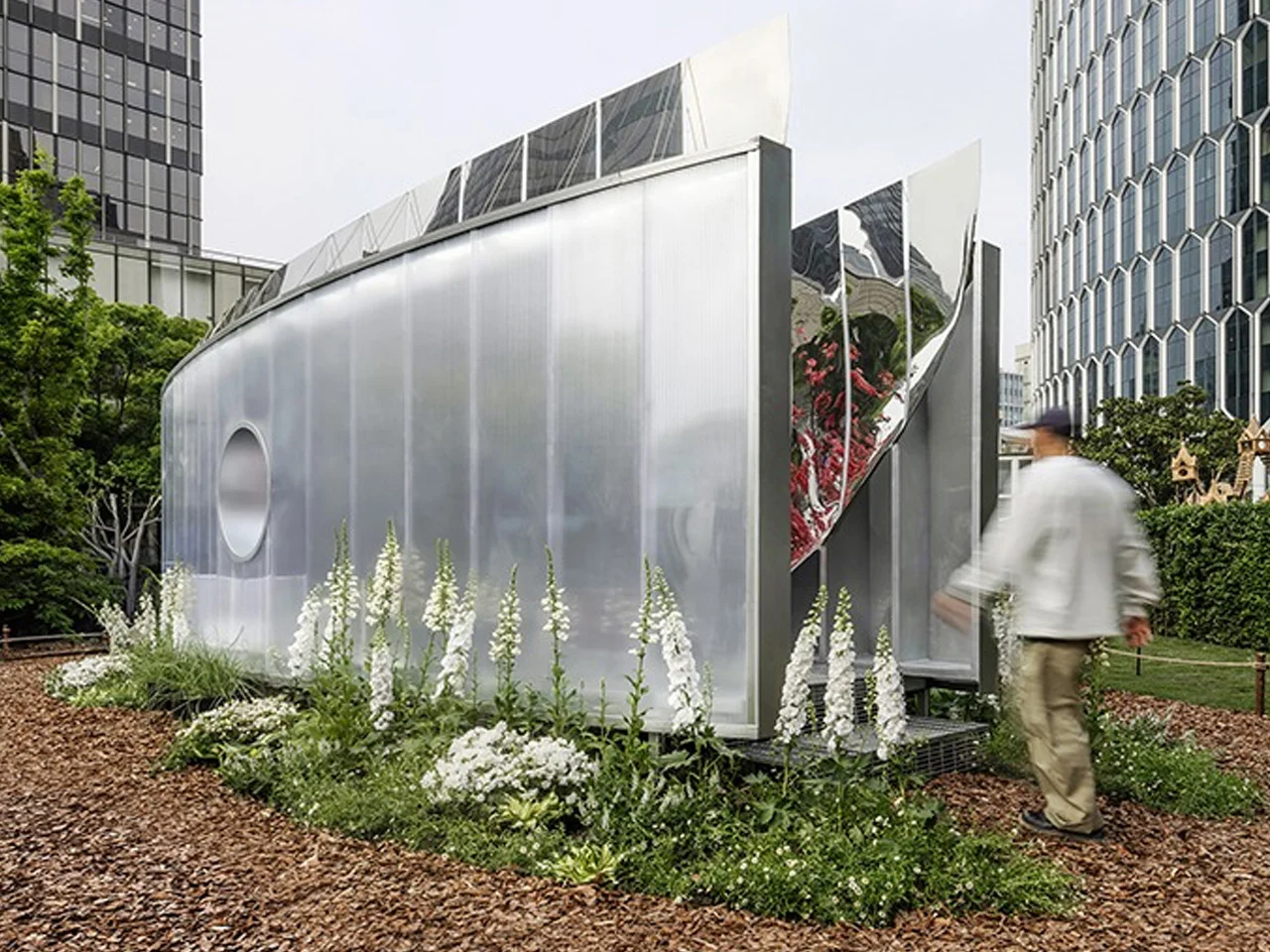
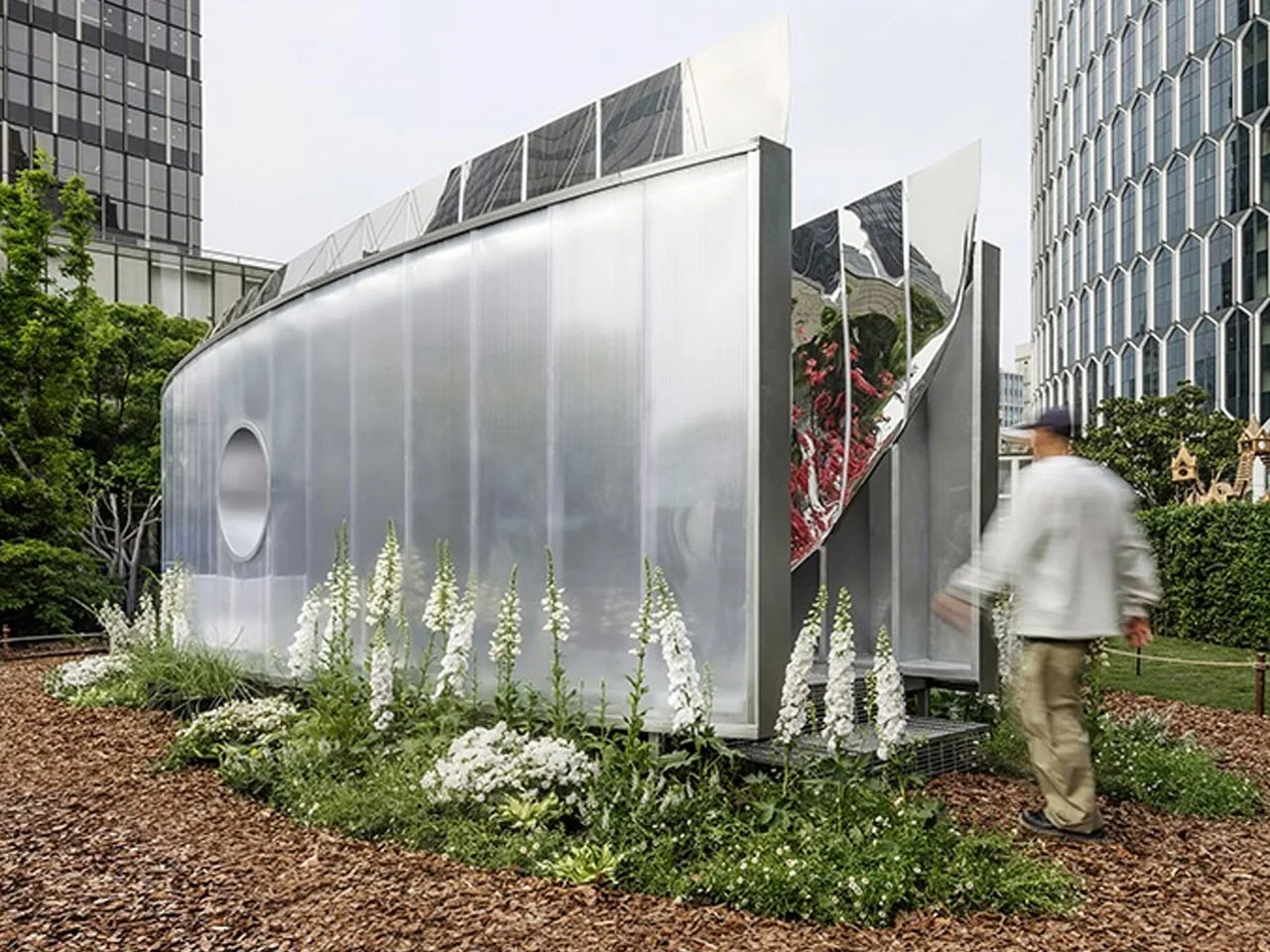
The Infinite Grove Pavilion, crafted by Chang Hao Studio, made its stunning debut during the 2026 Shanghai International Flower Festival. This exhibition isn’t just about displaying a tree; it’s a thought-provoking installation that invites introspection and conversation. By placing a solitary tree between two mirrored steel walls, the pavilion uses reflections to challenge and deepen visitors' understanding of nature. The idea is deceptively simple: positioning the tree to achieve an almost infinite array of its reflections can fundamentally alter one’s perception of scale and presence in the natural world.
Engaging Geometry
As visitors approach the pavilion, they're greeted by an intriguing geometry formed by the curving walls. This design isn’t merely aesthetic; it serves a critical role in the reflection process. The curvature of the walls beautifies the pavilion while capturing the tree's image, which is reflected back and forth, creating an optical experience that's immersive and mesmerizing. It’s far more interesting than traditional flat mirror setups, where reflections appear lifeless and static. Here, the design crafts a dialogue between the real and the reflected, blurring the lines between nature and illusion. Visitors are encouraged to linger, prompting them to reassess their perceptions in this space where nature and art converge. As they navigate through the often distorted reflections, they engage in a personal reinterpretation of what they see, providing an experience that is subjective for each viewer.
Dynamic Installations
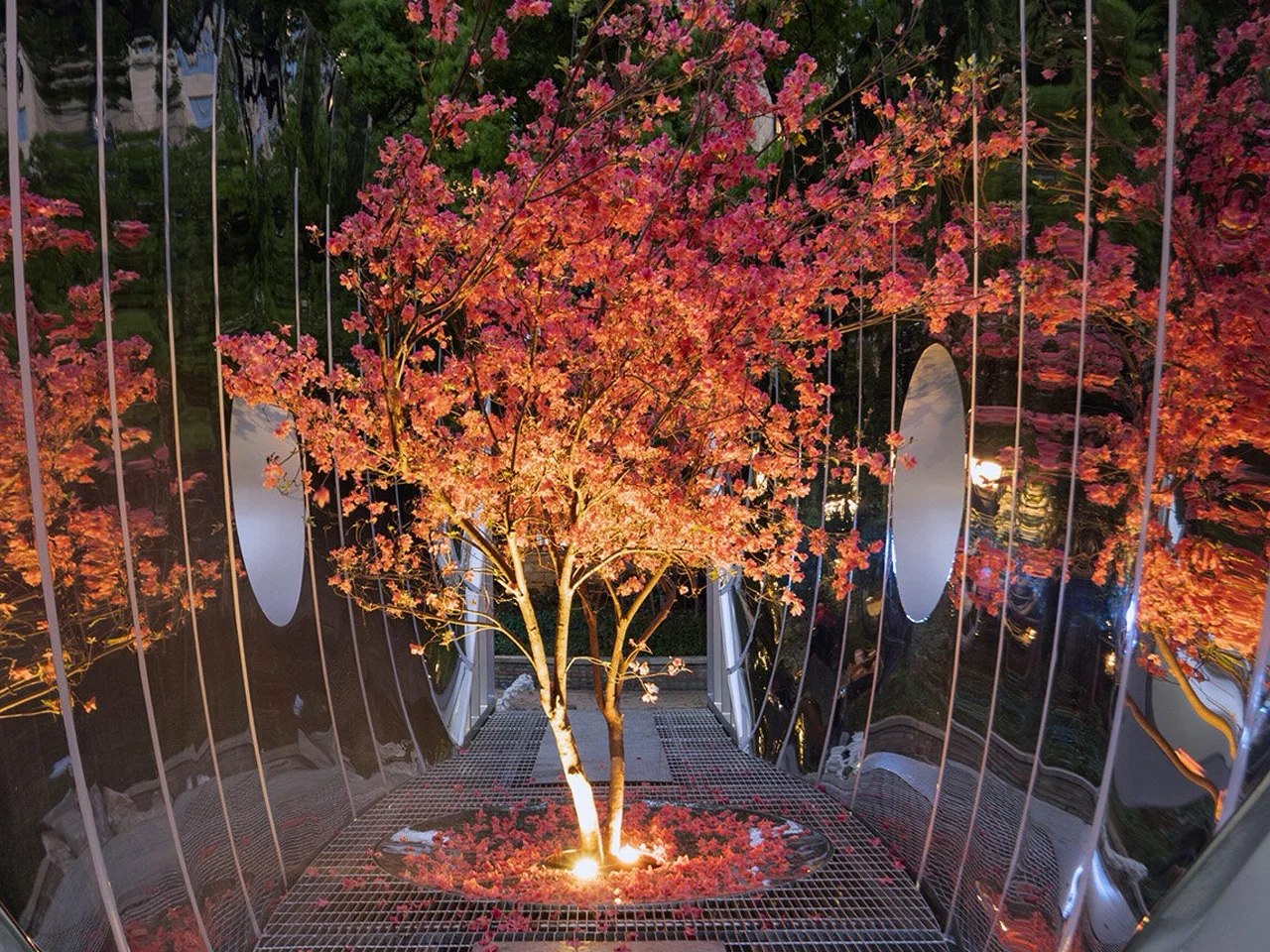
The pavilion is not a one-size-fits-all endeavor; it adapts beautifully to its environment by hosting different trees at each installation site. This adaptability is significant, as each tree introduces a unique character and essence to the pavilion, reshaping how visitors interact with the mirrors. For example, the flowering azalea was showcased in the spring, bringing vibrant colors and textures that contrasted with the polished steel, highlighting the pavilion's innovativeness. This method of installation not only maintains a fresh perspective each time but also reinforces the concept that the pavilion transforms dynamically with its surroundings. It’s a living artwork, evolving alongside the changing seasons and local flora. For anyone interested in contemporary art, this fluidity offers a chance to witness the art piece evolve — a pretty compelling draw for return visitors.
Considerations and Queries
Despite its allure, the Infinite Grove Pavilion isn’t without its practical challenges. Questions linger regarding the pavilion’s design — specifically, the dimensions of the mirrored panels and their surface finishes. These factors are of paramount importance, especially as the structure relocates to different settings. Wear and tear, including fingerprints and scratches from visitor interactions, pose maintenance issues at each new site that can't be overlooked. That’s the part most people overlook: the delicate balance between an artistic installation and the practicalities of conservation. Accessibility also comes into play; the circular entrance needs to accommodate a diverse range of visitors, including those with disabilities. Plus, glare assessments are crucial for pedestrians in the vicinity. If you're working in this space, considering these details early on can make all the difference in viewer experience and functionality. Lastly, how any installation impacts local wildlife must be addressed to ensure that this engagement with nature doesn't come at a cost to the ecosystem surrounding the pavilion.
Reflection on Nature
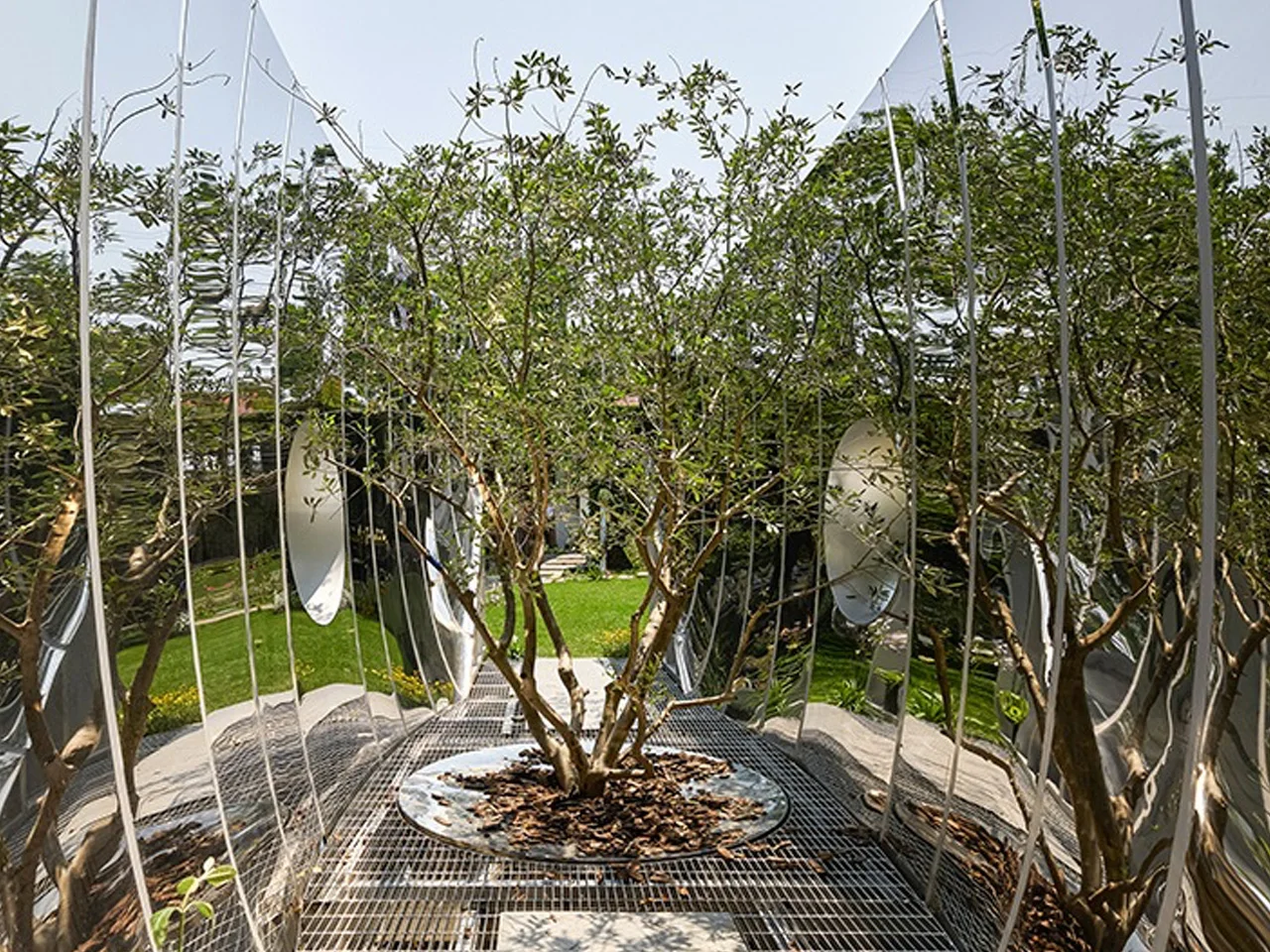
At its core, the Infinite Grove Pavilion serves as more than an artistic statement; it’s a spatial exploration that employs familiar materials to delve into philosophical conversations about nature. The installation prompts observers to question whether experiencing a single tree or many is merely a matter of focus and perception. The reflections can serve as a mirror to one’s thoughts, offering a layered understanding of existence and presence in nature. This exhibition captivates viewers through its aesthetic appeal, inviting them to engage deeply with both the artwork and their own perceptions. The pavilion is not just a passive observation point; it’s an interactive study of our relationship with nature, making it a noteworthy feature of contemporary environmental art.
Implications and Future Outlook
The Infinite Grove Pavilion might seem like a niche installation at first glance, but its implications reach far beyond its site-specific occurrences. This kind of artwork encourages public engagement with nature and artistic expression in a way that is increasingly necessary in urban environments. As cities become more concrete and less green, these types of installations can act as reminders of the beauty and complexity of natural ecosystems. They serve as calls to reflection — not just about nature, but about our own relationships with it.
Looking ahead, the success of the Infinite Grove Pavilion may set a precedent for similar installations worldwide, inspiring other artists and designers to explore the intersection of art, technology, and nature. This model of adaptability could lead to even more interactive and transformative experiences, urging people to reflect not only on the artwork but also on their societal and environmental responsibilities.



Discussion
Sign in to join the discussion.