Tom Pearson's latest collection showcases a hands-on approach to furniture design, merging creative process with structural integrity in a playful yet deliberate manner.
A Deeper Look at Tom Pearson's Collection
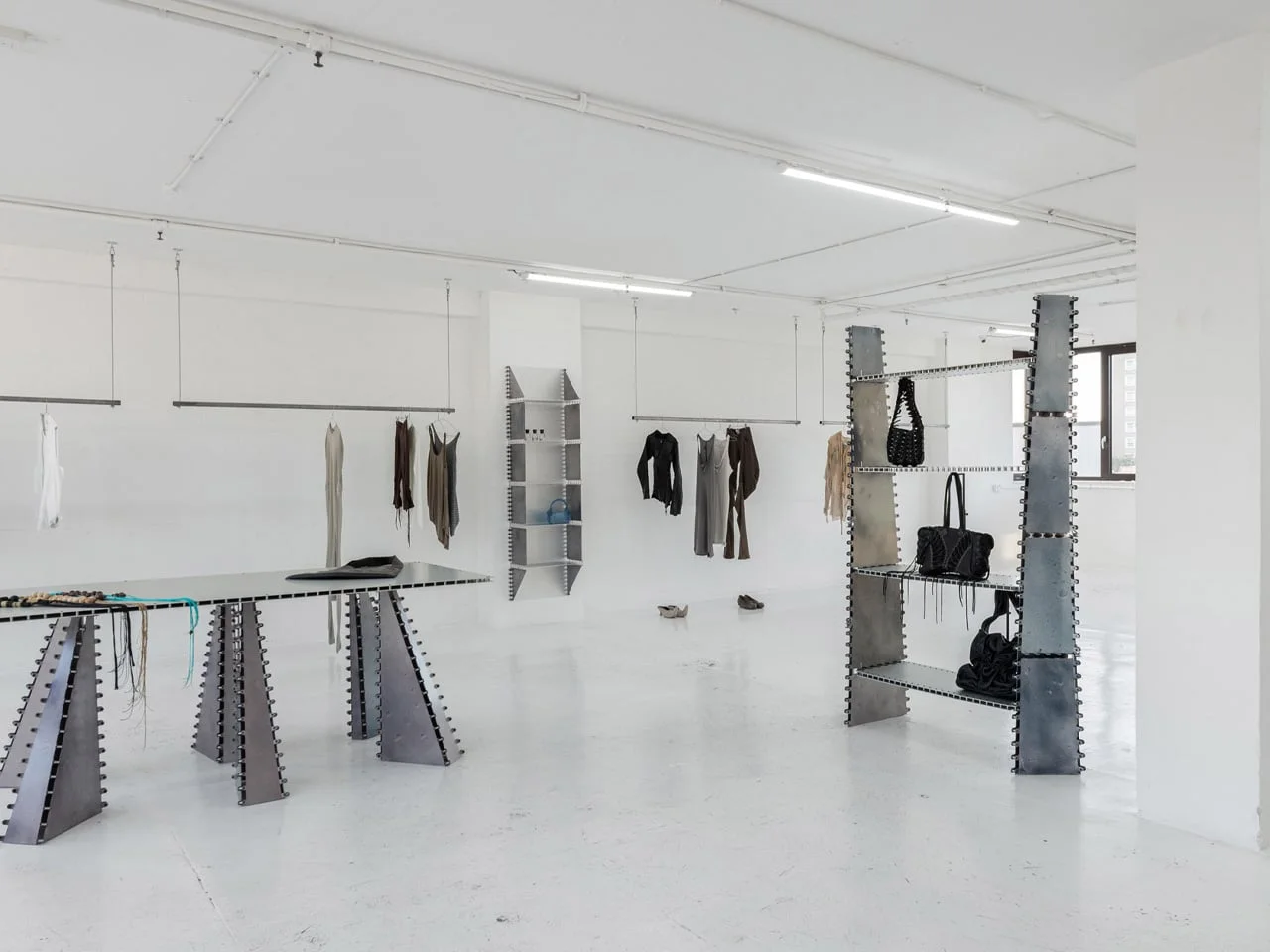
Tom Pearson's debut collection, currently showcased at London’s APOC store, doesn't just present a series of furniture pieces; it tells a story that intertwines form and function in profound ways. The choice to feature exactly 6,264 rivets isn’t just a quirky detail; it serves as an emblem of Pearson's approach to craftsmanship and the restraints of materials. This number, while seemingly arbitrary, encapsulates a layered narrative about the challenges artisans face and how those challenges become integral to the art itself.
In a design world often obsessed with perfection, Pearson's work asks us to embrace imperfections and the unique stories they tell. The collection invites viewers to reconsider the relationship between artists and their materials. Rather than shying away from limitations, Pearson turns them into focal points. This philosophy is what elevates his work from mere furniture design to a commentary on the act of creation itself. The collection serves as a reminder that beauty can stem from constraints, challenging our preconceived notions of what art should be.
Anodizing and Personal Touches
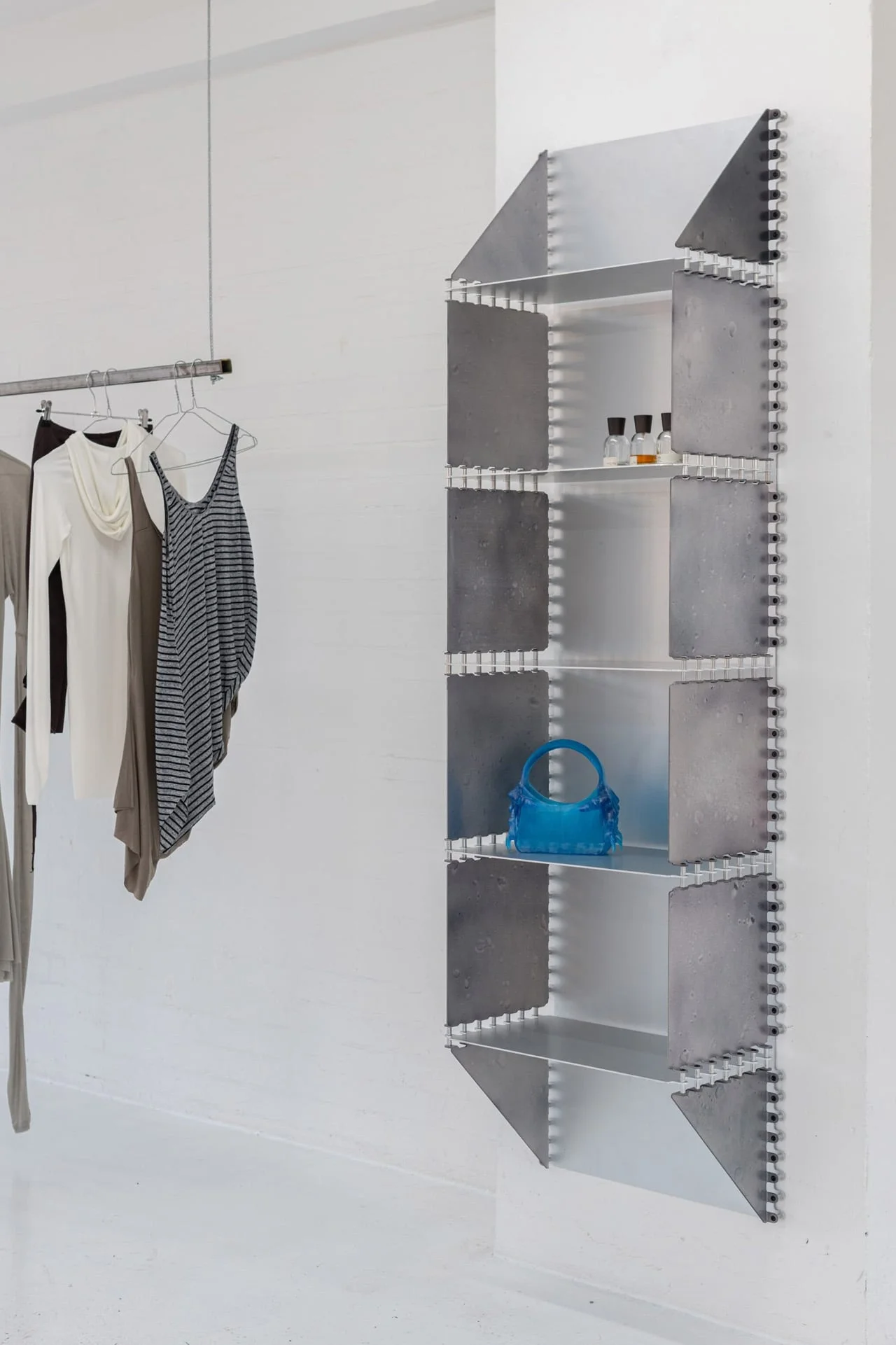
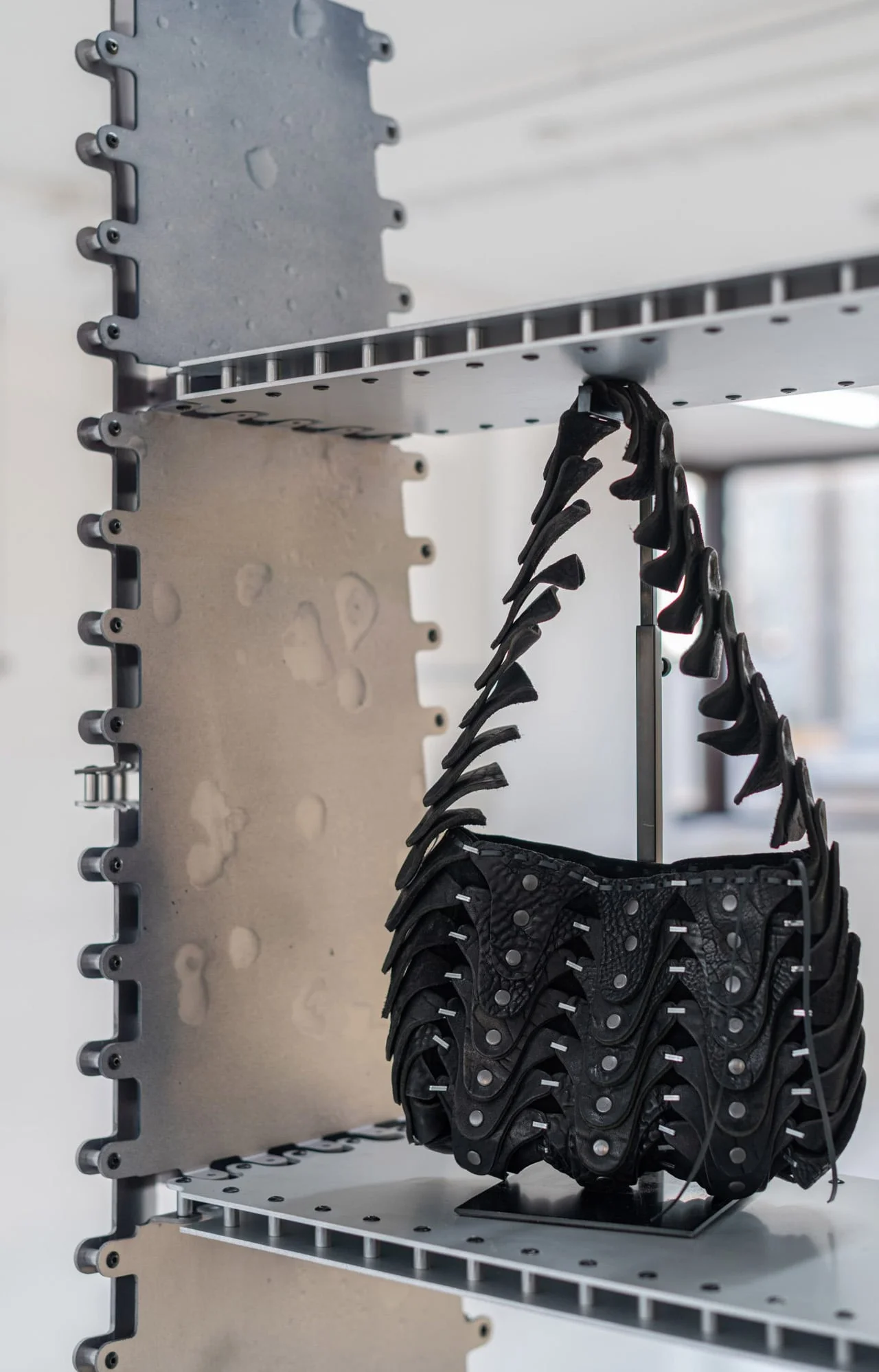
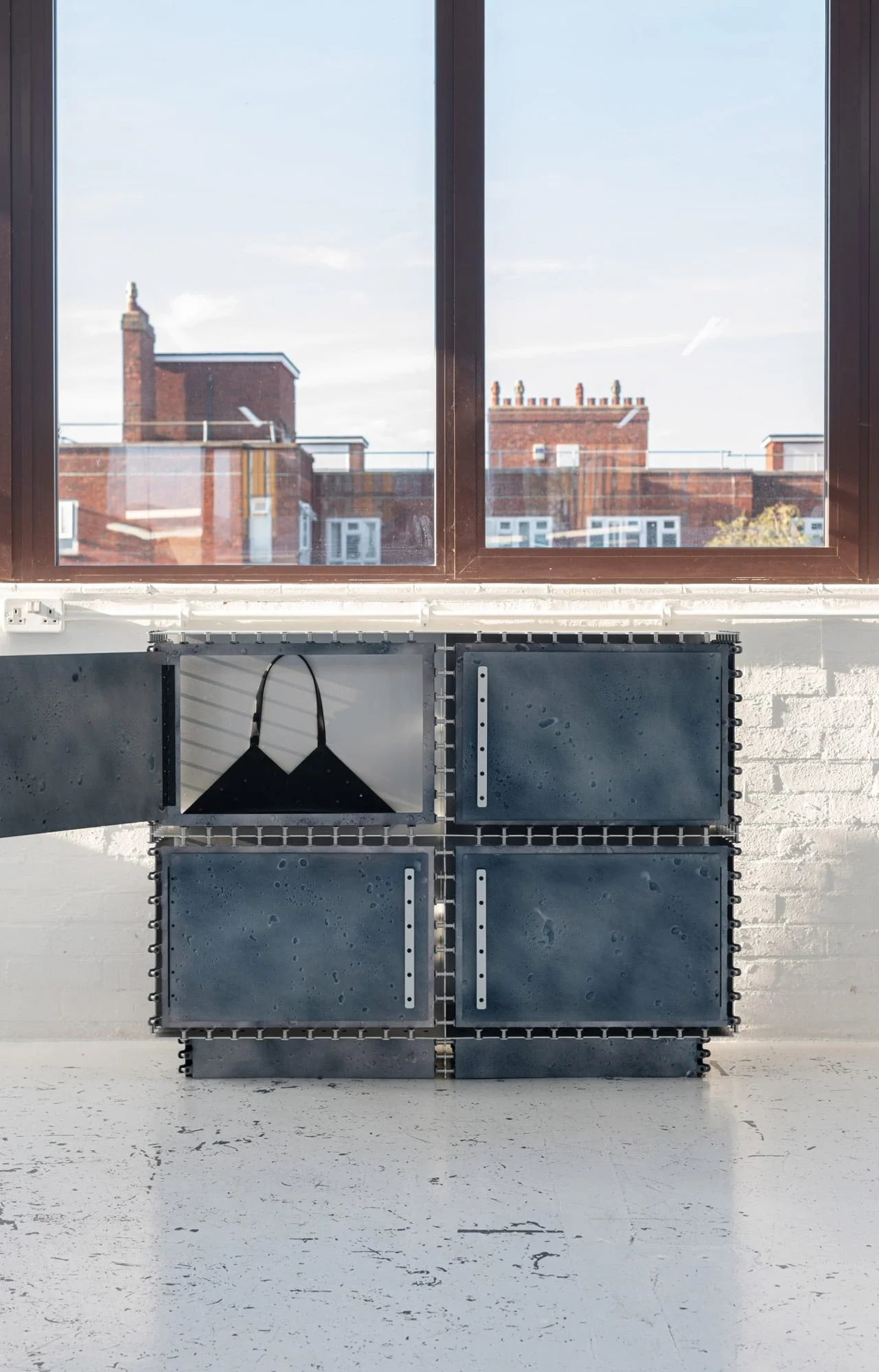
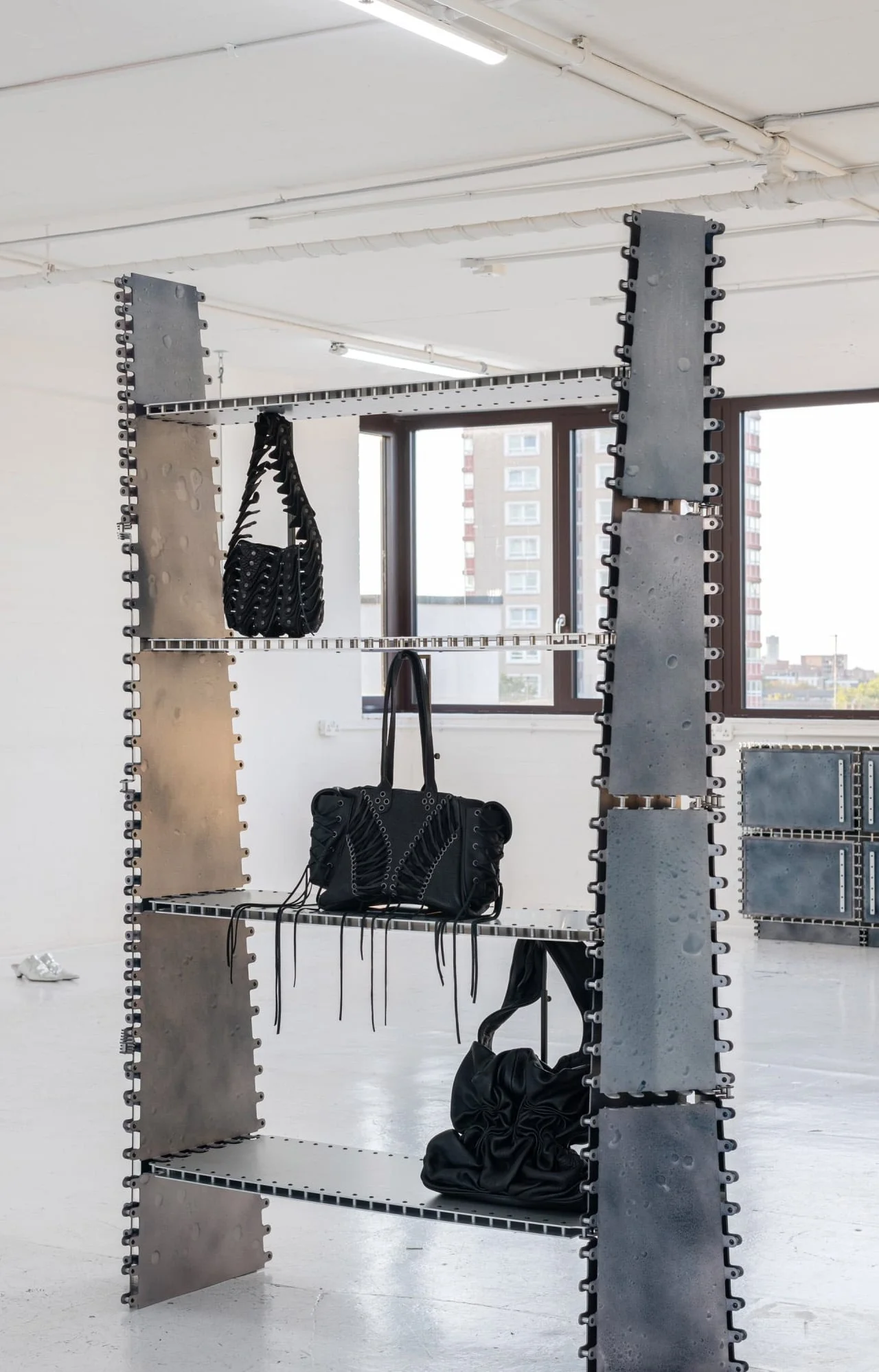
In his workshop in Lewisham, Pearson took a radically hands-on approach. Rather than outsourcing the color application process, he constructed a custom anodizing bath tailored to his artistic vision. Traditional anodizing methods often yield uniform results, but Pearson's ingenuity introduced a level of unpredictability and vibrancy to the anodizing process. This technique mimics the look of suspended droplets in mid-air, capturing fleeting moments within each piece.
This dedication to personal touch extends beyond aesthetics—it's a declaration of authenticity. Each item in the collection becomes a canvas of varied patterns, reinforcing the notion that no two pieces are exactly alike. This celebration of irregularity also points to larger questions about consumerism and uniqueness in design. In an age where mass production dominates, Pearson's approach elevates the handcrafted process, adding value that transcends the final product. If you're working in this space, this emphasis on individuality can be a compelling sales point.
Rivets as a Design Signature
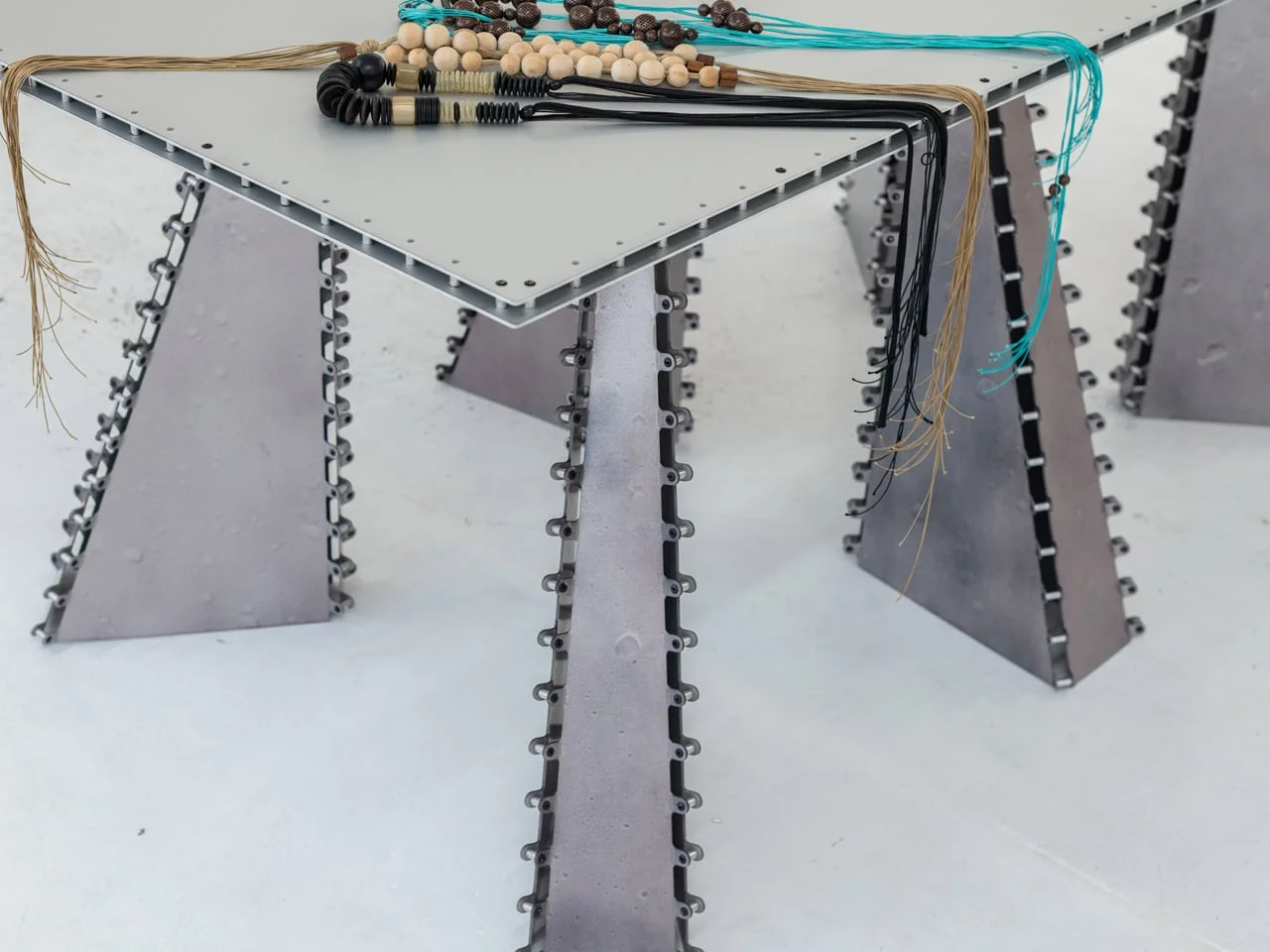
Pearson's choice of rivets as joints in his designs speaks volumes about his philosophy. The dimensions of his anodizing tank dictated the size limits of his materials, leading him to incorporate rivets in a way that enhances the structural aesthetic of each piece. This wasn't merely a design choice but an inspired method of embracing transparency; the rivets are proud displays of craftsmanship rather than elements to be concealed.
In this regard, Pearson flips a common design paradigm on its head. Many designers typically hide the “how” behind a finished product, presenting only the polished exterior. By contrast, Pearson's use of rivets celebrates the assembly process, inviting viewers to engage with the making of each piece. This focus on integrity is refreshing and makes a bold statement. Each rivet becomes a marker of authenticity, transforming the narrative of furniture design from one of mere utility to one of storytelling and craftsmanship.
The Exhibition at APOC
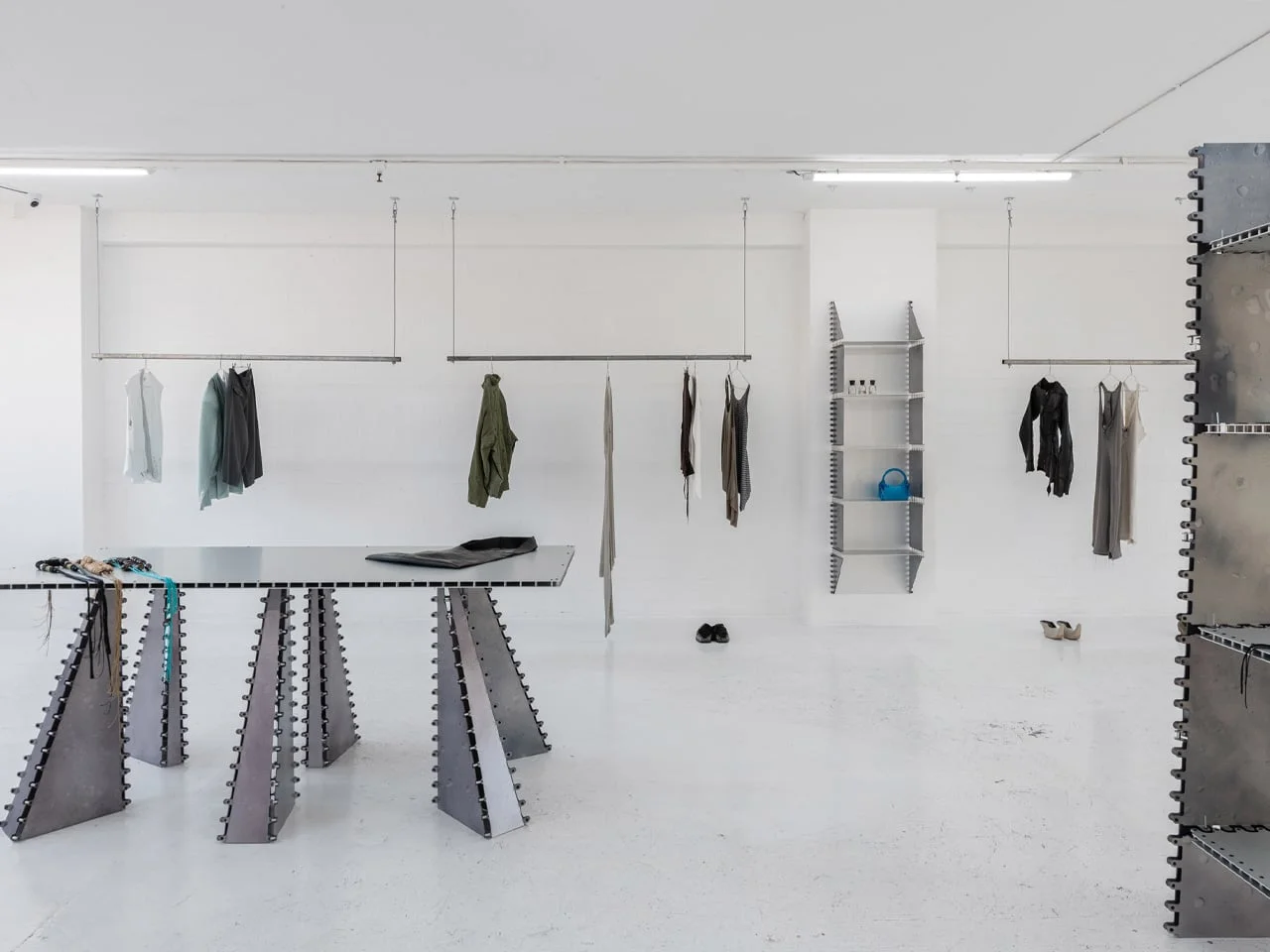
Pearson’s collection at the APOC store isn't limited to mere display; it acts as both an exhibition and an interactive experience. The pieces, which include functional items like tables and shelves, double as striking sculptures. They challenge the viewer’s perceptions, occupying the space between practical design and artistic expression. This blurring of lines compels audiences to rethink preconceived notions about metalworking and what these materials can represent.
Through this collection, Pearson pushes back against the notion that design must always prioritize function over form. By positioning functional objects as sculptural statements, he invites viewers to consider their dual purpose. It’s an engaging concept that resonates throughout the exhibition, creating a dialogue that can prompt deeper reflection on the inherent value of crafted items in our daily lives.
Crafting a Personal Narrative
Pearson's journey in design reflects a rich background that informs his work. His training in speculative design at the Royal College of Art, combined with his experience co-founding Jamps Studio, has allowed him to cultivate a unique perspective on constraints as a source of creativity. The 10,000 Rivets series goes beyond being just a collection; it represents a pivotal moment in his career where he has synthesized his experiences and vision into tangible, meaningful artifacts.
What’s fascinating here is how Pearson illustrates the idea that it's not merely the end product that matters, but the process of making itself. Each piece embodies a tactile reality that resonates with the viewer, crafting a narrative that’s deeply personal. This passion for workmanship invites others in the design community to explore similar paths, reminding them that creativity often flourishes within boundaries. (And this is the part most people overlook: the value, both sentimental and artistic, embedded in the act of creation.)
Future Implications and Significance
The implications of Pearson’s work extend beyond just his collection; they provide a lens through which we might understand shifting attitudes toward artistry in design. As consumers increasingly value sustainability and individuality, designers like Pearson are well-positioned to thrive. His focus on transparency and craftsmanship may spur a movement away from hyper-produced items toward a greater appreciation for handmade, locally sourced creations.
Furthermore, the dialogue Pearson initiates around material limitations could inspire a new generation of designers to think critically about their own practices. What this means for you, especially if you’re involved in design or artistic endeavors, is a chance to rethink how you approach your materials and processes. By embracing limitations, Pearson demonstrates how constraints can pave the way for creativity and authenticity. Collectively, this perspective has the potential to reshape the industry’s approach to design, emphasizing the narrative that lies within the materials and the methods used to shape them.



Discussion
Sign in to join the discussion.