The Oyado MAS exhibition in Tokyo immerses visitors in a cultural ambiance, reimagining traditional Japanese inn aesthetics with modern furniture design.
A Multisensory Transformation
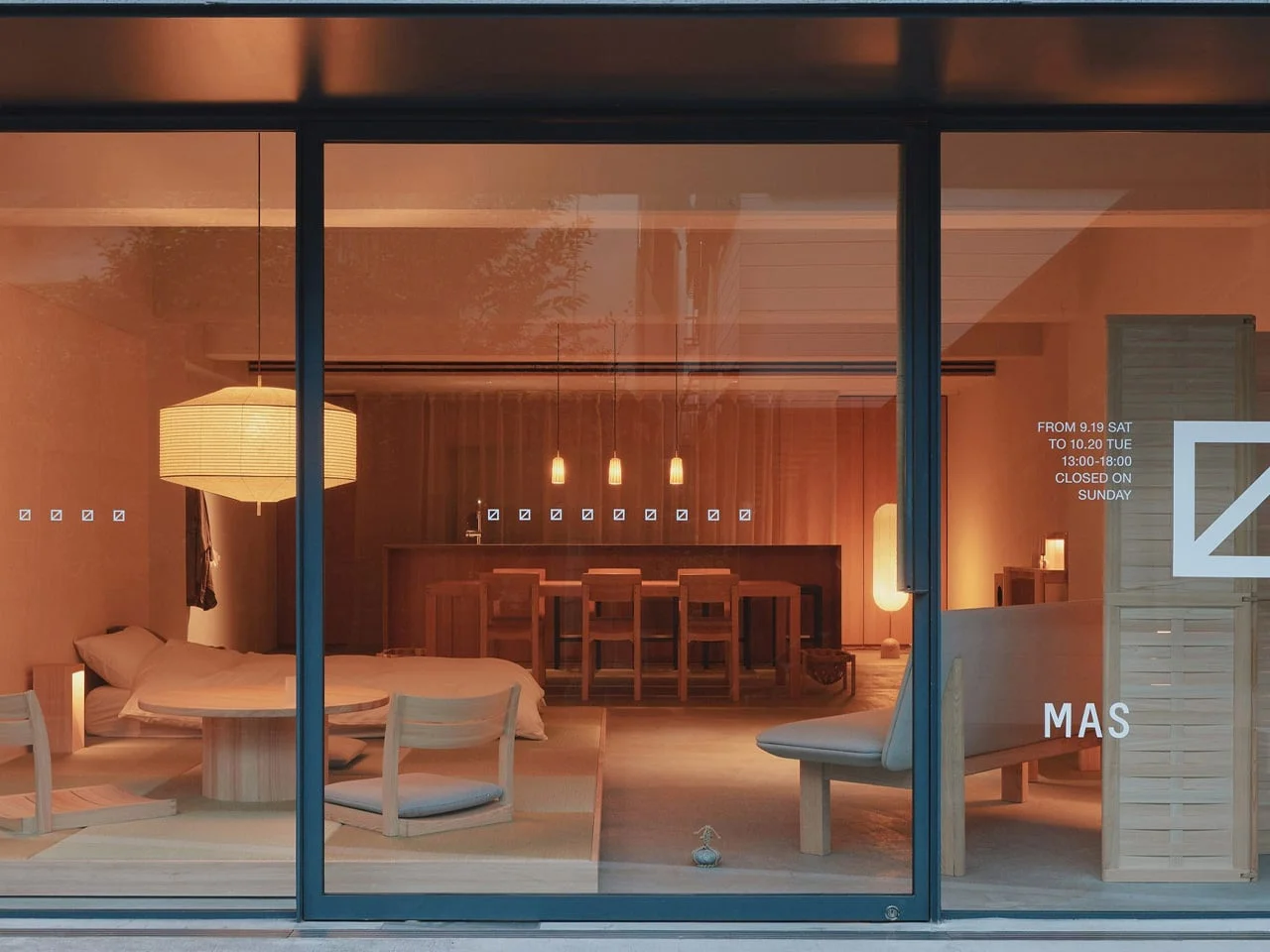
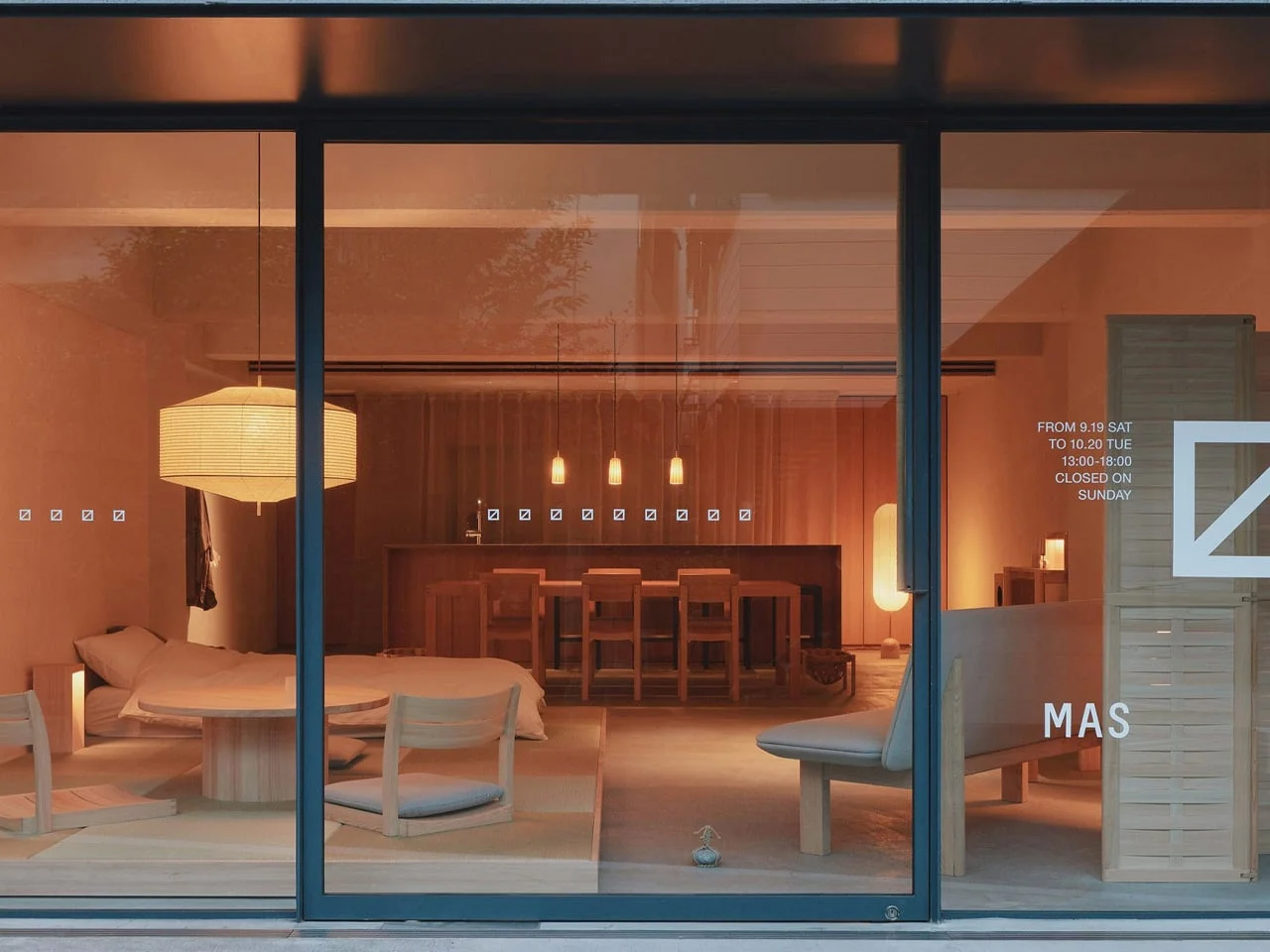
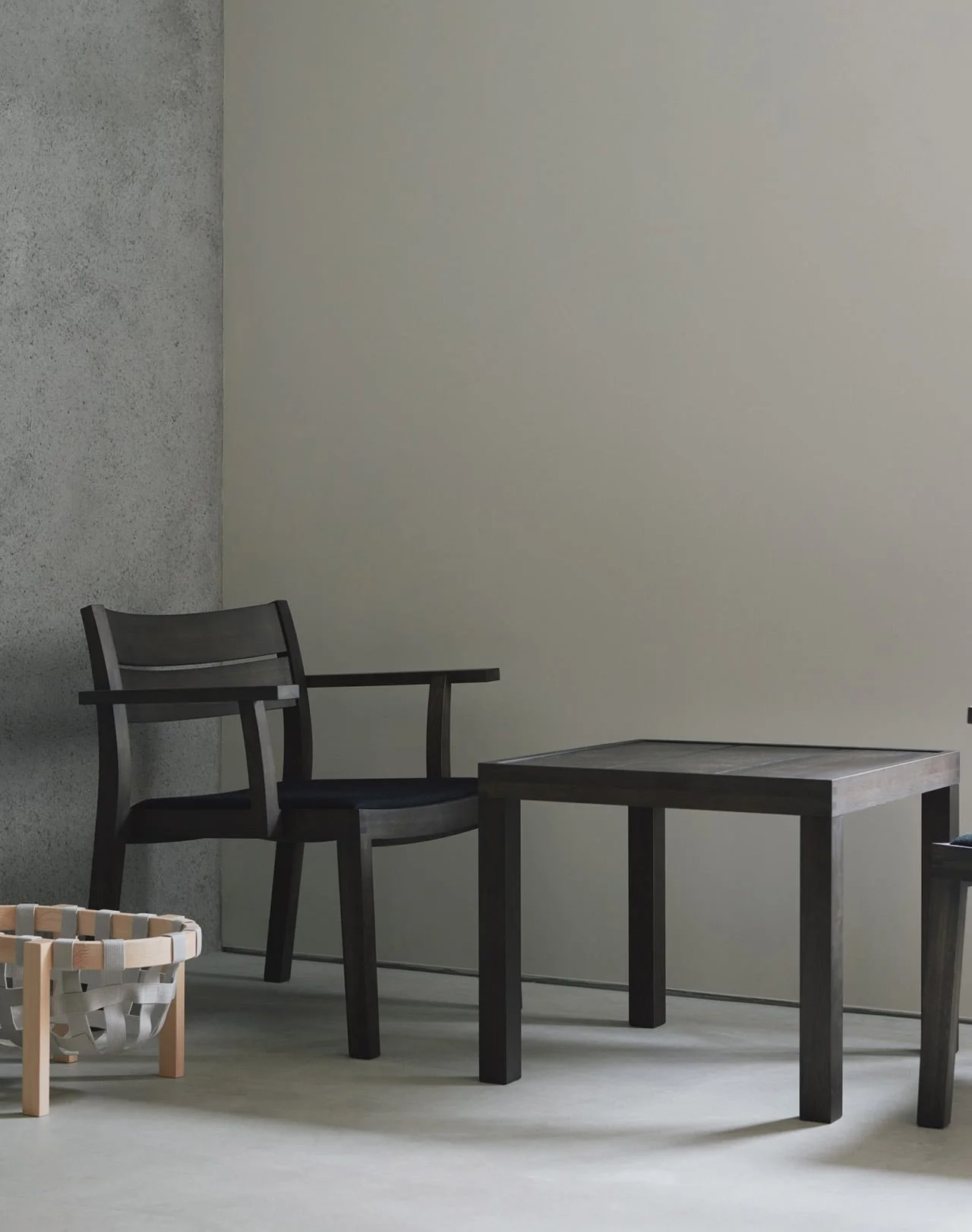
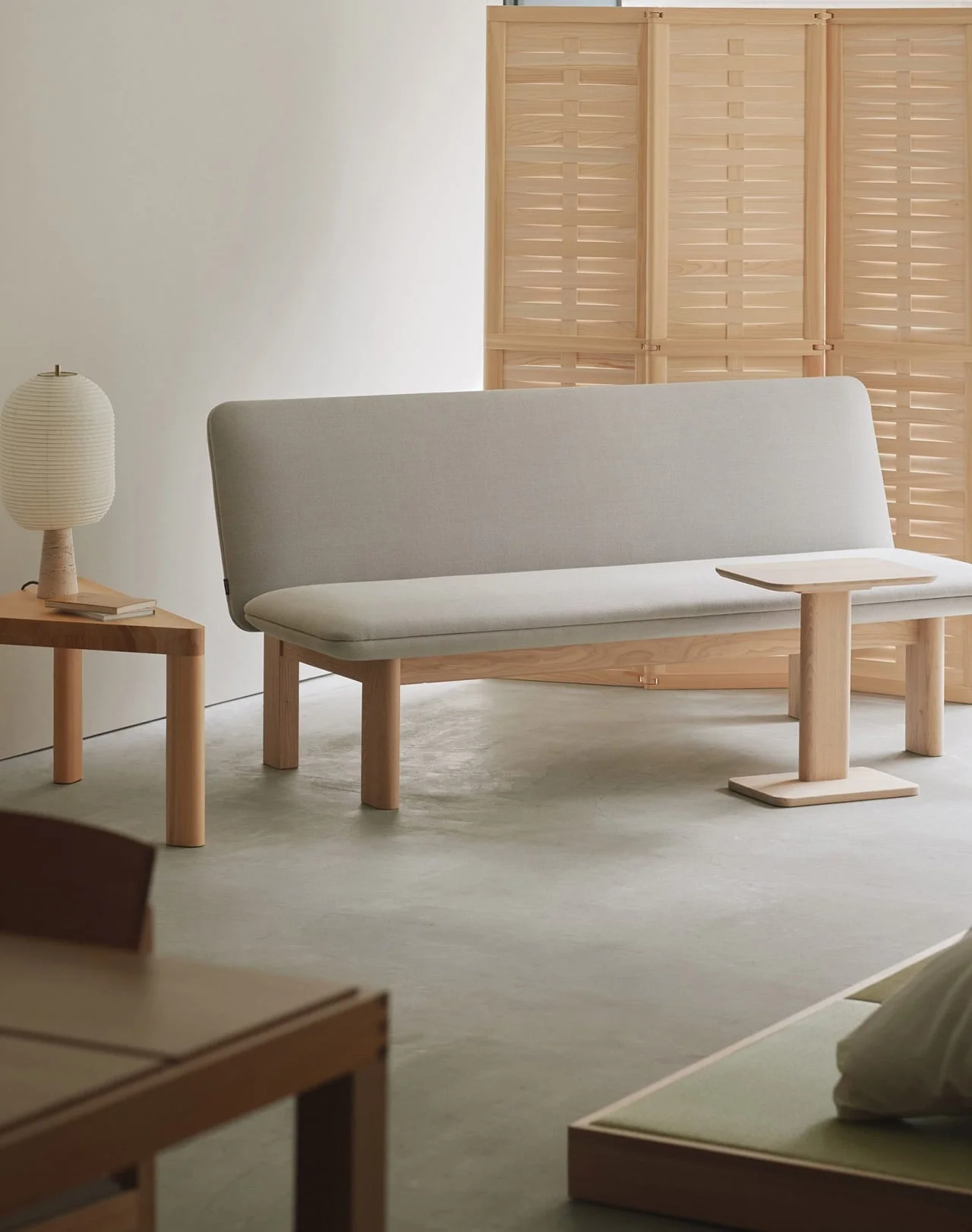
Step inside Karimoku Commons Tokyo, and what was once a showroom evolves into a sensory experience reminiscent of a traditional Japanese inn. This transformation is the brainchild of MAS, Karimoku’s design label, working alongside spatial director Wataru Kumano for the Oyado MAS exhibition. Running from September 19 to October 20 at the Aoyama venue, the installation immerses visitors in various inn-inspired settings. It transitions fluidly from the reception area to the lounge and sleeping zones, all centered around MAS furniture.
The idea of creating a space that reflects the warmth of a traditional inn marks a departure from conventional showroom presentations, which often feel cold and uninviting. This shift in approach mirrors a growing trend in design where experiential landscapes are prioritized over mere product displays. It’s about turning the act of visiting a showroom into something more akin to a personal journey.
Cultural Resonance in Design
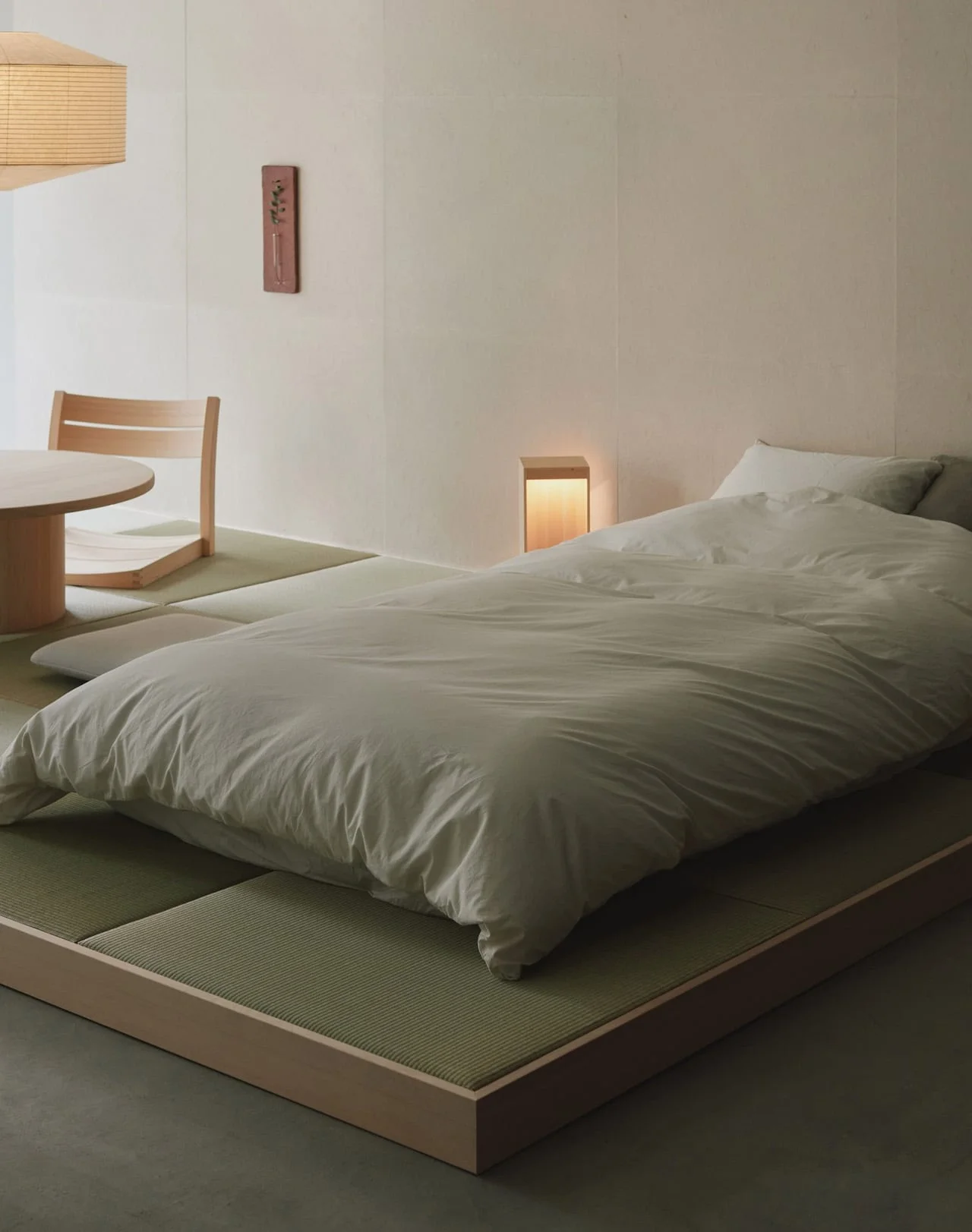
Kumano’s intentional choice of an oyado over a typical hotel reflects the unique cultural essence and slower pace that inns encapsulate, distinguishing them from international hotel experiences. Instead of duplicating an inn's appearance, the sleeping area evokes its spirit. This encourages visitors to interact with the space in a natural manner—whether that’s basking in morning light or leisurely reaching for a low table.
In modern architecture and design, this distinction between types of accommodations is significant. An oyado, or traditional inn, embodies a philosophy that deeply respects nature and simplicity. It's not merely a place for rest; it invites a holistic experience that integrates environmental elements into daily life. This shift is striking, particularly in a fast-paced urban setting like Tokyo. Visitors are not just there to see furniture; they’re invited to reflect on how the environment influences their mood and interactions.
Natural Materials as a Design Philosophy
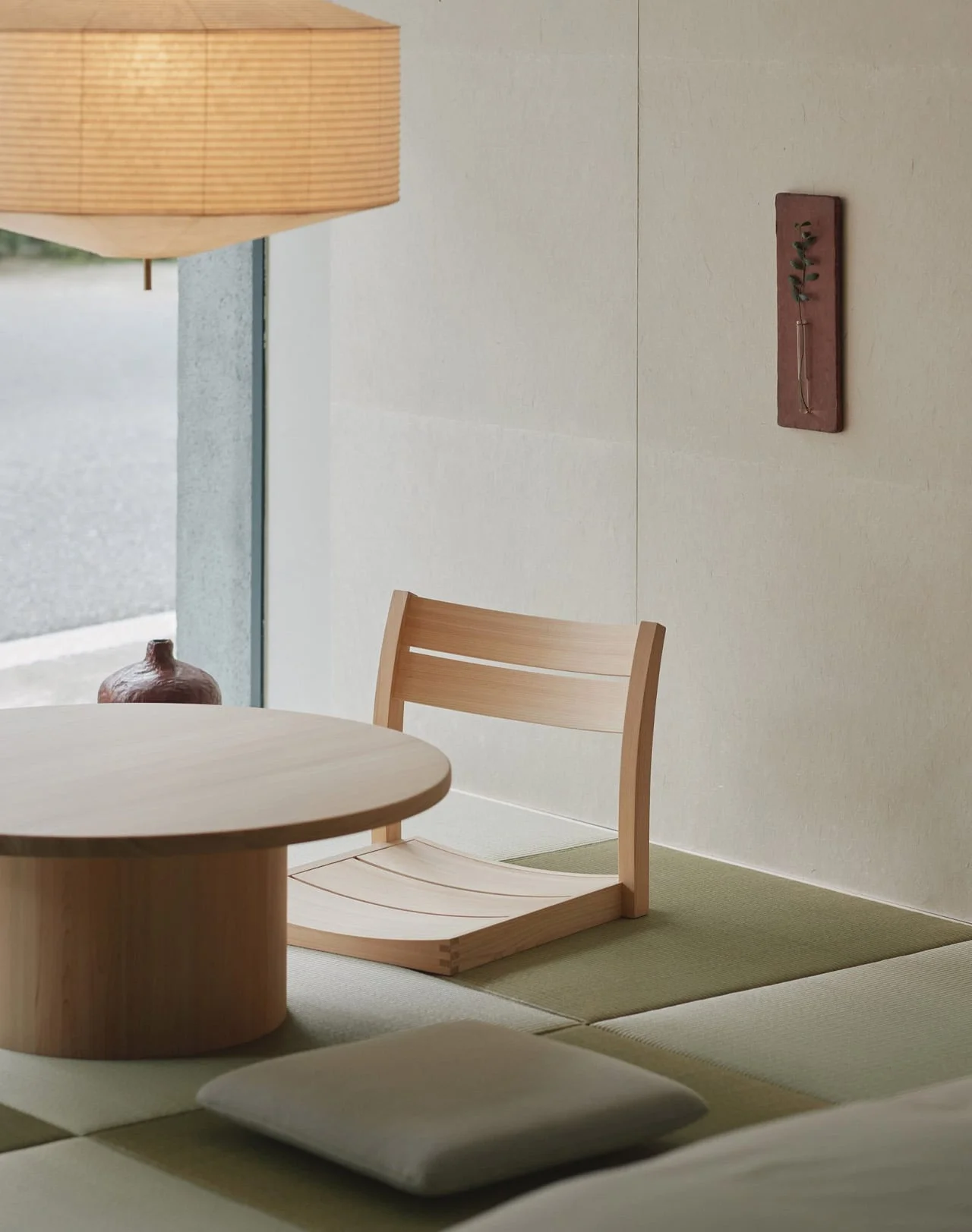
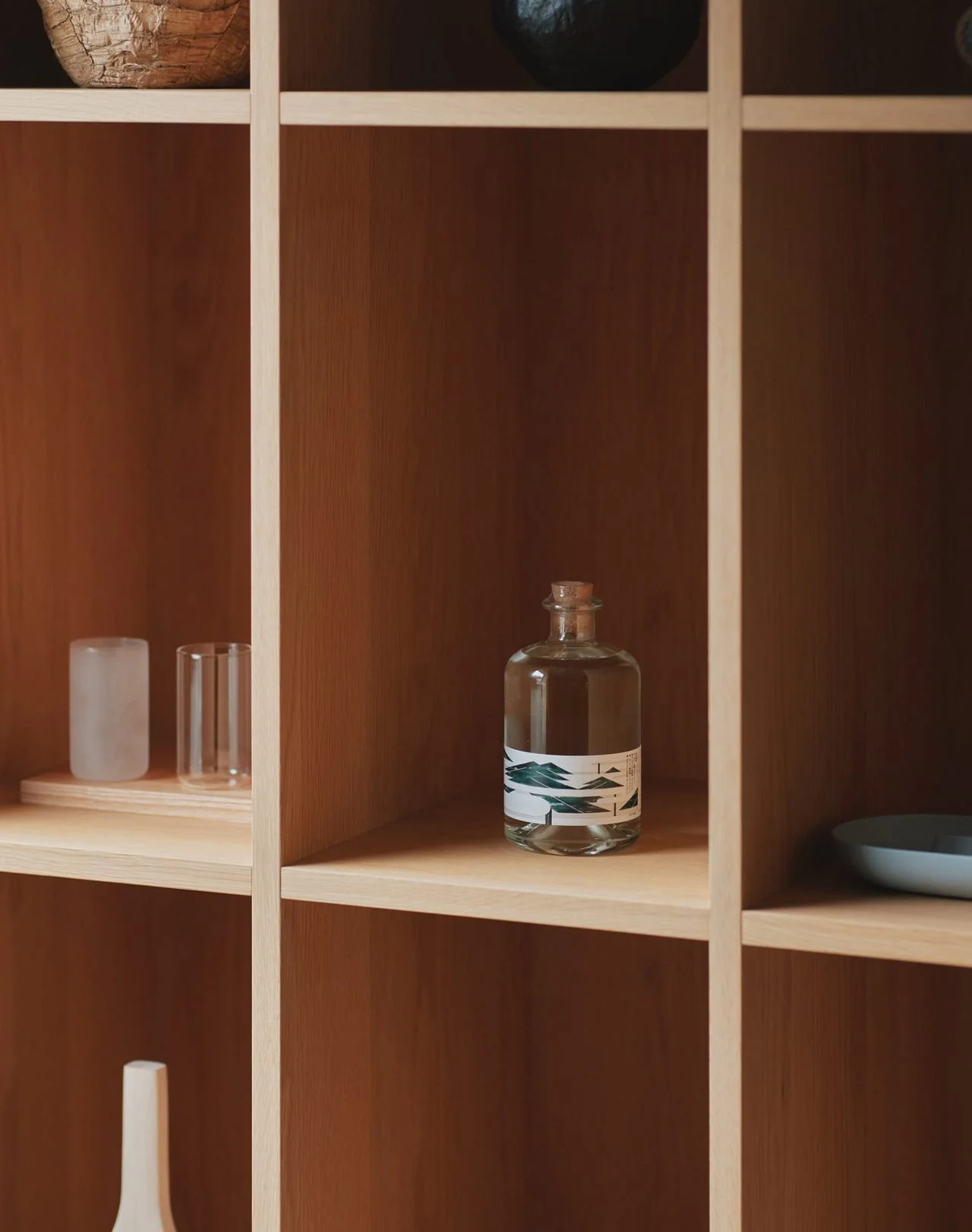
The choice of materials complements this vision. MAS emphasizes the use of locally sourced Japanese woods, exposing their natural textures rather than covering up imperfections. Traditional aesthetics are often celebrated for highlighting the beauty of nature, which challenges the sanitized, flawless items common in conventional showrooms. Oyado MAS embraces the inherent beauty of wood, serving as a reminder of its origins.
This tactile connection to materials urges a reconsideration of design standards. What many might overlook is how the imperfections of wood can tell a story—of the growth rings, the history of the tree, and the artisan's craft. By leaving these natural features exposed, the designers communicate an authenticity that's often missing in mass-produced furniture. This pushes consumers to value craftsmanship and the cultural lineage tied to these materials.
Collaborative Elements Enrich the Experience
Collaboration extends beyond furniture to enrich the overall atmosphere. New Light Pottery enhances the space with custom lighting, while Nao Tesuki Washi introduces handcrafted paper elements. Visitors are further immersed through a distinct fragrance developed with Sheep, capturing the essence of Japanese forests. A selection of forest-infused teas adds to the blend, combining touch, scent, and ritual in a harmonious walkthrough.
It's interesting to note how these partnerships expand the exhibition’s narrative. By integrating various crafts and sensory experiences, the exhibition transcends the concept of a furniture showcase and moves toward an artistic installation. Each element—from the lighting to the aroma—draws visitors deeper into a narrative rooted in nature and craftsmanship. The story of Oyado MAS is far richer because of this collaboration.
Beyond Commerce: A Focus on Experience
Featured items for purchase, including the WK Stool by MAS and a delicately crafted spoon by Sekisaka, reflect the unity of design and function. However, the exhibition transcends mere commercial interests; it's about experience. It demonstrates how furniture is perceived differently when contextualized within a visitor's journey rather than as isolated objects in a sterile showroom.
Here’s the thing: many people miss the fact that the setting greatly influences how we perceive furniture. In standard retail environments, potential buyers often see just products—their features but not their lived experience. This exhibition flips that narrative, allowing people to understand design through interaction and presence. Simple spaces can evoke history, emotion, and even aspiration. If you're working in this space, this kind of insight is invaluable.
A New Retail Model
The noren at the entrance symbolizes the shift from traditional retail dynamics to a more relaxed engagement. This allows aspects like scale, the relationship between furniture, and the mastery of craftsmanship to become apparent only through movement within the space. It's a lesson seldom captured by standard showrooms where a scripted experience often stifles genuine interaction. Oyado MAS offers a fresh outlook, proving that retail design can resonate on an emotional level.
This new model could have lasting implications for the industry. With consumers increasingly seeking authentic connections with products, retailers may need to rethink their approaches. Creating immersive environments might become the standard expectation rather than the exception. People are hungry for experiences that foster connection and understanding, rather than mere consumption. This is more significant than it looks; it suggests a cultural shift toward valuing meaningful engagement over transactional relationships.
Future Outlook: The Path Ahead
The exhibit is open Tuesday through Saturday, from 1 PM to 6 PM, closing on October 20, 2026, at Karimoku Commons Tokyo, Aoyama. As the landscape of retail evolves, installations like Oyado MAS present a potential blueprint for the future. The focus on experience could inspire a wave of new design strategies across various sectors.
In a market that often prizes speed and efficiency, the thoughtful, slower pace reflected in this exhibition may resonate with many consumers looking for a deeper connection. The implications extend beyond furniture; they touch on how space, craftsmanship, and sensory experiences intersect. How will traditional retailers adapt? That’s a question worth watching.
The post This Tokyo Furniture Showroom Vanished Into a Traditional Japanese Inn first appeared on Yanko Design.


Discussion
Sign in to join the discussion.