The Nike Apex running shoes feature dual Air Zoom units and a redesigned Flyplate, aiming to elevate marathon performance and comfort for runners.


A New Era for Performance Footwear
Runners chasing personal records are set to benefit from Nike's latest development in performance footwear: the Apex running shoes. This new introduction aims to provide marathoners with an edge, presenting advanced technologies that set it apart from its predecessors, particularly the Alphafly 4. The Apex is more than just another running shoe; it reflects a larger trend in the industry where brands compete aggressively to push the boundaries of technology and design in athletic footwear.
Key Features and Design Innovations
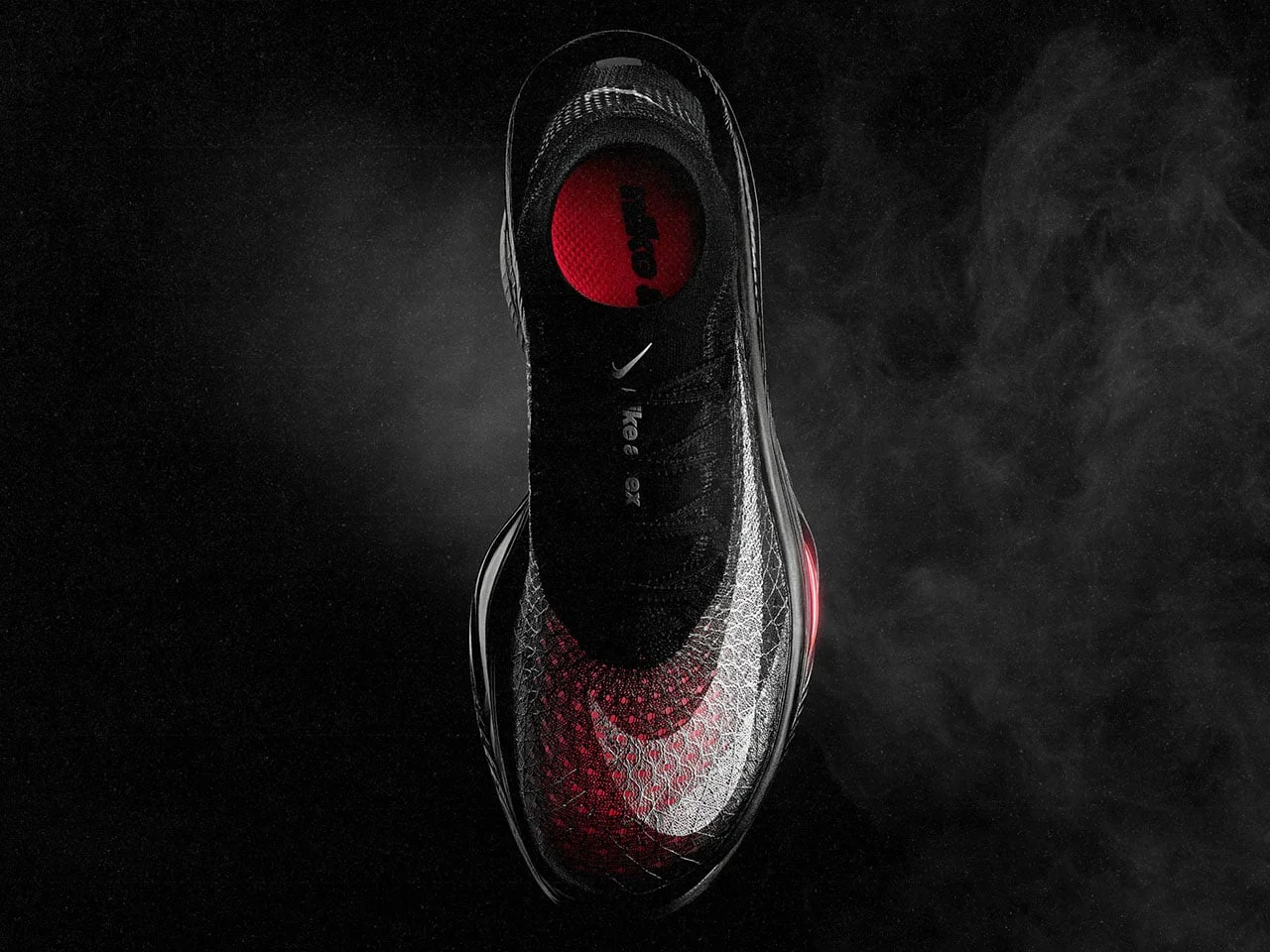
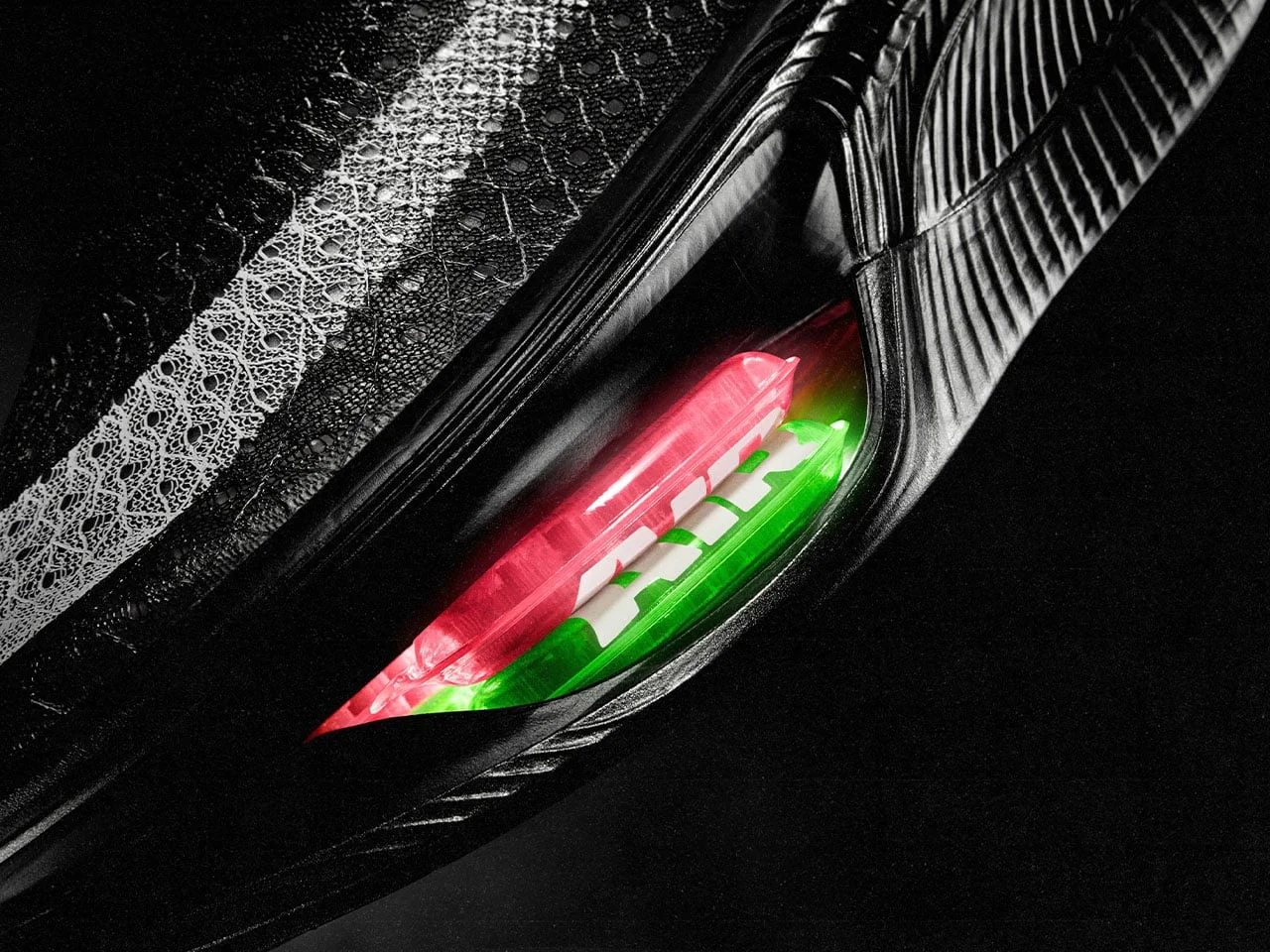
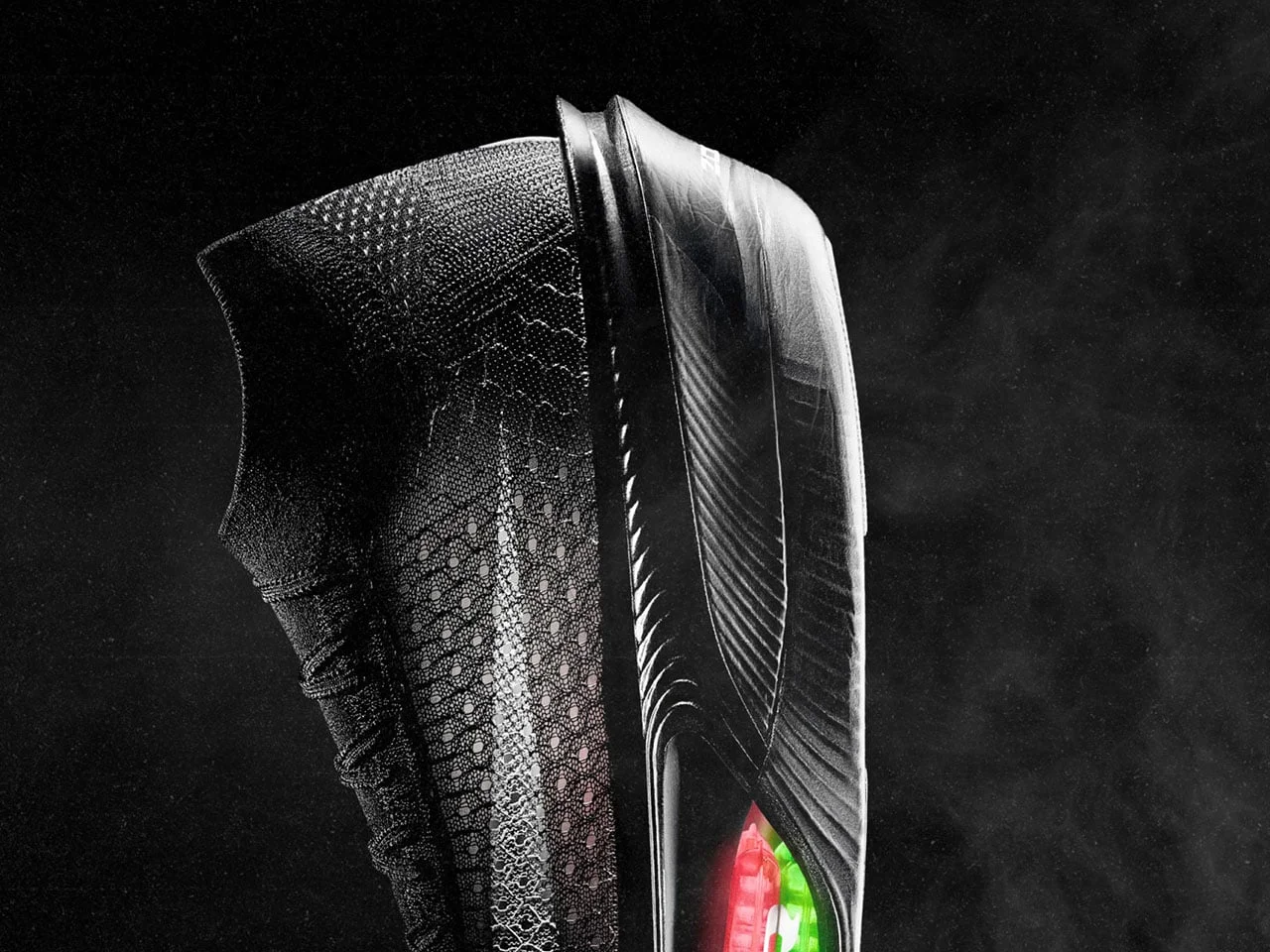
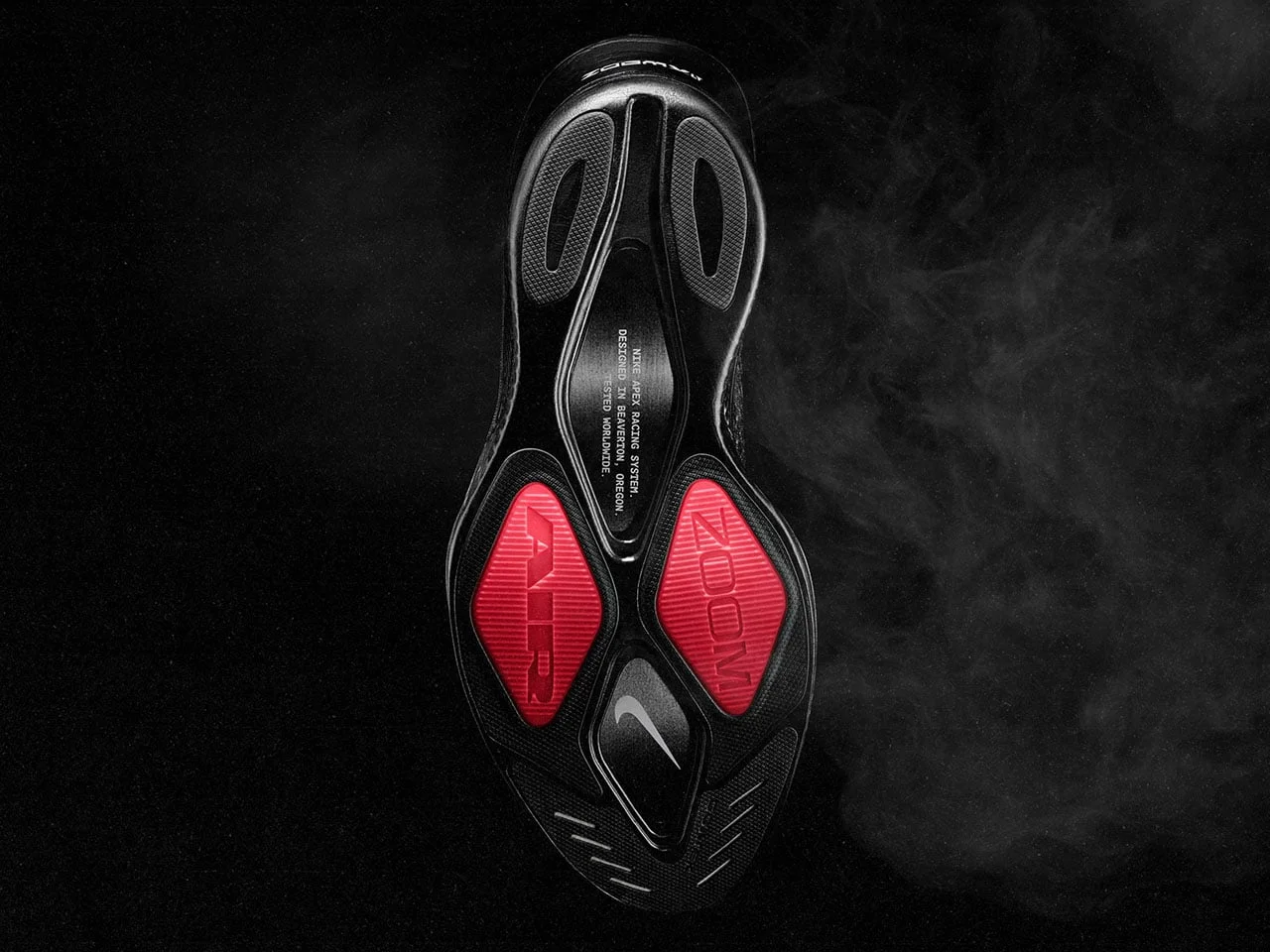
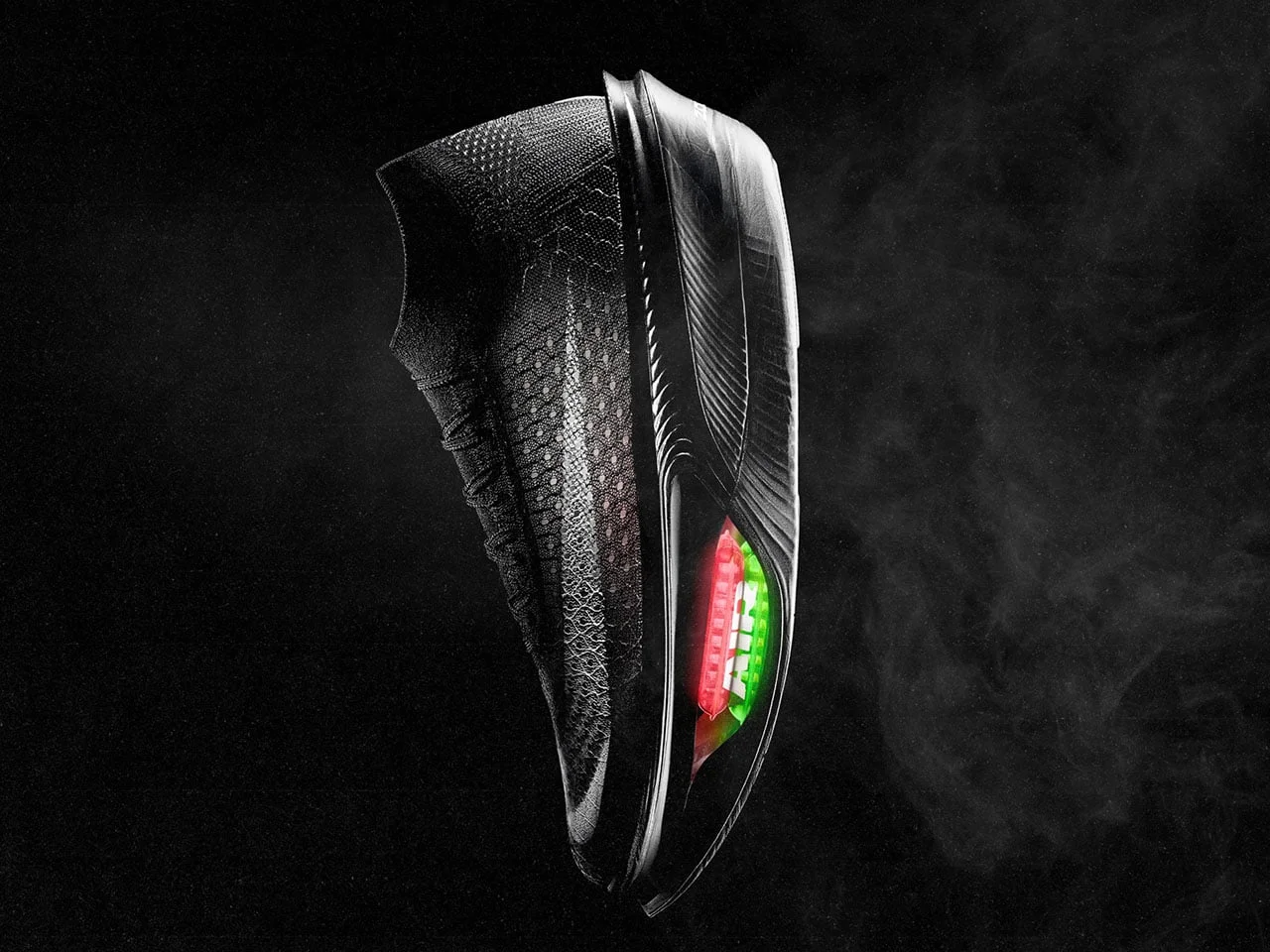
The Apex is positioned to be a more effective alternative for runners eager to enhance their marathon times. It features a unique combination of double-stacked Air Zoom units—marking a first for Nike—paired with the lighter ZoomX LT foam midsole. The ZoomX LT foam is a reaction to the demand for lightness without sacrificing performance—a delicate balance that can often make or break a runner's experience during competitions.
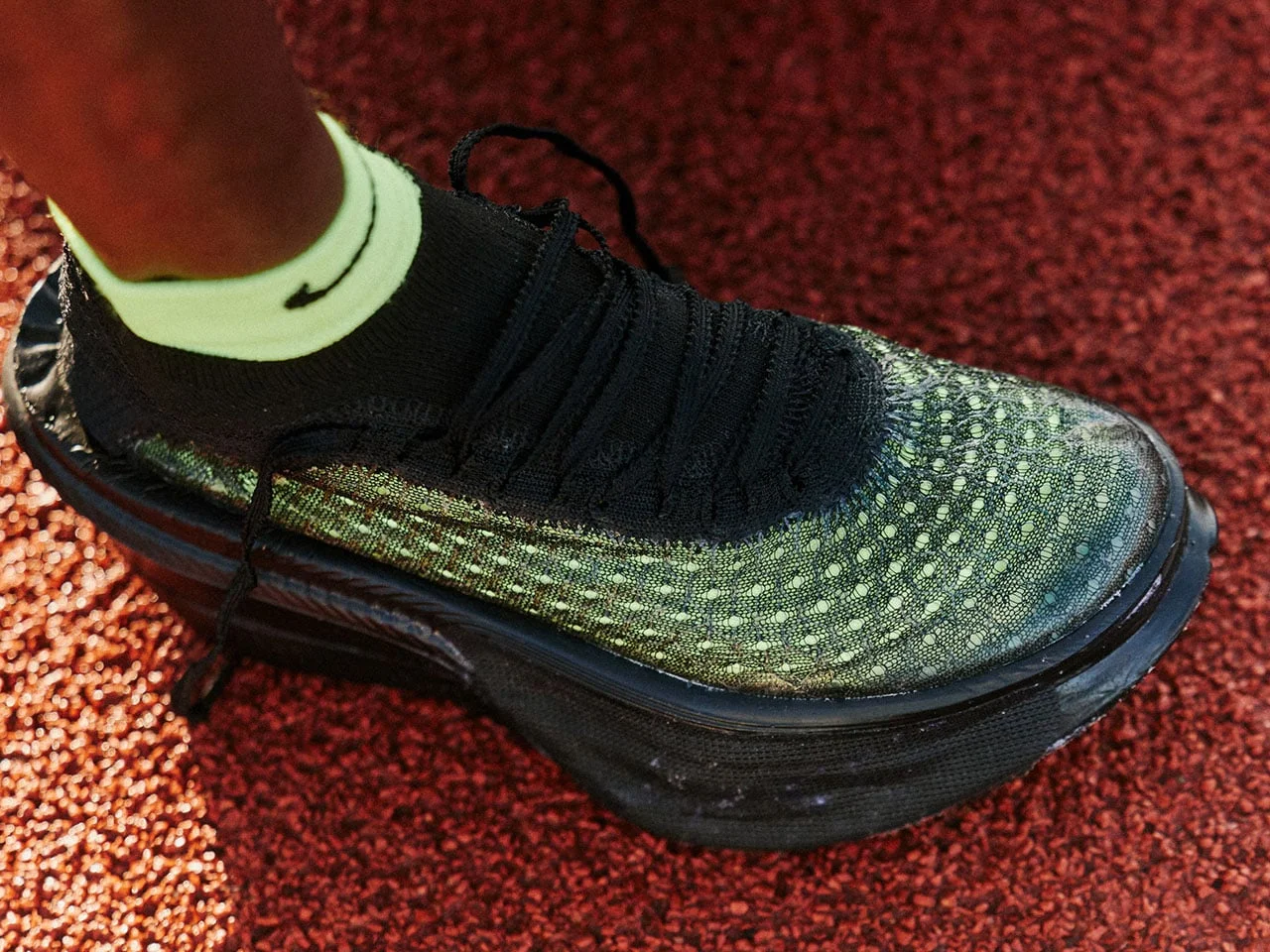
Also included in the design is a revamped carbon fiber Flyplate and a breathable Flyknit X upper, focusing on both weight reduction and comfort during long runs. The upper material is key because many runners struggle with excessive heat and moisture build-up during extended wear. This updated design suggests that Nike is not just retrofitting older models but is genuinely looking to innovate based on feedback and performance metrics.

Market Position and Pricing Strategy
While there's no official pricing yet, estimates suggest the Apex could be positioned around $300, a bit higher than the Alphafly. Given the price point, you'd expect a significant performance enhancement. According to Nike, these two models cater to different niches within the marathon community, suggesting the Apex aims to fill a gap where the Alphafly leaves off. This is a strategic move on Nike’s part, as many brands are now segmenting their products more sharply to address specific runner needs, creating a more tailored approach to athletic footwear.
The market for performance running shoes is arguably one of the most competitive sectors in athletic gear, accentuated by the 2020 Tokyo Olympics leading to an explosion in interest for marathon and distance running. Thus, releasing a shoe that could potentially outperform established models isn't just innovation; it's a necessity for survival in this cutthroat environment.
Performance Metrics and Feedback
The standout feature of the Apex is the double-stacked Air Zoom technology, which promises up to 40% more energy return compared to a standard men’s size 10 Alphafly, all while being around 10% lighter. This new design enhances performance by effectively storing and releasing energy with each stride. It's an attractive proposition that directly addresses a common area of concern for marathoners: energy efficiency over long distances.
Feedback from initial tests has indicated that runners appreciate the ways additional energy return can improve their overall performance, especially during the latter stages of a marathon when fatigue sets in. For those working in this space, this type of enhancement could alter the parameters of what is achievable in marathon times.


Innovative Stability and Comfort Features
The Apex's design features a 40mm zero-drop platform with a newly configured carbon-fiber Flyplate positioned above the Air units. This innovative structure aims to deliver improved stability and support for runners tackling long distances. While many running shoes prioritize cushioning, Nike’s move towards a zero-drop platform intends to enhance the ground feel for runners. This change could appeal to a wider audience, particularly those who prefer a more natural running form.
Of note is the wider outsole, enhancing grip and comfort during extended runs. Runners often overlook outsole design—this can be the difference between a good race and a disastrous one. The added grip makes a difference on varied terrains, which is crucial for runners who may find themselves on different surfaces during training sessions.

Implications for the Future of Running Shoes
Scheduled for release in January 2027, these shoes promise to deliver a performance upgrade for marathon runners seeking that extra boost in their training and race readiness. Nike's new offering looks to reshape what runners expect from their footwear as they prepare for the starting line. The implications extend beyond just individual performance; they could influence how other brands respond when stepping up their technology game.
As competition escalates, we may see a trickle-down effect where advanced technologies previously reserved for elite runners become more accessible to the everyday athlete. If you're working in this space, the Apex's arrival signifies that the bar is continually being raised. Future models may need to respond not just in terms of performance metrics, but in delivering a more personalized running experience tailored to individual needs—a challenge every major brand will have to tackle moving forward.



Discussion
Sign in to join the discussion.