Gokce Nafak’s new sheet metal designs, Platea and Vault, challenge the disposable trend in flat-pack furnishings, offering longevity and style.
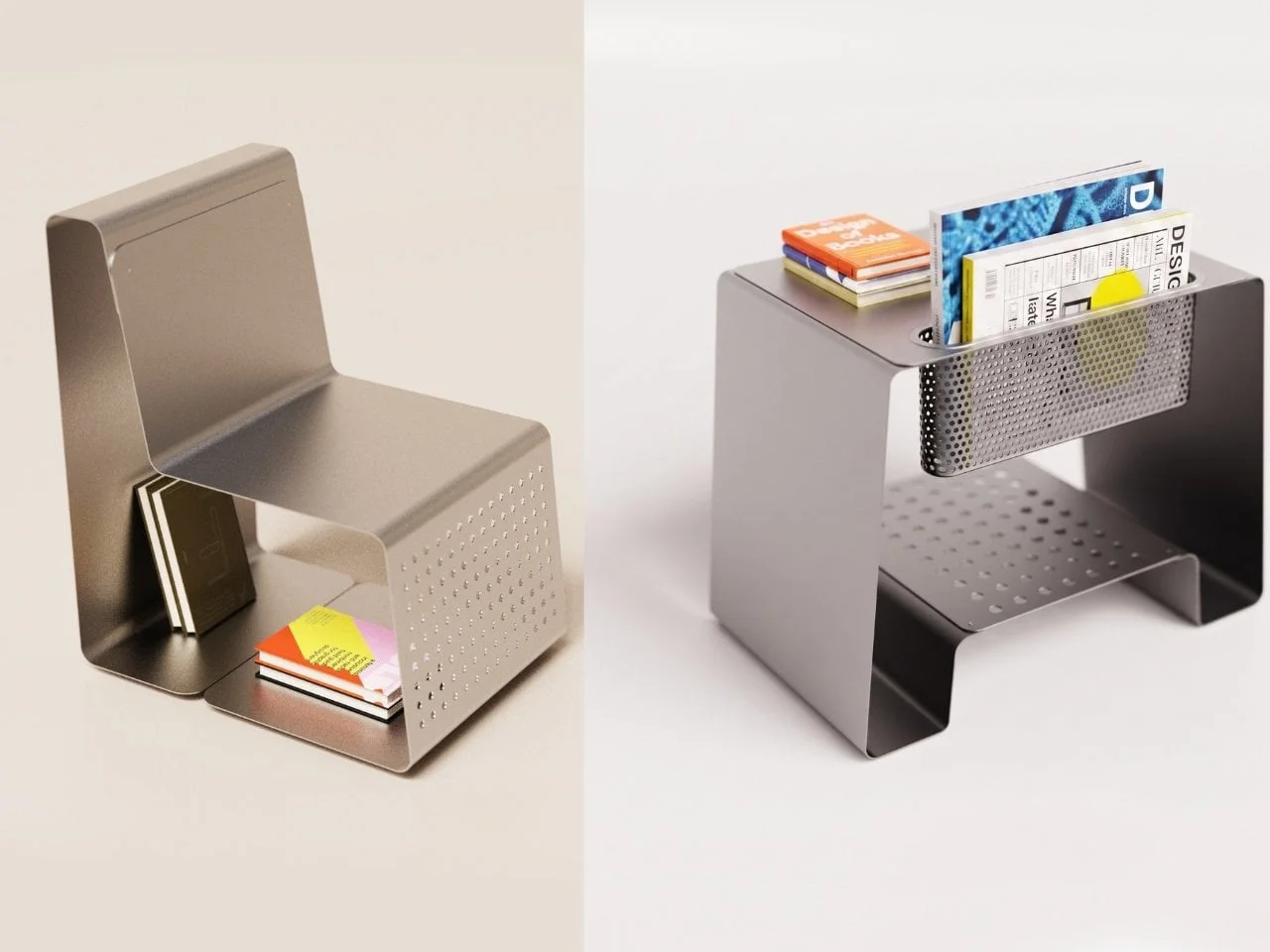
For anyone who's moved heavy furniture, the experience is often marked by the struggle of a flat-pack design that falls apart after a single relocation. Conventional pieces, made from particleboard, tend to weaken over time, often ending up discarded after a few years of wear and tear. The trend seems to have accepted that affordable furniture sacrifices longevity for easy transport. However, industrial designer Gokce Nafak seeks to disrupt this status quo with her latest designs, Platea and Vault, both crafted from sheet metal.
Platea: Function Meets Flexibility
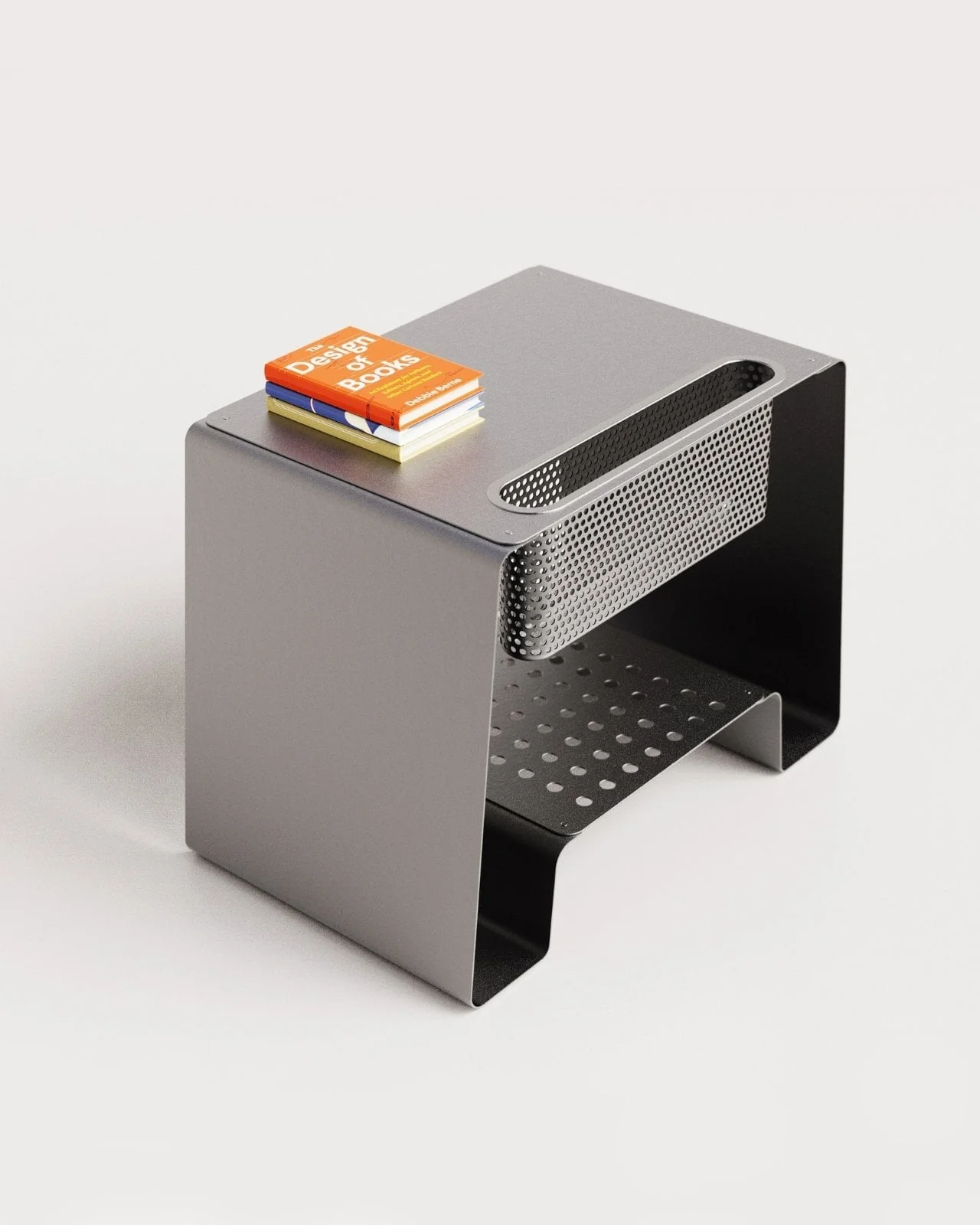
Platea initially takes shape as a versatile stool and side table, comprised of four precisely cut and shaped metal components. With CNC laser technology guiding the process, Nafak’s design allows for flat packing, which is a significant advantage for anyone who’s dealt with cumbersome furniture. Traditional setups often require messy adhesives or the dreaded mystery screws, leading to plenty of frustration during assembly. Nafak's work represents a clear departure from that hassle; everything slots together with impeccable precision. While it’s marketed as a stool, its multifunctional nature as a side table is a thoughtful touch for those looking to maximize utility in smaller living spaces. This kind of furniture isn’t just about aesthetics; it’s about adaptability and practicality in modern city living.
Vault: Emphasizing Industrial Aesthetics
Vault extends this pragmatic approach into the realm of seating. Constructed from three main metal components, Vault embraces a robust, industrial style, showcasing its form with exposed edges and visible seams. This design philosophy accepts the rawness of its materials instead of obscuring them behind layers of fabric or veneer. By making the manufacturing process part of its aesthetic, Vault reclaims the true spirit of flat-pack furniture, reminding us that functionality and design can coexist. It’s a bold choice—one that challenges the notions of elegance that often dominate the furniture industry. Instead of hiding imperfections, Vault flaunts them, appealing to a market that appreciates authenticity over artistry in mass production.
An Answer to Modern Moving Challenges
Both Platea and Vault effectively address a pressing concern for urban dwellers—the high cost and environmental impact of furniture shipping. Traditional offerings often recycle the waste inherent in packaging without tackling the underlying issues. Metal constructs offer distinct advantages: they’re resistant to humidity and weight degradation, and crucially, they can be recycled. Thinking about furniture in these terms isn’t just a marketing twist; it reflects a growing awareness of sustainability in consumer behavior. A chair designed for multiple moves signals a shift in thinking—beyond disposable goods towards more responsible options. This pivot not only makes sense economically but also aligns with a cultural shift towards conscientious consumption—something that resonates particularly with younger generations.
Design That Fits Various Settings
The aesthetic versatility of these designs stands out, too. Their minimalist, industrial flair allows them to integrate into a variety of environments, be it a studio apartment or a sprawling house. Unlike many furniture pieces that demand a room to conform to their identity, Platea and Vault offer a neutral adaptability that expands their potential market. This transition from specialized, custom finishes to accessible, flat-pack options feels less like a trend and more like an essential evolution in home furnishings. The irony is that while mass-produced items promise ease of purchase, they often compromise on the quality that gives furniture a longer life. If you’re working in this space, recognizing the balance between style and functionality will be key in catering to discerning consumers.
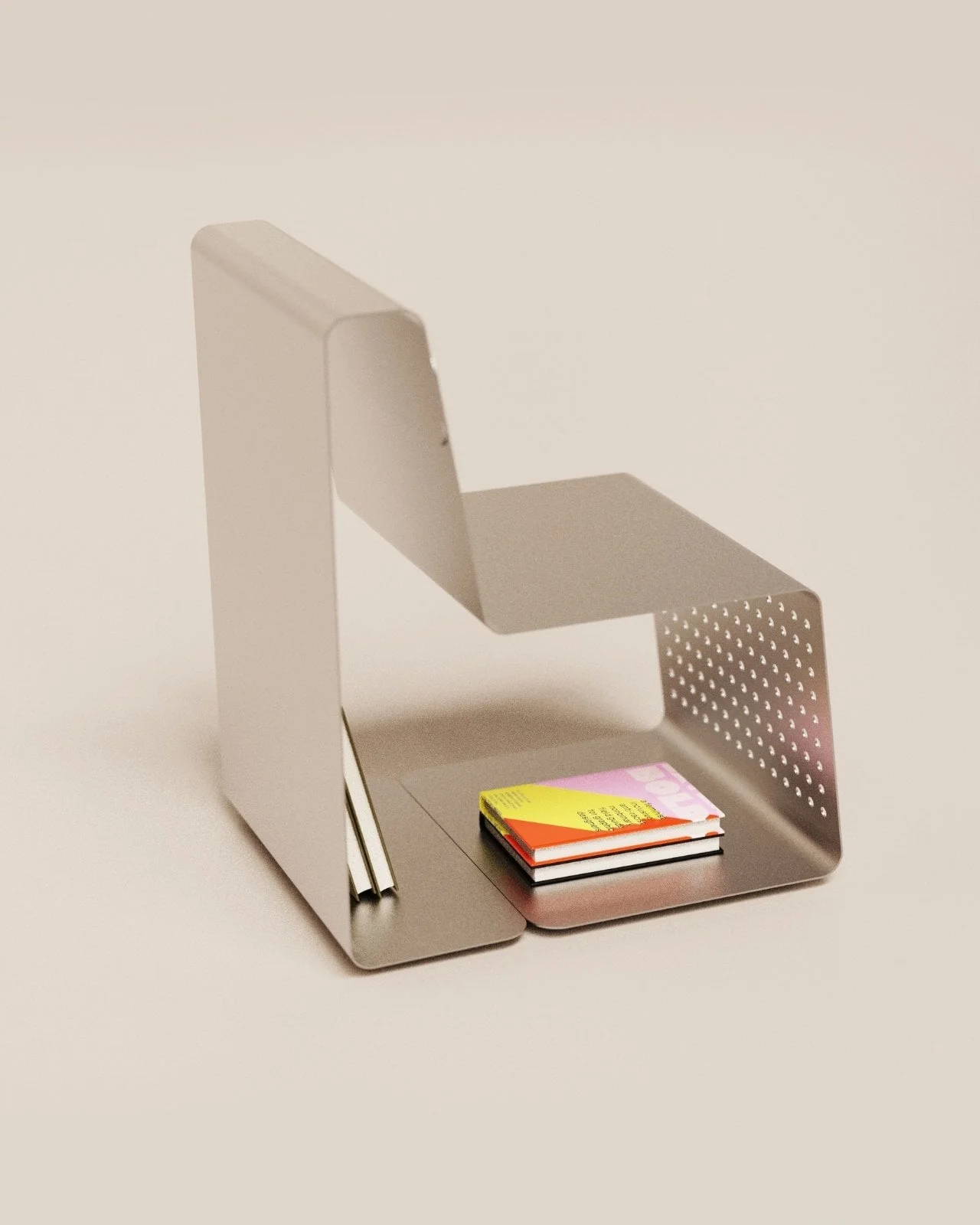
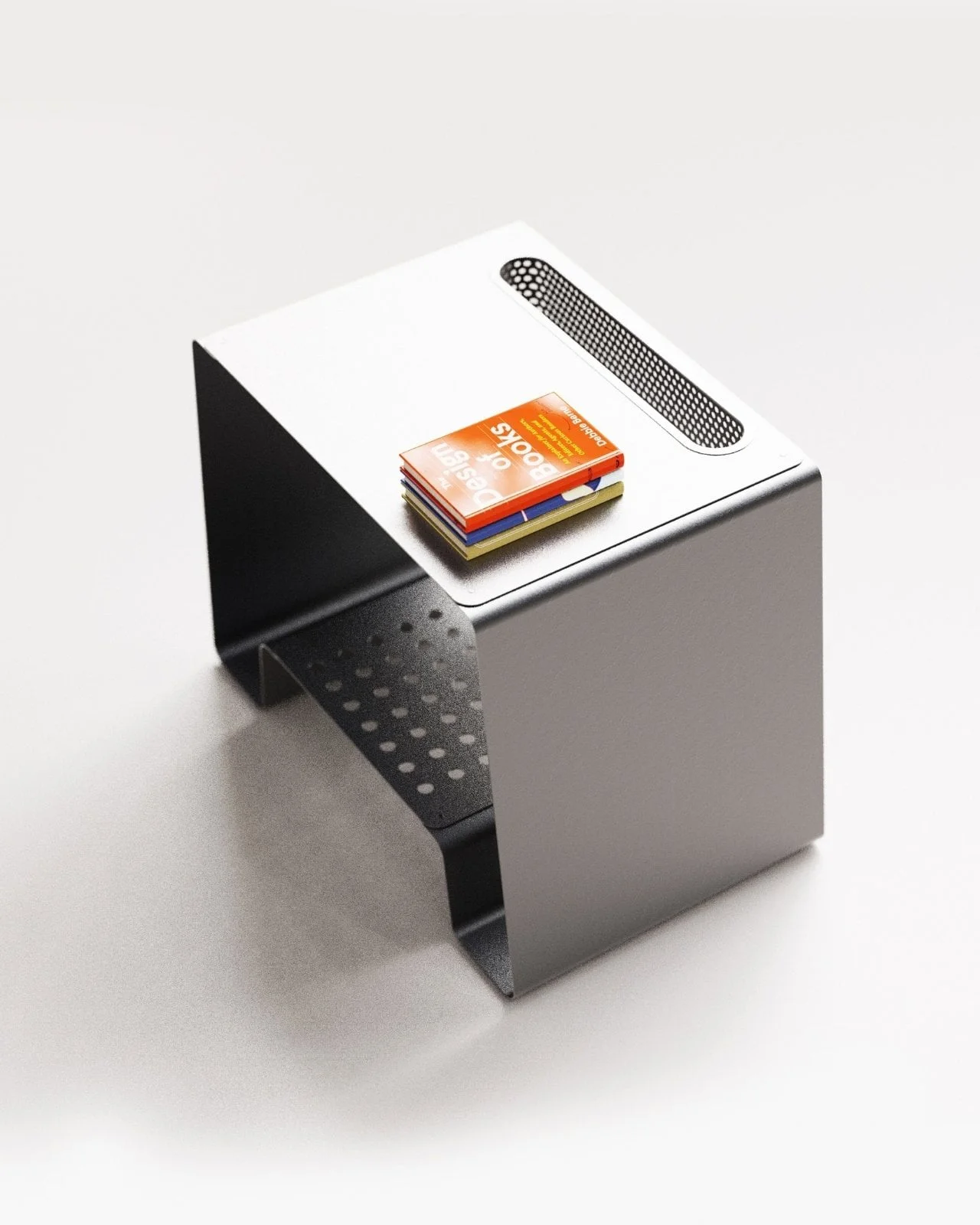
While it’s unlikely that Nafak's designs will overhaul the flat-pack aisle in big-box stores overnight, they serve as a compelling argument for a new category of furniture that prioritizes durability without sacrificing the convenience of shipping. By favoring materials like metal, Nafak's work speaks volumes about honesty and intent in manufacturing—qualities that resonate deeply with those frustrated by the fast furniture cycle. (And this is the part most people overlook: while fast furniture offers immediate gratification, it often lacks a meaningful connection to what we consider home.)
The Implications and Future Outlook
The emergence of designs like Platea and Vault is more significant than it looks at first glance. As consumers become increasingly aware of the environmental ramifications of their purchases, products that stand up to both physical and philosophical scrutiny will likely find a receptive audience. The furniture market remains inundated with cheap alternatives that may look appealing but ultimately contribute to a cycle of waste. If manufacturers want to stay relevant, they’ll need to rethink how they design, produce, and market their products.
This shift might not happen overnight, but it signals growing consumer demand for furniture that lasts—a move away from disposable items toward designs that reflect sustainability and practicality. As urbanization trends continue to rise, so does the need for furniture that meets the fluid lifestyles of city dwellers, who require pieces that adapt to their various needs. What this means for you is that investing in designs like Nafak’s could yield returns—both in satisfaction and longevity—that more traditional furniture cannot provide.
The post Rethinking Flat-Pack Design: Durable Sheet Metal Furniture Online first appeared on Yanko Design.
Discussion
Sign in to join the discussion.