Maxim Velčovský’s exhibition showcases glass vases that captivate even when empty, inviting viewers to appreciate light and form.
Challenging Conventional Design
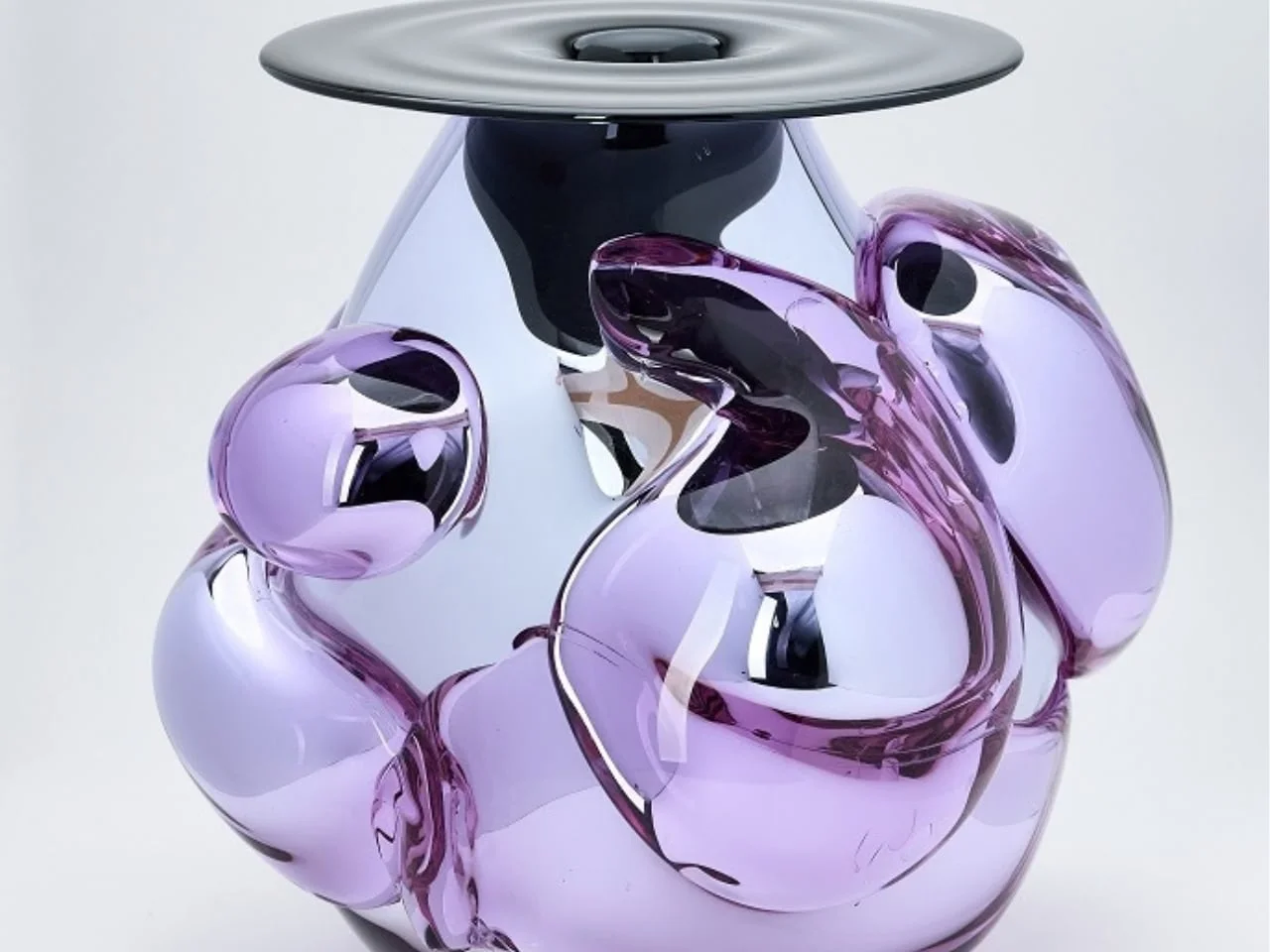
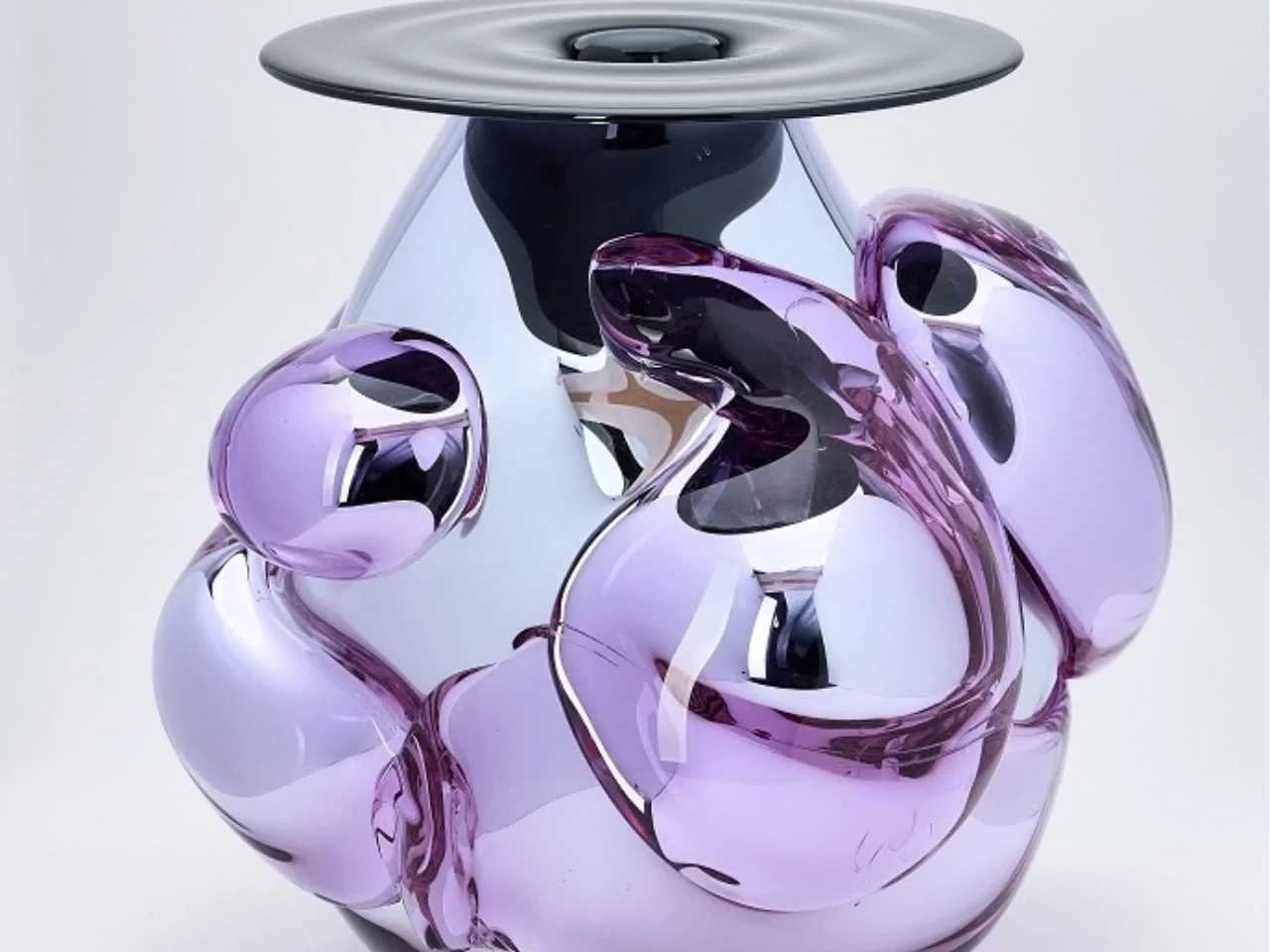
In his latest exhibition, Photosynthesis, designer Maxim Velčovský confronts the conventional notion of vases as mere receptacles for flowers. These glass pieces transcend their traditional role, transforming into striking focal points even when left empty. Velčovský’s creations, with their vibrant colors and intricate shapes, draw attention, making the absence of blooms a non-issue. Instead of serving as mere background decor, they assert their presence and demand the viewer's gaze.
This provocative approach can be seen as a broader commentary within the design community, challenging long-held assumptions about everyday objects. For decades, vases have been relegated to secondary status—functional items that exist to serve a purpose. However, Velčovský flips the narrative, suggesting a rethinking of how we consider form and function in art and design. By positioning vases as essential components of a room's aesthetic rather than mere accessories, he raises questions about the role of objects in our living spaces.
Dynamic Interactions with Light
What stands out in Velčovský's work is how the vases interact visually with their environment. Light dances across their surfaces, creating a constantly evolving display of colors and reflections that vary with the changing angles of light. Each glance can reveal a new perspective, adding a layer of intrigue that challenges the idea of static decoration.
This characteristic bears significance beyond aesthetics; it speaks to the integration of art into the lived experience. In an age where personal spaces are increasingly curated, objects that can adapt their appearance based on environmental conditions inherently offer more than those that remain visually static. This dynamism encourages owners to engage with their decor on a deeper level, prompting regular interaction and reflection on their personal taste.
Exploring Unusual Silhouettes
The collection features a variety of unusual silhouettes, including bulbous shapes that seem to emerge from a single center, resembling droplets in a state of suspended motion. Each piece varies in detail; some bloom into wide, flat rims that bring an unexpected calmness to their lively forms. One noteworthy piece showcases translucent lavender flowing around dark, reflective elements, while another combines rich amber and smoky hues that appear to be in a state of flux.
Consider the gold-toned vase that achieves a liquid-like aesthetic; its reflective surface draws in the surrounding space, while its organic protrusions create a fluid outline. The blue vases possess an aquatic quality, their curvatures invoking waves in motion. These pieces don’t require elaborate settings to make a statement; rather, they have the power to elevate the atmosphere of any room. What’s intriguing is how these designs subvert traditional expectations. Vases are no longer confined to a conventional shape; instead, they challenge existing conventions and invite conversations about functionality and artistry.
Imbuing Life into Glass
The exhibition deftly links the visual effects of light and color back to the concept of Photosynthesis, suggesting a vitality within the glass that mirrors natural life processes. Velčovský's work might not literally create life, but it infuses light with a sense of dynamism, transforming a static object into a visual spectacle. Instead of merely containing flowers, these vases offer a platform for witnessing change and interaction.
Here’s the thing: when objects embrace a narrative of vitality, it shifts how they’re perceived by viewers. Rather than existing solely as aesthetic elements, they encourage dialogues about their place in the biosphere of design, linking them to broader discussions around sustainability and materiality in contemporary art.
Engaging with Form and Interpretation
The pieces provoke dialogue around form and connotation, as remarked by art and design theorist Dr. Stephan Hamel, who interprets the vases' shapes as embodying a gender-neutral sensuality. While this interpretation may be debated, the allure of their forms undeniably captivates. The designs overlap and swarm together, eschewing perfect symmetry in favor of a more organic, engaging aesthetic.
This element of sensuality in design is particularly fascinating because it challenges societal norms around both art and gender expression. By creating pieces that elicit emotional responses, Velčovský invites viewers to reconsider their preconceived notions about aesthetics—something that tends to be overlooked in contemporary design discourse.
Bridging Tradition and Modernity
Some pieces strike as almost surreal, blurring the lines of physical possibility and invoking excitement about their creation process. Produced at AJETO glassworks and Edo Studio in Svojkov, these vases ensure a tactile connection to traditional glassmaking, highlighting the relationship between craft and concept. Velčovský anchors his designs in a reality that elevates their otherworldliness.
This connection back to traditional craftsmanship is crucial in an era increasingly dominated by mass-produced design. As consumers become more aware of the origins of their items, there’s a shift towards valuing artisanal quality. Velčovský's work exemplifies how modern design can thrive while respecting its roots, thus positioning itself at the intersection of craftsmanship and contemporary artistry.
The Exhibition's Impact and Future Outlook
From October 7 to 11, Photosynthesis will be displayed at the Riding Hall of Prague Castle as part of Designblok 2026. The grandeur of the venue complements the thought-provoking nature of the vases, while the captivating visuals suggest their charm would equally thrive in more casual settings. This dichotomy enhances their appeal; aspirational yet relatable, they invite a reconsideration of even the simplest decorative objects at home.
Ultimately, Velčovský’s vases provoke thought beyond their utilitarian purpose. They engage with light and space in a manner that invites ongoing reflection. While they would undoubtedly enhance any floral arrangement, their true strength lies in the beauty of their emptiness, reminding us of the wonder that can exist in a simple object. If you're working in this space, consider how objects like these might transform your own practices and perceptions.
The post These Glass Vases Look Better Empty, and Nobody Questions It first appeared on Yanko Design.


Discussion
Sign in to join the discussion.