Gen Z is gravitating towards simple, standalone gadgets that prioritize ownership and user experience over constant connectivity and notifications.
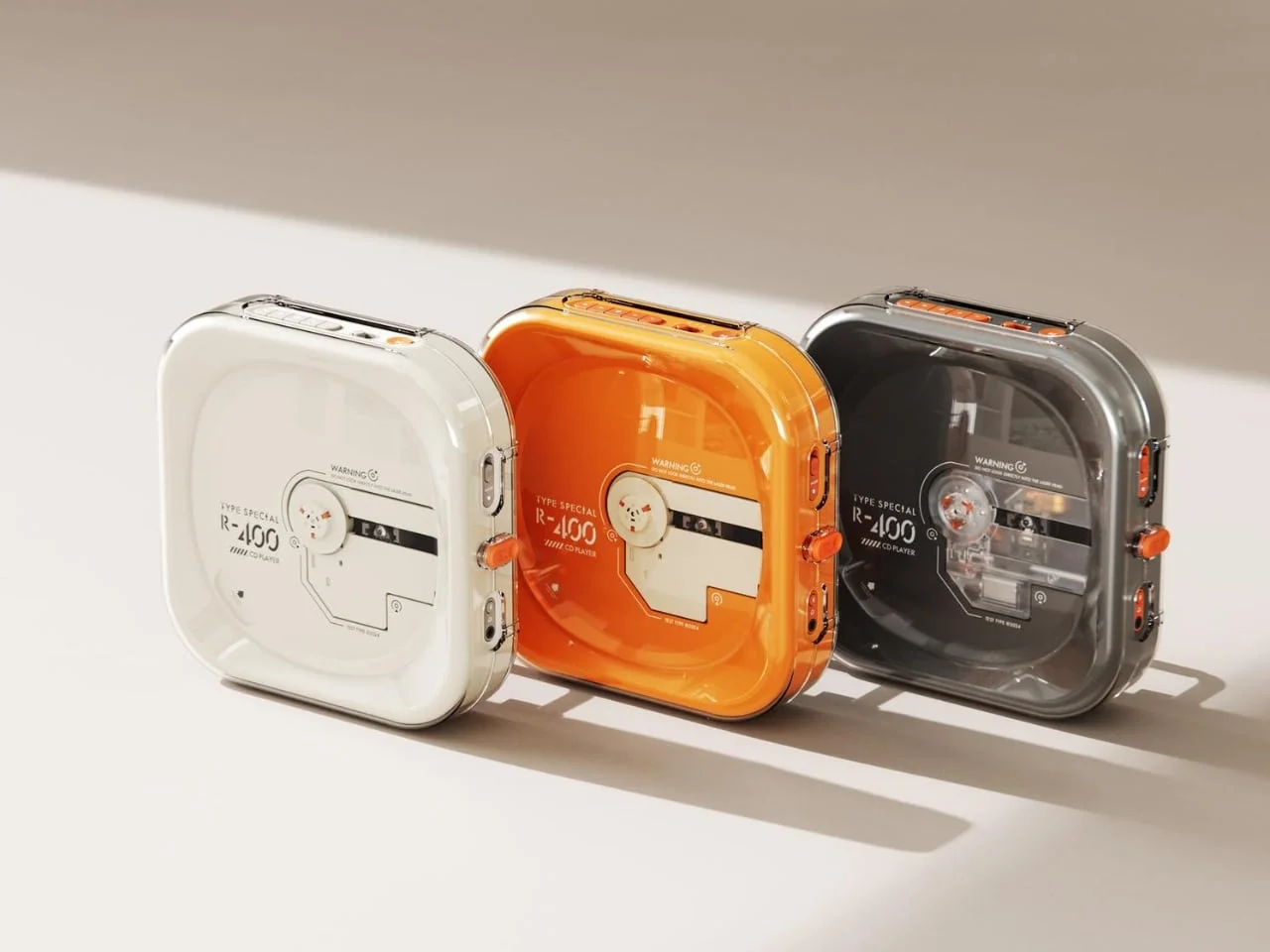
There's a noticeable shift where Gen Z, a generation often characterized by their digital immersion, is returning to simpler gadgets designed for tactile enjoyment rather than screen time. Their newfound interest extends to products like CD players, handheld game consoles, and simpler cameras, signaling a desire for ownership over technology that demands constant attention and frequent updates. In essence, they seem to be choosing devices that prioritize engagement in the physical world and genuine usability.
1. Syitren R400 Bluetooth CD Player

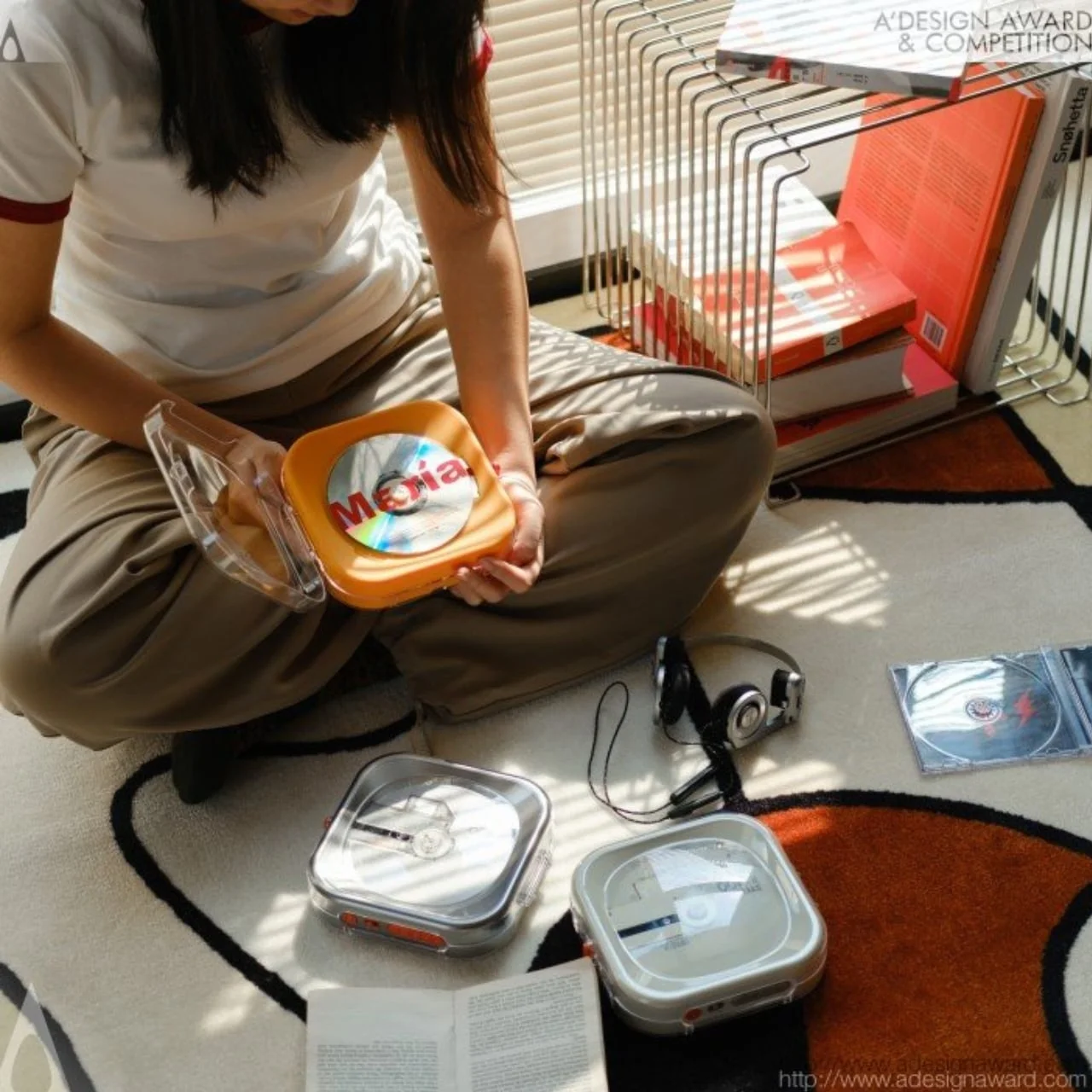
The landscape of portable CD players had become stagnant, but the Syitren R400 breathes new life into the category. Designed with a compact form factor and modern aesthetics, this player leverages Bluetooth 5.3 technology while delivering high-fidelity sound quality through its custom CD core. With a commendable signal-to-noise ratio of 70dB, it maintains clarity even during movement, thanks to well-thought-out anti-vibration features.
The design is both functional and visually pleasing, allowing for a customizable exterior that lends an air of personalization to the device. Moreover, with four hours of continuous playback on a single charge, it balances efficiency with style, inviting users to embrace their physical music collections once again.
Pros
- The customizable outer shell offers a personal touch, enhancing user connection to the device.
- Anti-vibration technology ensures uninterrupted playback, even while on the go.
Cons
- The battery life provides ample coverage for daily use but may limit longer listening sessions.
- With Sony scaling back on portable CD players, the R400 faces minimal competitive pressure, allowing it to command a higher price point.
2. Game Bub
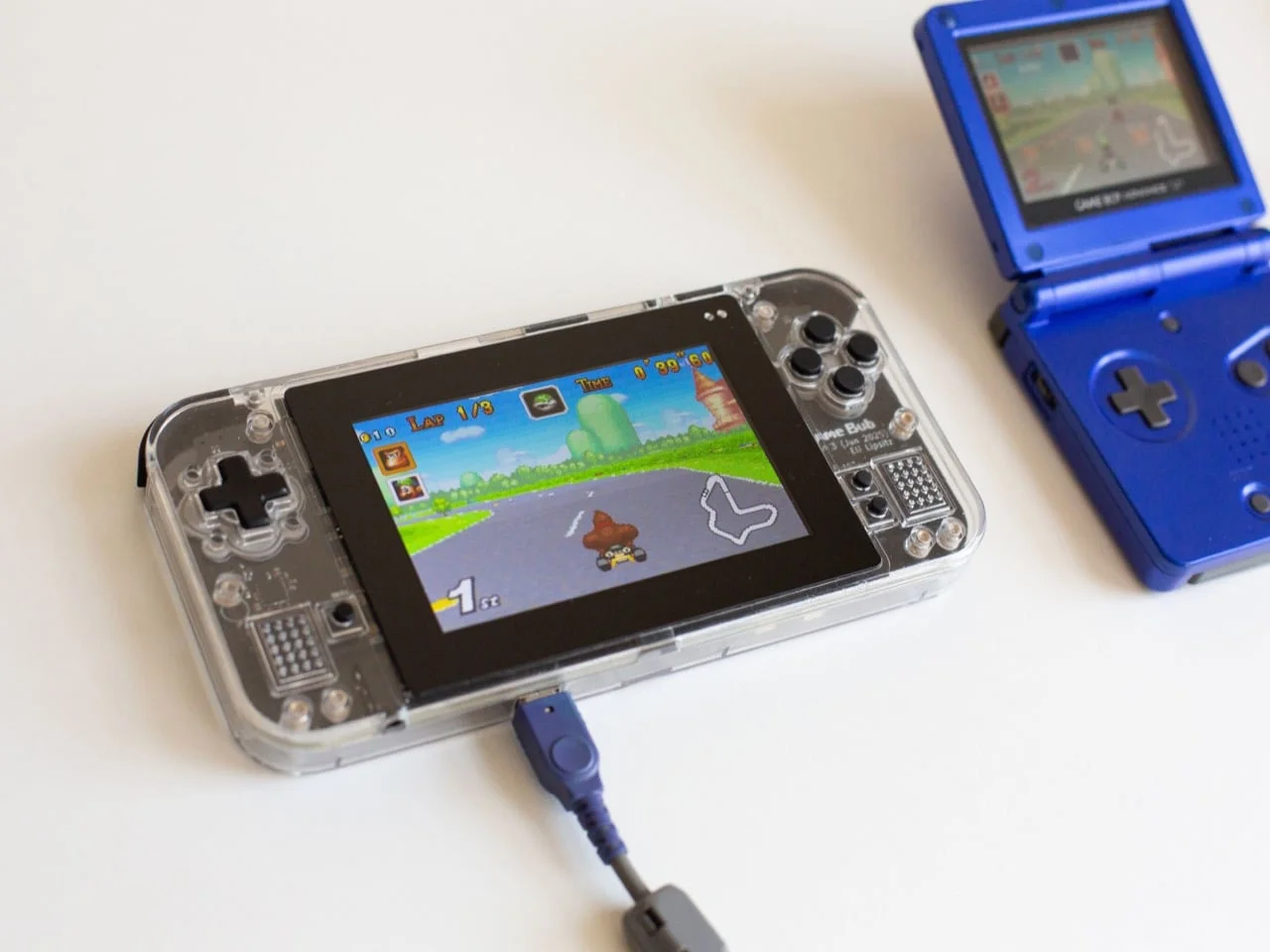
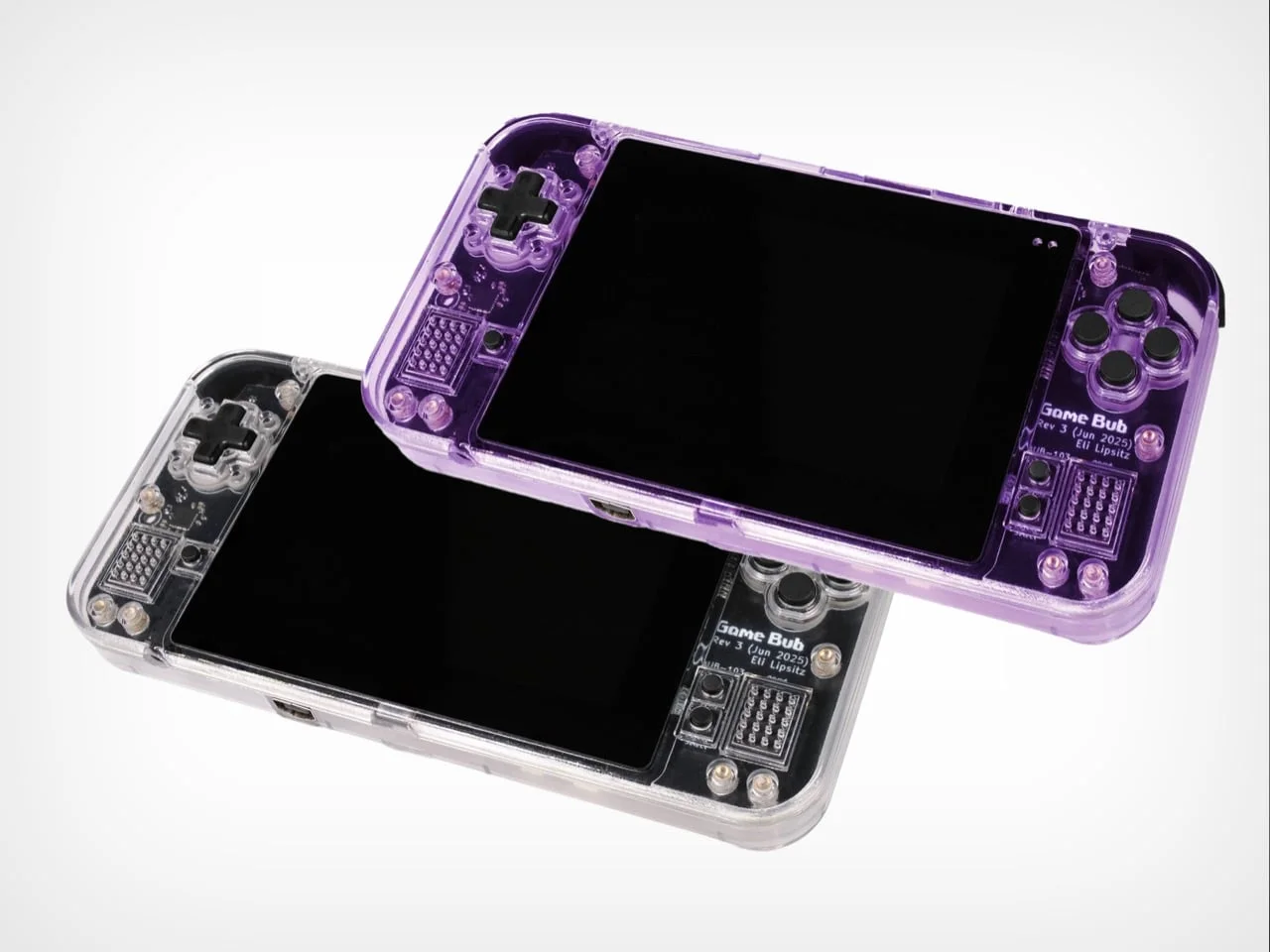
The nostalgia for classic handheld gaming is embodied in the Game Bub. Utilizing FPGA technology, this device recreates the original hardware of the beloved Game Boy series with precision that software-based emulation typically lacks. Available in visually appealing colors like Purple and White, it stands out not only for its aesthetic but also its thoughtful design that caters to the needs of extended play.
This doesn’t just feel like a retro clone; it includes modern features like USB-C charging and Bluetooth connectivity, making it a versatile addition to any gamer's collection, while honoring the ergonomic comfort of its predecessors.
Pros
- FPGA technology ensures your classic games are played as intended, maintaining original functionality.
- The horizontal design enhances comfort for prolonged gaming sessions, a notable departure from current vertical trends.
Cons
- Its premium pricing reflects hardware-level accuracy, potentially limiting accessibility for some gamers.
- As an open-source device, firmware updates can have longer timelines, potentially frustrating early adopters.
3. Clip&Go Radio
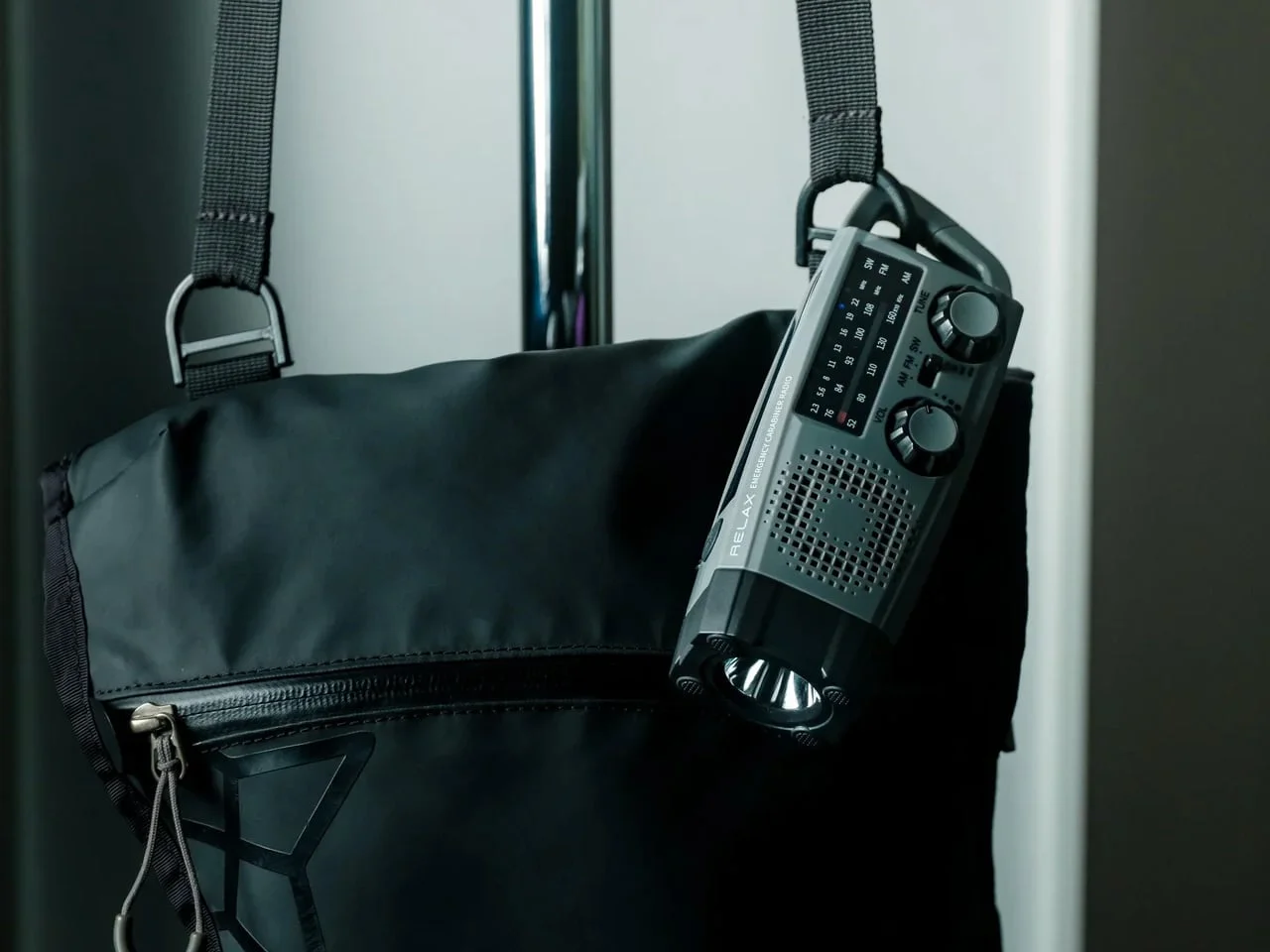

While it may seem surprising, a portable FM radio like the Clip&Go is finding favor among Gen Z. Small enough to easily attach to a bag, its utility extends beyond mere listening, featuring a flashlight and solar panel for added functionality. This gadget promotes the idea of a single-purpose tool that excels at one task without the constant distraction of notifications or algorithm-driven content.
Selling for $60, it provides an appealing alternative for those seeking a break from smart devices while still enjoying the freedom of portability and reliability.
Pros
- Its solar panel and hand crank enhance practicality, ensuring it remains useful in situations where other devices may fail.
- The clip-on design encourages carry-along use rather than relegation to a bag, promoting active engagement.
Cons
- FM signal quality can vary significantly based on location, which may frustrate some users.
- For $60, it competes with multifunction Bluetooth speakers that offer more features on paper, challenging its market positioning.
4. Camera (1)
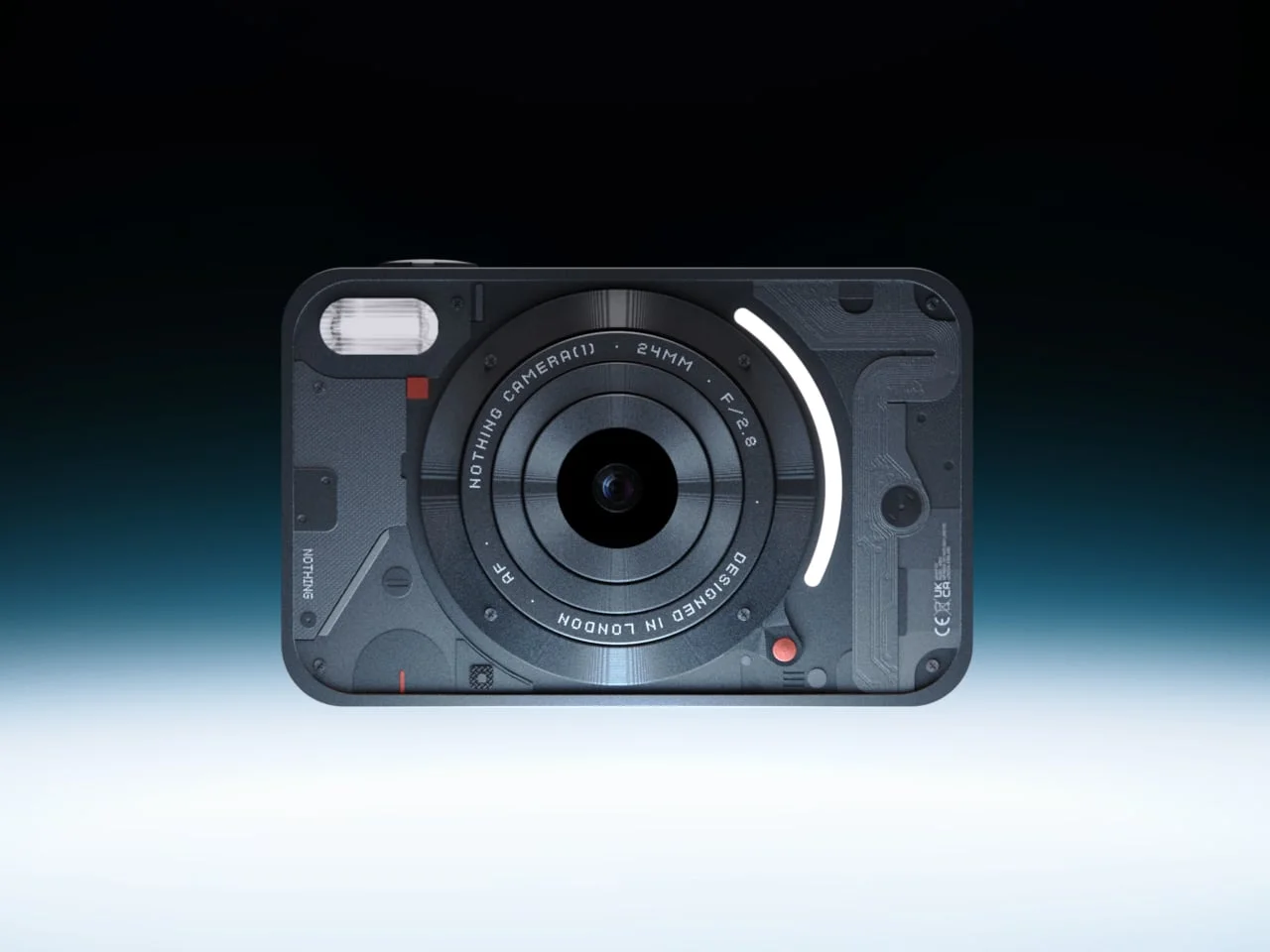
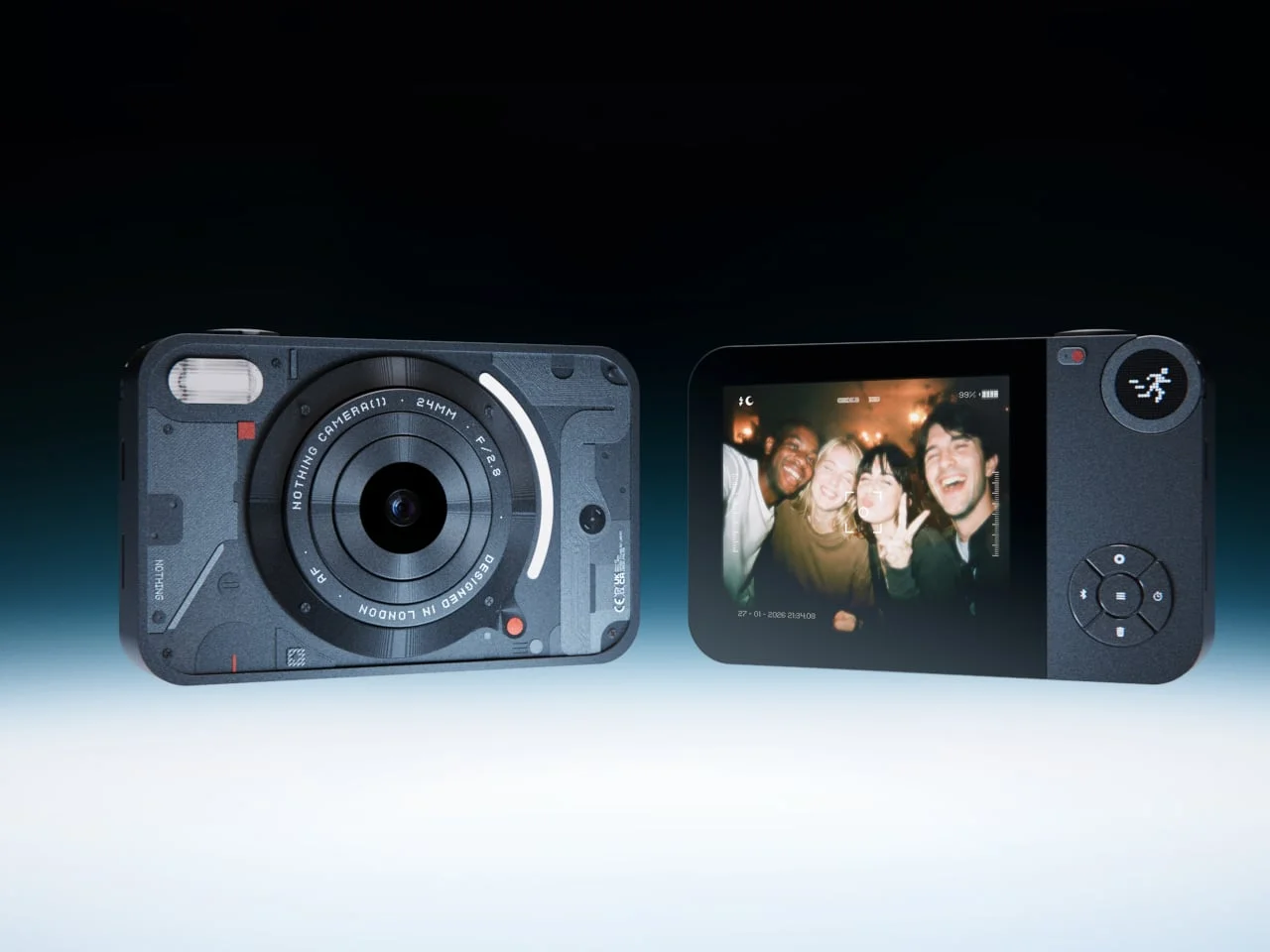
The Camera (1) expresses a desire for a renewed photography experience free from smartphone distractions. This concept emphasizes physical controls instead of relying on complex touchscreen menus, making it intuitive to operate. It features a solid metal body and easy-to-access controls, encouraging the user to focus on capturing moments rather than navigating settings.
The design integrates a light strip for communication of functions like focus and countdowns, enhancing user experience by eliminating unnecessary screen time. This innovative approach to camera design makes it appealing for users seeking a deeper, more engaged way to document their lives.
Pros
- Controls are easily accessible, allowing users to maintain situational awareness while taking photos.
- The intelligent use of a light strip for status updates keeps information visible without distraction.
Cons
- As a concept, it lacks concrete availability and a pricing structure, leaving potential users in limbo.
- The design philosophy closely mirrors an existing aesthetic, which may not resonate with all consumers.
5. elrow miniphone
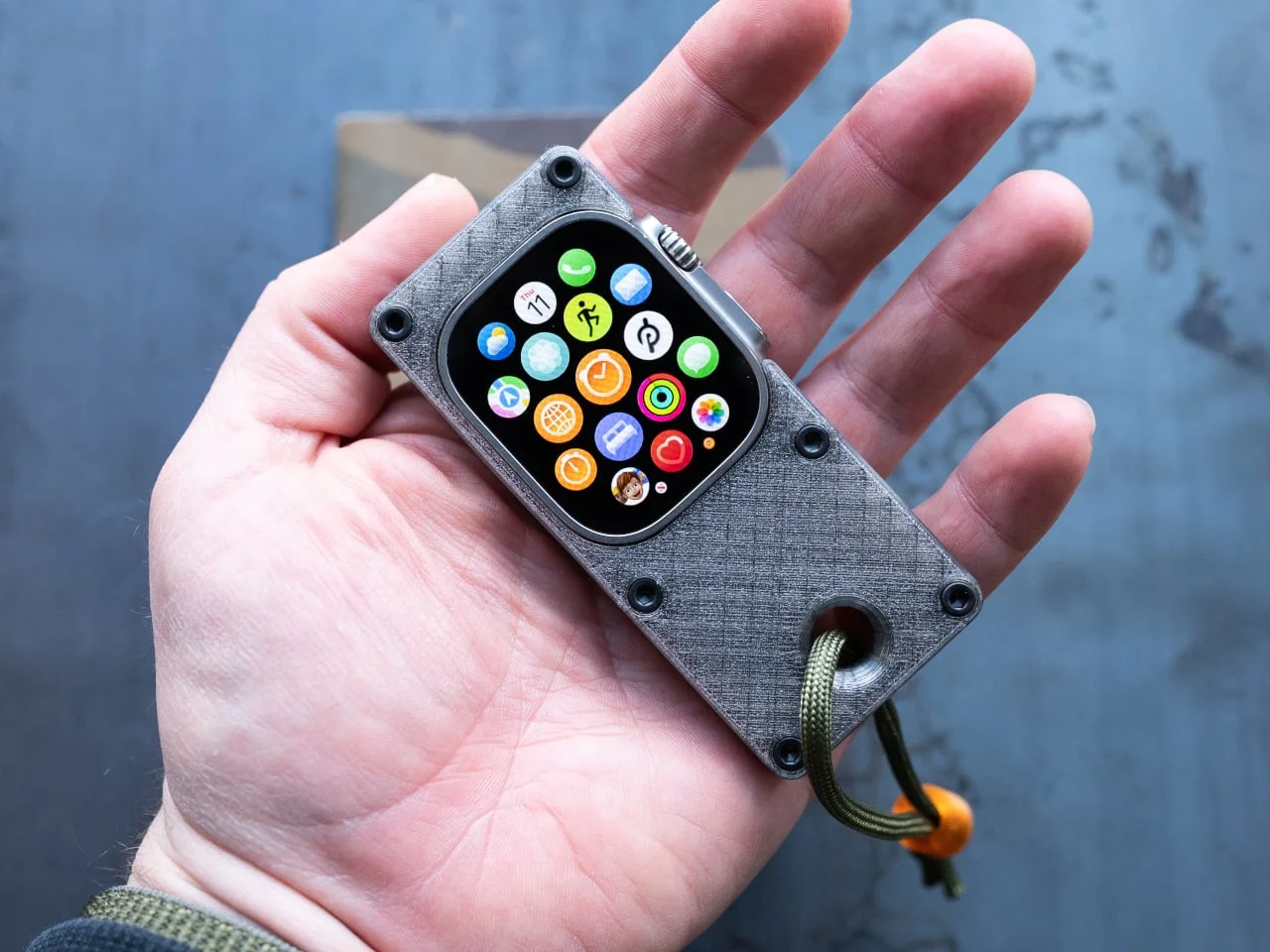
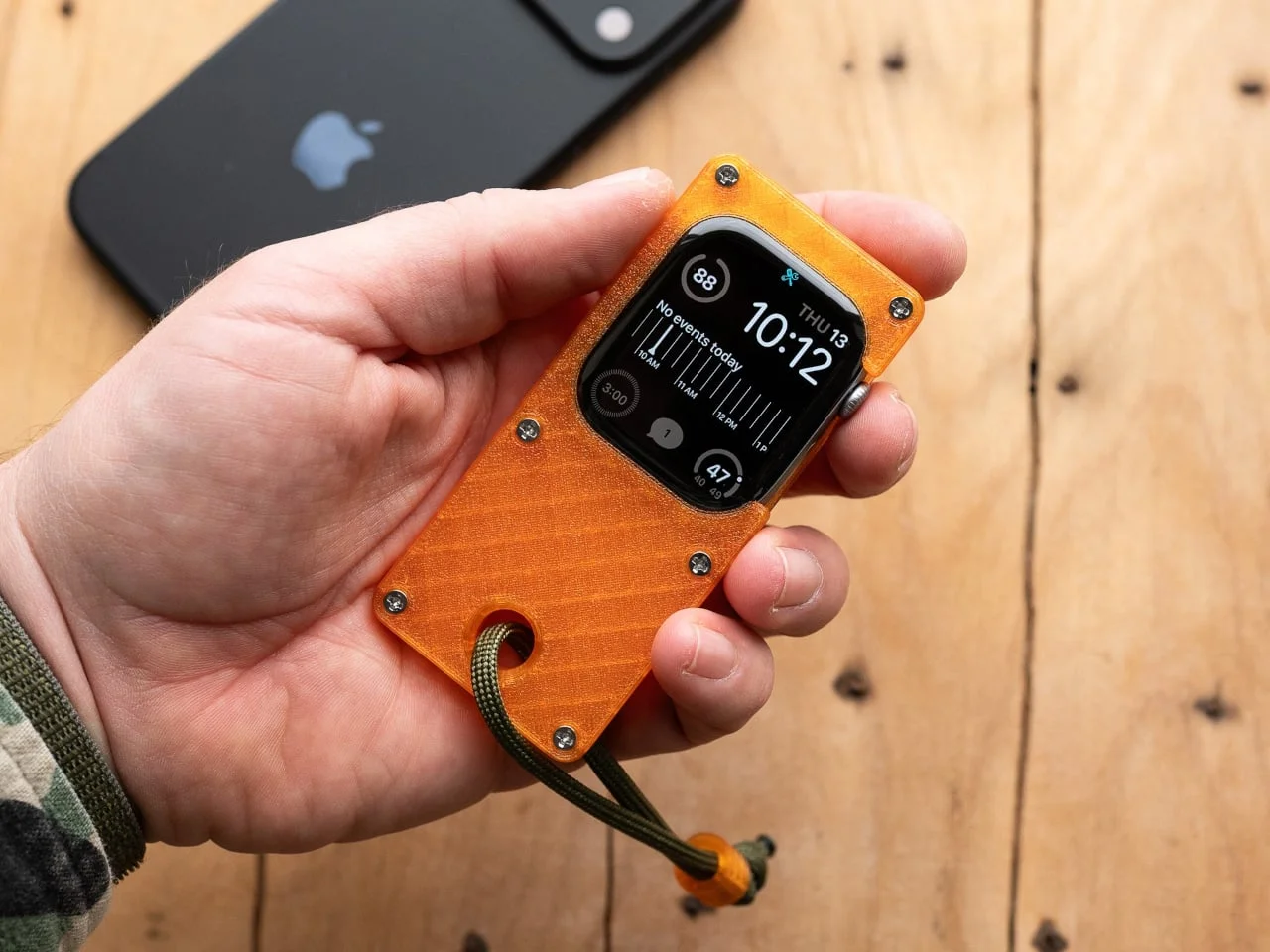
As some users reconsider the necessity of full-sized smartphones, the elrow miniphone offers a refreshing take on connectivity. This 3D-printed case transforms an Apple Watch into a compact, lanyard-worn device, freeing users from the cumbersome smartwatch experience. It provides a way to keep essential notifications and features handy without sacrificing wrist space for an analog timepiece.
Pros
- The design's open-back feature allows for hassle-free charging, thereby enhancing user convenience.
- Detaching connectivity from the wrist allows freedom to wear a preferred traditional watch.
Cons
- Its dependency on specific Apple Watch models limits its appeal for users without compatible devices.
- Adopting a lanyard-worn device may require changing user habits, potentially hindering its everyday practicality.
Embracing Ownership
This assortment of gadgets illustrates that Gen Z is not shunning technology outright. Instead, they are developing a curated relationship with it, choosing items that empower them rather than overwhelm. Whether it's a CD player devoid of algorithms or a handheld game console that embraces the nostalgia of gameplay, these devices highlight Gen Z's desire for tangible ownership. They seek objects that resonate with their experience, allowing for a real connection in an increasingly digital world.
In a culture where streaming and subscriptions dominate, the importance of owning physical items is becoming increasingly clear. Possessing a CD, a game cartridge, or a dedicated camera creates a sense of connection that fleeting digital access cannot replicate. This is Gen Z taking back control, one carefully chosen object at a time.
The post 5 Gadgets Gen Z Actually Wants to Own Right Now first appeared on Yanko Design.

Discussion
Sign in to join the discussion.