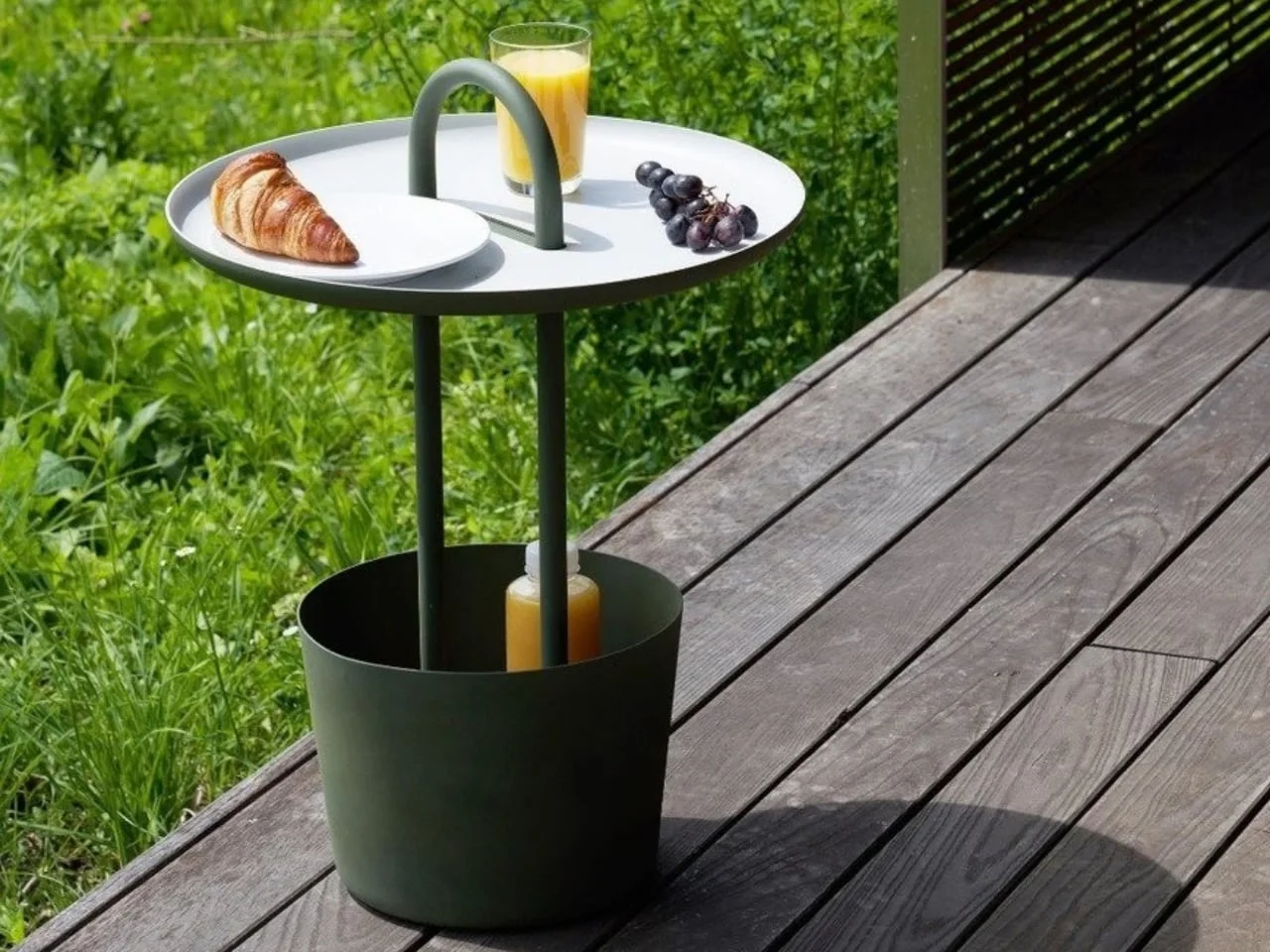
Hsinhung Chou's Handy furniture reimagines mobility in small spaces, allowing pieces to adapt to users' shifting needs throughout the day.
Redefining Furniture Adaptability
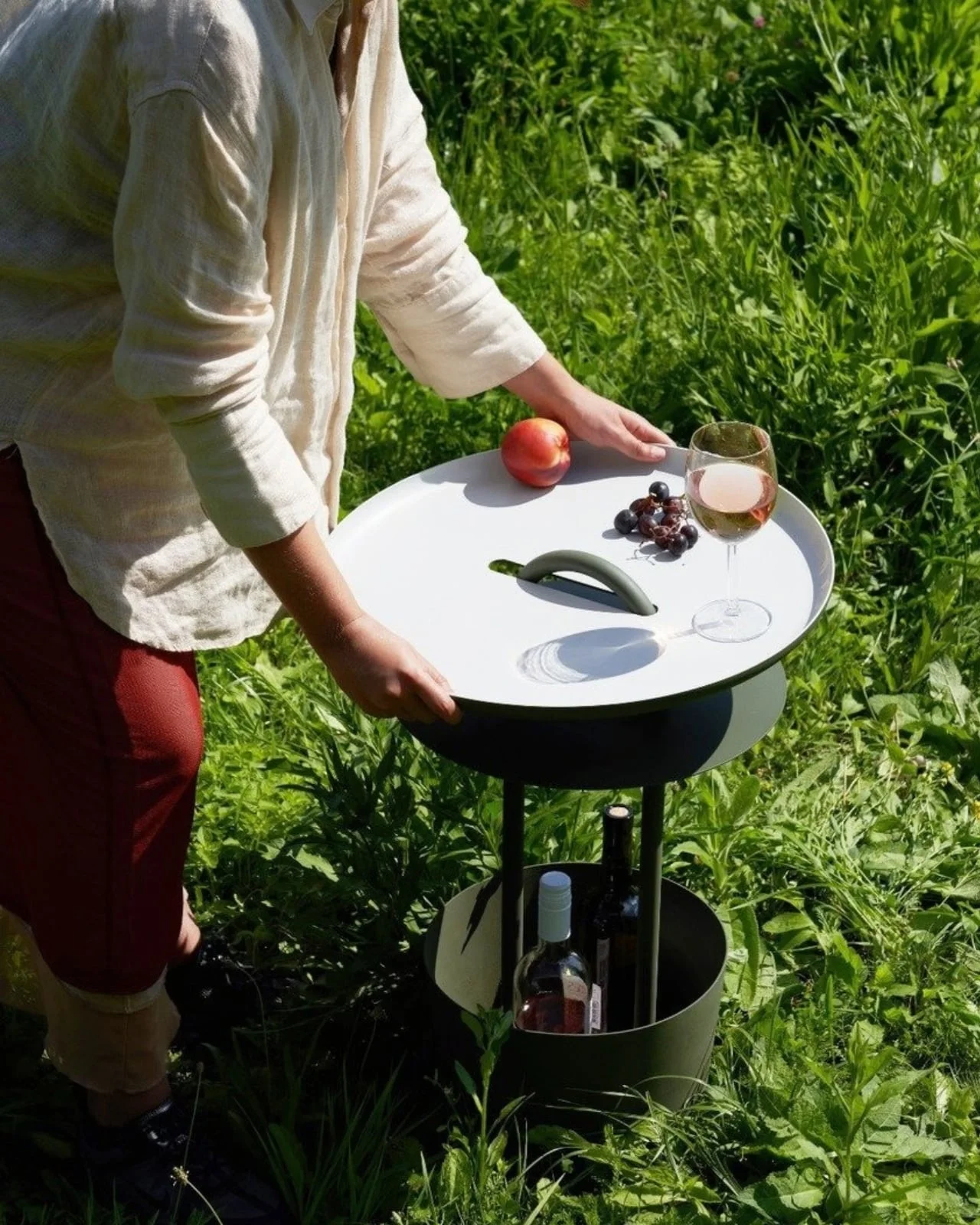
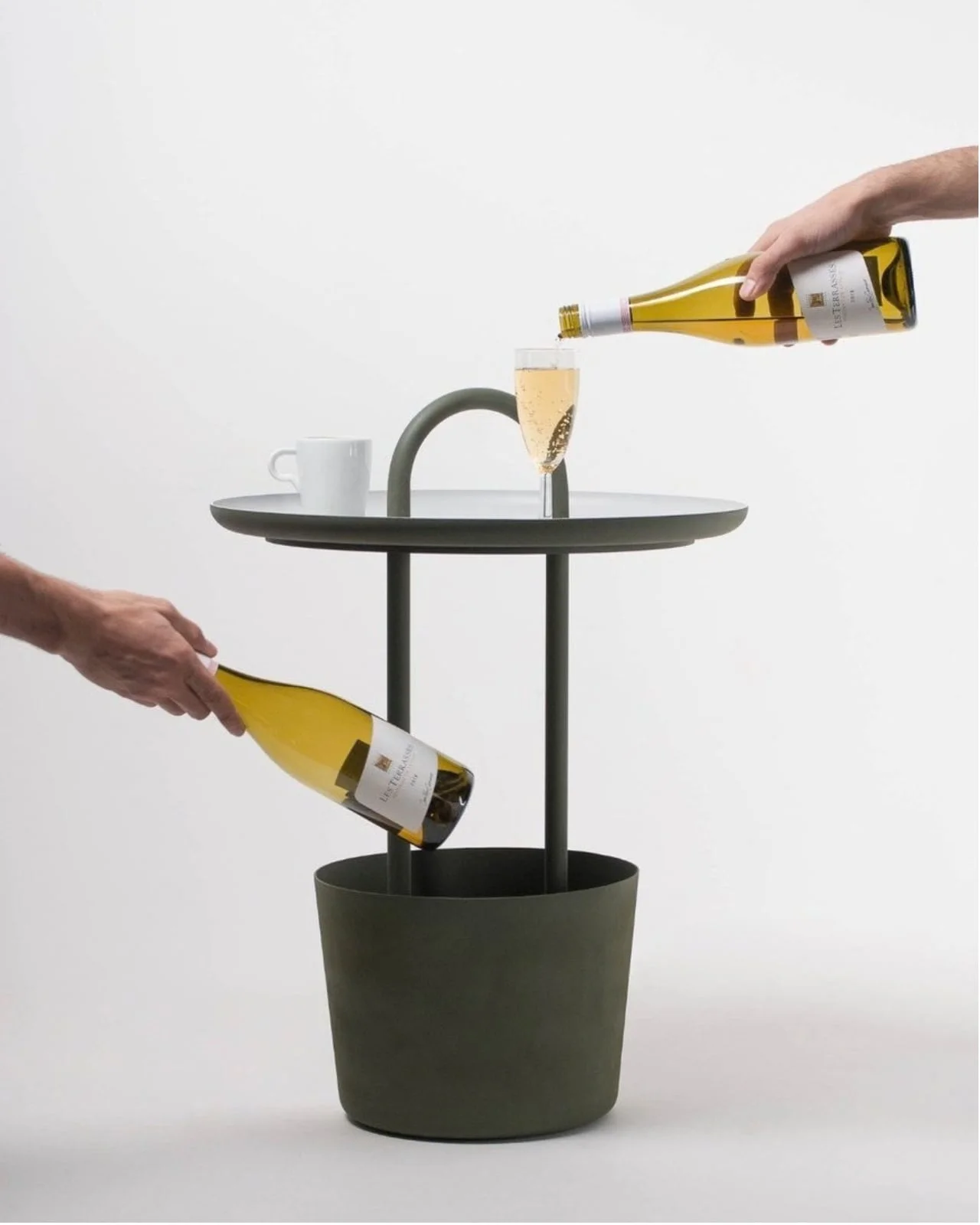
Traditional furniture often struggles to adapt to the dynamic nature of our daily routines. Enter Handy, a flexible furniture concept created by Taiwanese designer Hsinhung Chou. Designed to follow its user rather than impose itself on a living space, Handy addresses the mismatch between fixed furniture and the fluidity of everyday life. It’s an understanding that many designers miss: that furniture should never feel like an obstacle in daily life.
Transforming Everyday Spaces
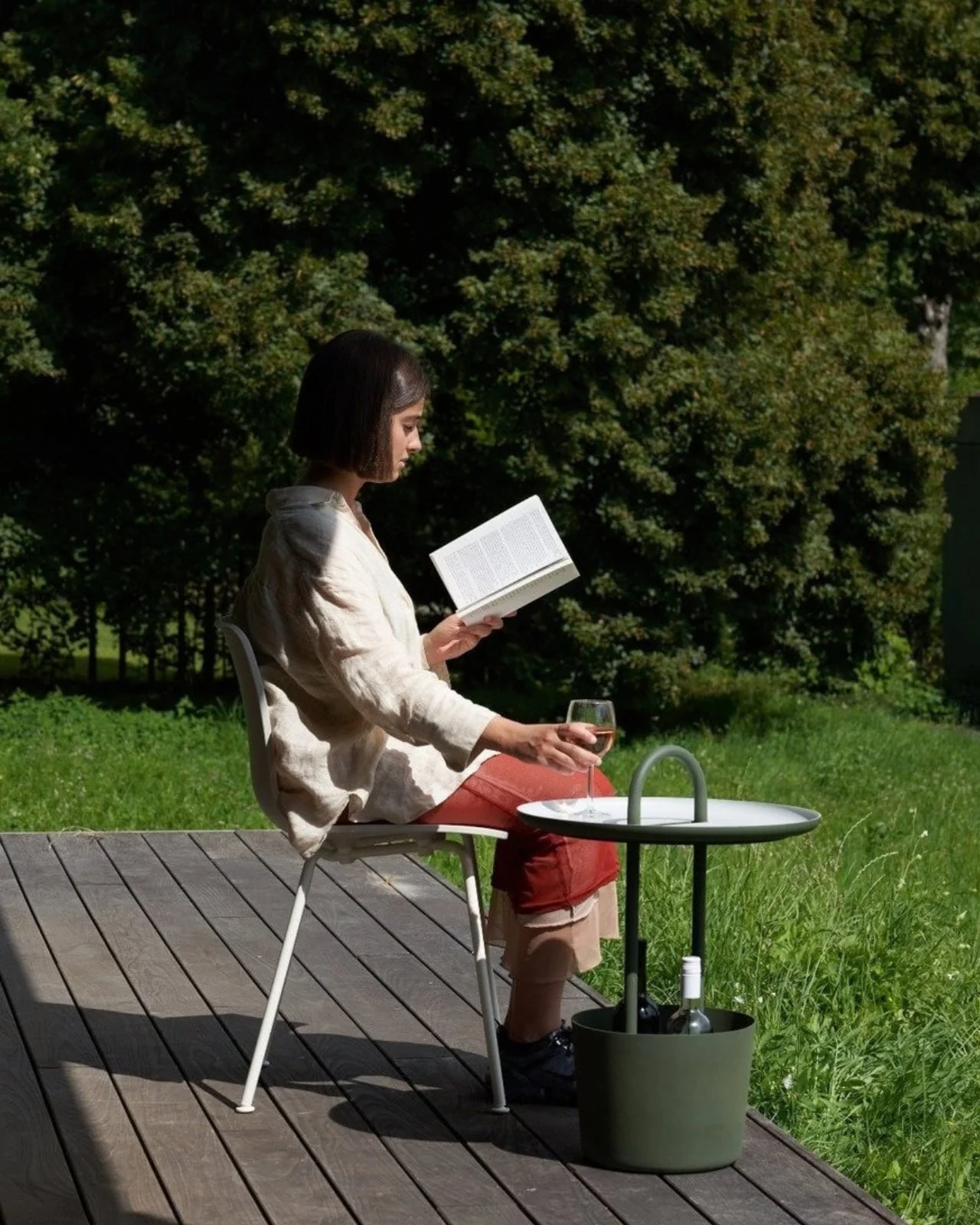
Imagine needing a side table while sipping morning coffee, repositioning it to support your work in the afternoon, and then moving it aside for dinner gatherings in the evening. Handy empowers users to reconfigure their environments without major overhauls, tools, or additional purchases. This adaptability emphasizes that furniture should align with human habits, transforming cluttered corners of our lives into organized spaces. In essence, it’s about multifunctional spaces reflecting multifaceted lives.
In today’s fast-paced world, the idea of reconfiguring living spaces according to immediate needs is not just nice, it’s necessary. If you’re working in this space, you’ll recognize that smaller living areas require furniture to be versatile and usable across activities. Handy seeks to alleviate the stress of adapting spaces—because a fixed layout can lead to frustration and inefficiency.
Designer: Hsinhung Chou
Movement as Design Philosophy
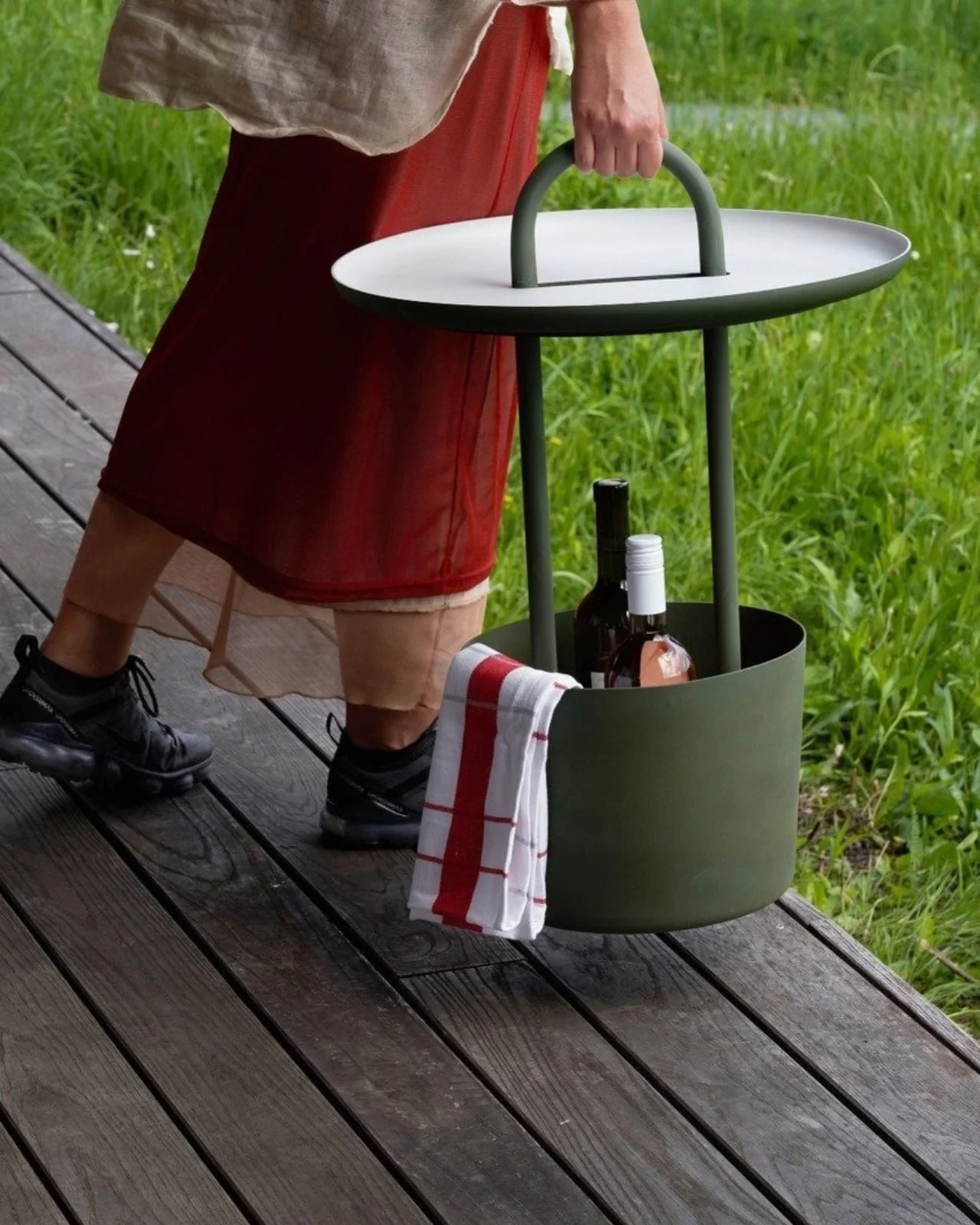
Chou's vision challenges the conventional approach to mobility in design, where movement is often just an afterthought. Handy elevates this concept, integrating movement into its very essence. Rather than just creating another gadget, the focus is on alleviating the small inconveniences we encounter daily by allowing items to transition easily between various tasks and settings. This perspective is particularly relevant as remote work and home-based activities continue to rise.
Consider the items that accumulate around a couch—from books to electronics. Instead of purchasing another table to manage this clutter, Handy suggests a simpler solution: furniture that can shift locations according to need. This idea recognizes that sometimes the furniture isn’t the issue; it's simply in the wrong spot for how we live today. An adaptable solution is more than just convenient; it can lead to smarter utilization of space.
Simplicity in Design
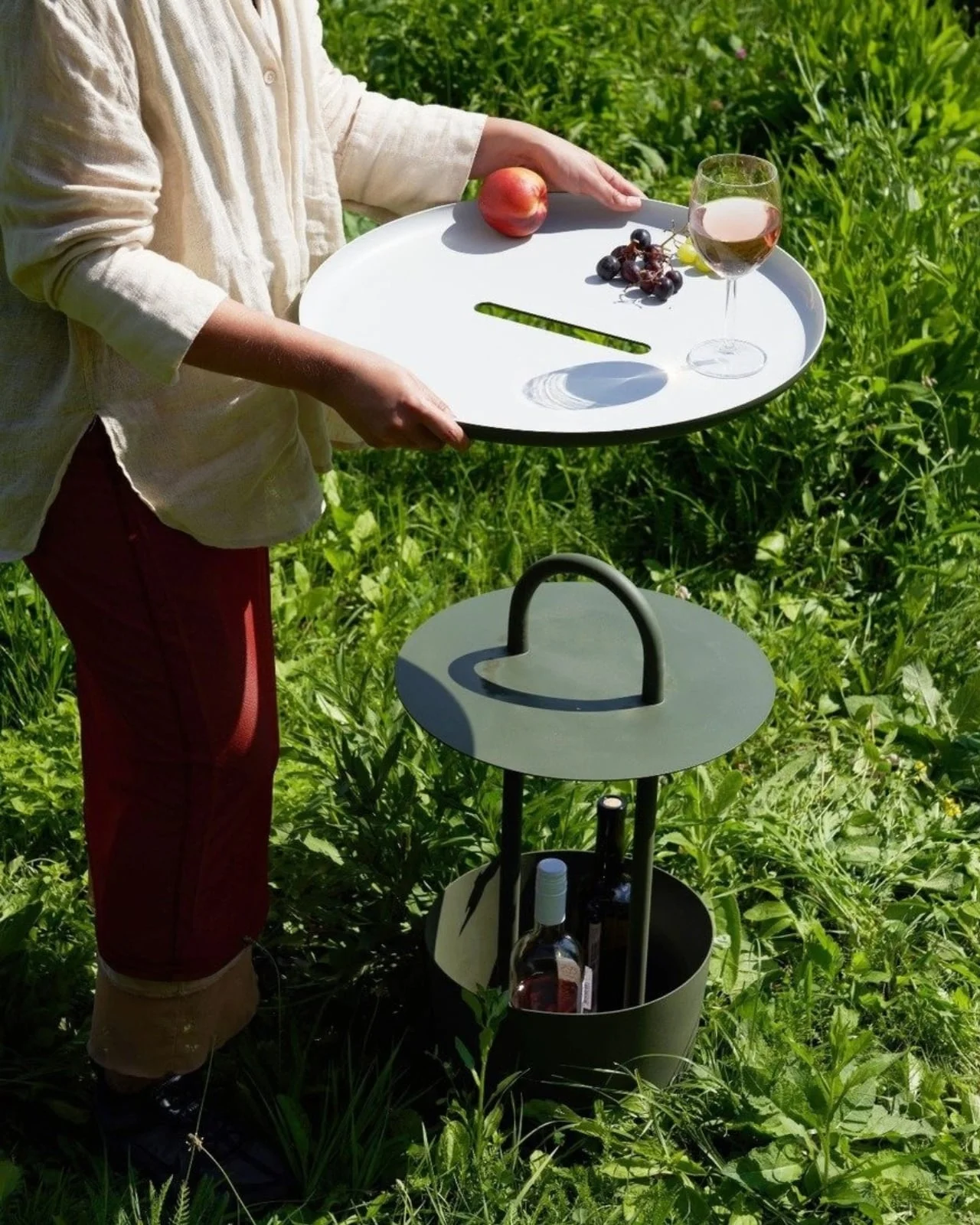
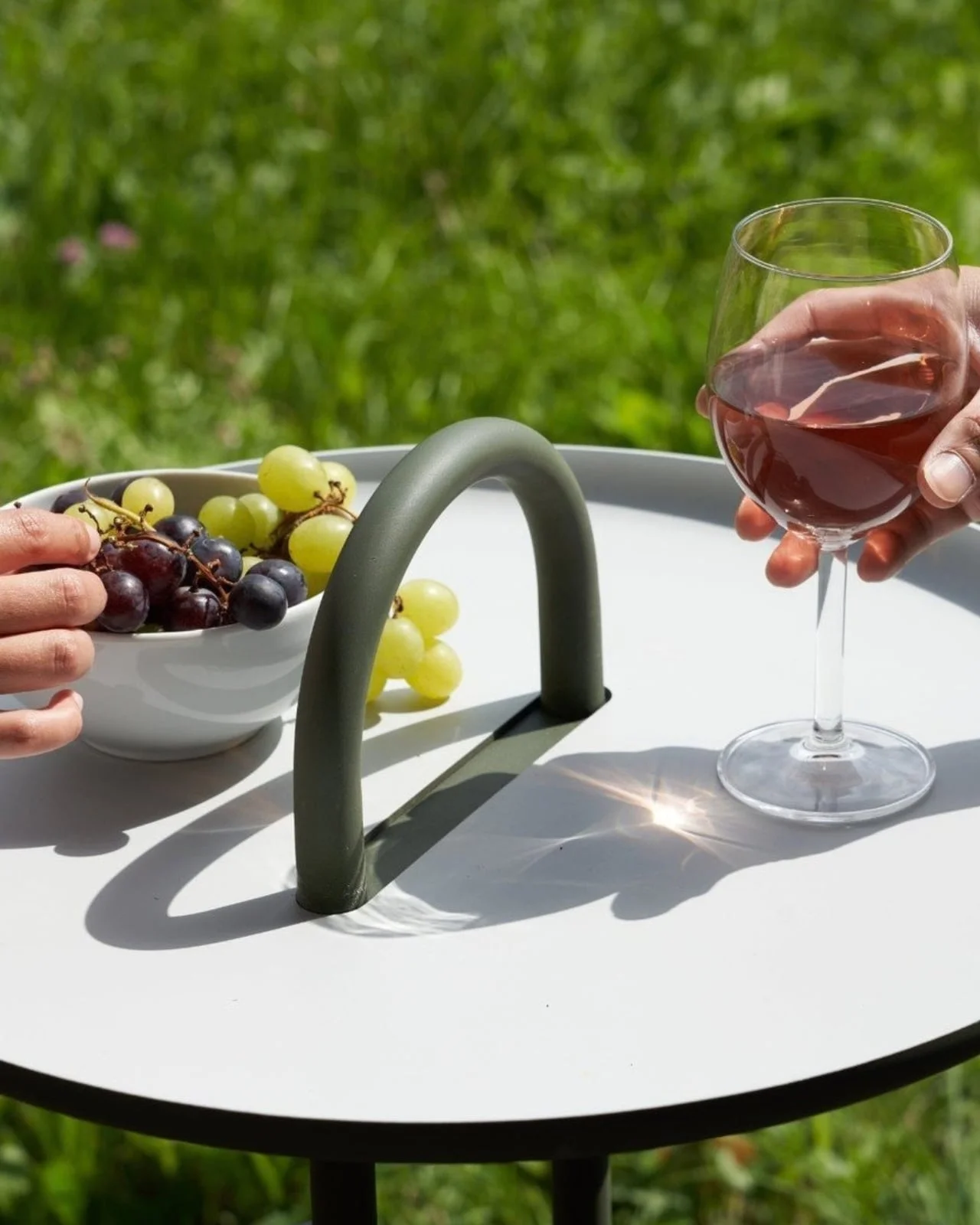
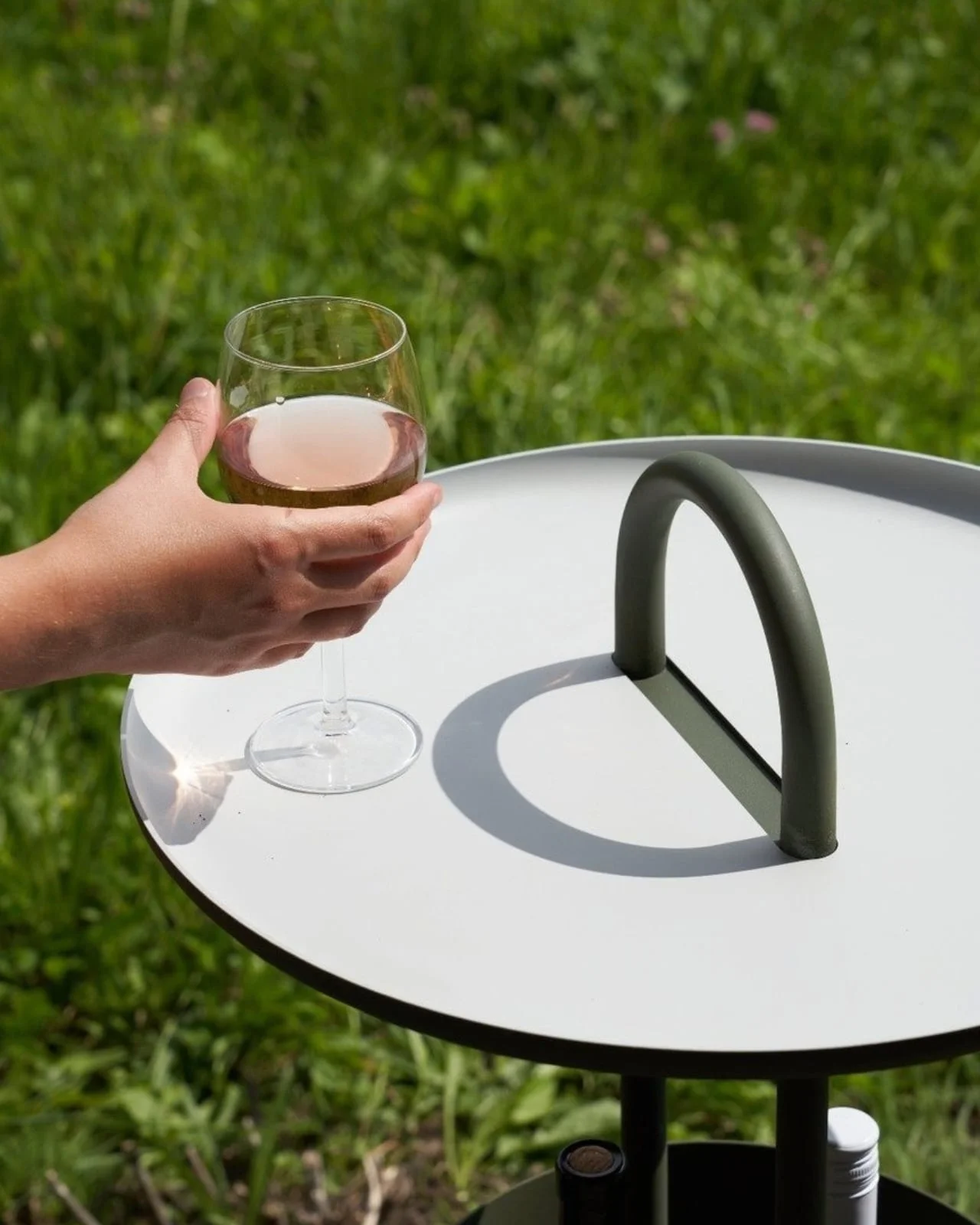
The design philosophy behind Handy is refreshingly understated. Many products on the market promote flexibility through complex mechanisms, yet Handy’s effectiveness lies in its simplicity. It doesn’t need flashy features or promises of a transformed lifestyle; its aim is to fit into multiple contexts, enhancing utility without the spectacle. In a market saturated with gimmicks, that clarity is more significant than it looks.
Of course, mobility is just one aspect. A well-designed piece must also feel safe and stable during use while being easy to reposition when needed. The real test for Handy will be how it handles common issues like clutter and navigating tight spaces. Stability is critical; only time will tell if this approach is a lasting solution for compact living. And yet, those who appreciate minimalism might find Handy exactly what they’ve been searching for.
Implications and Future Outlook
This way of thinking extends beyond compact living spaces. Even homes with ample square footage can suffer from rigidity if every piece is locked into a singular purpose. Lifestyle changes are now rapid; people often move furniture based on light quality or noise levels when working from home. Pieces considering these dynamic needs could redefine how we interact with our environments. Furniture could become a responsive participant in our daily lives rather than a static backdrop.
Handy doesn’t rely on connectivity or digital solutions to attain its appeal. Instead, it promotes uncomplicated adaptability that aligns more closely with everyday life. The design encourages efficiency without demanding user engagement, making improvements feel natural rather than forced. Subtle functionalities often yield the most satisfying experiences over time—this emphasis on user experience translates into a broader expectation for future designs.
Rethinking Furniture for Modern Lifestyles
Handy won't replace traditional furniture, nor should it. Instead, it prompts a critical question for anyone looking to furnish their space: can this item adapt alongside us? Chou’s design resonates with practicality, making the notion of a more fluid home feel logical rather than resigned. For spaces that transition through varied uses, this adaptability may become its most appealing aspect. After all, furniture that can flow with life’s rhythms has the potential to enhance not just functionality but overall well-being in our living environments.
The post Handy Quietly Makes Furniture Work Harder in Small Spaces first appeared on Yanko Design.

Discussion
Sign in to join the discussion.