The new Maestro Ilaiyaraaja Centre showcases innovative bamboo architecture, enabling a sound-focused environment without interior columns.
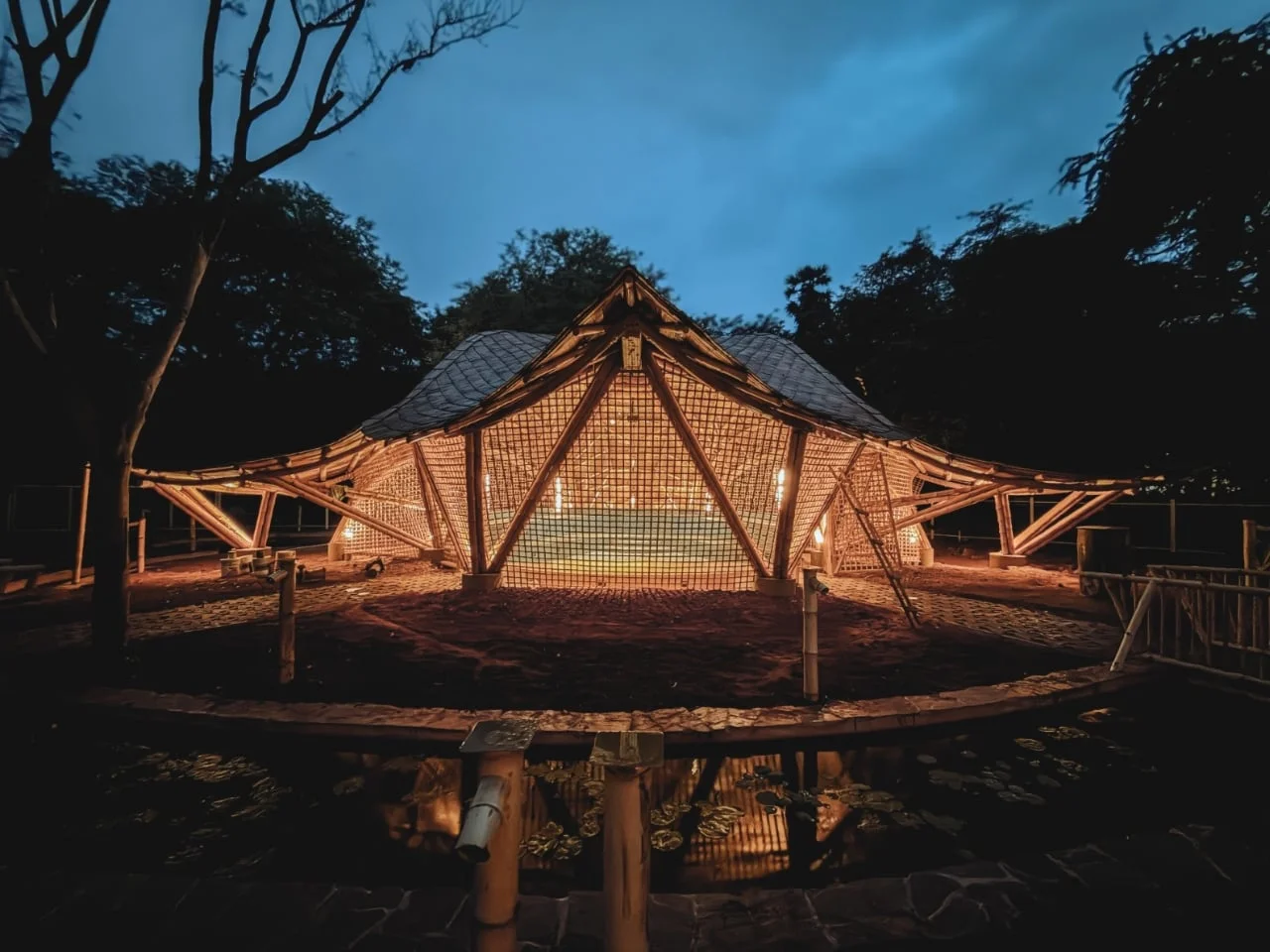
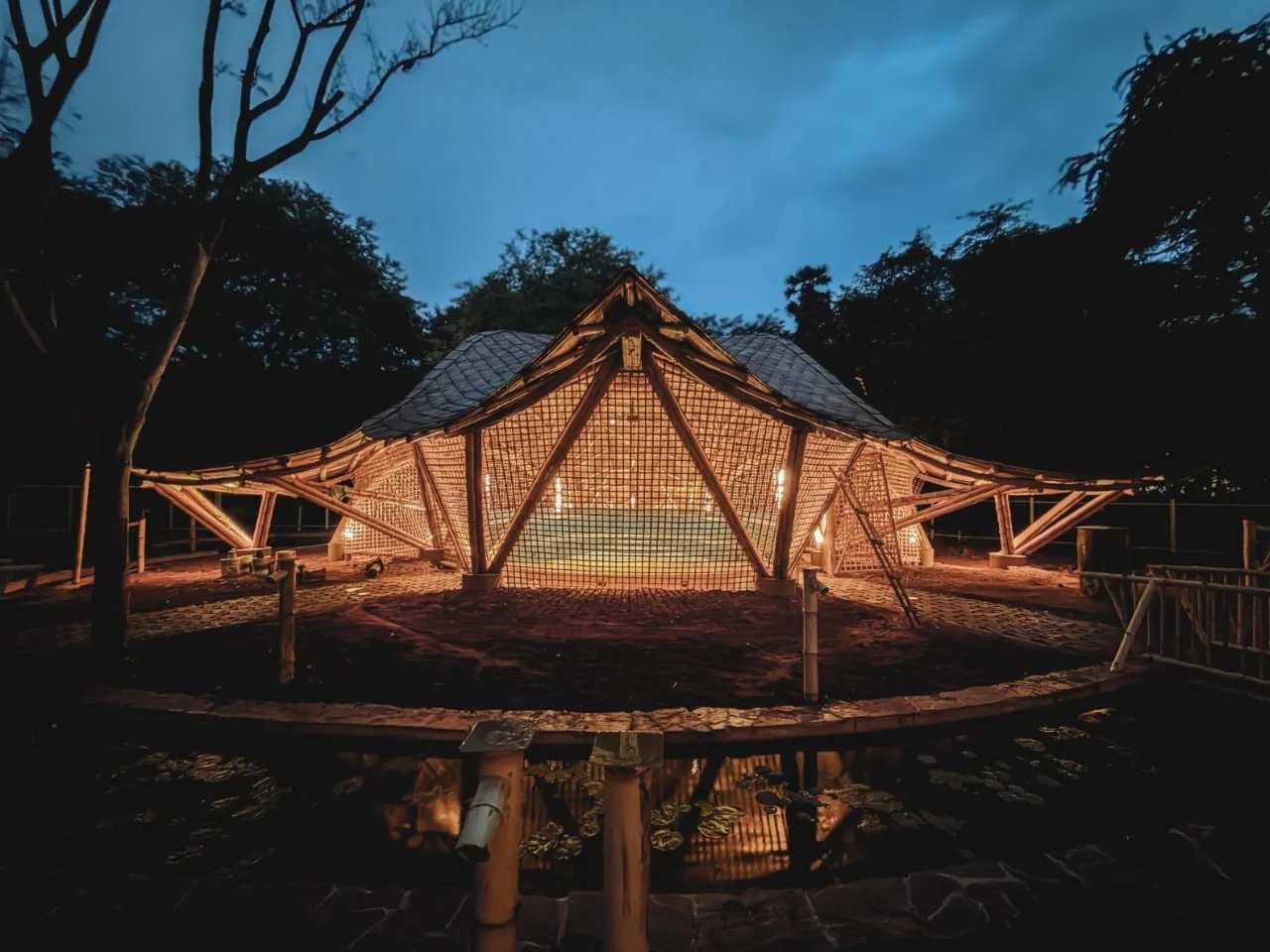
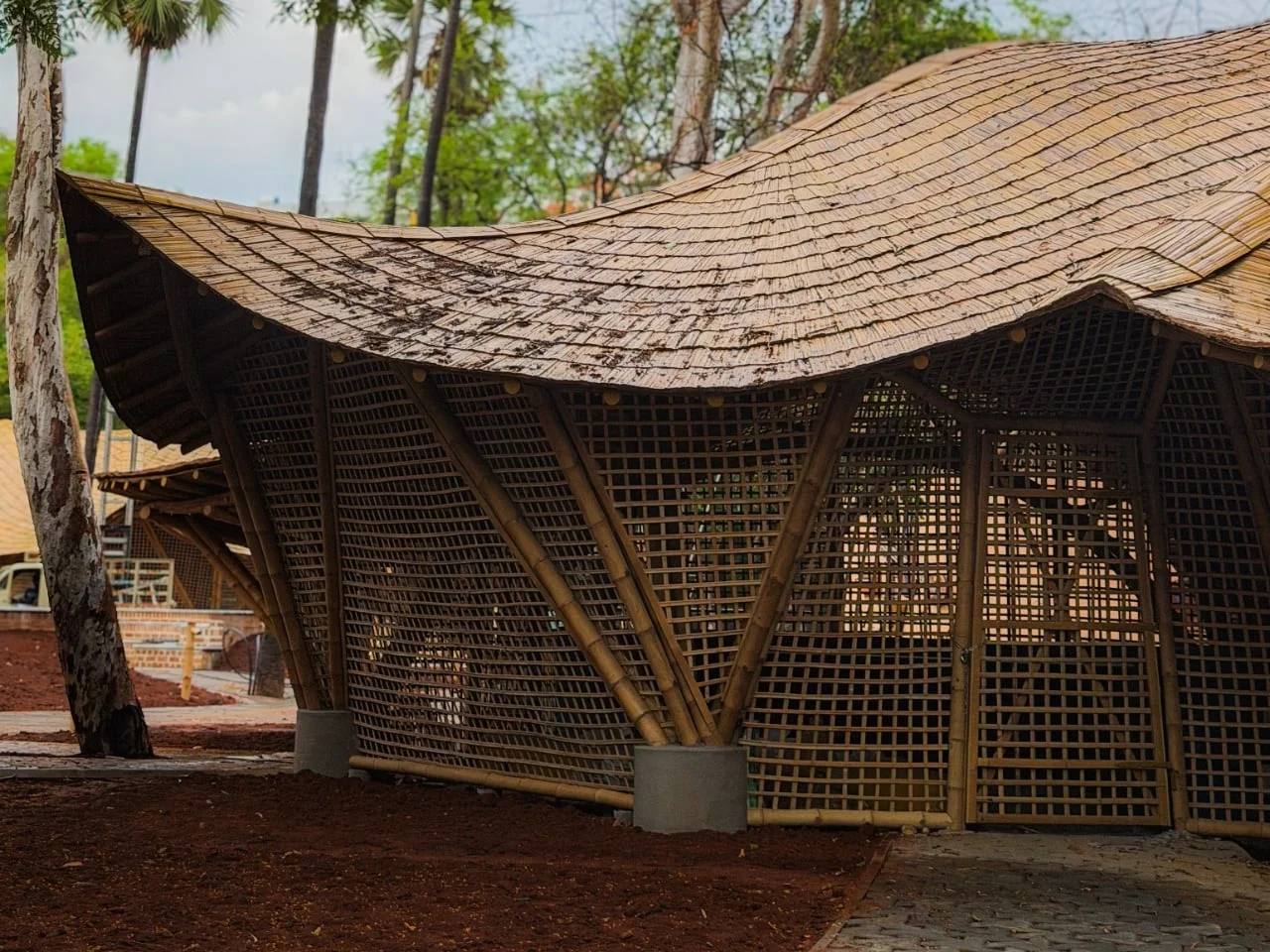
Constructed at IIT Madras in Chennai, the Maestro Ilaiyaraaja Centre for Music Learning and Research stands out due to its striking design and functionality. Ekarth Studio has created a 10,000-square-foot facility that spans an impressive 49 feet without the interruption of interior columns, ensuring unobstructed views and an inviting atmosphere for music education and performance. This design approach not only serves aesthetic purposes but also fosters an immersive learning environment where acoustics and creativity can thrive.
Significance of the Axis: Music for All Initiative
Named after the renowned composer Ilaiyaraaja, the center promotes the university's "Music for All" initiative, encompassing a range of research areas from acoustics to sound synthesis and instrument design. By embracing a multidisciplinary approach, the center aims to break down barriers between various fields of study, incorporating engineering, arts, and technology into the music education framework. This educational hub is not merely a physical space; it embodies a philosophy of inclusivity that resonates with Ilaiyaraaja's legacy. It’s not just about teaching music; it’s about creating a community of artists and scholars who can evolve music into new realms.
The design emphasizes flexible spaces that accommodate informal interactions. That’s important — collaboration and spontaneity can lead to breakthroughs in creative thought. The importance of such environments cannot be understated, as they facilitate the exchange of ideas in ways that traditional classroom settings often inhibit. In a world where music education increasingly encounters a myriad of challenges, centers like this one emerge not just as viable options, but as essential players in the development of future musicians and composers.
Designer: Ekarth Studio
Cultural Inspiration and Structural Design
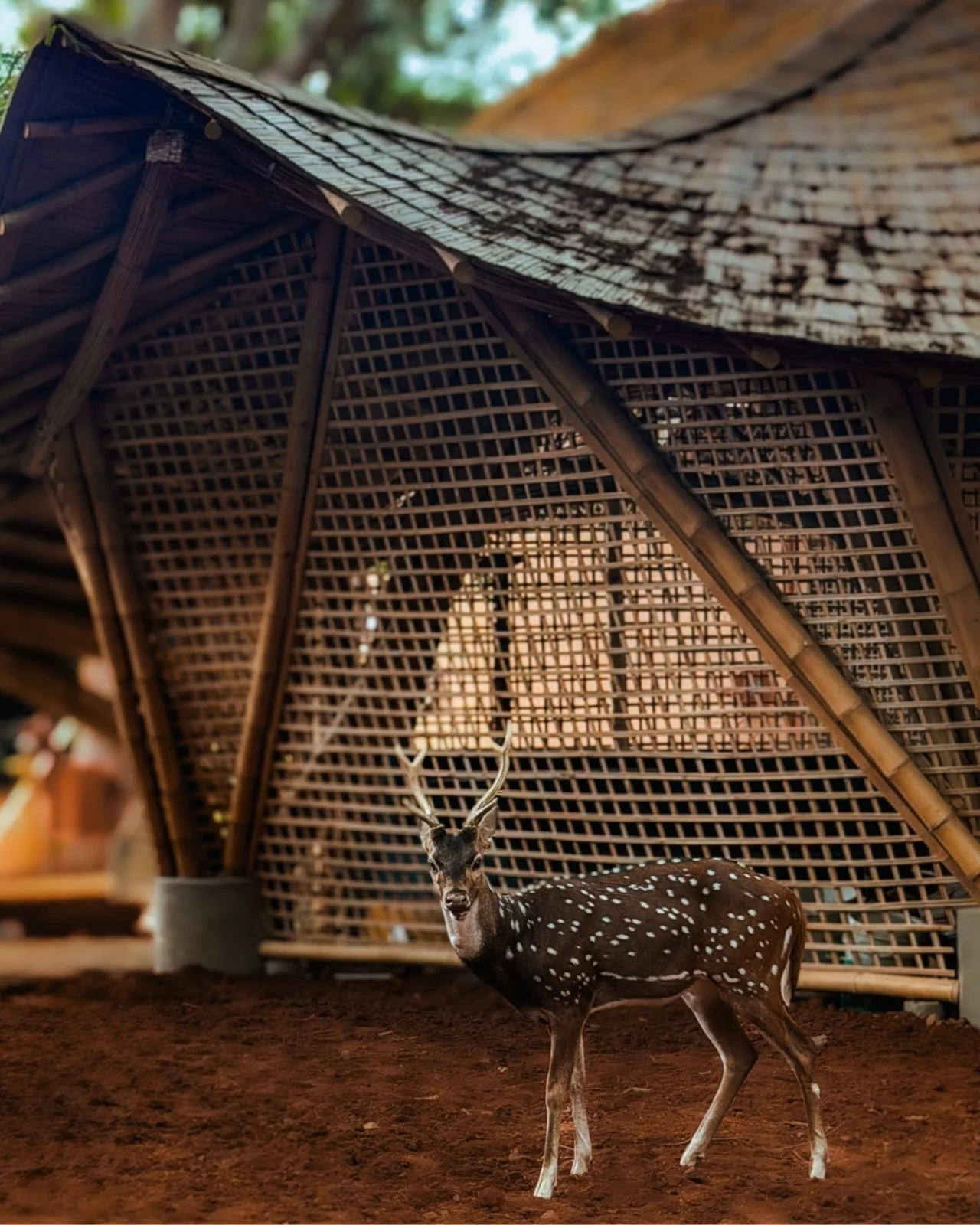
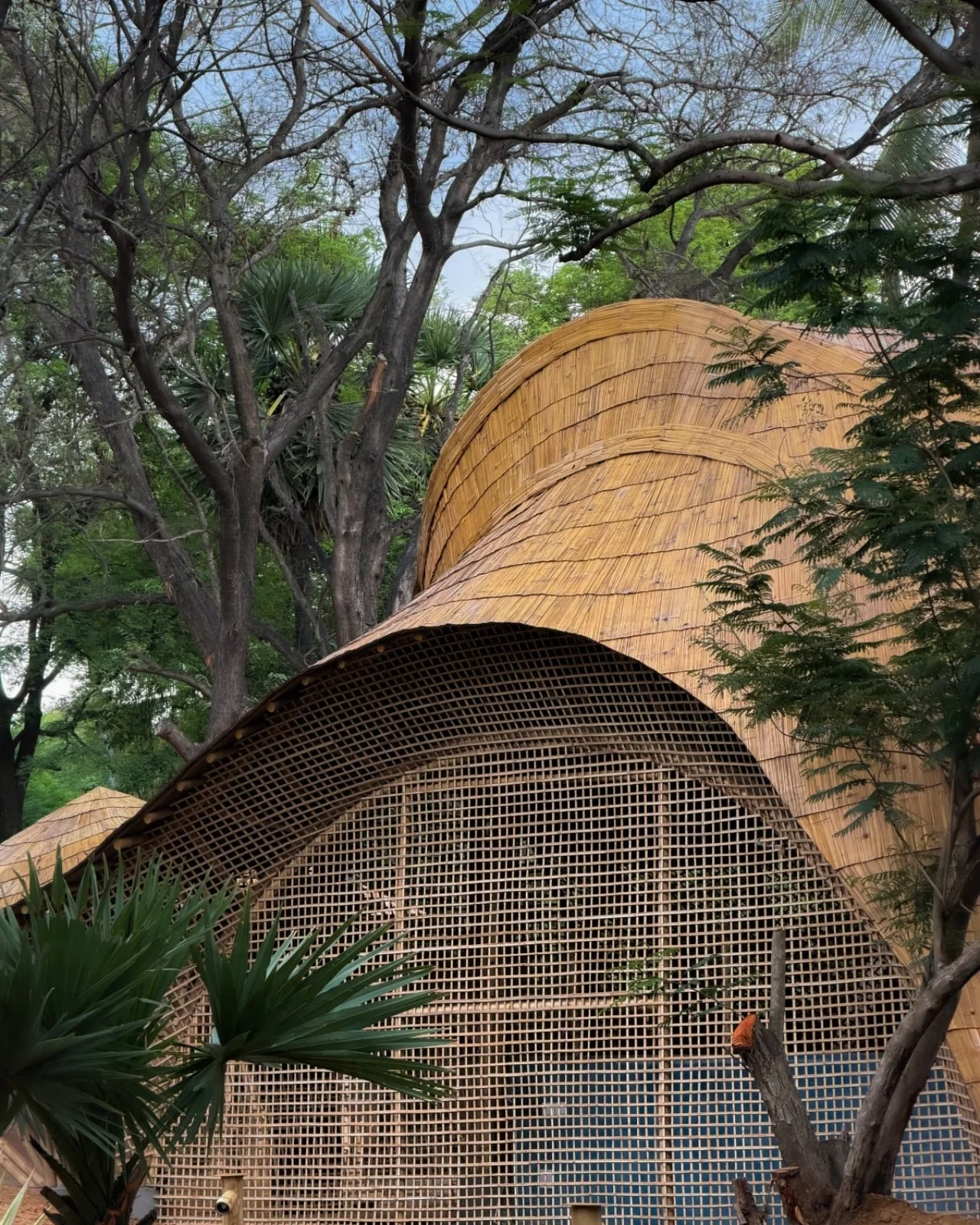
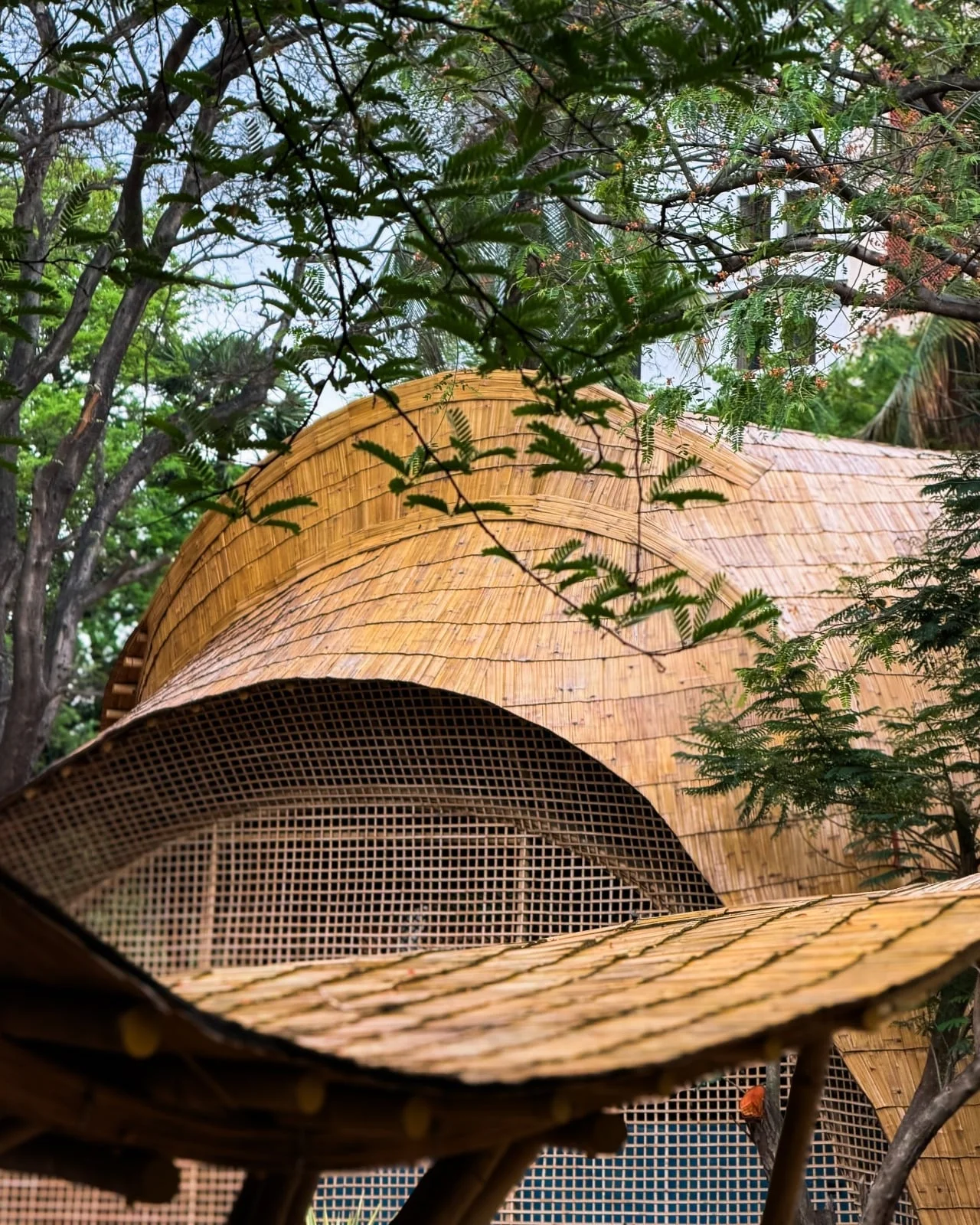
The architectural design draws deep inspiration from the Bel Patra leaf, a symbol associated with Lord Shiva, translating this cultural reference into a series of interconnected bamboo vaults that rise and dip above the interior spaces. This deliberate choice provides a narrative backdrop to the music center, focusing on more than just sound; it emphasizes a cultural ethos that’s integral to the region’s heritage. The incorporation of local symbolism enhances not only the visual appeal but also positions the center as a beacon of cultural preservation and promotion.
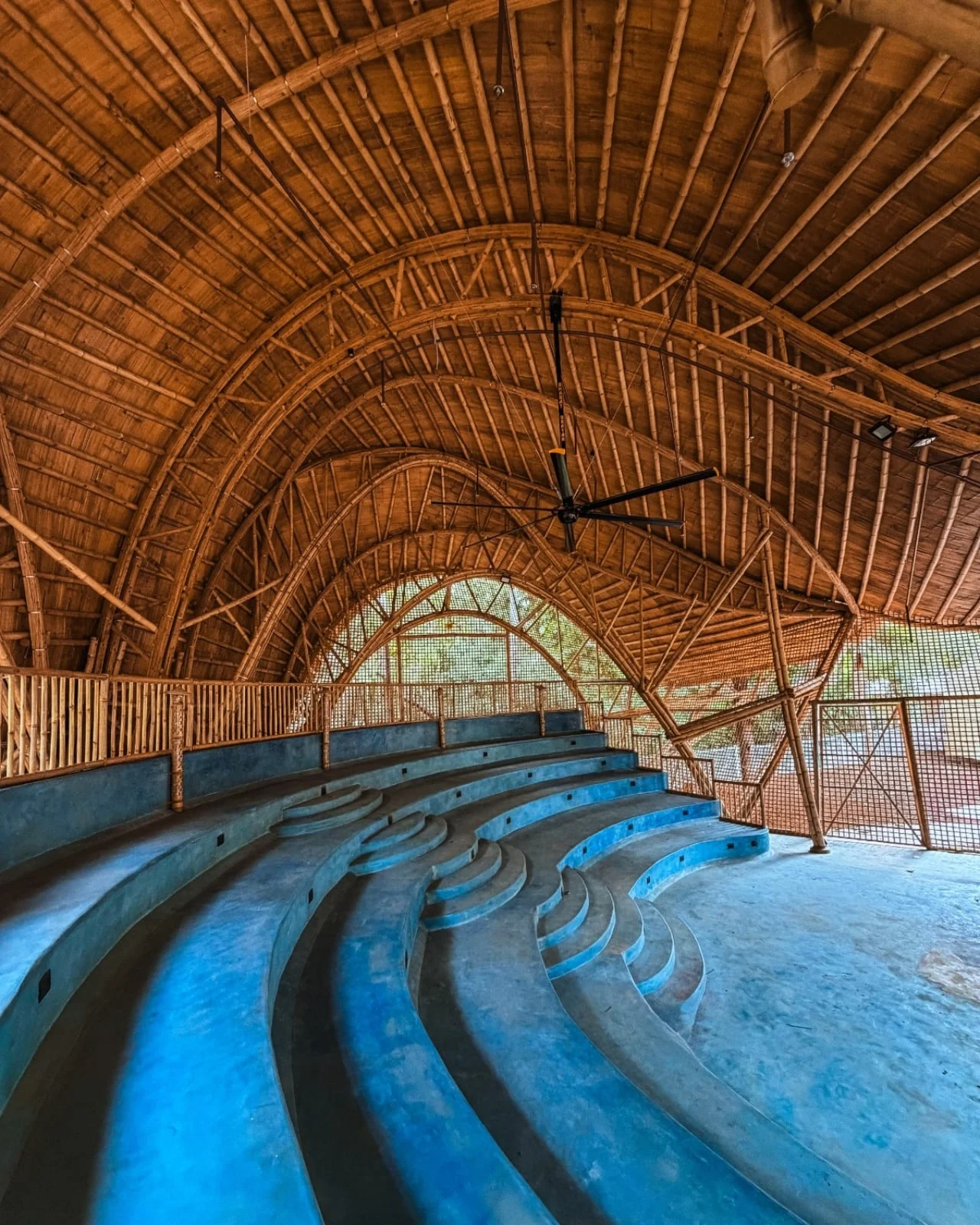
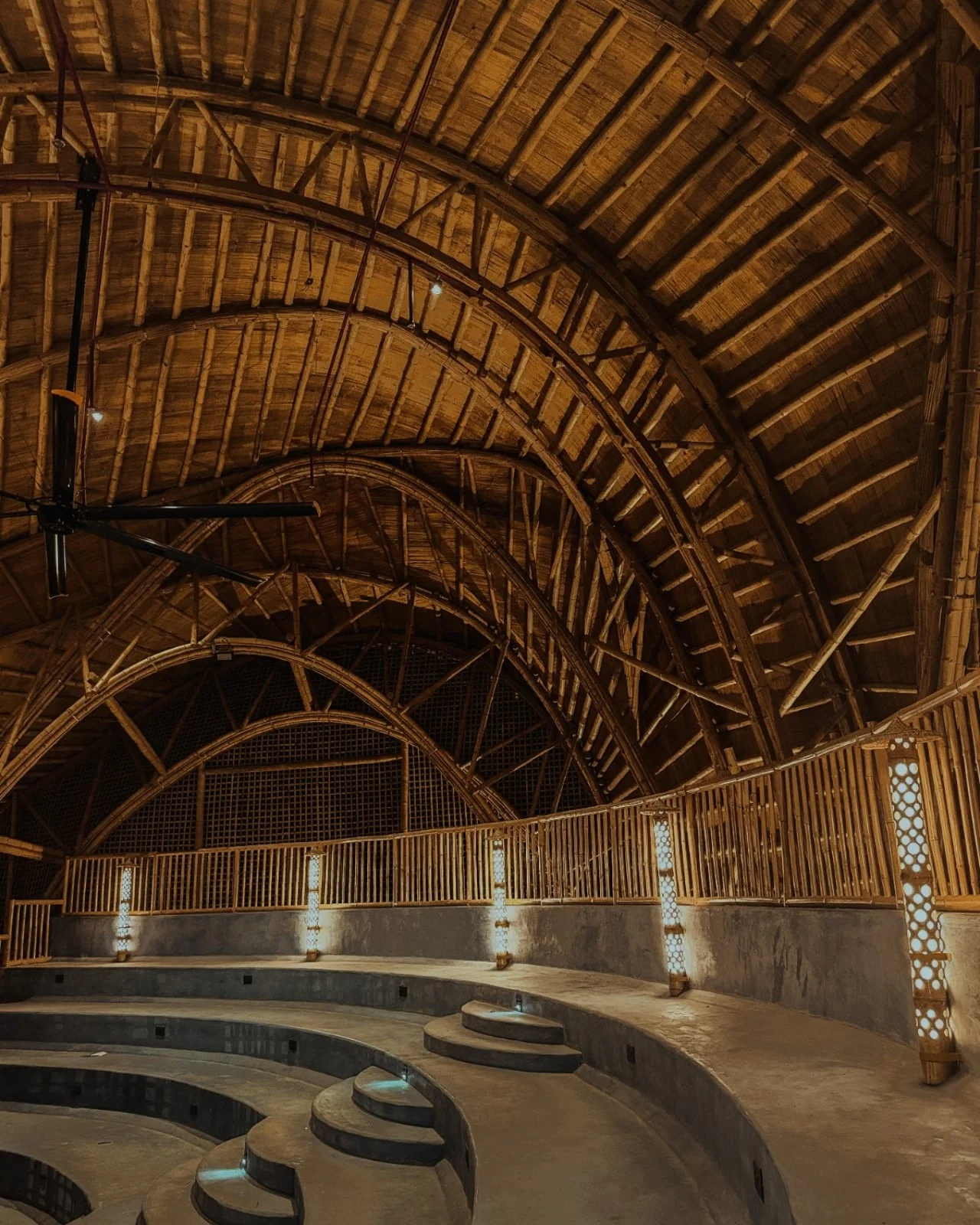
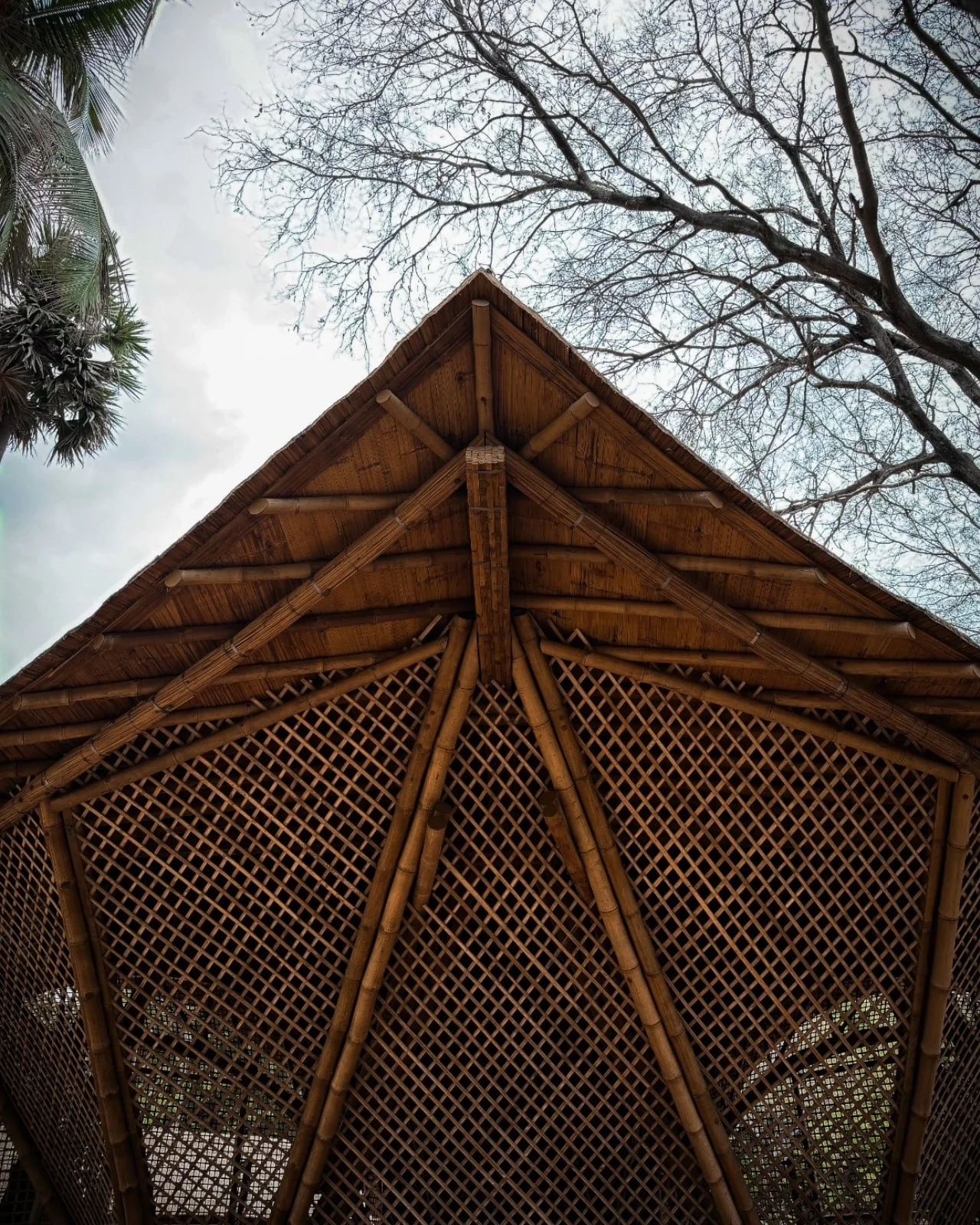
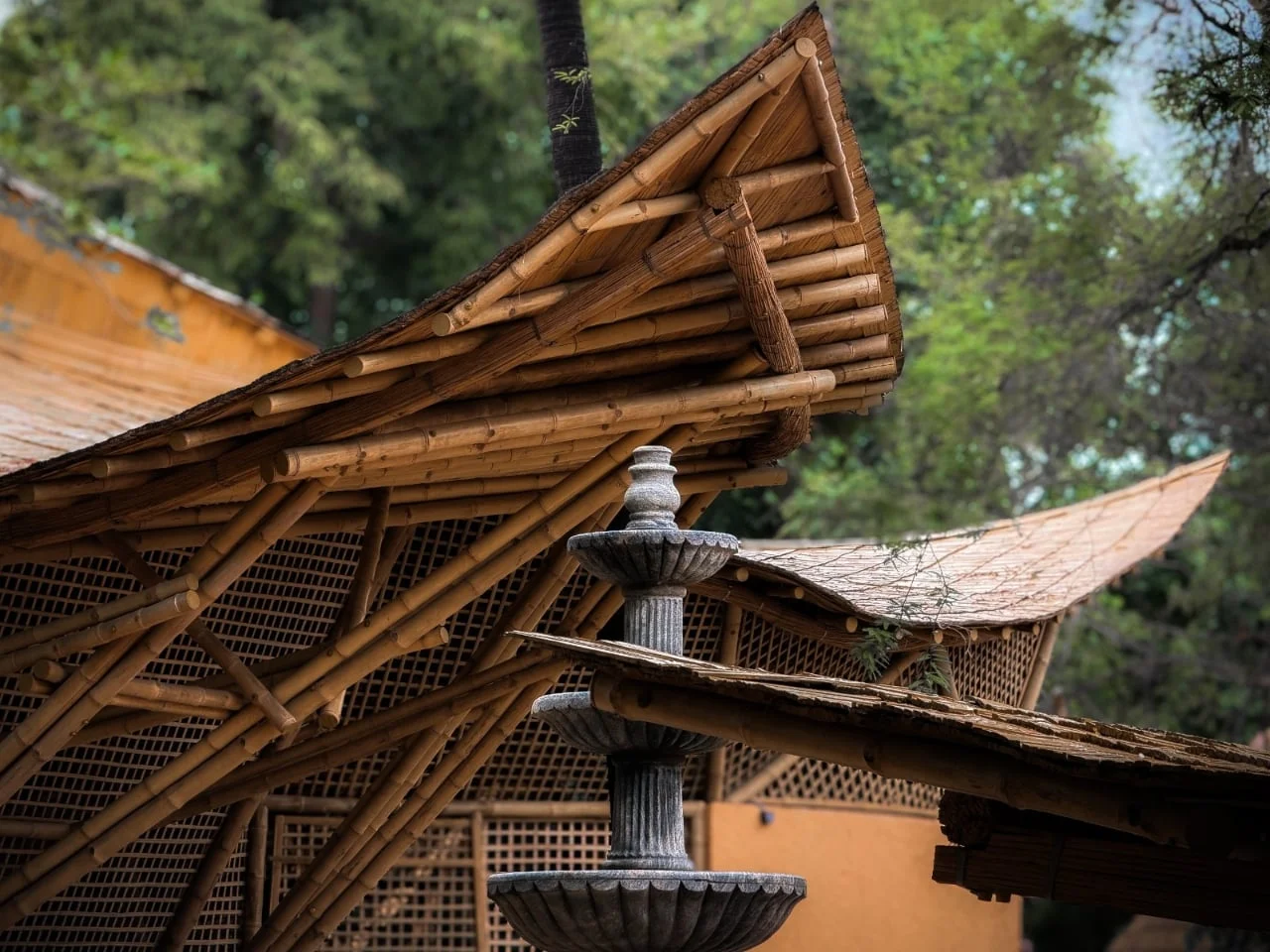
The structural system is ingeniously crafted from round bamboo culms and bundled splits, allowing for the majestic arches that soar nearly 30 feet. This natural material isn’t just aesthetically pleasing; its strength provides the structural requirements to support vast, open spaces, thereby promoting a sense of freedom in both music and movement. The use of bamboo as both a functional and artistic feature showcases a progressive approach to architecture, one that promotes sustainability while celebrating local craftsmanship.
Material Choices and Interior Character
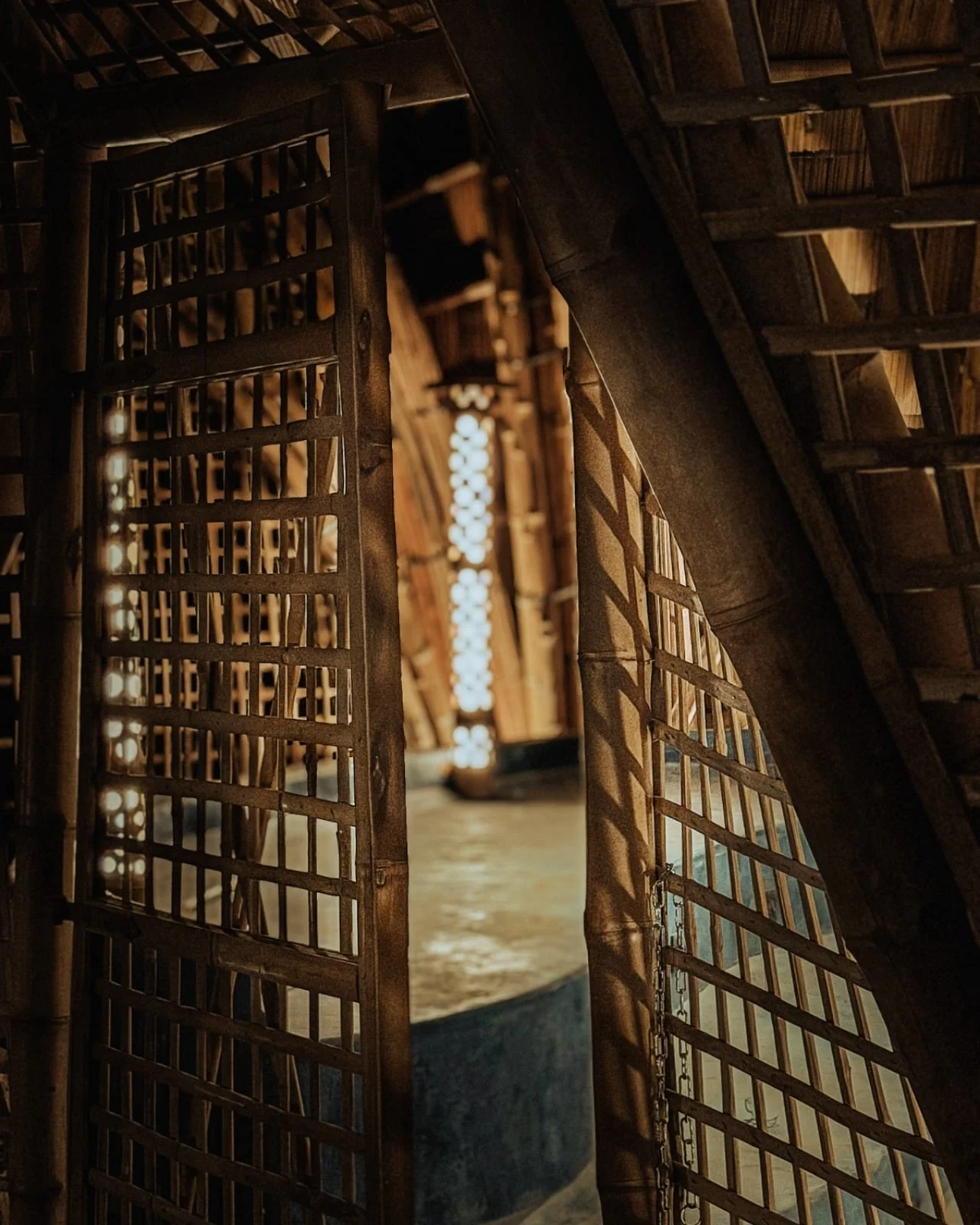
The interior reveals a thoughtful material palette featuring treated bamboo, lime finishes, and natural-fiber roofing, complemented by visible connections that expose the craftsmanship behind the construction. This transparency invites exploration and helps users appreciate the intricacies of the assembly, where skillful handiwork becomes part of the architectural language. Often overlooked in modern buildings, showing construction techniques can foster a greater connection between users and the space itself.
Architectural elements like bamboo lattice screens artfully transition between the interior and exterior. These serve dual purposes: they soften the overall composition while enhancing the synergy between the center and its surrounding landscape. Courtyards and shaded areas are integrated into the design, creating spaces for outdoor interactions and thus connecting various learning environments. These design choices evoke a sense of community and reflection, which are central to artistic endeavors — important qualities when nurturing the next generation of artists.
Craftsmanship and Sustainability Questions
A notable aspect of the project is the hands-on craftsmanship involved in bringing the design to life; artisans used basic carpentry tools to shape the bamboo, resulting in a construction timeline of just 11 months without heavy machinery. This emphasizes a commitment to both traditional methodologies and modern architectural needs. The approach signals a broader movement toward authenticity in building practices, underscoring a shift away from mechanization and toward craftsmanship that respects local materials and labor.
But while the structure's aesthetics and craftsmanship invite admiration, certain performance aspects, such as sound isolation and climate comfort, remain unmeasured. Will the bamboo stand the test of time in the climate of Chennai, or could it deteriorate faster than anticipated? Sustainability becomes a layered issue — natural materials and minimal machinery usage raise questions about the building's environmental impact over time. It will be interesting to watch how this complex interplay unfolds and whether it sets a precedent for future projects.
The heart of the center—a large, amphitheater-like gathering space—captures an essential aspect of its design, merging rehearsal, performance, and collective learning under a distinctive structural canopy. Such an investment in memory-making implies a commitment to nurturing not just music but also the spaces that act as its cradle. This space isn’t simply constructed; it’s curated for experiences, reflection, and collaboration.
Implications and Future Outlook
The Maestro Ilaiyaraaja Centre might just be a small part of a broader trend toward integrating culture with architecture. This won’t merely influence music education — it could transform how communities interact with art and culture. As more institutions adopt similar philosophies, we could see an environment fostering holistic education and collaboration sprouting across various disciplines.
For architects and educators alike, the project raises critical questions about how spaces can influence creativity and learning. If you're working in this space, consider this: What role does the physical environment play in shaping artistic expression? The potential benefits of centers designed with such thoughtfulness may pave the way for a new standard in educational architecture.
The post Chennai's Bamboo Music Center Redefines Music Spaces first appeared on Yanko Design.



Discussion
Sign in to join the discussion.