Discover how designers are creatively repurposing waste materials into stunning, sustainable products that redefine luxury and innovation in design.
In the world of contemporary design, the narrative around materials is shifting dramatically. Waste—once viewed solely as a problem—is increasingly seen as an opportunity for creativity. Scrap metal, leftover wood, discarded plastics, and broken glass are making their way into luxury interiors, avant-garde architecture, and striking furniture designs. This trend mirrors a broader movement toward circular design, where the emphasis lies on reusing and reimagining materials, rather than casting them aside as trash.
The Dynamics of Circular Design
At the core of this transformation is the concept of circular design, which redefines how industries approach materiality and production. Moving away from the linear "use and discard" model, designers prioritize reuse, repair, and regeneration. This new mindset allows for the collection and metamorphosis of scrap materials into high-quality products endowed with fresh purpose and aesthetic appeal. Think repurposed metal as avant-garde furniture, reclaimed timber dictating textured interiors, and industrial refuse acting as striking architectural facades.
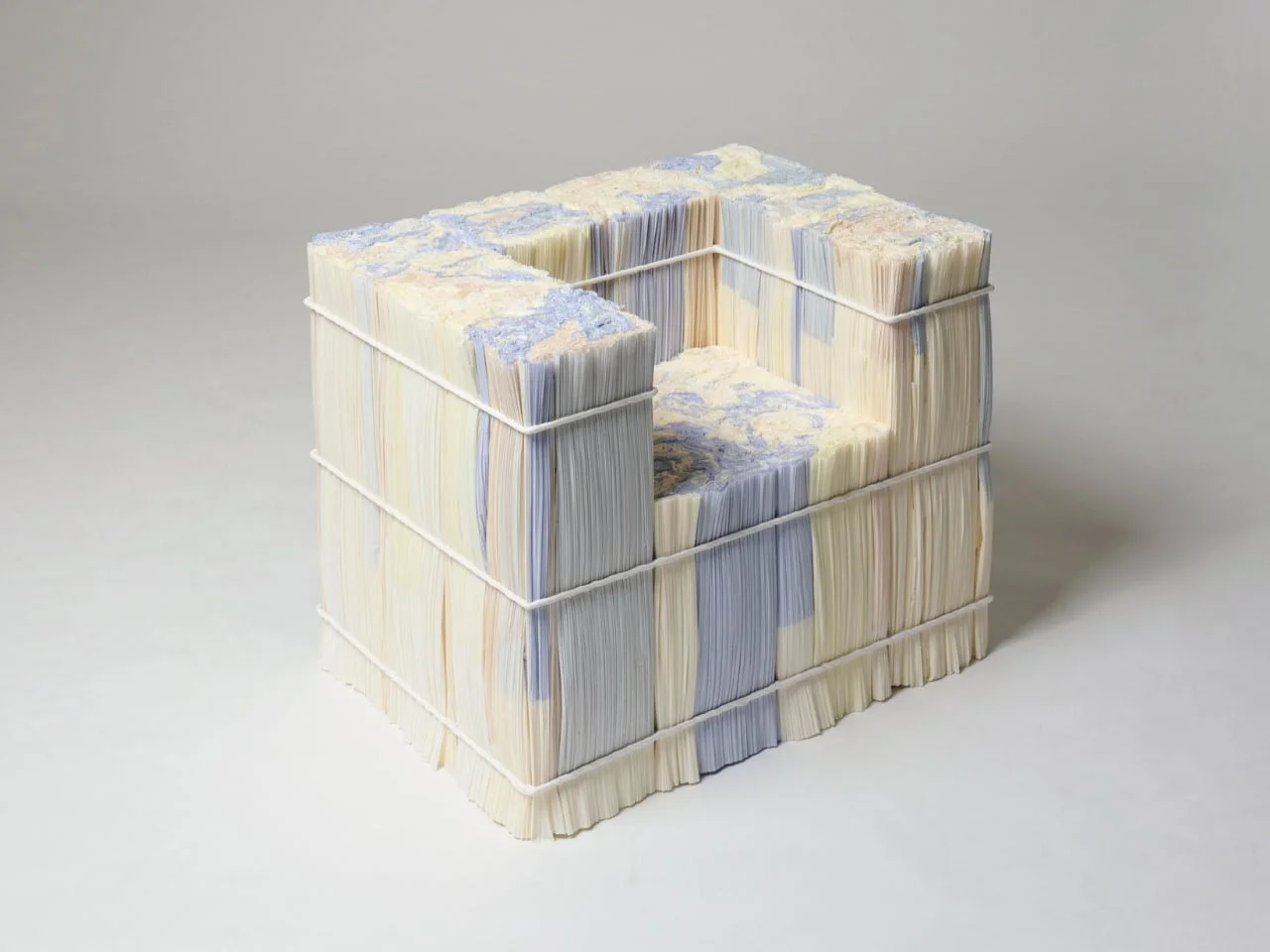
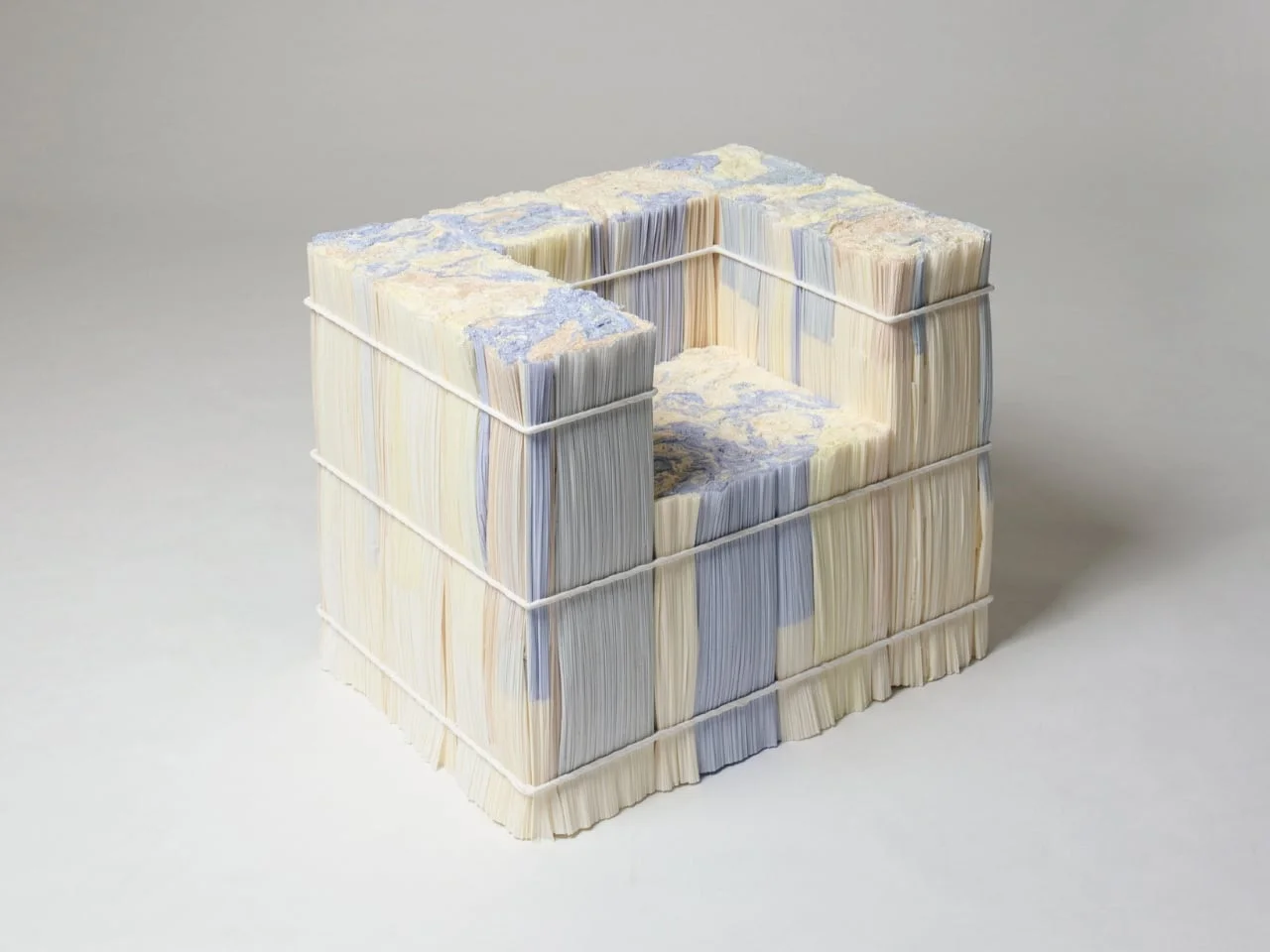
The implications of circular design extend beyond environmental benefits. They foster a culture of innovation, inspiring designers to think outside conventional boundaries. For instance, ISSEY MIYAKE’s exploration of compressed layers of discarded protective paper during their pleating process has yielded exquisite aesthetics and environmental consciousness in their exhibition The Paper Log: Shell and Core.
Collaborating with Ensamble Studio, the transformed paper takes on sculptural forms, highlighted by the juxtaposition of strength and fragility. This paradigm shift reveals not just new material uses but a narrative that celebrates craftsmanship over convention.
Waste: A Well of Creativity
Today's designers are increasingly treating waste not as a limitation but as a fertile ground for creative expression. The unique imperfections found in scrap materials often add distinctive character, which mass-produced items frequently lack. From bespoke patchwork furniture to recycled terrazzo and upcycled lighting fixtures, waste materials have sparked a wave of bold creativity.
Contemporary designers intentionally highlight the traces of previous life found in recycled materials, celebrating their raw beauty. Yuma Kano’s ForestBank epitomizes this ethos; using natural forest byproducts—like bark and branches—encapsulated in an eco-friendly binder, it produces a wood-like material without deforestation. The result is a unique aesthetic, reminiscent of terrazzo yet distinctly organic, showcasing sustainability as a new form of aesthetics in furniture design.
Redefining Textiles in Home Décor
The evolution of textile waste is also noteworthy. Designers are turning worn, discarded fabrics—like denim—into decorative home items, effectively extending the narrative of these materials well beyond their initial use. By grinding and compressing denim into new forms, projects like The Denim Project highlight this duality of beauty and functionality. The soft blue-and-white textures that emerge not only conserve resources but are also infused with memories and histories of their past lives.
Projects like this exemplify how textile waste can morph into expressive homeware, breathing new life into once-considered trash while offering unique aesthetic and tactile qualities.
Luxury Through Sustainable Practices
Interestingly, the perception of luxury is evolving. Today, opulence isn't defined solely by the rarity of materials but increasingly by a commitment to craftsmanship and sustainability. High-end designs often incorporate upcycled and recycled materials, with unique handmade pieces emerging from reclaimed goods, each carrying a story that mass-produced commodities lack.
As consumers, particularly from younger generations, gravitate towards products underscoring environmental stewardship, sustainability begins to signify sophistication. This shift transforms the very fabric—or rather, scraps—of what luxury means in the design world. Joe Doucet’s OLO Table serves as an insight into this trend, repurposing electronic waste into a striking piece, showcasing how the remnants of discarded gadgets can be elegantly crafted into daily-use items.
The Road Ahead for Waste in Design
The trajectory of design will likely pivot significantly around how industries effectively deal with waste. Technological advancements are improving recycling processes, while designers relentlessly explore untapped potential for imagination using unconventional materials. Urban environments are beginning to acknowledge construction debris, plastic scrap, and industrial waste as potential resources rather than mere refuse.
Emerging themes such as biomaterials, modular systems, and zero-waste processes reinforce this conceptual shift. As environmental challenges intensify, the capacity to repurpose waste into substantial design innovations will take center stage in the creative industries.
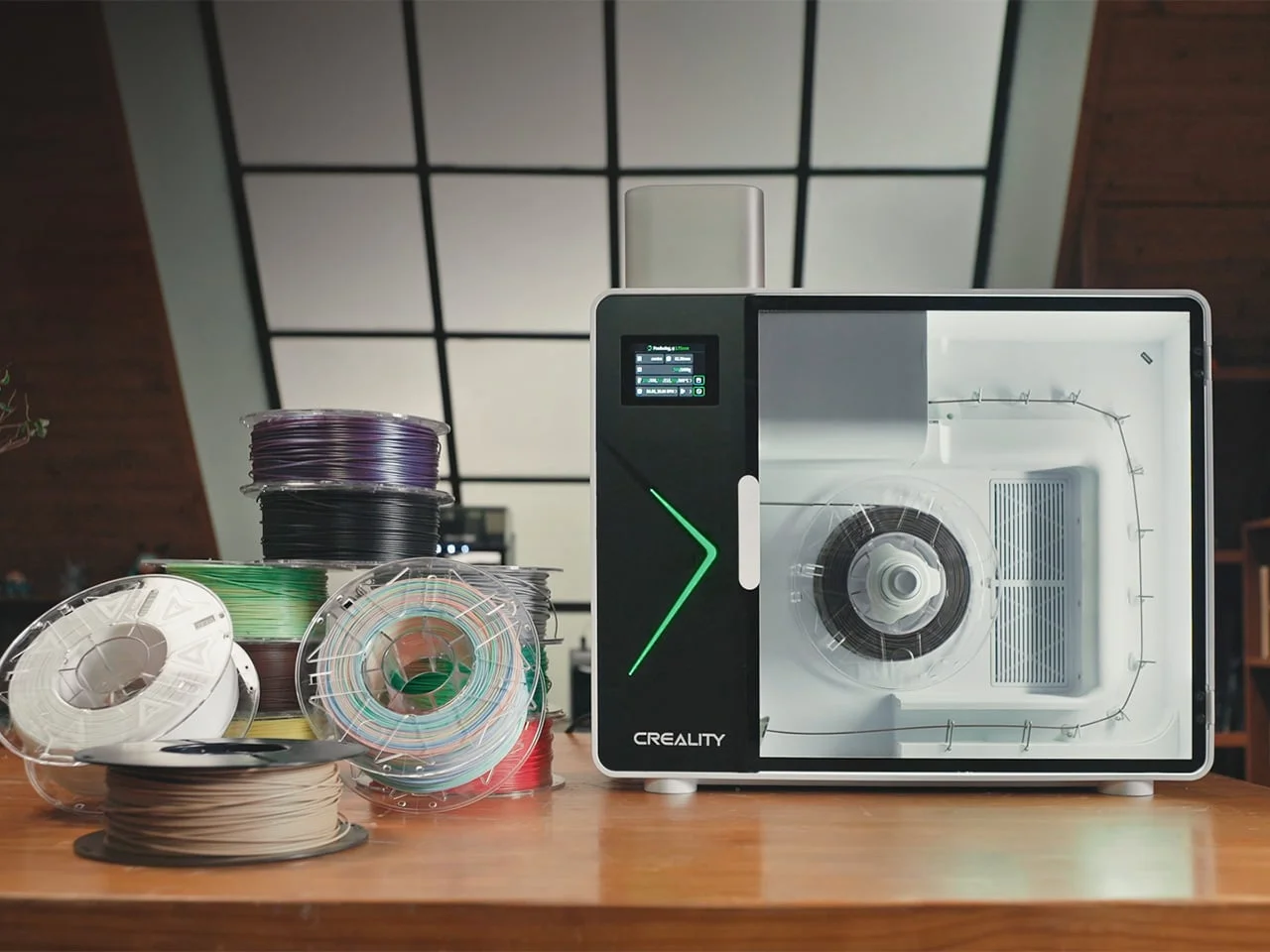
Consider Creality’s introduction of the Filament Maker M1 and Shredder R1; this system is poised to revolutionize 3D printing by allowing creators to recycle failed prints directly into new filament, demonstrating how localized production can lower long-term costs while reducing waste. Not only does this initiative tackle the growing problem of plastic waste, but it also exemplifies how designers can innovate in sustainable manufacturing practices.
In essence, scrap materials are defining the future of design. Once dismissed, they are now pivotal in creating architecture, interiors, and products that reflect responsibility and artistic ingenuity. Through this lens, the relationship between sustainability and beauty is undergoing a profound transformation, promising a richer, more nuanced narrative for the materials that shape our lives.
The burgeoning appreciation for reclaimed resources hints at a future in design built less on extracting new materials and more on recognizing the untapped potential of what already exists.
The post From Paper Furniture to Denim Plates: 5 Ways to Rethink Scrap Material first appeared on Yanko Design.


Discussion
Sign in to join the discussion.