Discover five high-quality Japanese kitchen tools that elevate instant ramen to a gourmet experience, focusing on design and functionality.
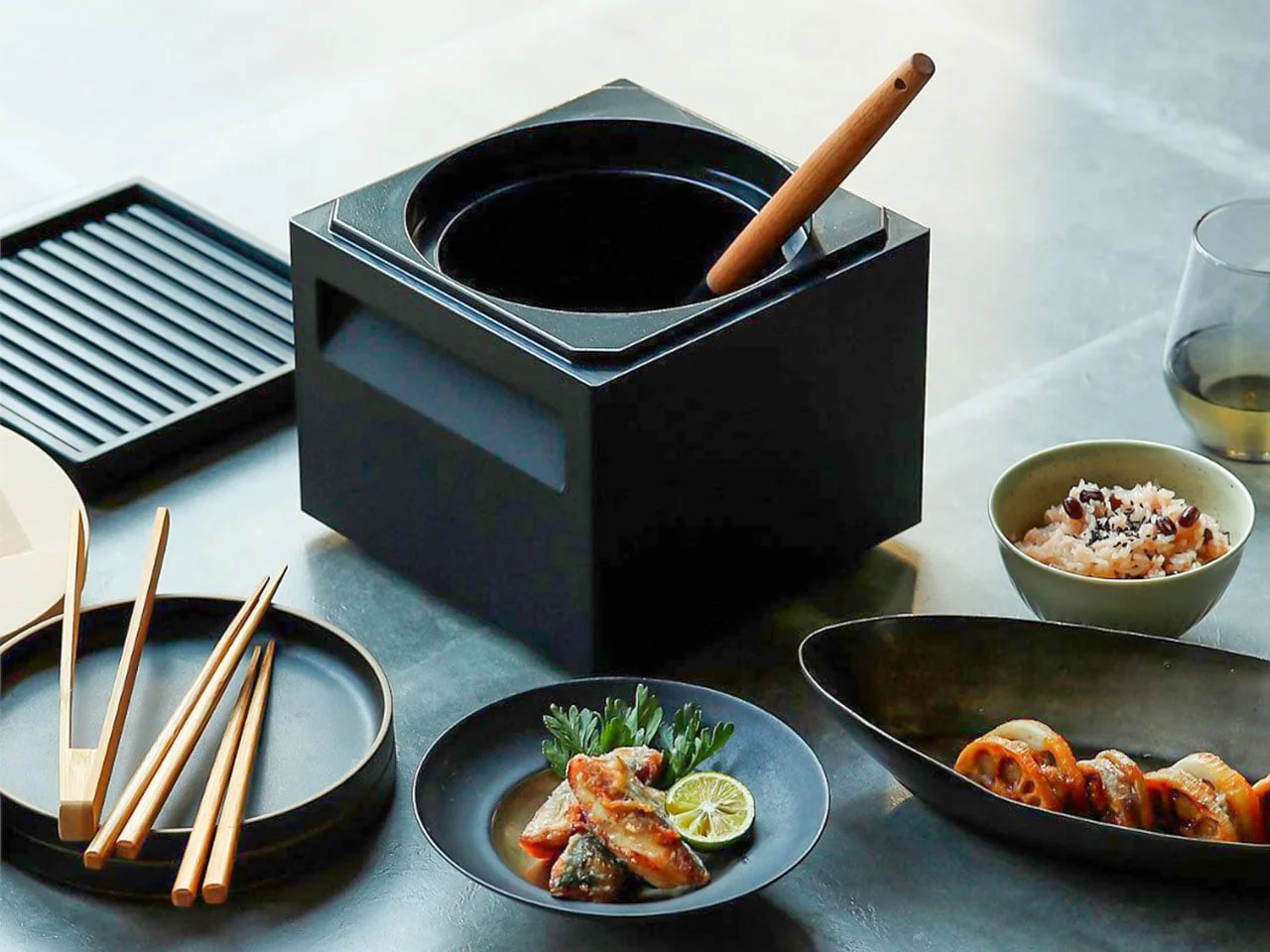
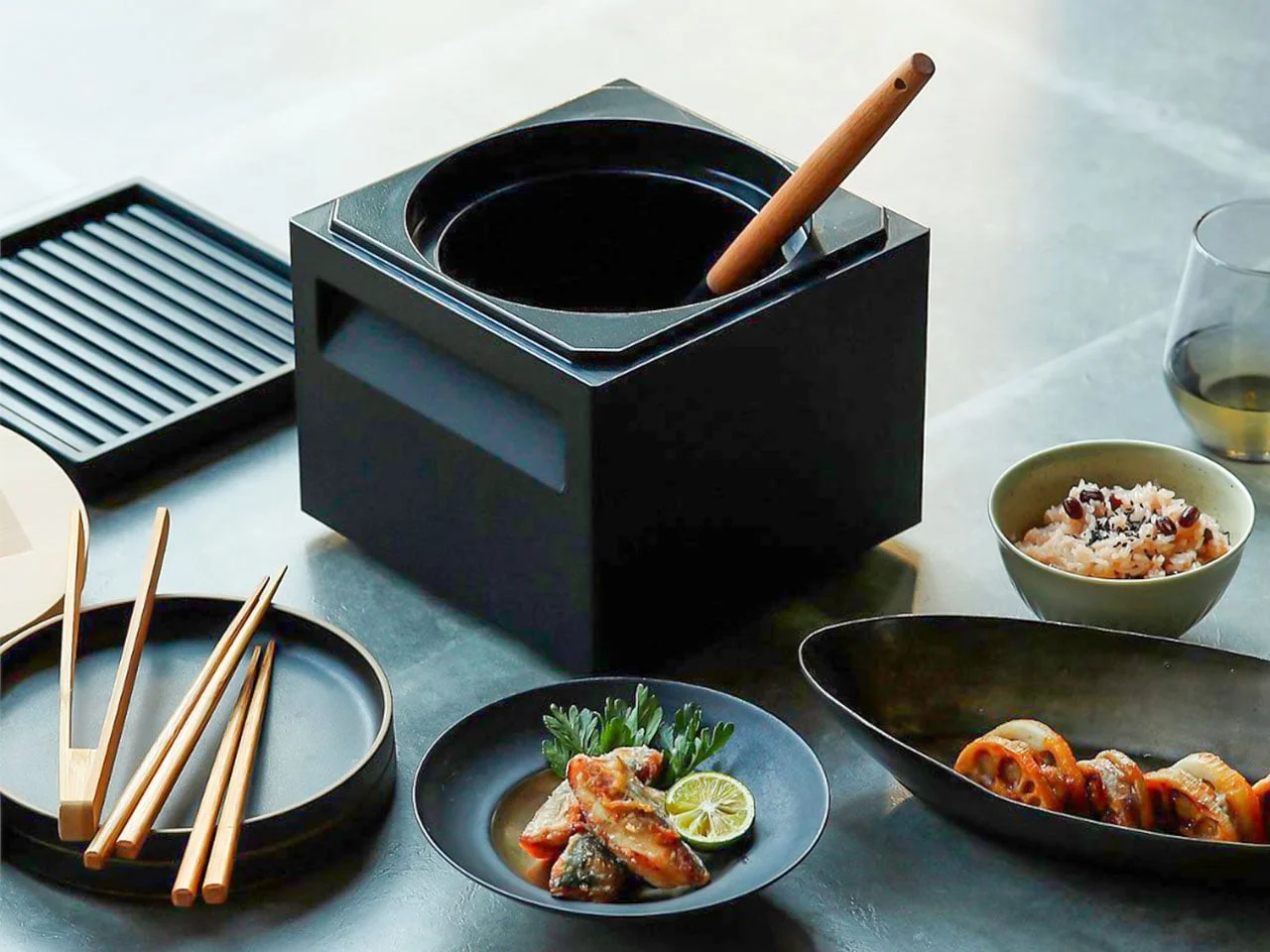
Japanese kitchen tools have a unique ability to transform everyday cooking into fine dining experiences. Even instant ramen, often dismissed as a simple meal, can reach new heights with the right tools and a bit of intention. The gap between basic noodles and a sophisticated dish often hinges on selecting the proper implements.
The following five kitchen tools embody Japanese craftsmanship, merging function and aesthetics. Each item has been meticulously created to enhance specific cooking tasks, allowing anyone to elevate their ramen dishes to restaurant-quality standards without requiring specialized techniques.
Anaori Kakugama
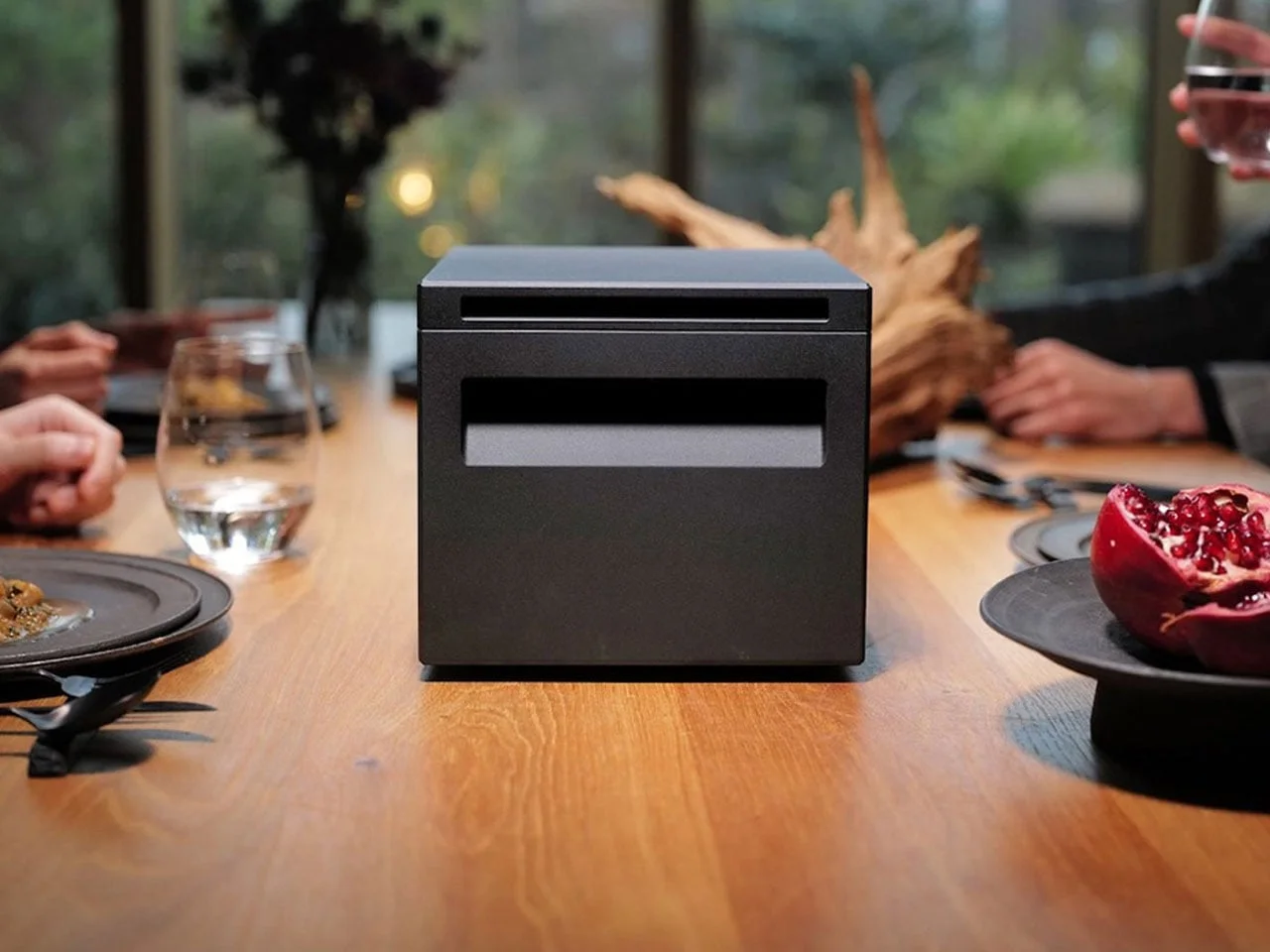
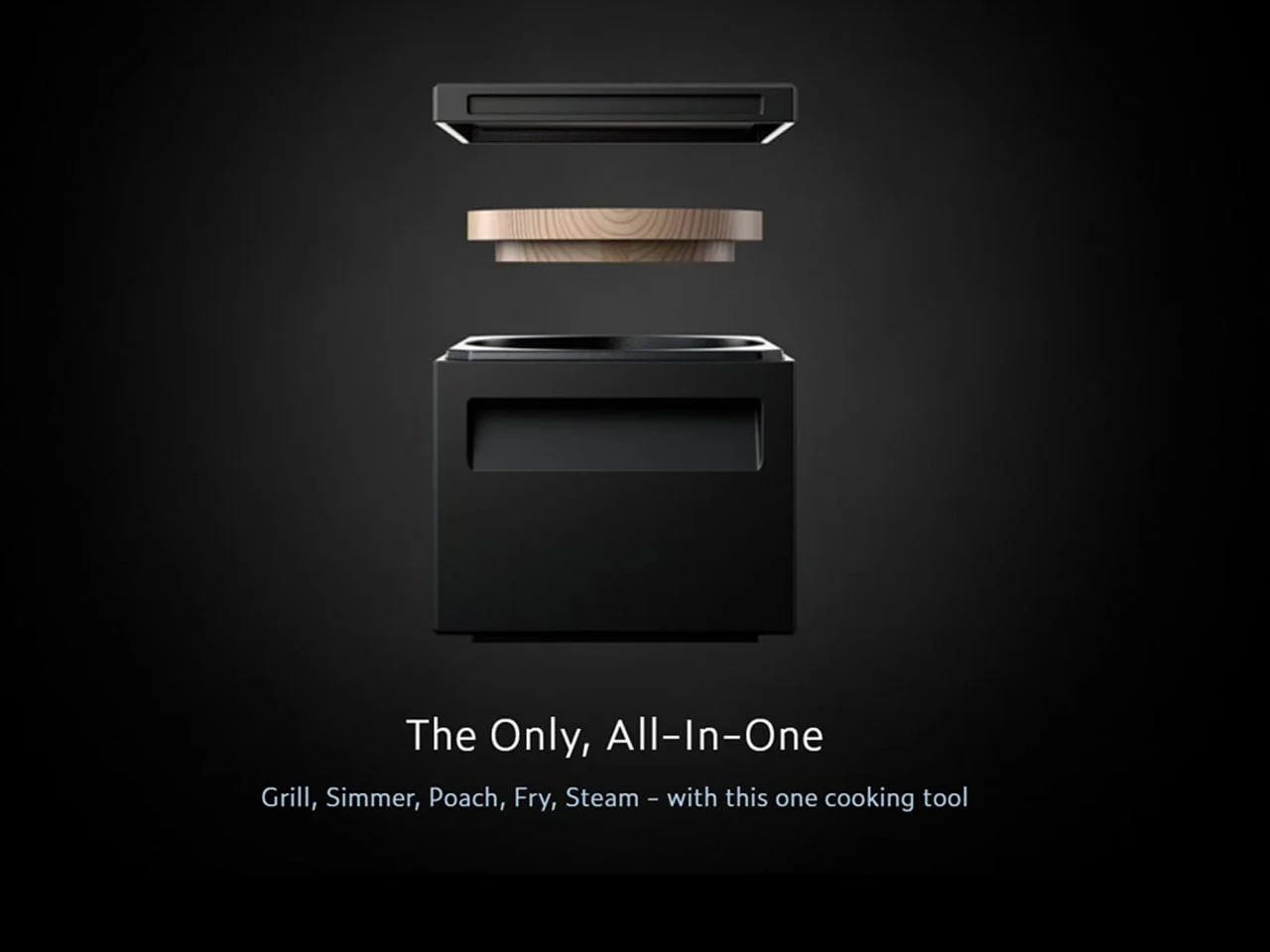
The Anaori Kakugama represents a significant advancement in pot design with its carbon graphite material. This innovation is especially advantageous for cooking ramen, as it ensures even heat distribution, eliminating the common issue of hot spots that can scorch delicate broths. The ability to maintain a consistent cooking temperature allows for better control over the dish’s final flavor.
Moreover, this pot is designed for both stovetop cooking and serving, so your ramen transitions from kitchen counter to table beautifully. With its neutral material properties, it won’t alter the taste of acidic or alkaline ingredients, meaning your dishes will truly capture the intended flavors.
Benefits
- Consistent heat distribution leads to precise cooking, enhancing broth quality.
- Serves as both cooking and serving dish, streamlining the dining experience.
Drawbacks
- Price may be prohibitive for casual home cooks.
- Susceptible to chipping or breaking upon impact, unlike more traditional materials.
Impact Spice Mill
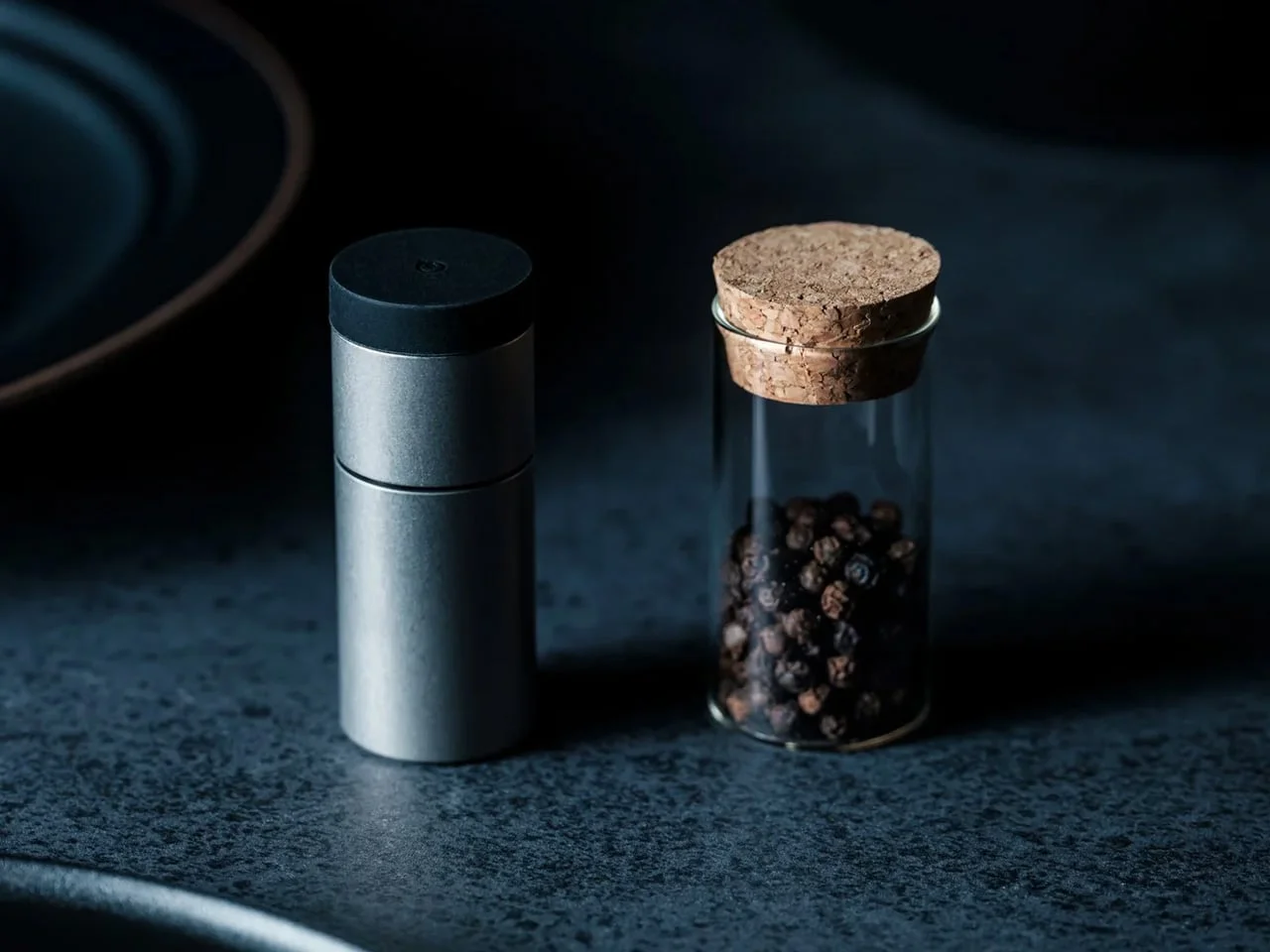
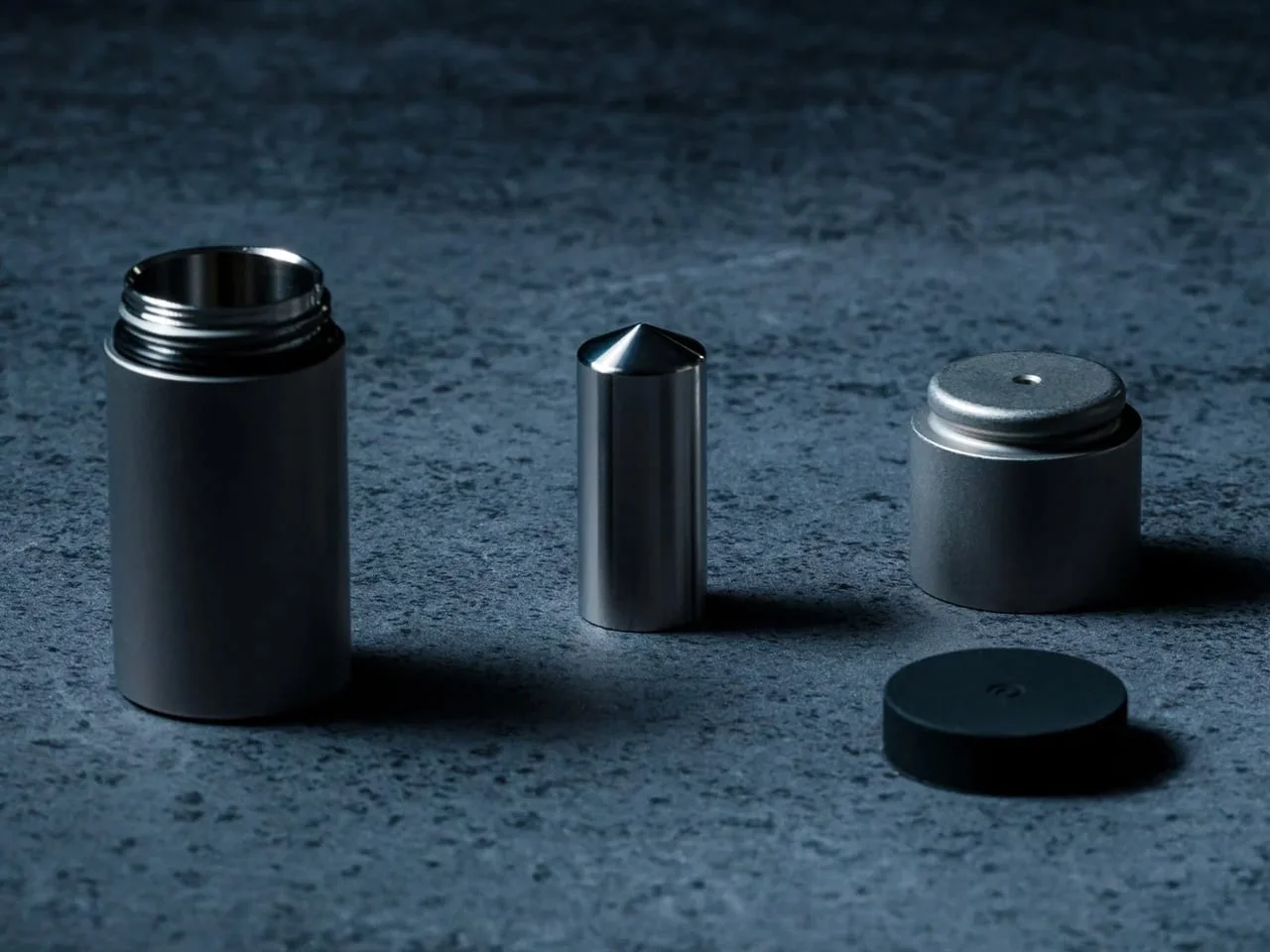
The Impact Spice Mill offers a distinct departure from conventional spice grinders. Rather than the typical twisting motion, this tool employs an impact-based mechanism that encourages a more engaging interaction when seasoning. This tactile approach invites users to actively participate in flavor development, enhancing the meal-preparation ritual.
When sprinkling spices over ramen, such as freshly ground togarashi or sesame, this mill amplifies the sensory experience, turning seasoning into a deliberate act that reflects care and attention.
Benefits
- The engaging impact mechanism enhances the experience of seasoning dishes.
- Its compact design fits neatly beside your ramen bowl, contributing to the overall aesthetic.
Drawbacks
- Users might need time to adjust to the new grinding method, which differs from traditional models.
Tabletop Teppanyaki Kit
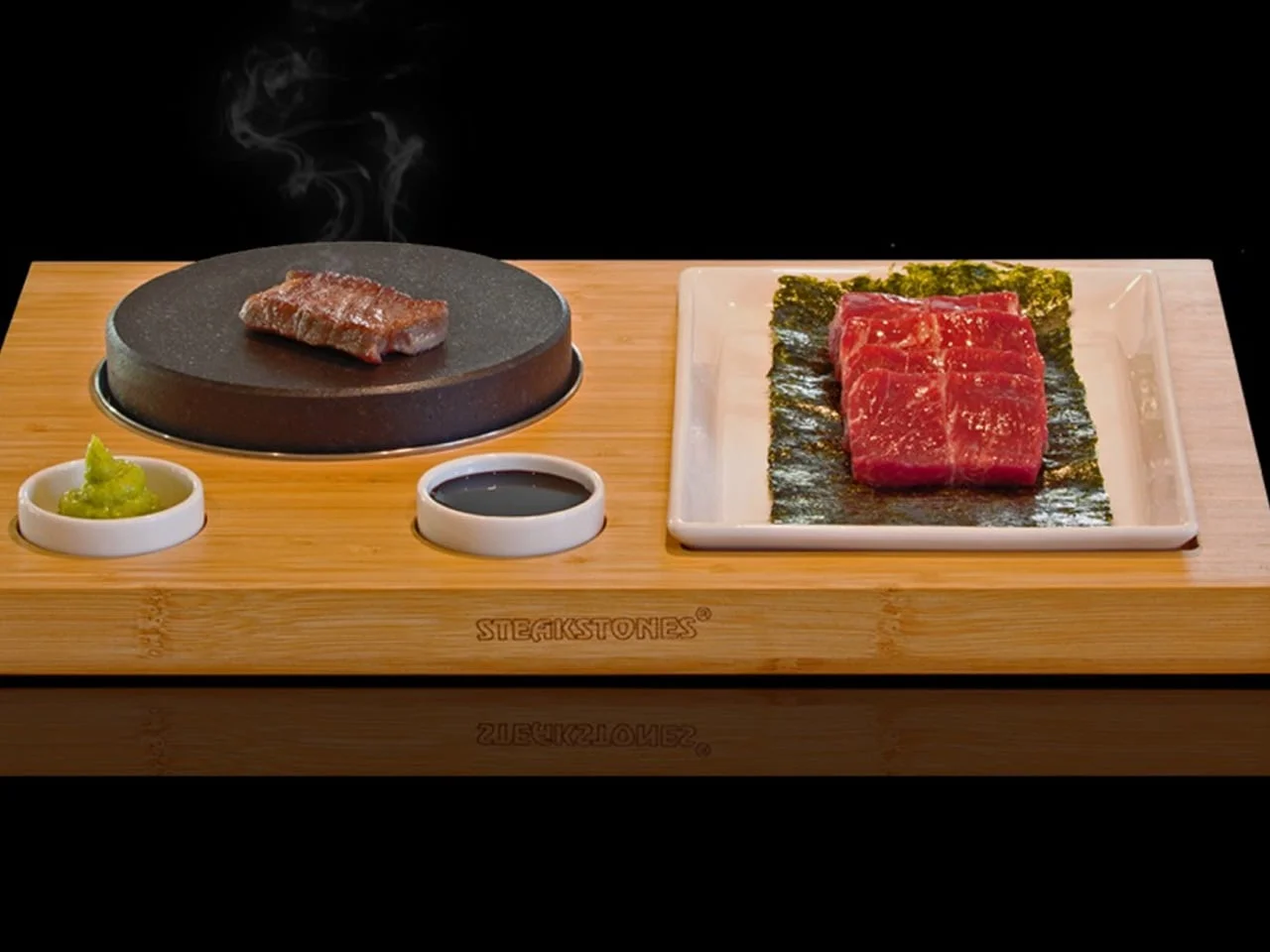
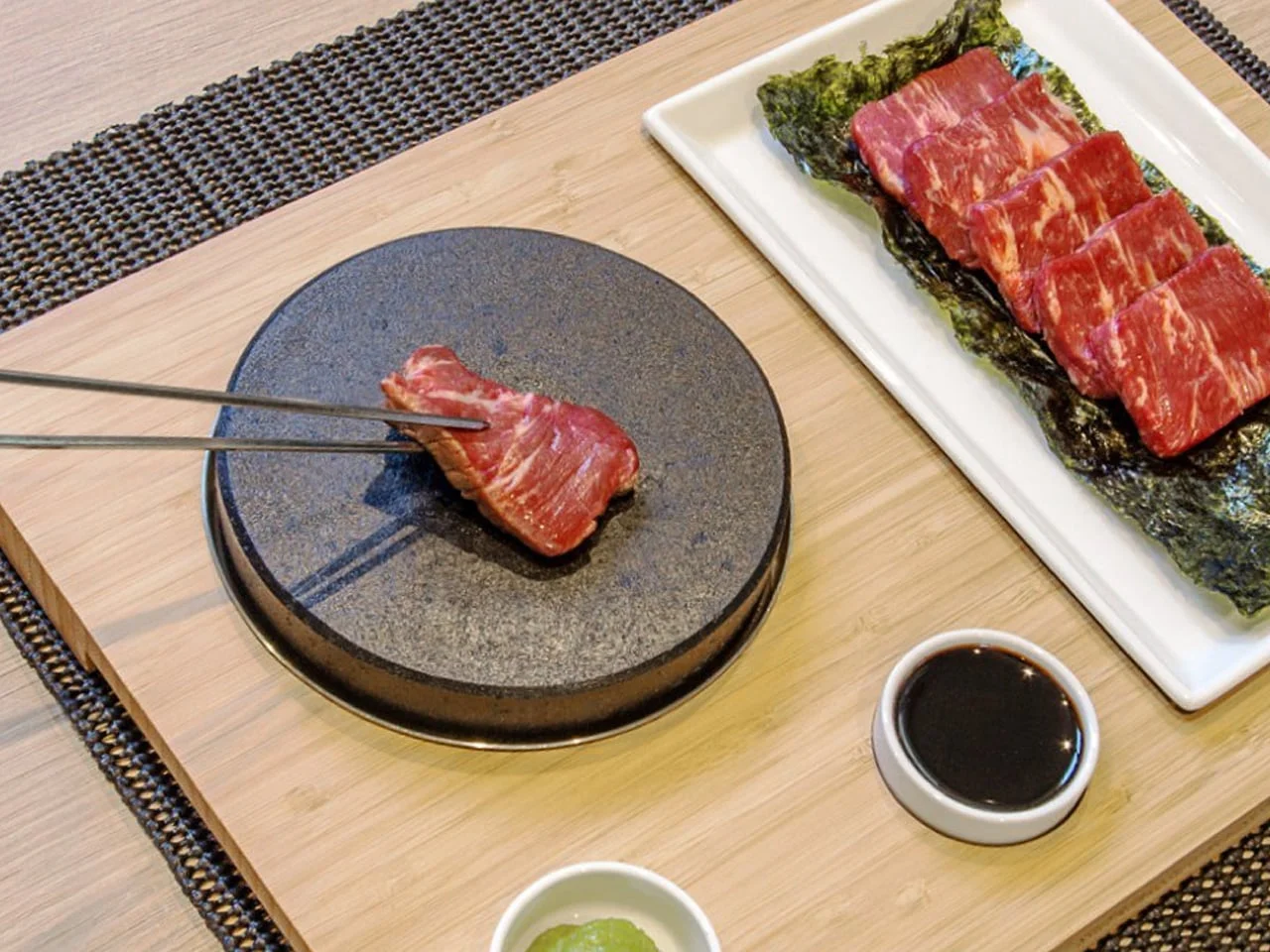
The Tabletop Teppanyaki Kit reshapes how you engage with your food. Designed for home use, it facilitates an interactive dining experience that mirrors professional teppanyaki. Bringing the cooking surface to the table, it invites diners to participate actively in the cooking process, particularly when finishing chashu or other ramen toppings.
This setup allows for perfect searing of meats right before serving, thus preserving the intended texture and temperature of each ingredient. This not only enhances the quality of your ramen but also makes the preparation a part of the dining experience.
Benefits
- Incorporates cooking into the dining experience, creating a memorable meal.
- Perfect for finishing toppings to ensure optimal flavor and texture.
Drawbacks
- Requires significant table space, which may not suit compact kitchen layouts.
- Cleans up can be cumbersome compared to simpler cooking methods.
Plate Grater
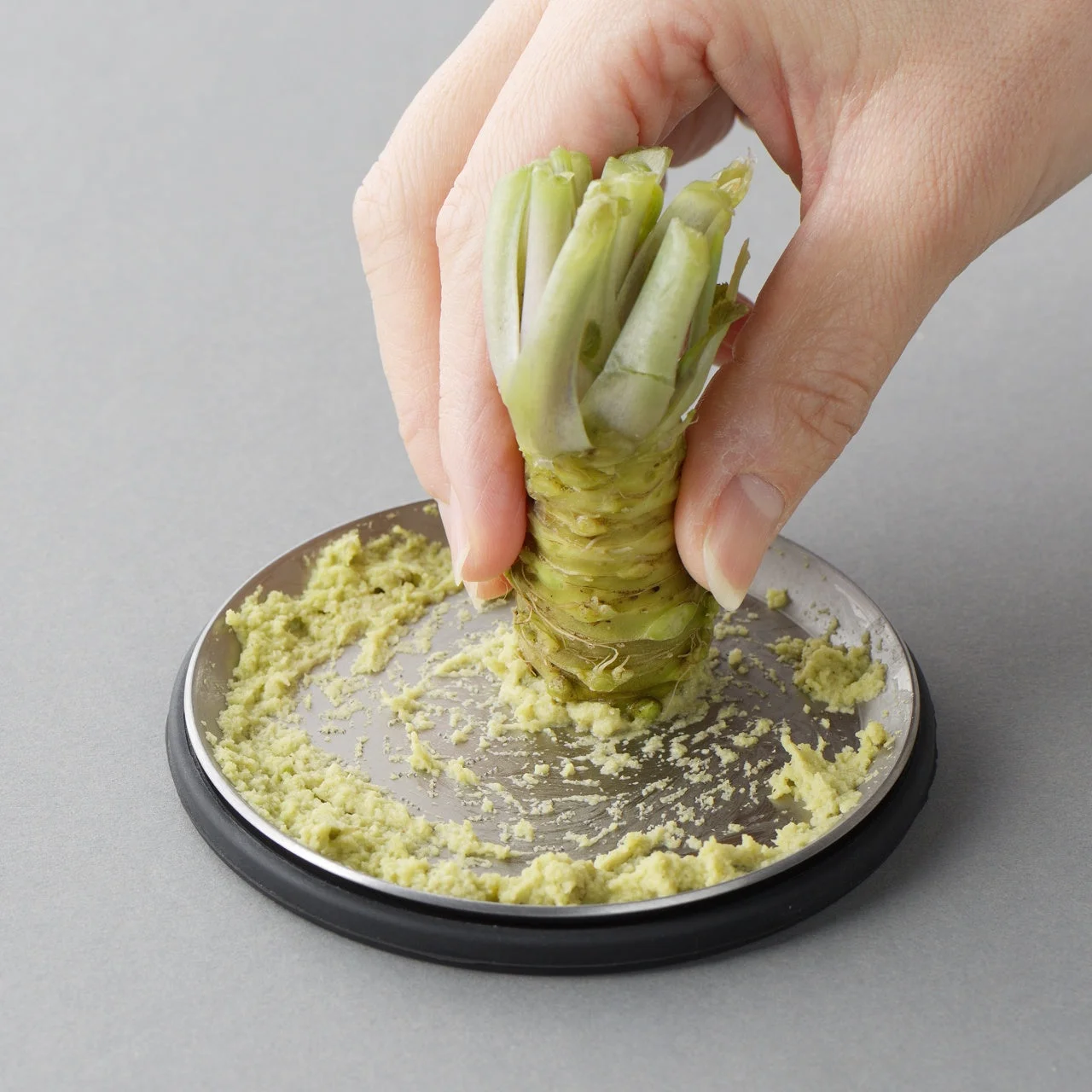
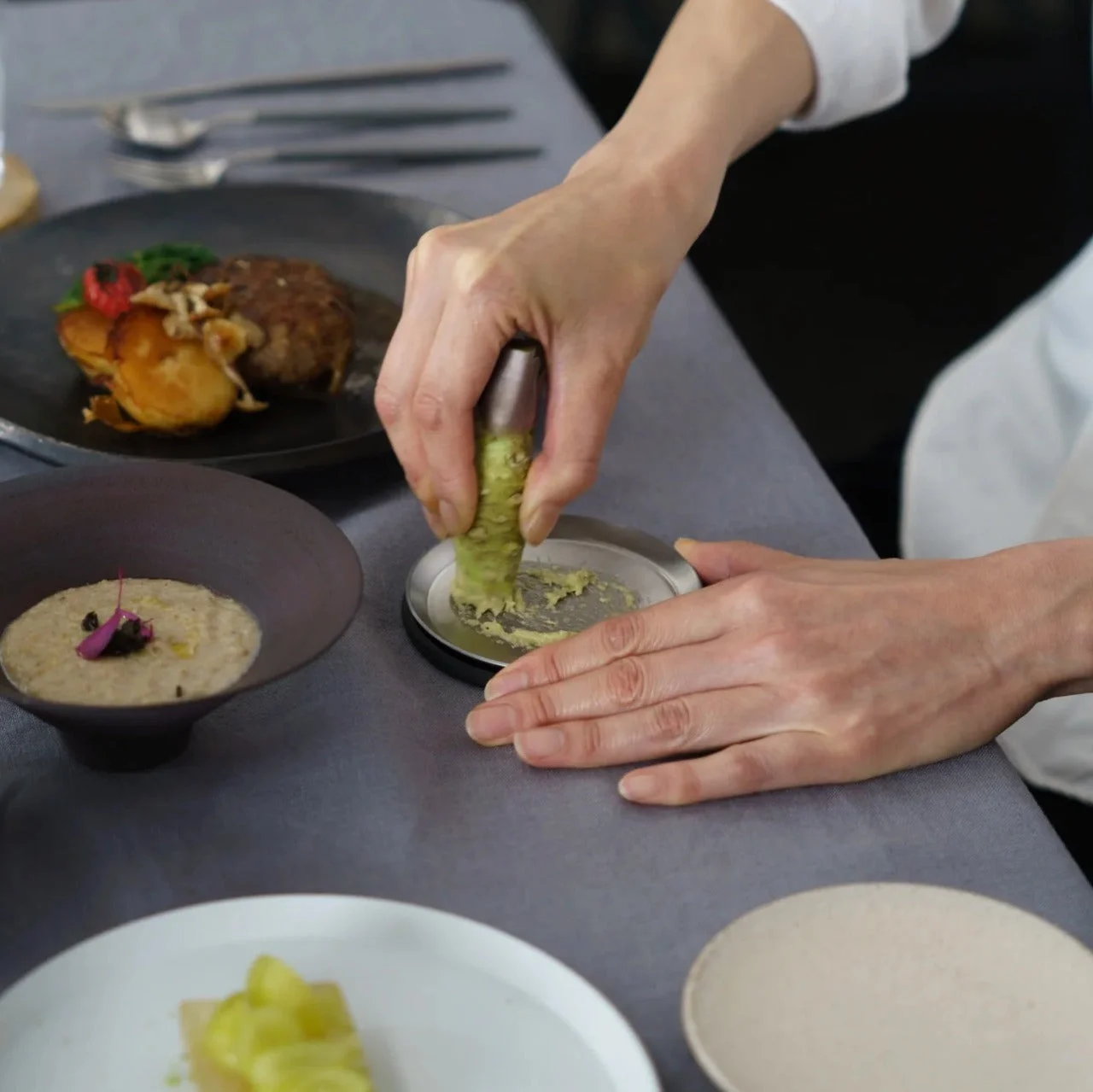
The Plate Grater addresses a common kitchen hurdle: the transfer of grated ingredients. Traditionally, grating requires moving contents between multiple vessels, which can compromise texture and presentation. This tool simplifies the process by allowing you to grate directly onto your serving plate.
When it comes to ramen, having freshly grated daikon on top creates a noticeable difference, both in taste and texture. The Plate Grater streamlines this step, enabling you to serve high-quality ingredients without losing any of their crunch or visual appeal.
Benefits
- Eliminates unnecessary steps, ensuring texture and presentation are preserved.
- Reduces clutter by combining grating and serving functions.
Drawbacks
- Best suited for specific ingredients, limiting its overall versatility.
- Size constraints might make it impractical for larger portions.
Nendo Intertwining Chopsticks
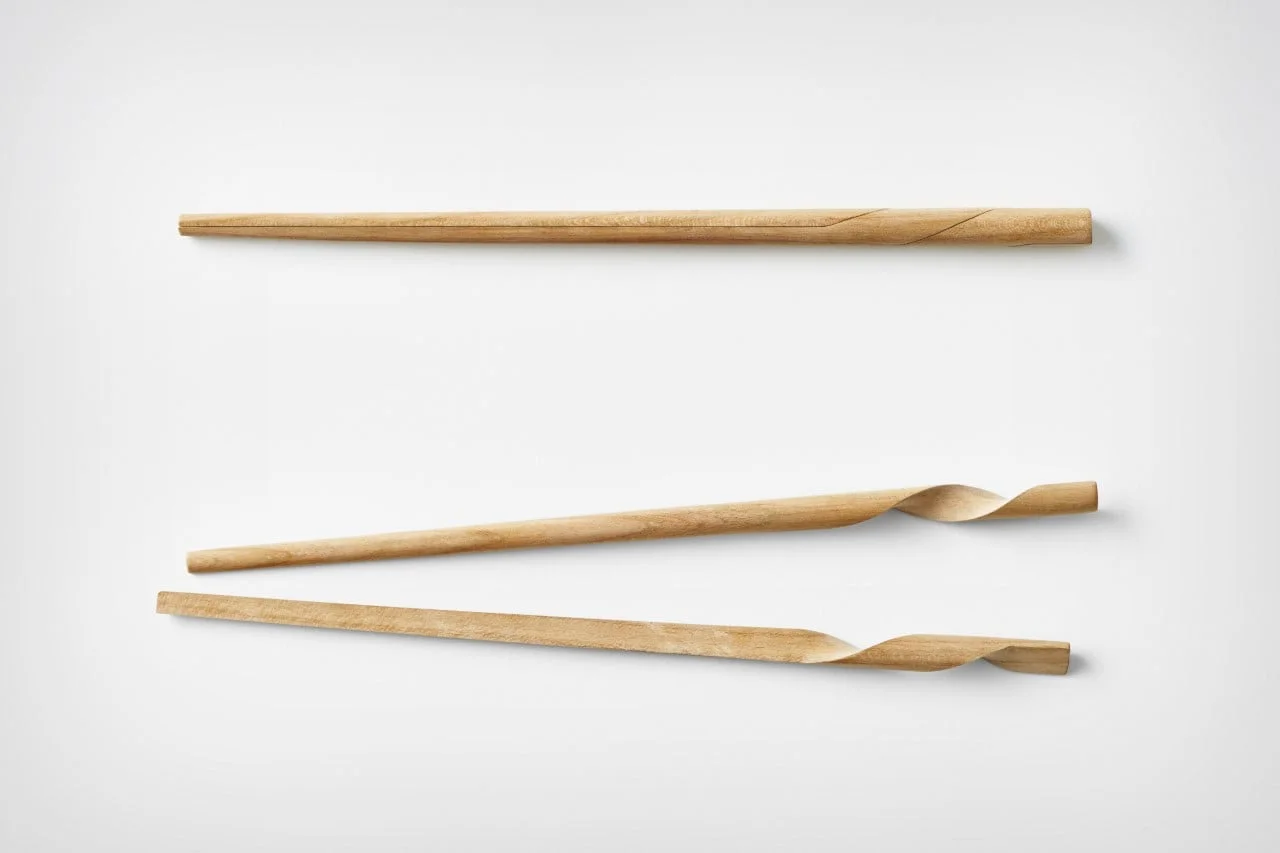
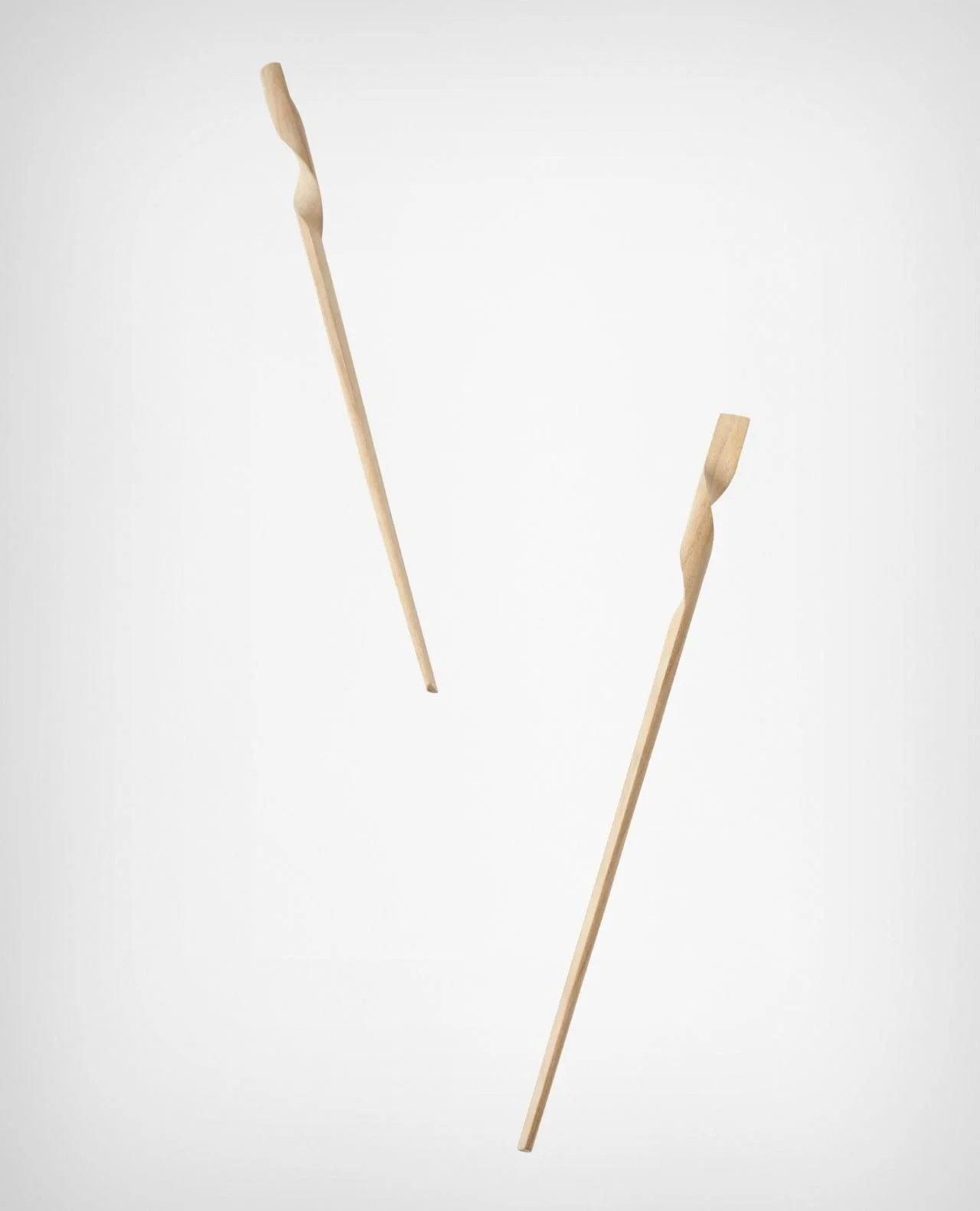
Nendo has approached the design of everyday utensils with a keen eye for improvement. Their Intertwining Chopsticks transform the conventional one-piece utensil into a sculptural element of your table setting. These chopsticks interlock at rest, enhancing the visual coherence of your dining experience without compromising their functionality.
This attention to detail creates a greater sense of harmony on the table, making even the act of setting down chopsticks an intentional part of the overall aesthetic of your meal.
Benefits
- Elevated design adds an aesthetically pleasing element to table settings.
- Remains fully functional without sacrificing usability.
Drawbacks
- No material enhancements compared to standard chopsticks may disappoint some users.
- The design may not accommodate all grip styles effectively.
Intention Behind the Design
What unites these tools is a shared dedication to enhancing the cooking and dining experience. Each was created by designers who questioned the status quo and aimed to solve specific kitchen challenges. The outcome is an array of tools that not only elevate the visual appeal of your cuisine but also redefine how cooking is perceived and practiced.
Japanese design philosophy values the same meticulous attention to everyday objects as it does to monumental architecture. The result is a collection of tools that promote thoughtfulness in the kitchen. Embrace just one of these tools, and your next ramen dish could carry a newfound elegance, showcasing your intention and delight in the process of cooking.
The post 5 Japanese-Made Kitchen Tools That Make Instant Ramen Look Like Fine Dining first appeared on Yanko Design.



Discussion
Sign in to join the discussion.