A creative builder transforms the Mac Mini into a portable cyberdeck, merging desktop power with handheld convenience and modular design.
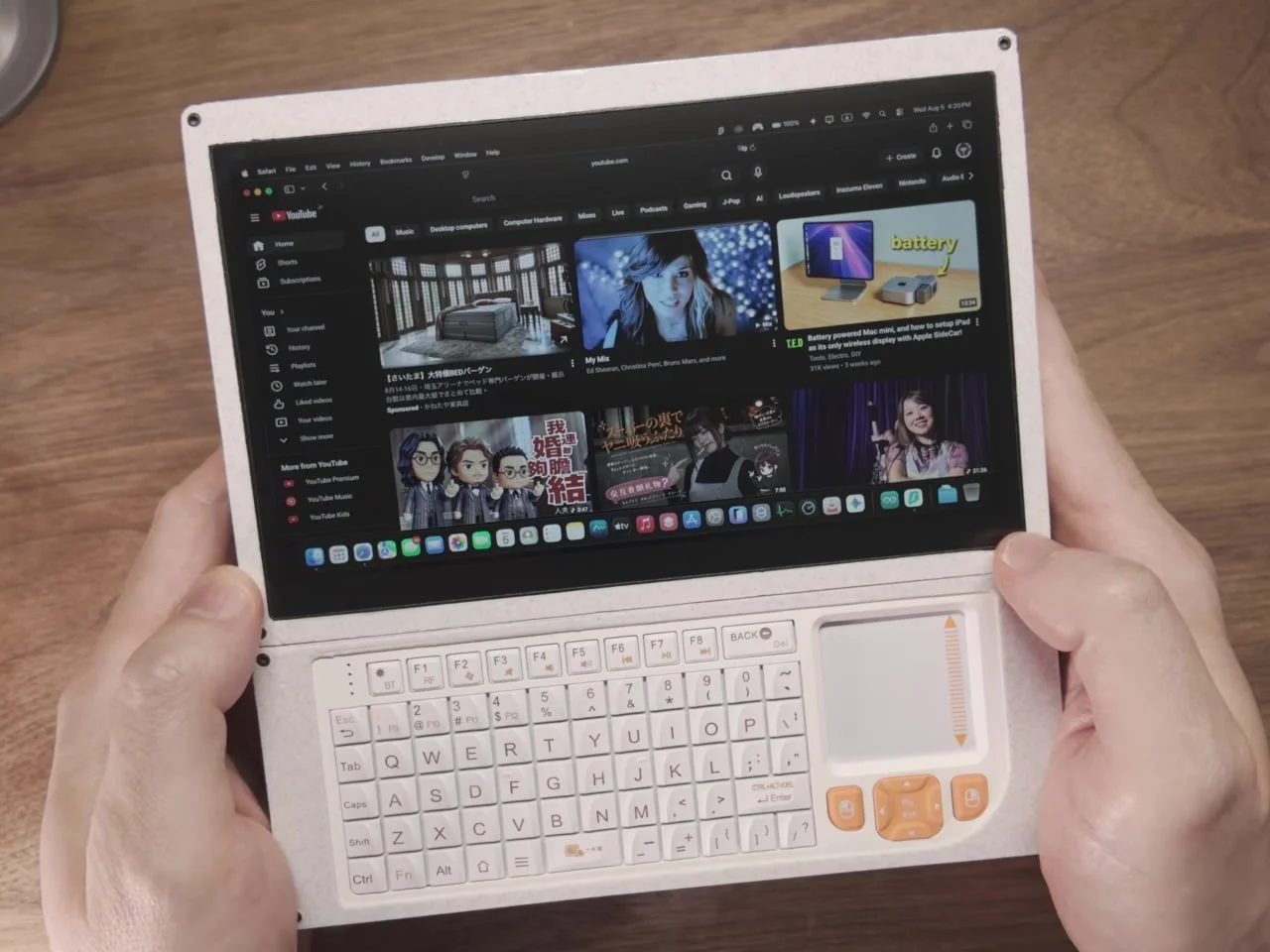
In a surprising twist for Mac Mini enthusiasts, one innovative creator has reimagined the traditional desktop experience by condensing the power of a Mac Mini into a portable cyberdeck. This project showcases how Apple's desktop silicon can be reengineered to create a device that fits snugly in your hands while still running full macOS. It highlights the potential for familiar, powerful computing in a compact form, making it both an engaging DIY project and a statement about the future of personal computing.
Design Philosophy and Customization
The project starts not with miniaturization, but with thoughtful restraint. Rather than removing the original heatsink and fan of the Mac Mini to save space, the creator chose to keep the cooling components intact. This decision enables the powerful M4 chip to handle demanding tasks without overheating, effectively dispelling the myth that desktop silicon is strictly confined to a stationary environment. It’s an important consideration, as cooling is often one of the first casualties in the race to shrink devices.
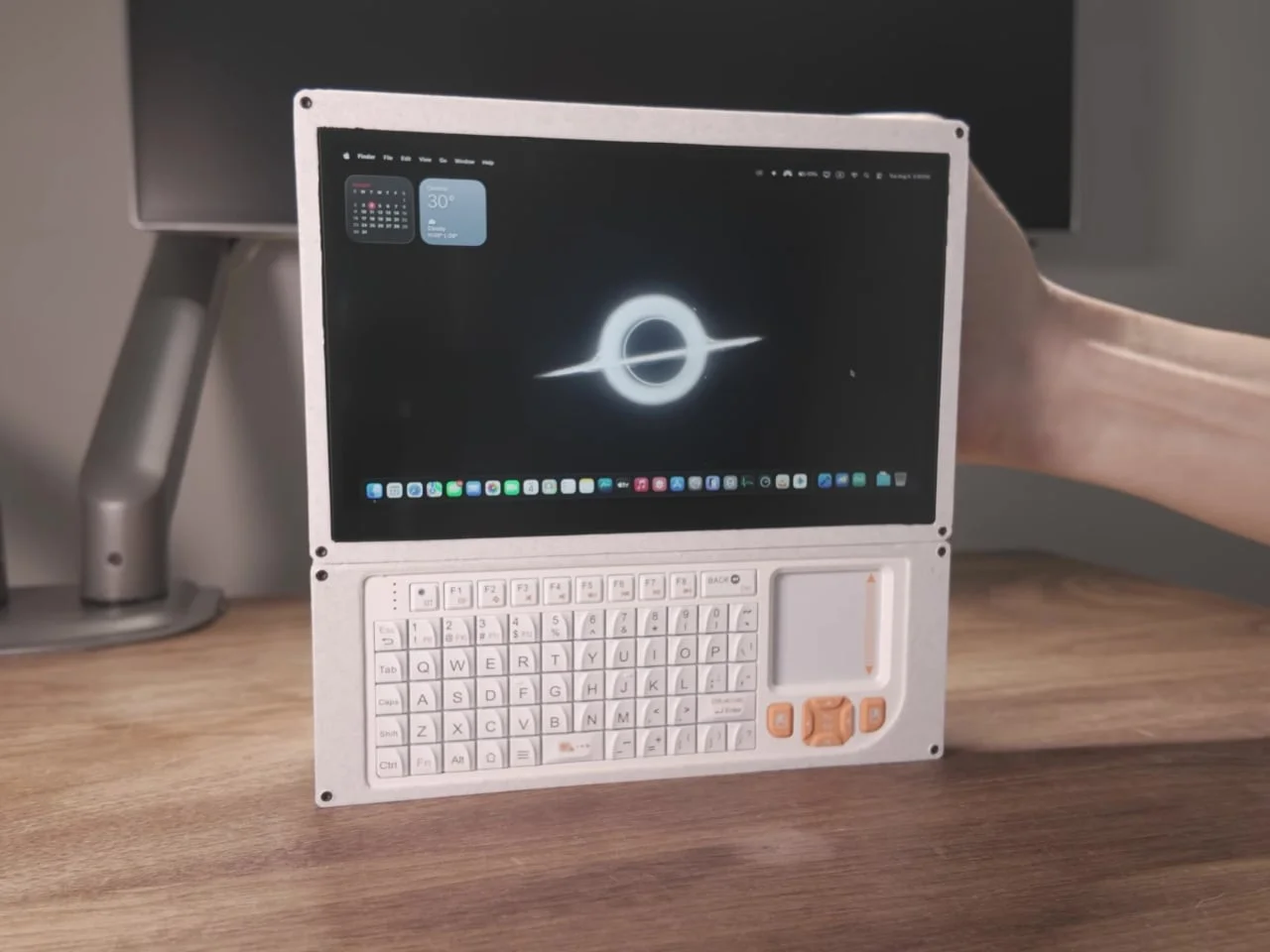
Cleverly named the Mac Nano, the custom 3D-printed shell allows the motherboard to slide in and out easily, functioning more like a game cartridge than a conventional device. With this design, users can quickly swap components, whether for upgrades or repairs, embodying a modular approach to computing. Imagine the world where instead of tossing an entire system for an upgrade, you could just replace the necessary parts. This could lead to reduced electronic waste and a more sustainable approach to tech. The customizability fosters a sense of ownership that typical off-the-shelf products rarely offer.
Features and Functionality
This cyberdeck is remarkably equipped, featuring a 7-inch touchscreen with a 120Hz refresh rate and a compact QWERTY keyboard that incorporates its own touchpad. To optimize performance, the keyboard was converted from a wireless accessory to a wired version, eliminating the hassle of battery management. Battery life is important, and even minor optimizations like this can dramatically improve the user experience in the long run.
The gaming capabilities of this device come from an unexpected source. By integrating circuit boards from genuine Nintendo Joy-Con charging grips, the builder achieved direct, wired connections to the game controls. This design takes advantage of Steam's controller mapping feature, providing a tactile gaming experience and making it possible to play games with the familiar feel of console controllers. This blend of retro gaming tech with contemporary computing highlights a trend where different tech spaces converge, creating hybrids that could cater to a diverse range of user experiences.
Power Management and Connectivity
Addressing the challenges of assembling a multitude of features in a compact space, the designer created a custom three-port USB hub by combining two smaller splitter boards—this innovation resulted in a leaner profile without sacrificing functionality. A set of rechargeable cells powers the entire system, ensuring long-lasting use without the need for constant charging. The attention to power efficiency will resonate with anyone who's faced the frustrations of low battery warnings in the middle of an important task or gaming session.
A Shift in Portable Computing
The rationale behind this build extends beyond merely crafting a smaller Mac Mini. It aims to illustrate that desktop components can be repurposed and adapted for portability while maintaining their core computational strengths. This modular ethos raises fascinating possibilities for the future of personal computing, suggesting a shift towards devices capable of evolving incrementally rather than being replaced completely. If you’re working in this space, this could be a signal that consumer preferences are shifting towards more adaptable technology.
The tech world may well benefit from this approach, as it opens the door for users to engage with their devices on a deeper level, fostering customization and personal expression in technology. The grassroots nature of such projects encourages community involvement, collaboration, and learning. And this is the part most people overlook; when tech becomes personalized, it transcends being just a tool, morphing into something that truly reflects the user’s identity.
The Future of Personal Computing
The implications of this device stretch far beyond its compact size and unique design. As companies push for thinner, lighter devices, they may overlook the underlying needs of users for performance, adaptability, and longevity. This kind of project could inspire mainstream manufacturers to consider modular designs in their own offerings, as the appetite for personalization and user involvement grows. Imagine a future where devices not only adapt to our needs but also do so without the environmental burden associated with constant product turnover. It raises the question: will we see a shift in how manufacturers design and sell computing devices? The answer might depend heavily on the reception of prototypes like the Mac Nano.


Discussion
Sign in to join the discussion.