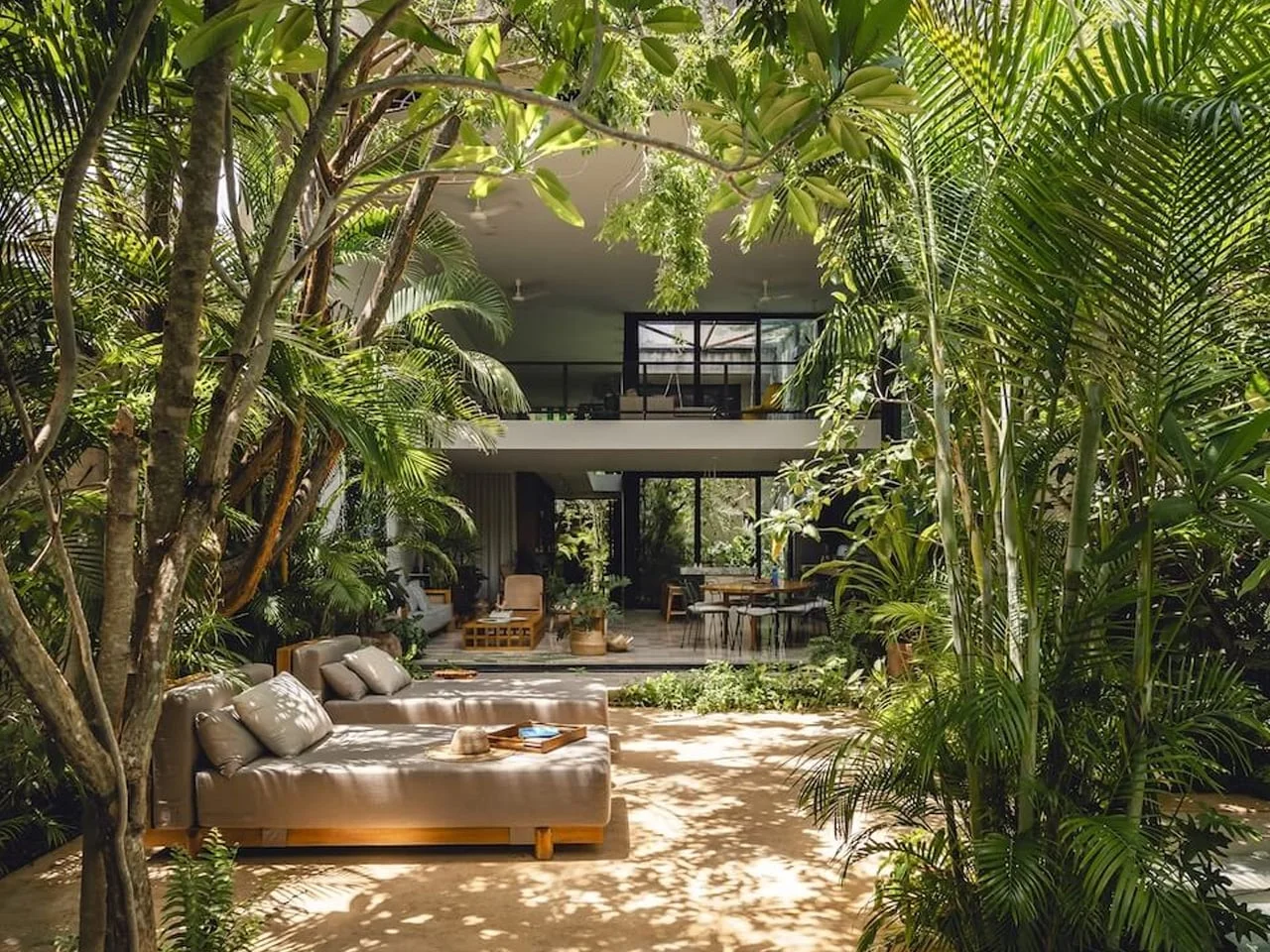
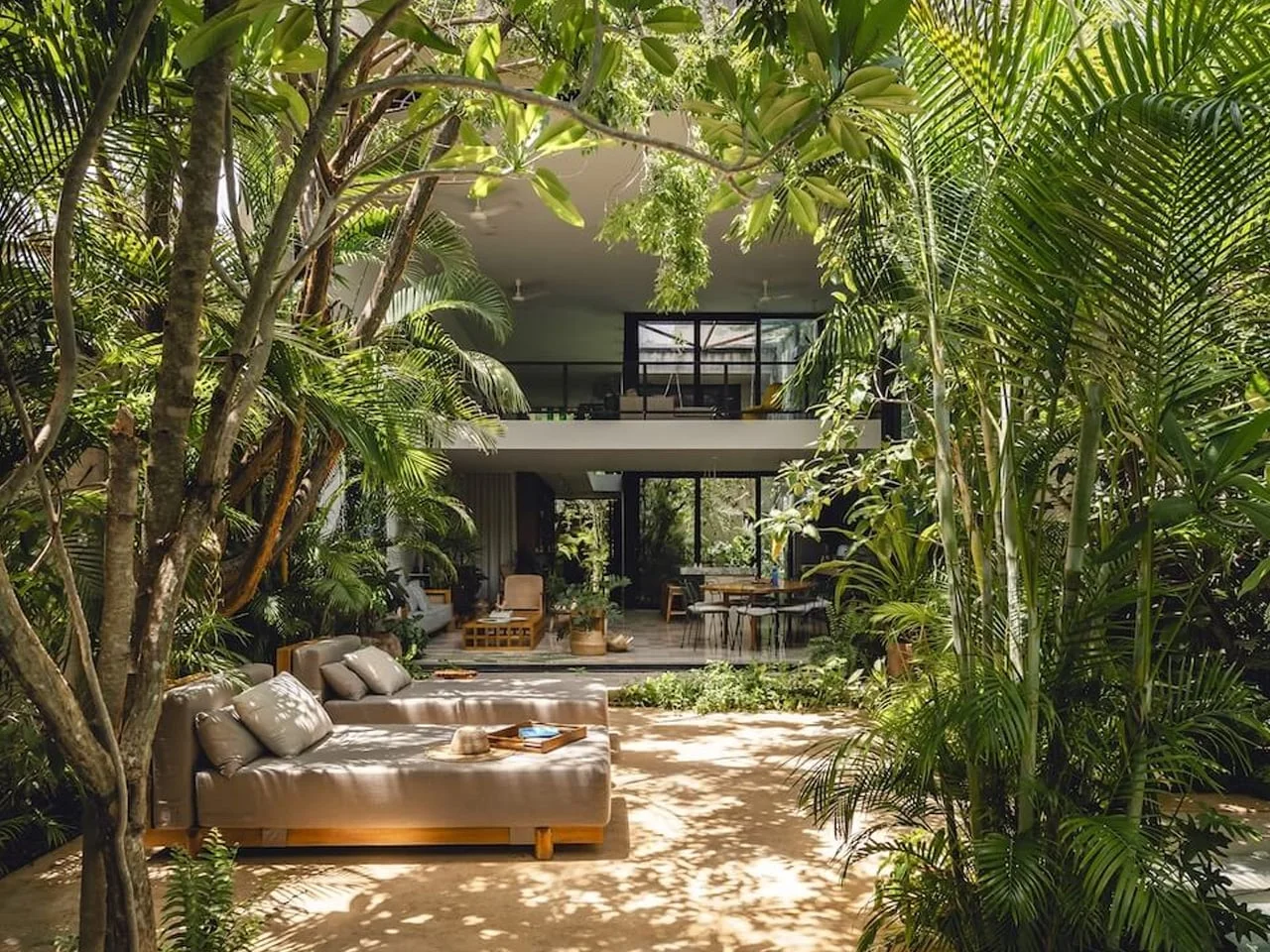
Casa del Loro merges architecture and nature, featuring aviaries for rescued parrots that embody the owners' love for wildlife in Yucatán.
Design Philosophy Behind Casa del Loro
Architects Francisco Bernés Aranda and Fabián Gutiérrez Cetina from Workshop, Diseño y Construcción have designed Casa del Loro, a unique residential space that spans 360 square meters on the outskirts of Mérida, Yucatán. This three-dimensional aesthetic is not simply about structure; it’s a heartfelt tribute to the owners’ dedication to rescuing wild birds, especially parrots. In a time when urbanization and industrialization threaten wildlife habitats, projects like Casa del Loro offer a glimpse of how architecture can promote and nurture an ecological balance.
Embracing Modern Yucatecan Design
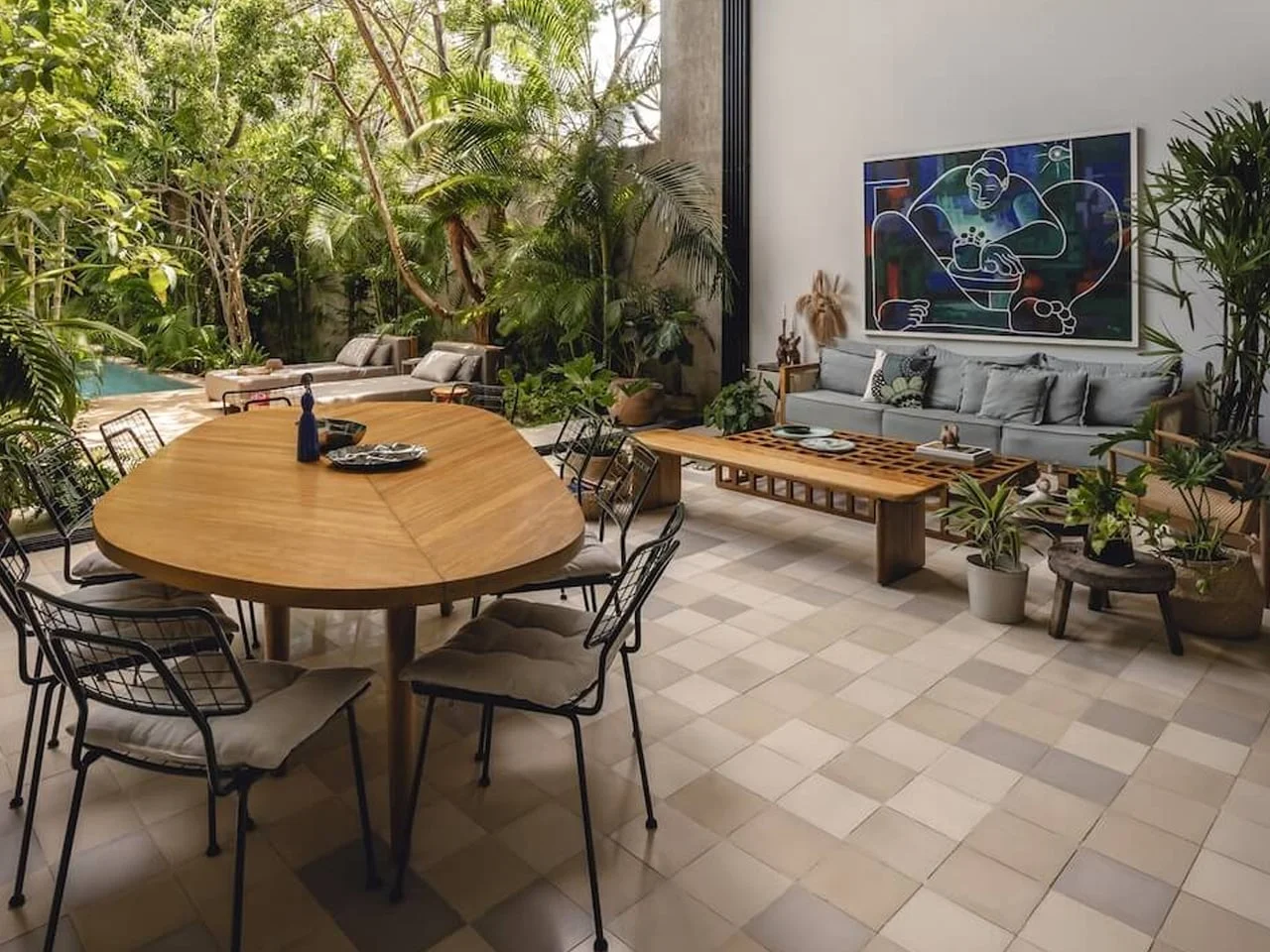
Positioned close to an abandoned henequen hacienda, the design philosophy of this home embodies what the architects term “modern Yucatecan.” This blend of contemporary forms and traditional elements fosters a fluid relationship with its jungle surroundings, creating spaces that feel organically integrated into the environment. The focus on sustainability and a strong connection to nature resonates throughout the design, setting a precedent for how modern architecture can exist harmoniously within natural landscapes. The importance of traditional styles and local materials can't be underestimated; in many ways, they serve as a canvas for the contemporary techniques applied in the construction.
Creating Spaces for Coexistence
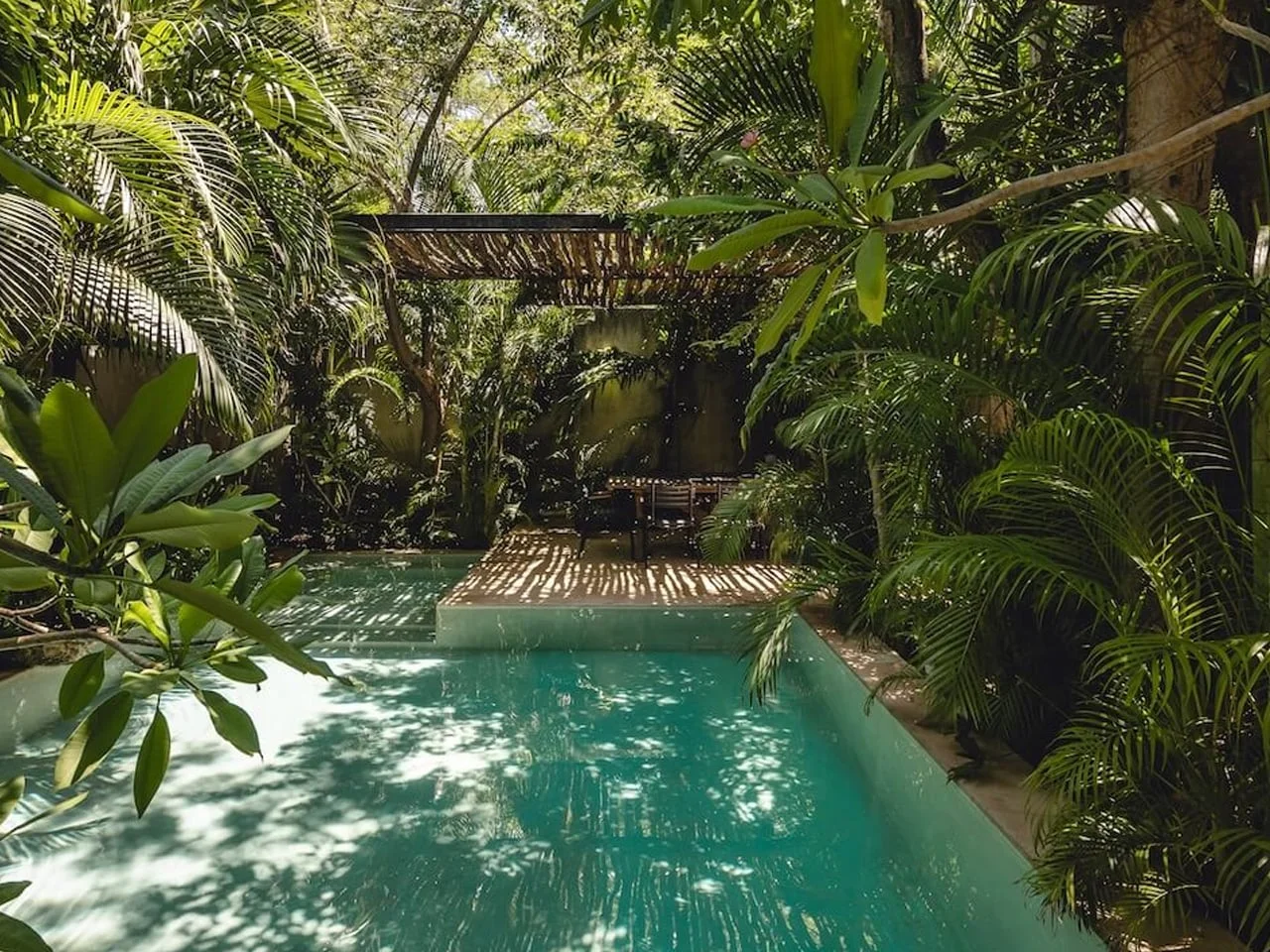
The home's elongated design harmoniously incorporates open patios and two spacious aviaries, allowing both humans and birds to coexist comfortably. This design choice isn’t just aesthetic; it reflects a growing awareness in architecture about the need for spaces conducive to biodiversity. In a world increasingly dominated by concrete jungles, creating environments that encourage wildlife—like the vibrant parrots this home is dedicated to—sends an important message. If you're working in this space, you understand that the integration of living species into residential designs is both a challenge and a responsibility.
Natural Airflow and Sustainability
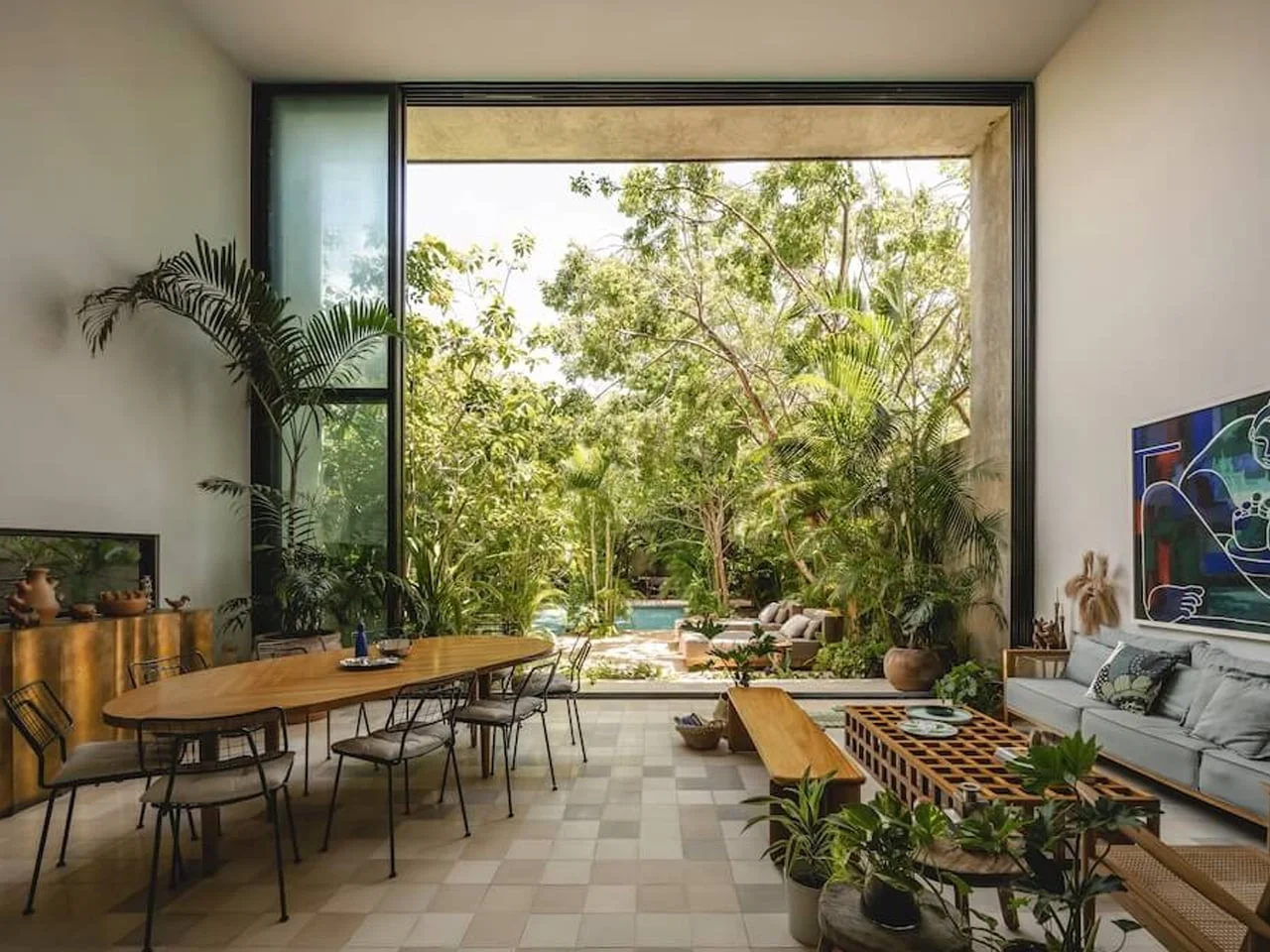
The house's design emphasizes natural airflow, rejecting mechanical systems in favor of significant features like large windows, folding cedar wood doors, and vaulted ceilings. This intentional airflow strategy creates a refreshing breeze that flows uninterrupted from north to south, minimizing reliance on air conditioning. Sustainable architecture has gained traction in recent years, and Casa del Loro exemplifies how effective design can mitigate energy consumption while promoting a comfortable living environment. Large openings not only invite breezes but also connect the home to its surroundings, merging indoor and outdoor life in a way that's visually and physically appealing.
The entrance makes an immediate impression, with its set of four folding cedar doors that open the foyer directly to a garden, blurring the lines between indoor and outdoor spaces. A feature like this underscores the architects' intent to create a cul-de-sac of nature in every sense. It's an opening to tranquility, much needed in our fast-paced society. Not everyone realizes how critical this sensory interaction is for well-being; it encourages not only relaxation but promotes a thriving ecosystem right at home.
Interior Design: A Curated Experience
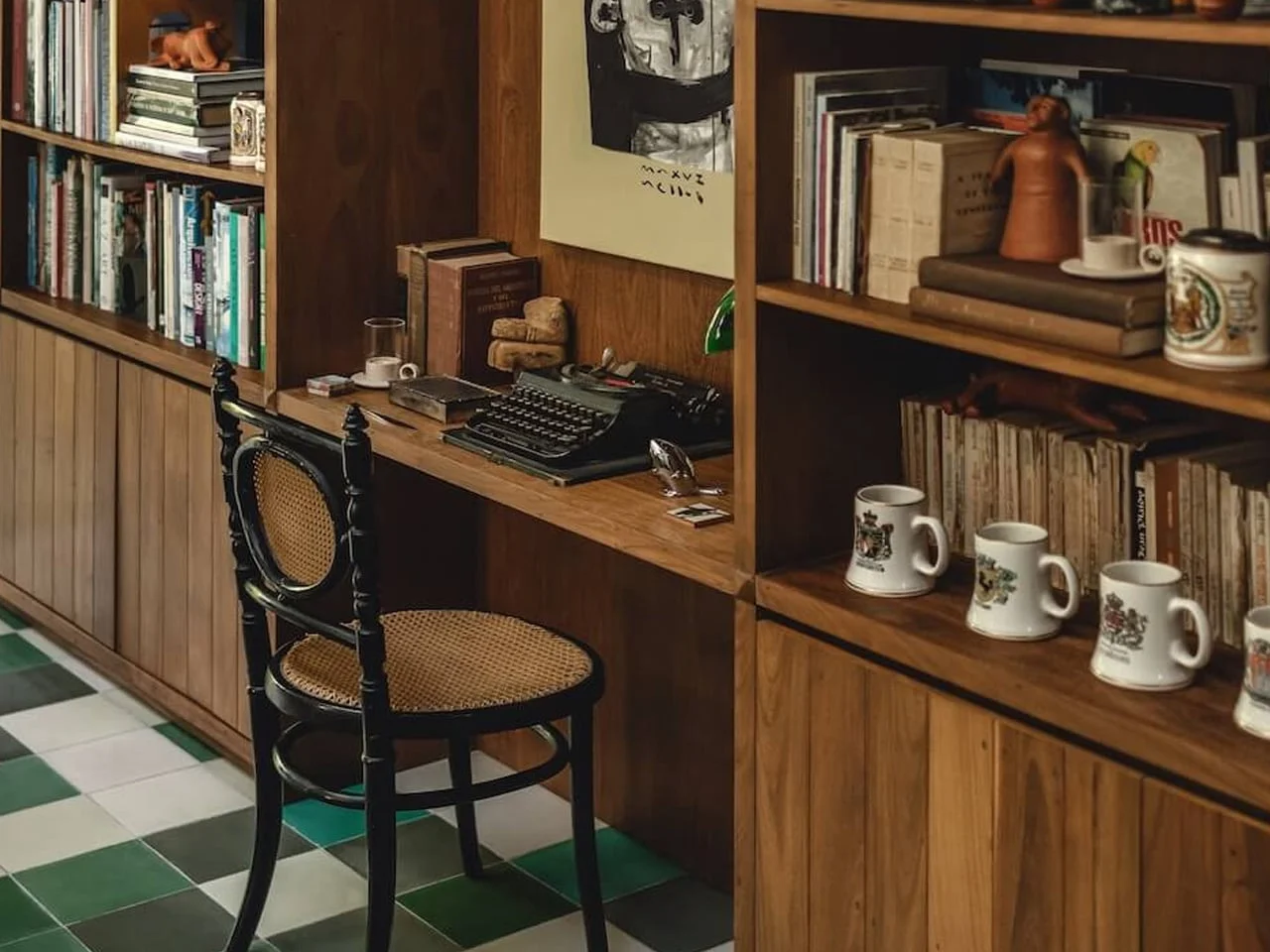
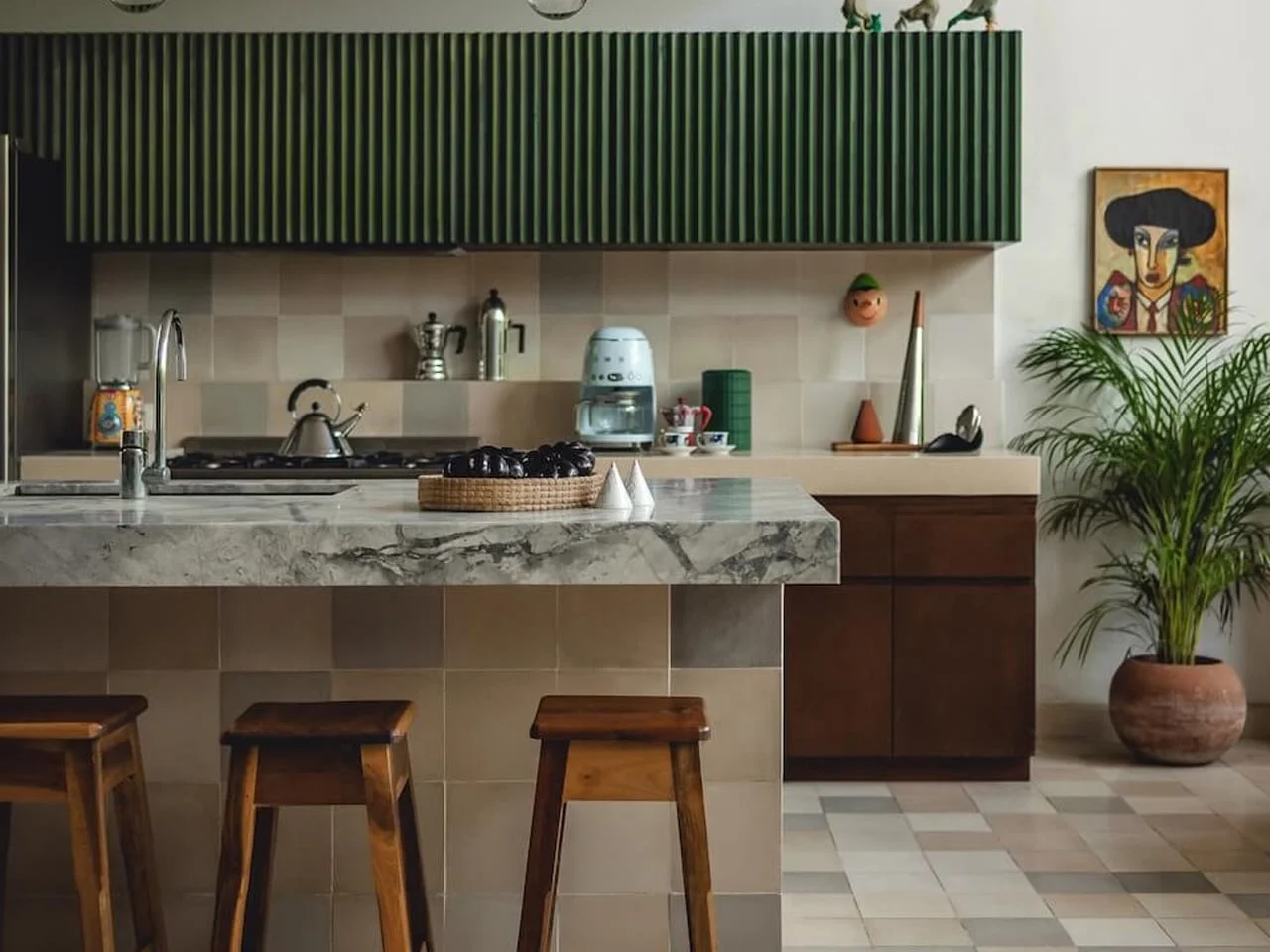
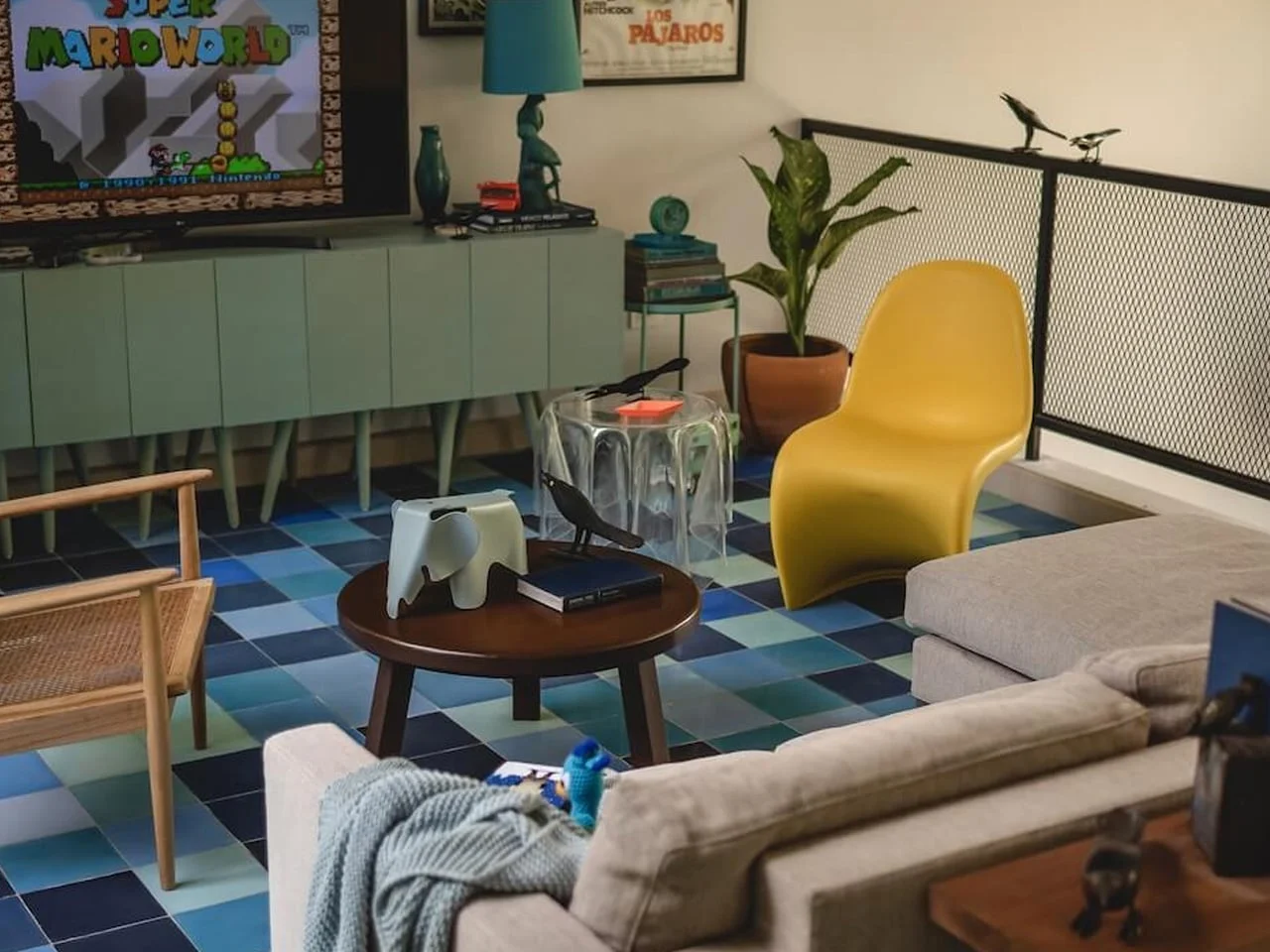
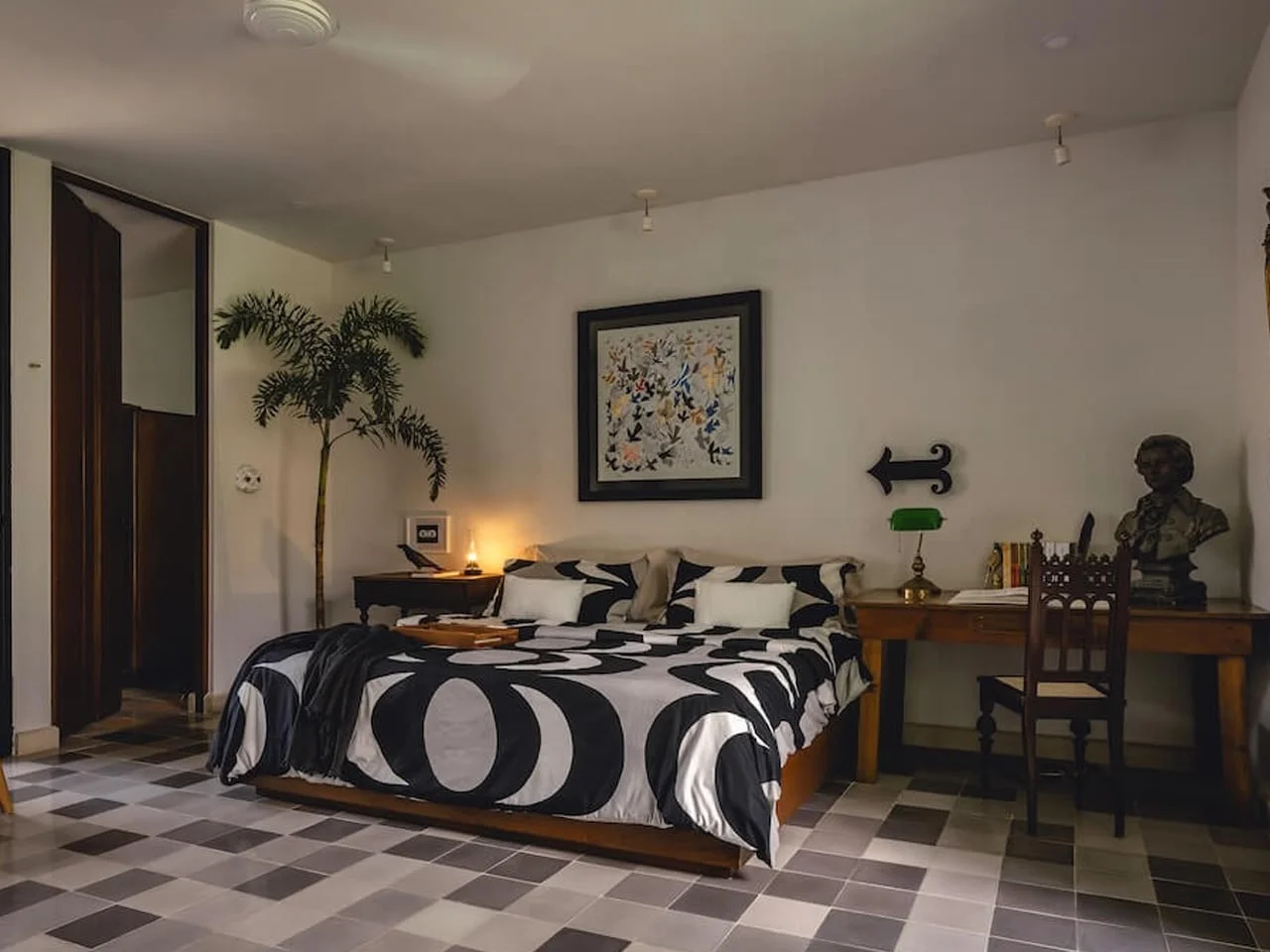
Inside, the decor showcases a curated blend of antiques, heirlooms, European design, and local craftsmanship, each piece enhancing rather than competing for attention. This approach signifies an intentional strategy; the aesthetic should complement the space rather than distract from it. A noteworthy feature is a bespoke bookshelf made from tzalam wood, showcasing both books and significant objects. The choice of materials—concrete, wood, glass, and metal—reflect a tension that captures the essence of tropical architecture while narrating a story of its own.
What’s fascinating is how these elements contribute not just aesthetically but also functionally. Each material has its temperature, weight, and texture, influencing how a space feels. It’s not just decoration; it's about creating a multi-sensory experience that invokes a sense of place and belonging. This philosophy highlights a broader trend in home design where the narrative around the home is just as vital as its physical structure.
Impact Beyond Architecture
Photographs by Manolo R. Solís showcase Casa del Loro in an article in Domus, indicating its appeal beyond local architecture circles. Yet, the profound impact of this house lies in its affectionate homage to avian life, evident in every open space and in the untouched jungle remaining around it. It evokes a kind of environmental consciousness that’s increasingly relevant today. The design acts not just as a shelter but as a living statement advocating for wildlife preservation in urban and suburban contexts.
Looking Ahead: The Future of Nature-Inspired Architecture
As more people become aware of environmental responsibilities, the implications of projects like Casa del Loro could be far-reaching. The significance goes beyond mere aesthetics; it’s a wake-up call for future architects and homeowners alike. There’s a growing recognition that residential spaces can be designed with not just human occupants in mind, but non-human as well. This trend may push for new building codes that consider ecological contributions, making homes not just livable but also beneficial to their environments.
Casa del Loro precisely embodies this approach. It’s not simply a home; it’s a vision for how we can exist in harmony with the planet. Its influence could inspire similar projects that prioritize ecological balance, paving the way for a new architectural ethos. Are we ready to embrace this shift? This may be a pivotal moment in architecture, where the integration of human innovation and nature is no longer optional, but essential.


Discussion
Sign in to join the discussion.