Atelier Lune's Camping House offers a unique mobile living solution, combining the luxury of comfort with the flexibility of mobility for modern lifestyles.
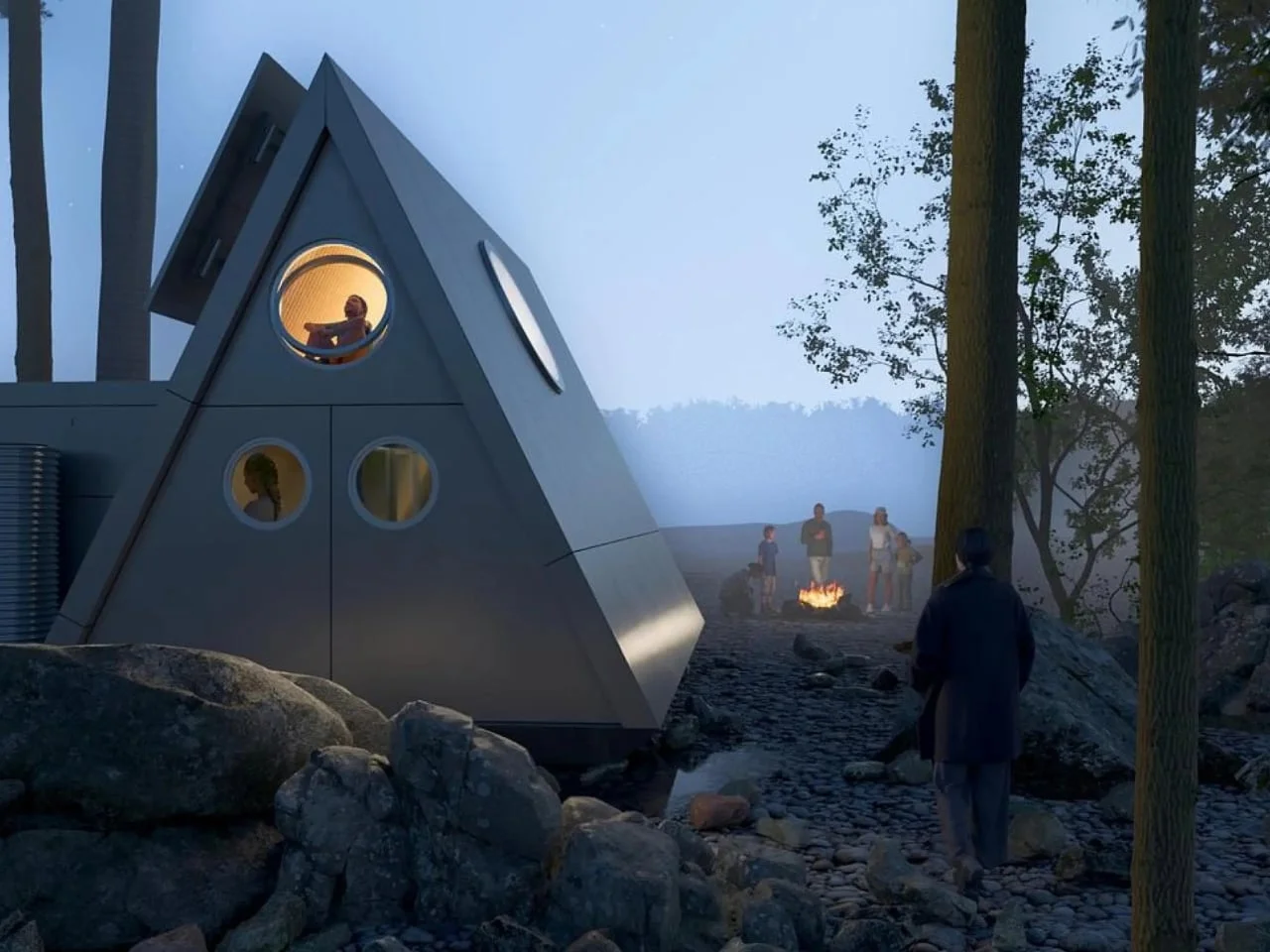
For years, the essence of camping has involved a trade-off between adventure and comfort. But Atelier Lune, a design studio based in the U.S., is challenging this notion with a striking concept known as the Camping House. This isn't just another tent or RV; it's an architectural statement that engages with the contemporary values of mobility and sustainability.
Reimagining Camping: The Camping House Concept
The Camping House offers a portable living experience that prioritizes both mobility and architectural integrity. Architect Na Shen, a former designer with prestigious firms like Gensler and Zaha Hadid, crafted this structure to transition from a transportable unit to a fully functional home in a matter of hours. The design embodies a philosophy that seeks to redefine what shelter means in the context of modern living.
This concept goes beyond mere aesthetics; it embodies a significant shift in how we think about temporary and mobile housing. With lifestyles increasingly favoring remote work and travel, the Camping House meets that demand. It's more than just design for design's sake. It's about creating a space where one can live comfortably, even while constantly on the move.
Transformative Design and Structure
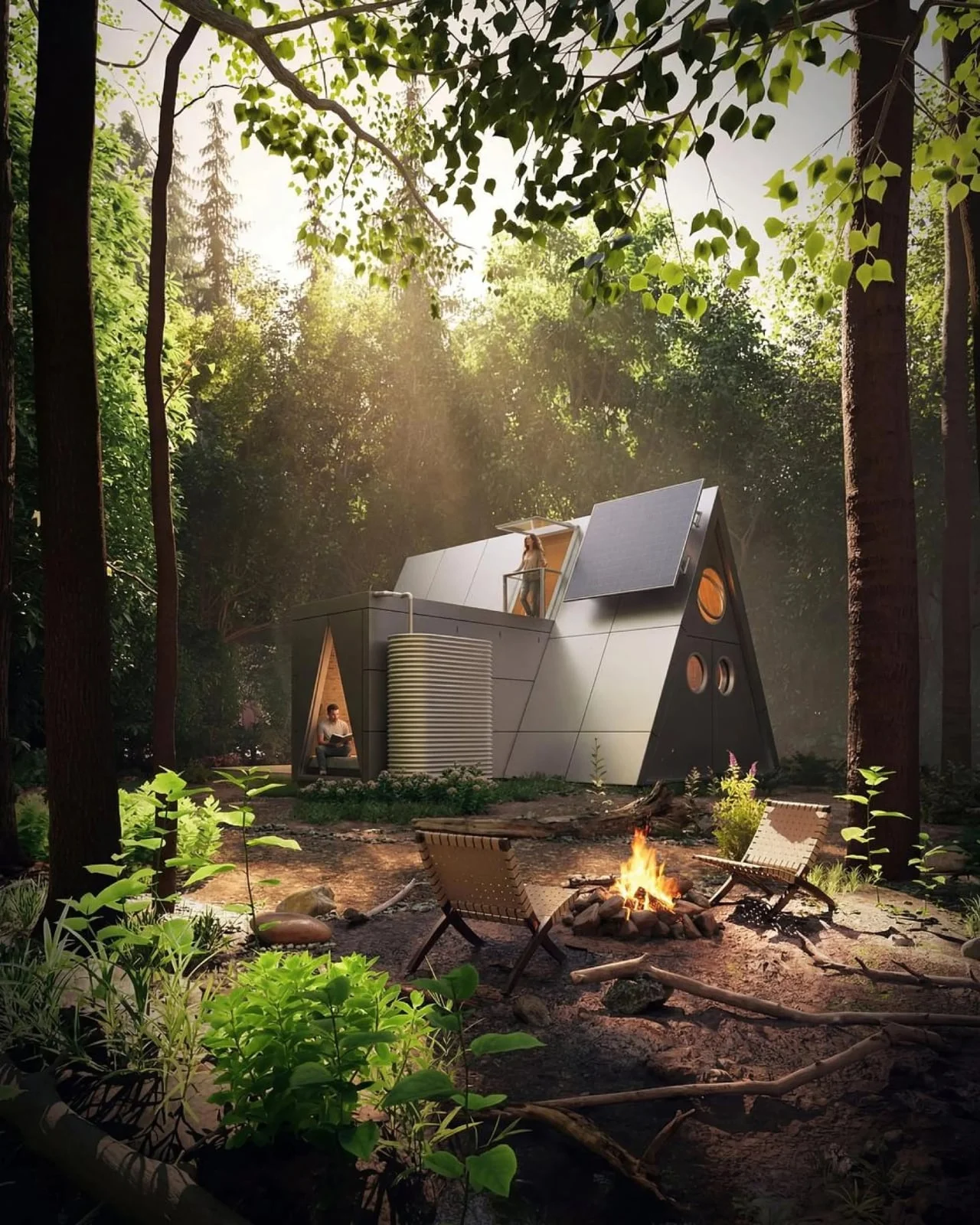
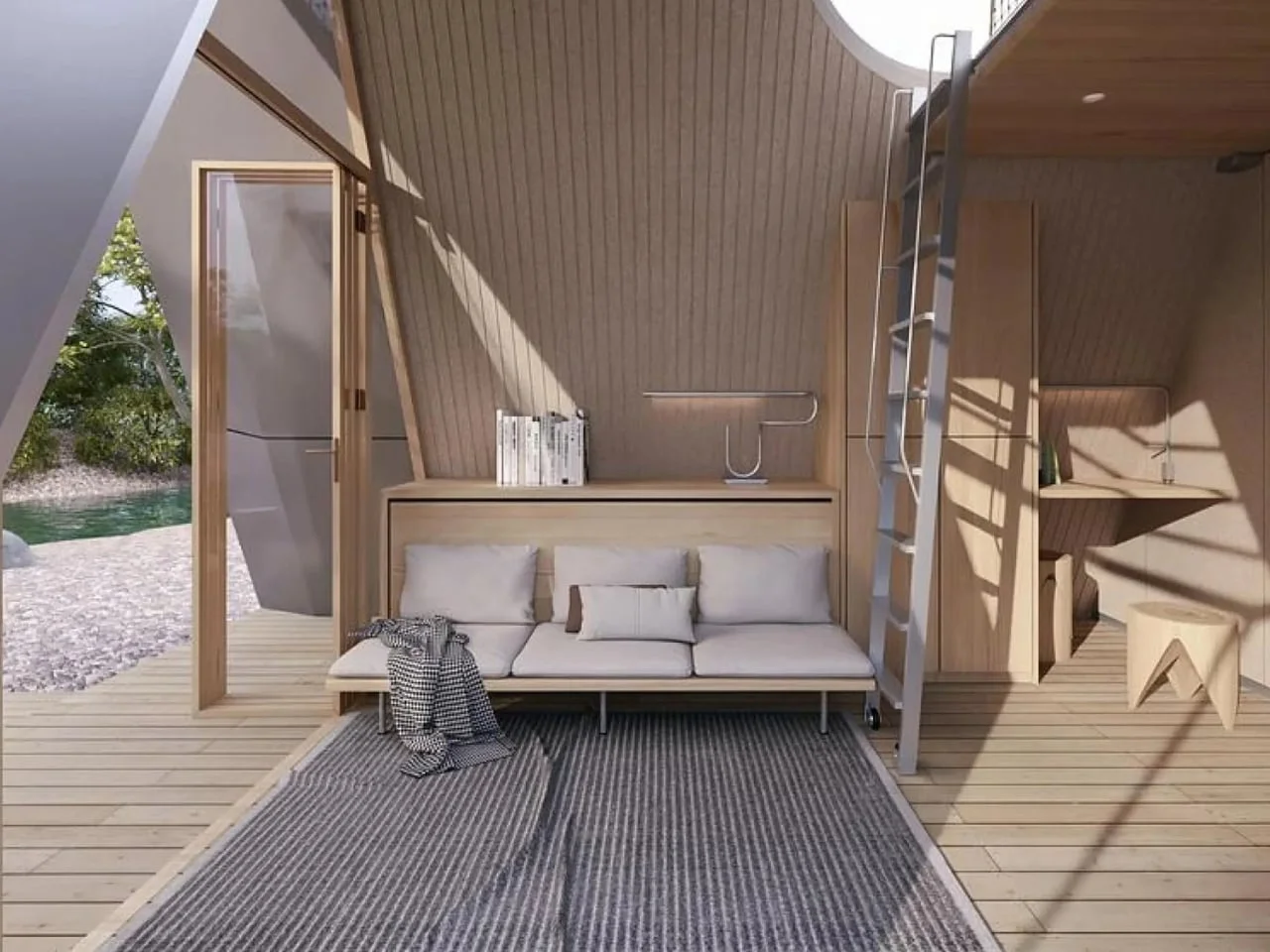
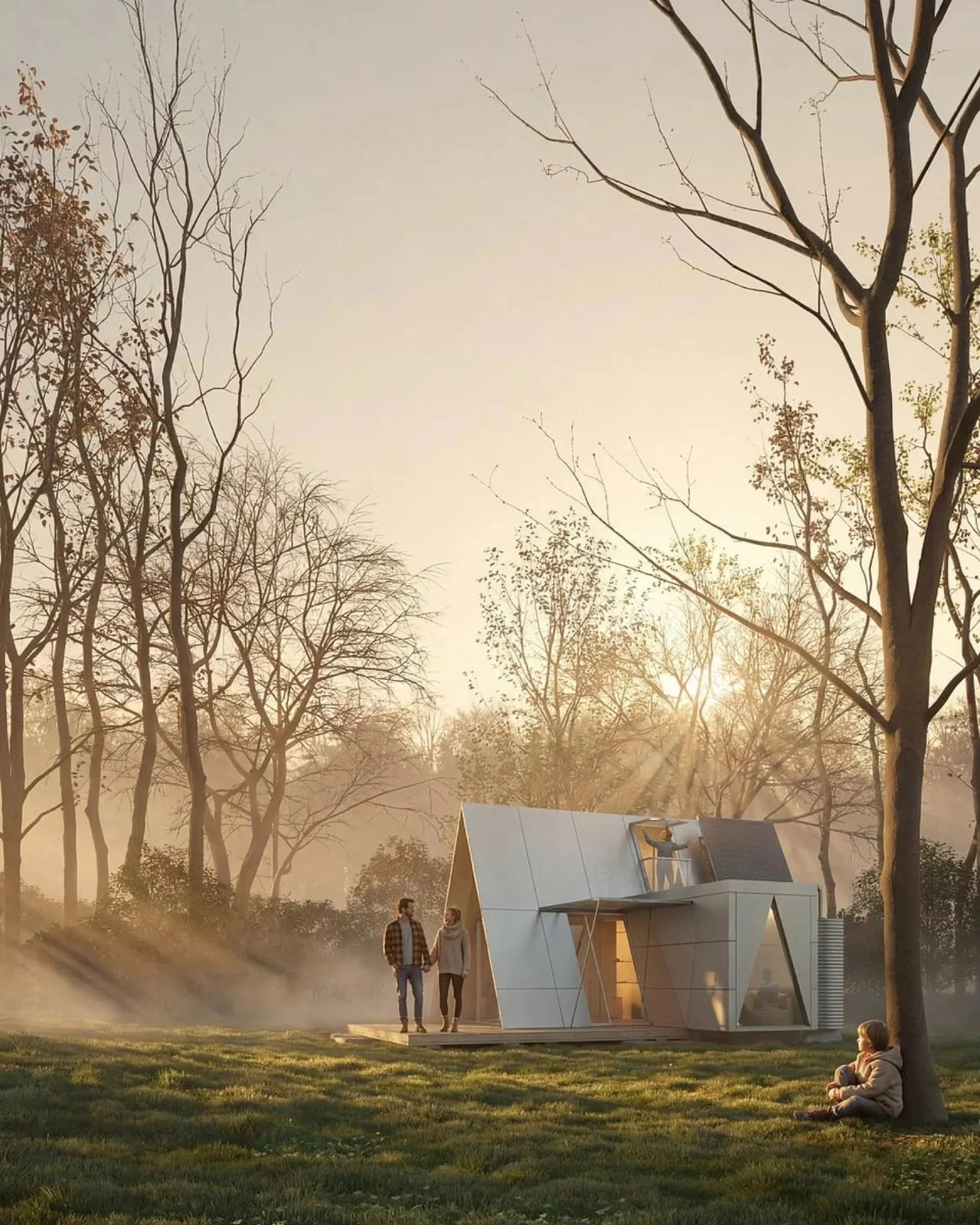
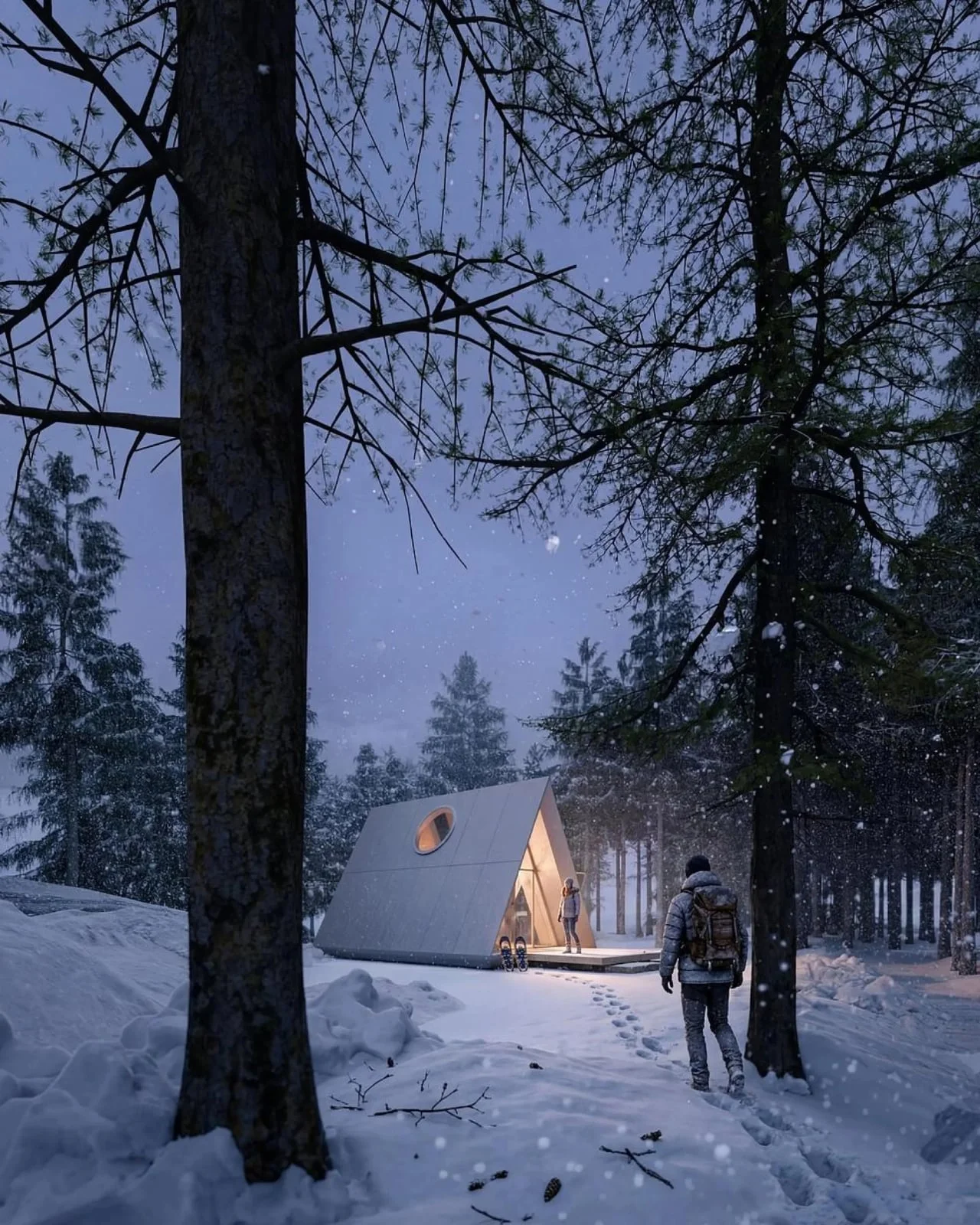
Unlike many tiny homes that stay static once parked, the Camping House innovatively features a folding shell that expands into a steep A-frame layout. This design is both striking and functional, achieving a sense of openness and permanence that many campers yearn for. By shedding rain and snow efficiently, it maximizes interior space and enhances aesthetic appeal, creating an environment that feels as much a part of nature as it does a sophisticated dwelling.
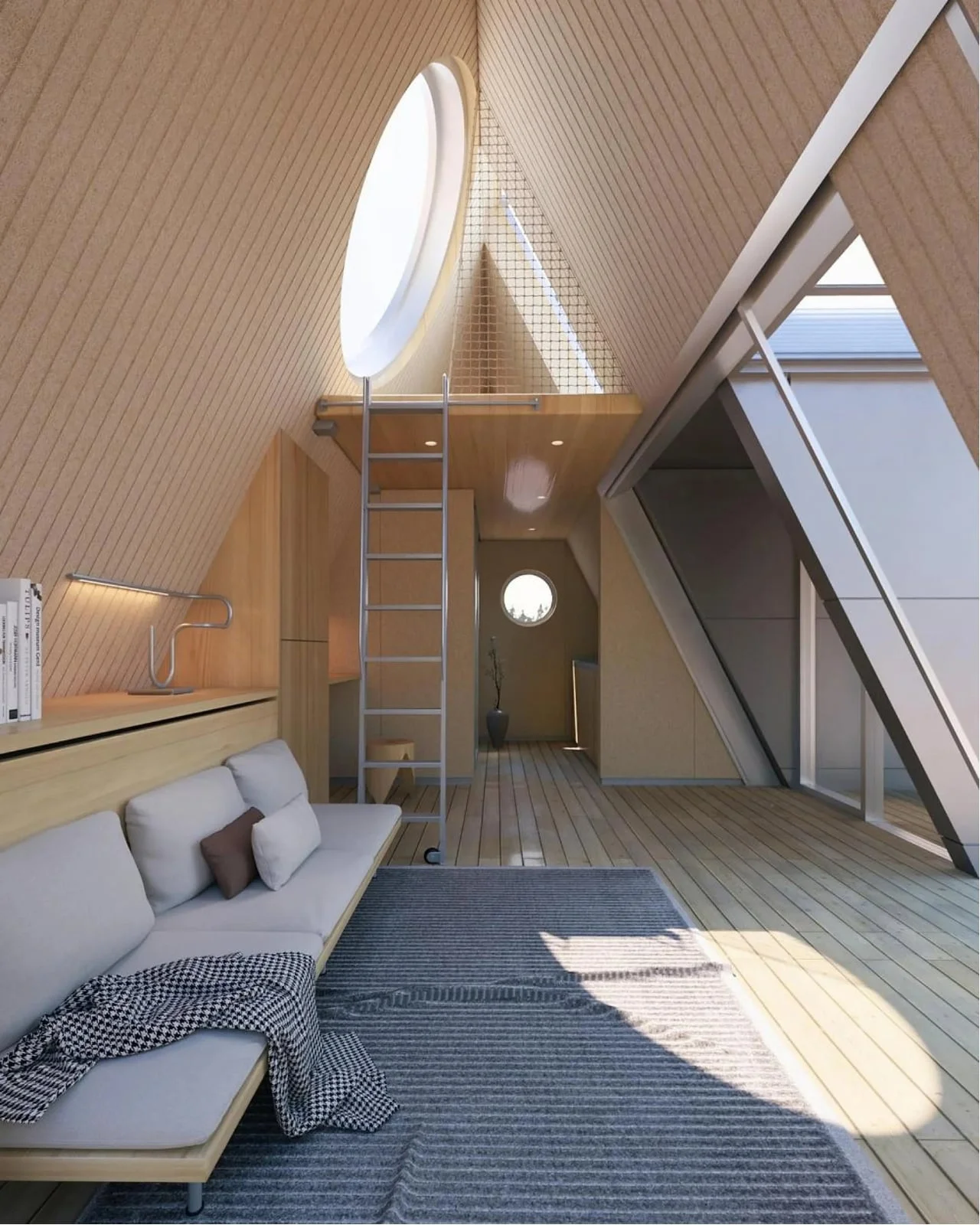
The innovation lies in its modular design, which Atelier Lune refers to as Ports. The Residential Port serves as a versatile living and sleeping area, equipped with furniture that quickly adapts for different functions. No more fumbling with makeshift couches and beds; it's designed to let you transition easily between activities. The Utility Port, on the other hand, includes a full kitchen and bathroom—features often sacrificed in traditional camper setups. This is a big deal. You won't have to compromise comfort for mobility. An Extended Port can be attached for extra workspace or guest accommodations, expanding the possibilities of what a camping experience can look like.
Meeting the Needs of Modern Living
The Camping House's design is particularly timely, catering to the rise of remote work and the growing desire for extended outdoor living. In an age marked by the need for energy efficiency and sustainability, this structure is designed for off-grid living. Features like solar energy integration, rainwater collection, and passive ventilation contribute to a minimal ecological footprint. That’s a big plus for anyone considering camping in ecologically sensitive locations, where traditional setups might pose environmental risks.
What stands out is the thoughtful approach to mobility, focusing on how to build a space that can let go rather than just hold its ground. The ability to couple multiple units allows for diverse applications—potentially serving as temporary housing solutions during emergencies or even as eco-tourism facilities that can be relocated easily. This is where design meets practicality, and it invites potential users to rethink what a mobile living space can truly offer.
A Vision for the Future of Shelter
While the Camping House remains a concept for now, it promises a dignified alternative to the typical pop-up tent experience. The assembly process reportedly takes just under two hours by two people, which aligns well with the demands of modern lifestyles. This efficiency is appealing, especially for those looking for a quick getaway without the cumbersome setup often associated with camping.
Implications for Mobile Living and Shelter
The driving question posed by the Camping House is whether the concept of shelter needs to fall strictly into temporary or permanent categories. By merging these ideals, Atelier Lune is setting the stage for further exploration into what a mobile home can truly be. This is more significant than it looks—it's a challenge to the status quo of mobile living structures.
What this means for you, particularly if you're working in this space, is an invitation to consider how we can rethink conventional design to meet contemporary challenges. Regardless of whether this specific design comes to market, the underlying inquiry—how to maintain comfort while enjoying mobility—will likely resonate within the design community going forward. The questions raised here are not just for architects or designers; they touch on societal issues around housing and environmental sustainability, inviting a broader public discourse on what home can mean in various contexts.
Discussion
Sign in to join the discussion.