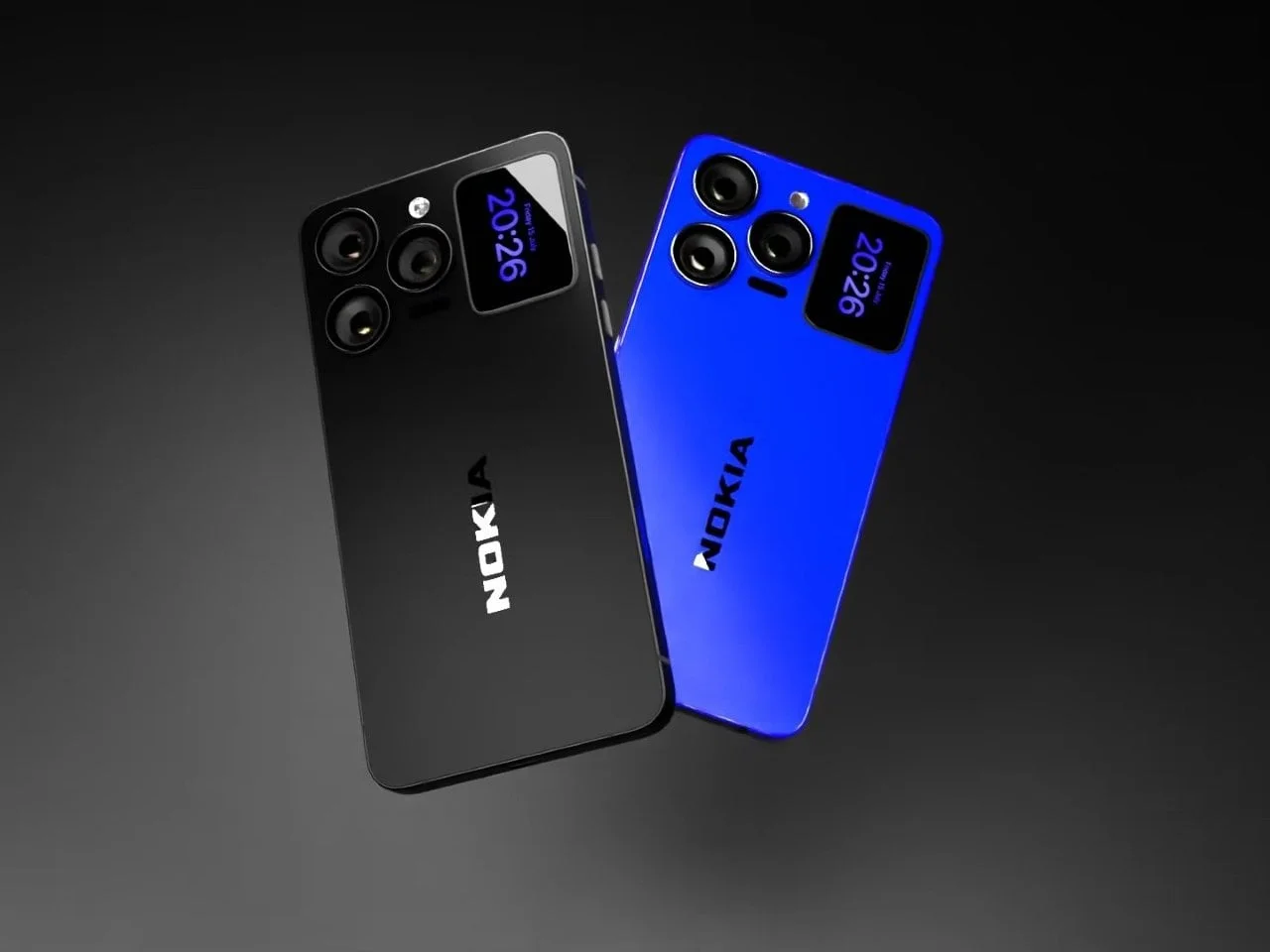
The fan-created N90 Ultra concept showcases a second display on the back, emphasizing a growing trend in smartphone functionality.
The N90 Ultra Concept: A Glimpse into Nokia's Potential Comeback
The N90 Ultra, a conceptual design that hints at a possible resurgence of Nokia in the flagship market, showcases an intriguing feature: a second display on the back of the device. Although this render is purely fan-made and not an indication of a forthcoming product, it taps into an emerging trend observed in modern smartphones. This design captures the essence of Nokia's legacy while integrating functionality that prioritizes user convenience and efficiency.
Design Elements: A Nod to Legacy and Modernity
The concept features a back panel made from a titanium alloy frame in sleek cobalt blue and graphite silver finishes, giving it a contemporary yet classic appearance. The distinctive raised visor encompasses three camera lenses along with a compact secondary display. This isn’t just for show; rather than remaining dormant, this mini-screen proactively provides essential information like time, date, and notifications at a glance, negating the need for the primary display to light up. This design choice significantly reduces the frequency with which users need to pull their phones from their pockets, leading to a more streamlined daily use.
Imagine a scenario where a phone rests face down during meetings; it can still convey vital updates without the user needing to unlock the device. This subtle feature alleviates the pressure to constantly check for notifications, creating a layer of convenience that some users might not even realize they need. Similar functionality has been explored by brands like Xiaomi and Meizu, who have integrated such solutions in their devices, but Nokia's concept could take this approach to a new level. By minimizing unnecessary front screen activation, these designs enhance user experience in practical, everyday settings.
Camera Capabilities: Aspirations vs. Reality
The N90 Ultra concept goes further by boasting ambitious camera specifications that may exceed what is realistically achievable in a smartphone. It claims to feature a jaw-dropping 200 MP main sensor, 8K recording capabilities, and a staggering 200x zoom feature. While such specifications undeniably capture the imagination, they raise questions about practicality. Are manufacturers prioritizing flash over function? In a market where consumers are becoming increasingly aware of real-world performance metrics, this approach could backfire.
Consumers often desire devices that balance impressive specs with user-friendly performance. The allure of high numbers on a spec sheet can sometimes overshadow fundamental usability, leading to products that impress in theory but falter in performance. And yet, it’s crucial to dissect whether such incredible specifications are truly necessary or merely marketing tools designed to attract attention.
The Debate on Secondary Displays
More importantly, the presence of the mini-display in the N90 Ultra concept raises pertinent questions within the smartphone industry: how much information truly necessitates a fully activated screen? It echoes a broader conversation about how we interact with our devices. Some devices solely utilize rear space for branding or minimal indicators, while more interactive approaches, like the one proposed by the N90 Ultra, could revolutionize how users manage notifications and data checks throughout their day.
This concept challenges the established notion of smartphone design, pushing for a future where the back of your device isn't just a plain surface but a useful interface. It’s an idea that resonates particularly with users who prefer quick interactions to avoid disrupting their tasks. If you're working in this space, you know that any advancement in user convenience tends to be well-received. The N90 Ultra might not be slated for production, but it adds momentum to a discussion that’s essential for the direction of future smartphones.
Implications and Future Outlook
Despite the unlikeliness of Nokia making a strong return to flagship models—especially considering the unrealistic camera specifications—the fundamental idea of integrating a functioning screen on the back of a device holds significant weight. This design trend is gaining traction, becoming increasingly relevant as various manufacturers explore similar features in their offerings.
Here's the thing: as smartphone designs evolve, form must follow function. Incorporating additional screens into mobile devices could emerge as a strategic move that enhances user interaction without sacrificing aesthetics. The question that remains is whether users are ready to embrace this shift. Will consumers gravitate toward devices that offer more information and usability from the back? Or will they prefer the simplicity of a straightforward design?
As this conversation continues, it’s evident that manufacturers need to tread carefully. They must balance the desire for sleek, attractive designs with practical features that enhance the user experience. As seen with the N90 Ultra concept, the push for additional functionality could represent not just a fleeting trend but a transformative moment in the evolution of smartphone design.
Discussion
Sign in to join the discussion.