The Colheita Coffee Table concept draws inspiration from nature, combining sleek design with practical features for a dynamic, living space.
Nature-Inspired Design
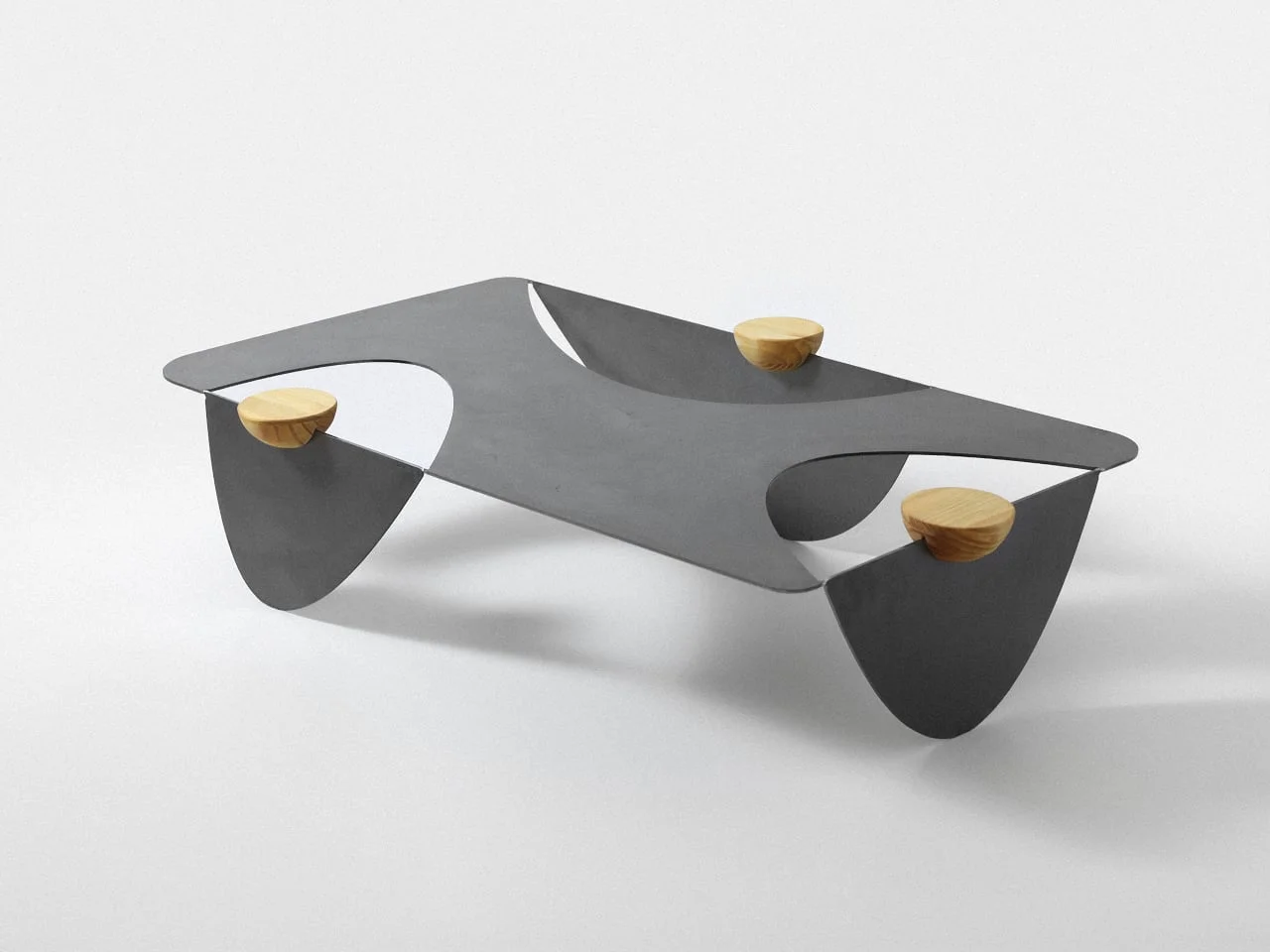
The Colheita Coffee Table concept exemplifies how natural forms can inspire modern furniture design. Drawing its aesthetic from the intricate cuts made by leafcutter ants, this table features a unique structural approach that transforms a single steel sheet into both tabletop and legs. This design philosophy marries functionality with organic inspiration, reflecting a growing trend where nature influences everyday items, making them not only visually striking but also conceptually rich.
Most furniture designs stick to conventional shapes and materials, but Colheita stands out by embracing a form that's both imaginative and relatable. This aesthetic shift speaks to today's consumer who increasingly seeks products imbued with meaning. Nature has always been a muse for designers, but sometimes it feels like those references are superficial or clichéd. Here, however, the reference feels both profound and pertinent, adding depth to the conversation around modern interior aesthetics.
Construction and Materials
Crafted from a single piece of steel, laser-cut and bent, the Colheita’s design does away with conventional table legs. Instead, it thoughtfully utilizes the metal to create three broad sections that extend to the floor, keeping the lines clean and reducing the number of components needed. This method not only streamlines production but also aims to minimize material waste. This eco-conscious angle is increasingly valued by consumers who are more aware of sustainability issues in manufacturing.
The table's rounded ends are a critical feature, allowing for ease during the bending process. These graceful curves serve both a functional role and echo the visual theme of a harvested leaf, aligning aesthetics with practicality. They add a softness to the overall industrial feel of the steel, creating a paradox that's often sought after in contemporary furniture. The combination of sharp lines and soft curves can draw people into tactile experiences, something that might influence purchasing decisions in today’s market.
From an environmental perspective, this design approach raises questions: How does a single-sheet production method affect the carbon footprint? It's likely a move aimed at reducing waste, but does it challenge standard practices in furniture construction sufficiently? The industry's shift towards sustainability is laudable, but it also requires honest evaluation—something consumers should demand more of.
Functional Features
Innovatively, the Colheita incorporates movable wooden supports that appear to float above the metal base, presenting a harmonious contrast with the dark steel. These platforms, resembling shallow bowls, are designed to accommodate drinks or small decorative items. Their flexibility means users can adjust their positions according to needs, enhancing usability in any gathering. This adaptive feature is one of the table's most compelling aspects, allowing you to transform your space based on different occasions or even moods.
However, the design's openness does raise some practical challenges. The gaps may limit the placement of items like books or remotes, requiring users to be more intentional with their arrangements. This aspect might not suit everyone's preference for a clutter-free coffee table. If you’re working in this space, it’s critical to consider how design and usability interact. Can the aesthetics justify potential inconveniences? While some might appreciate the challenge of minimalist arrangement, others will find it a hindrance.
In a world that increasingly emphasizes functionality, the Colheita’s approach may be polarizing. For some, the flexible wooden supports add an element of play, while others might consider them impractical. Balancing beauty with functionality often leaves room for friction—this piece is no exception.
Dynamic Aesthetics
The project also contemplates an unfinished carbon steel version, which would allow for natural oxidation over time, creating a dynamic surface that evolves in appearance. This approach highlights the contrast between contemporary design and the unpredictable nature of materials, although it also prompts questions regarding maintenance and performance under usual household conditions. If you’re the kind of person that enjoys a low-maintenance living space, the prospect of rust may not be appealing.
This choice hints at a larger trend among designers who seem eager to embrace materials that patina and change character over time. There's a certain allure to pieces that tell a story, yet they come with the responsibility of upkeep and care. For some consumers, this could represent the perfect blend of artistry and craftsmanship; for others, it’s a potential nightmare. The right balance here speaks volumes about modern consumer expectations in furniture design.
Final Thoughts
Colheita, meaning “harvest” in Portuguese, reflects both its design inspiration from ants and its purpose as a gathering spot. While still a conceptual offering, the project illustrates a thoughtful interplay of nature and functionality in furniture design. The aspiration of creating pieces that are artistic yet functional resonates strongly with a contemporary audience.
Prospective users may appreciate the evolving aesthetics but will likely seek clarity on practical details such as stability and load capacity before fully committing to its unconventional form. These details will matter—this isn’t just art to look at; these are functional pieces that’ll see daily use. As consumer patterns continue to shift toward a blend of eco-friendliness and utility, the Colheita serves as a lens through which to understand these emerging values.
Looking Ahead
What does this mean for designers and consumers alike? As the demand for eco-conscious, aesthetically pleasing furniture continues to rise, creators may need to prioritize transparency in their practices. The Colheita Coffee Table embodies a commitment to craftsmanship, yet its practical implications will play a crucial role in shaping its acceptance in the market. Ultimately, as advancement in materials and techniques continue, how designers reconcile these issues will determine their success—or lack thereof.



Discussion
Sign in to join the discussion.