Final’s Porta wireless headphones pair a 40-gram AirWire frame with Bluetooth 5.4, eight-hour battery life and a retro on-ear design.
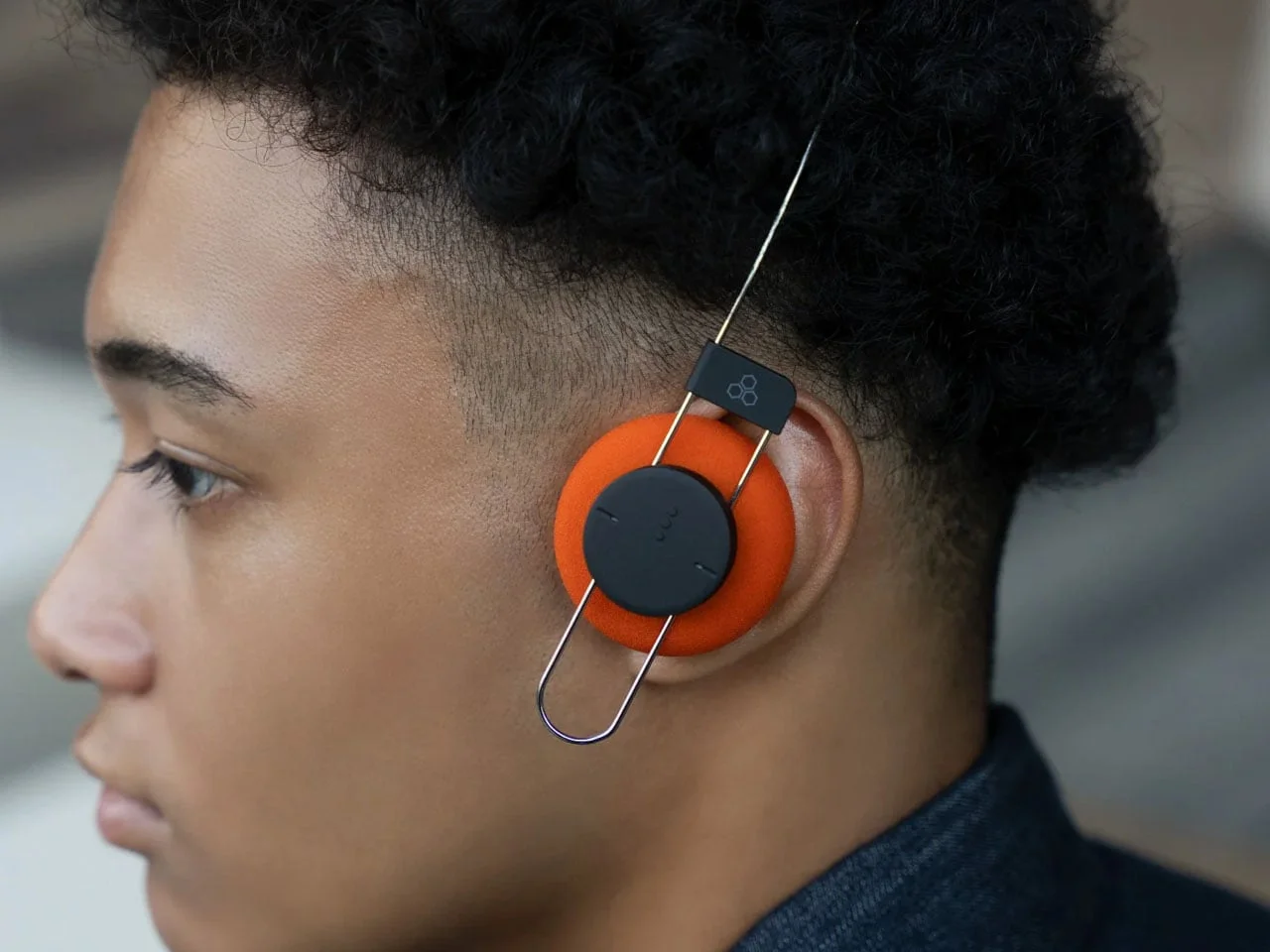
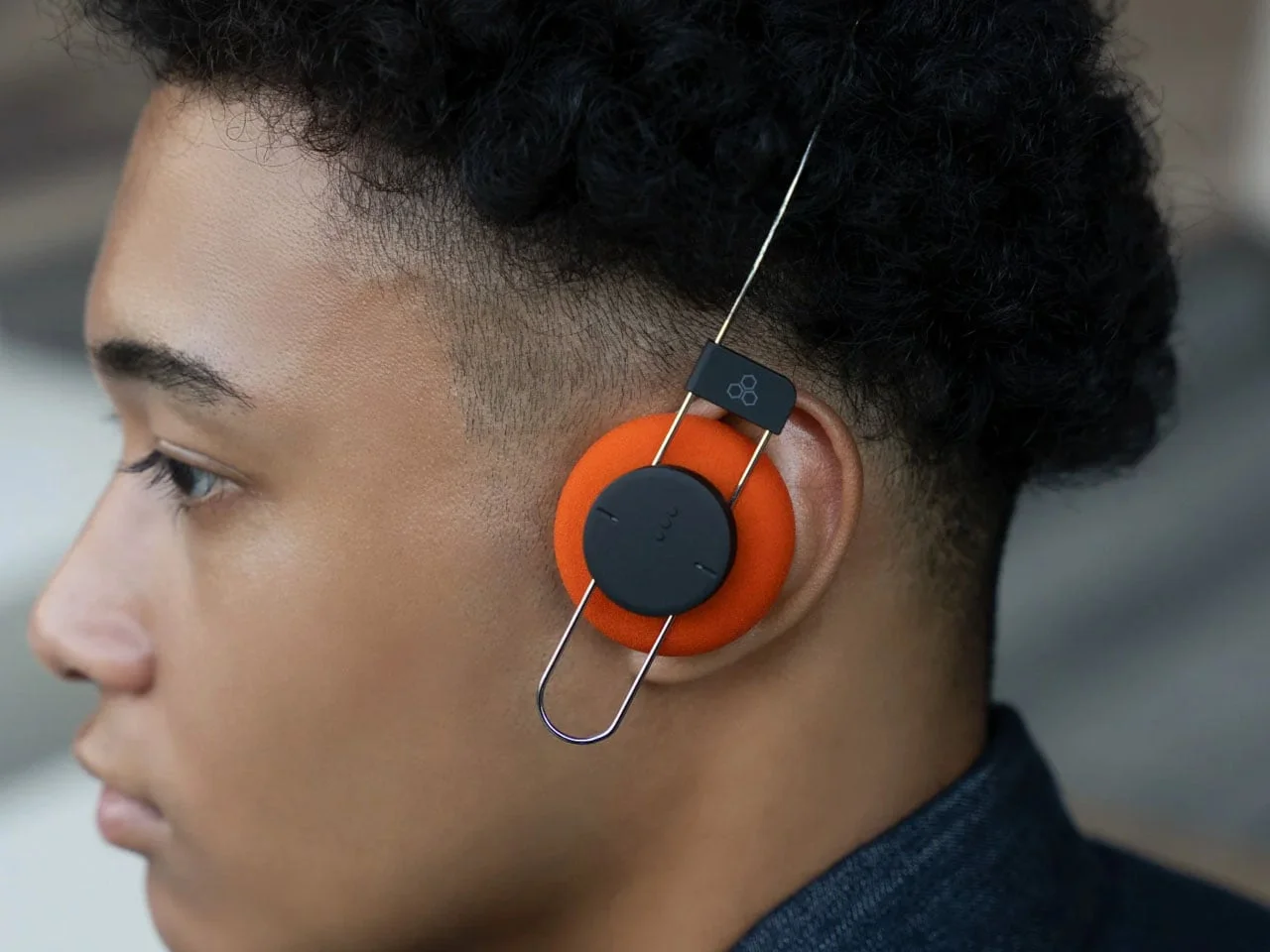
A headband reduced to a wire
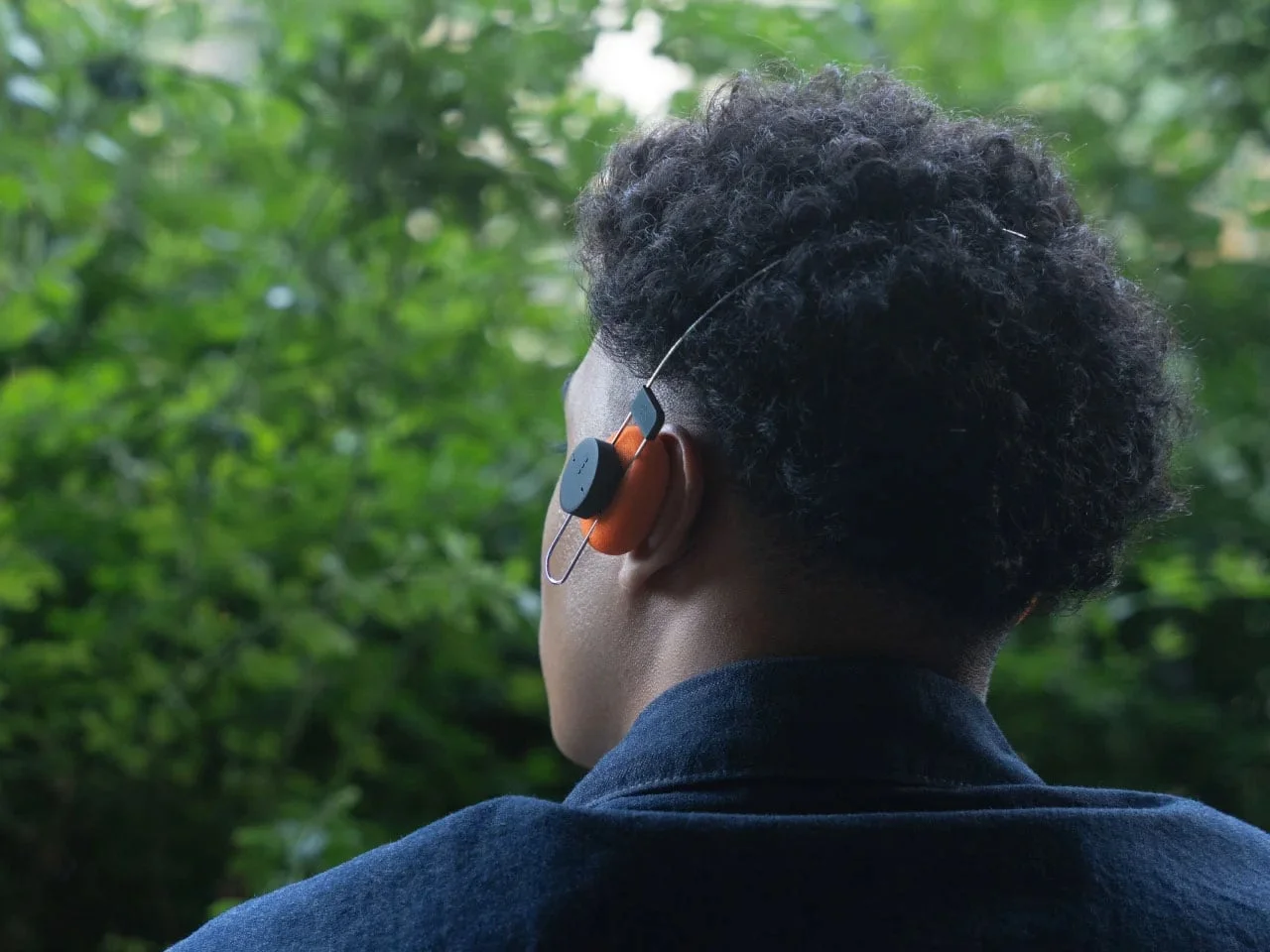
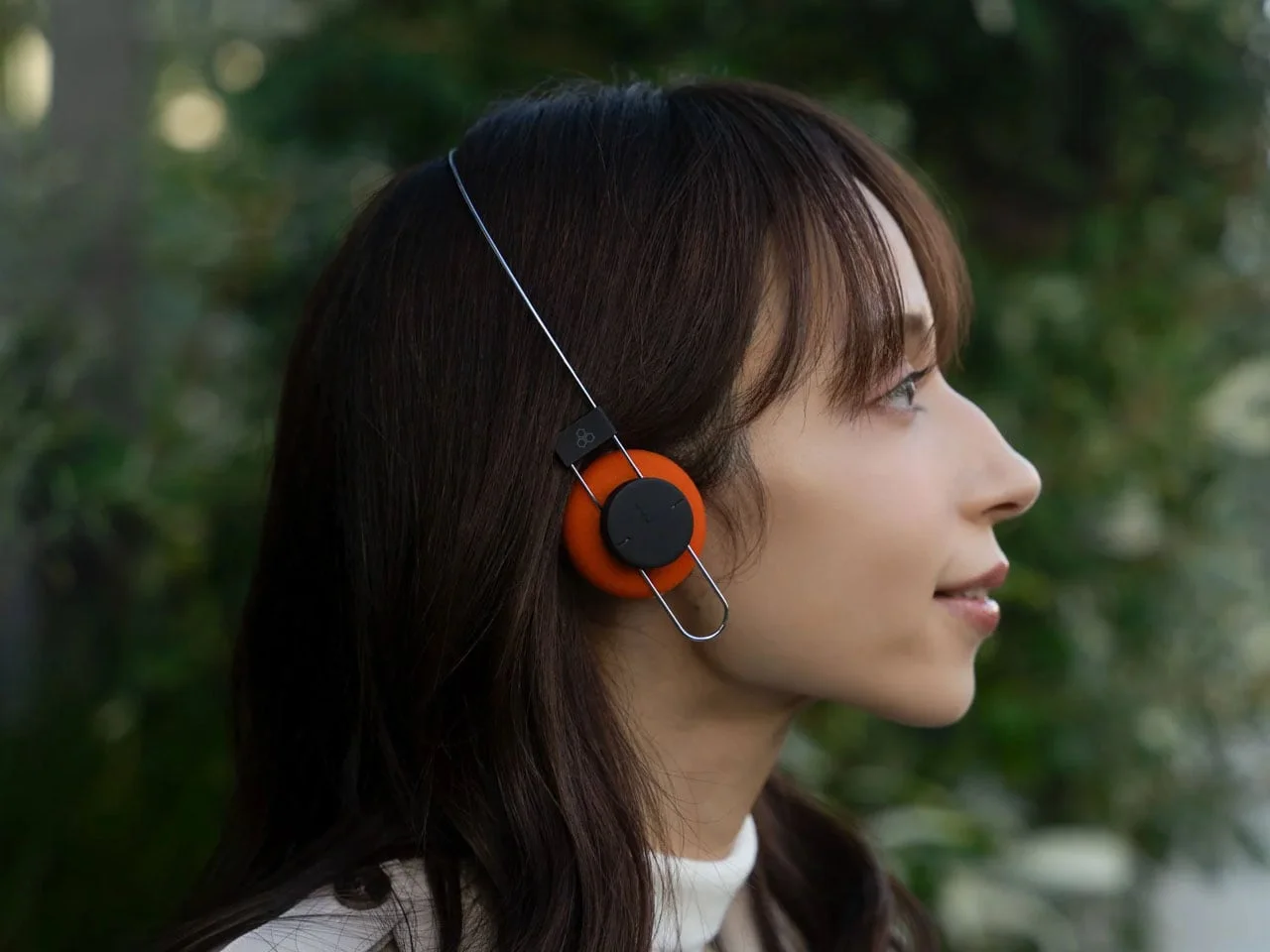
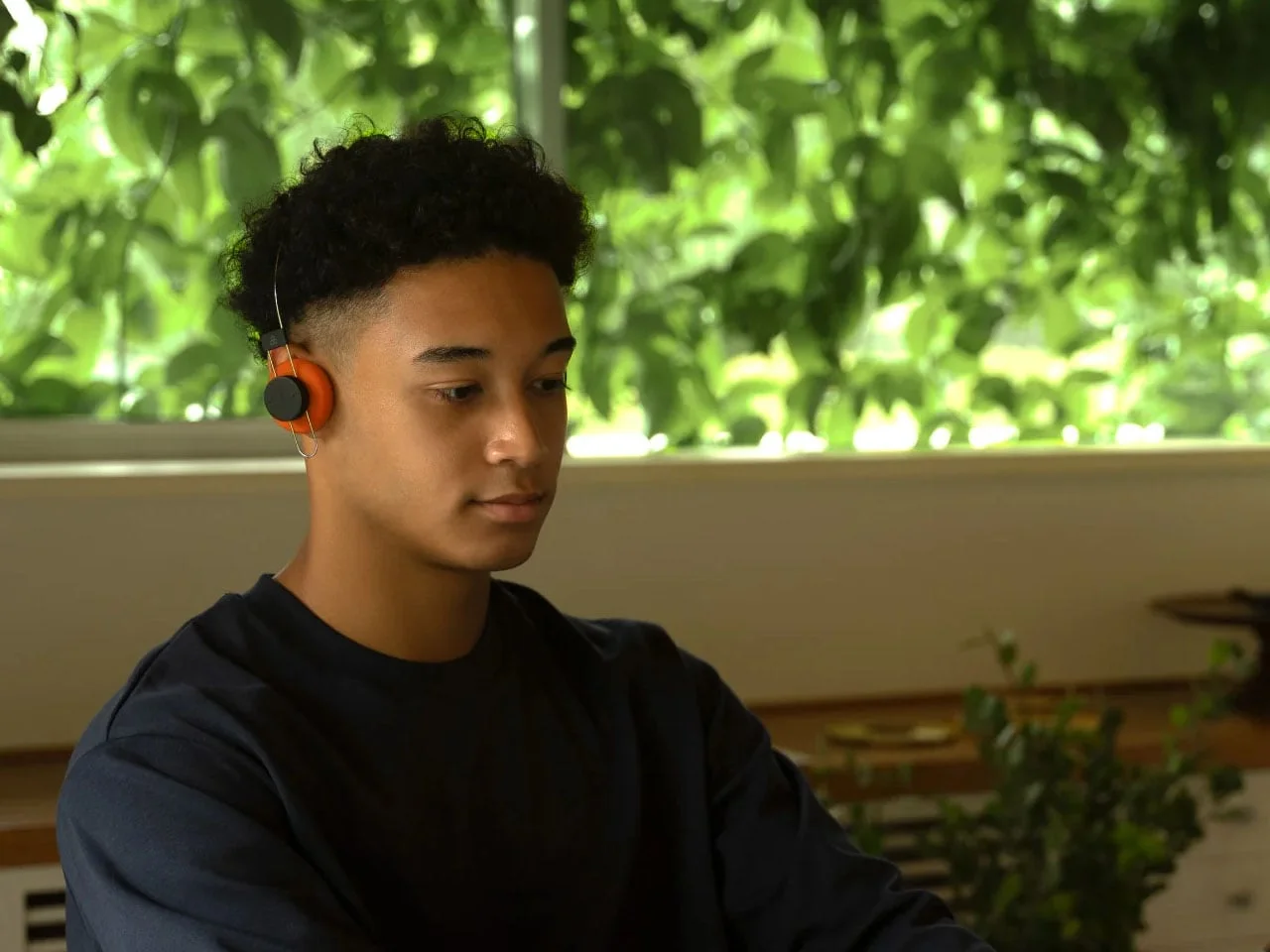
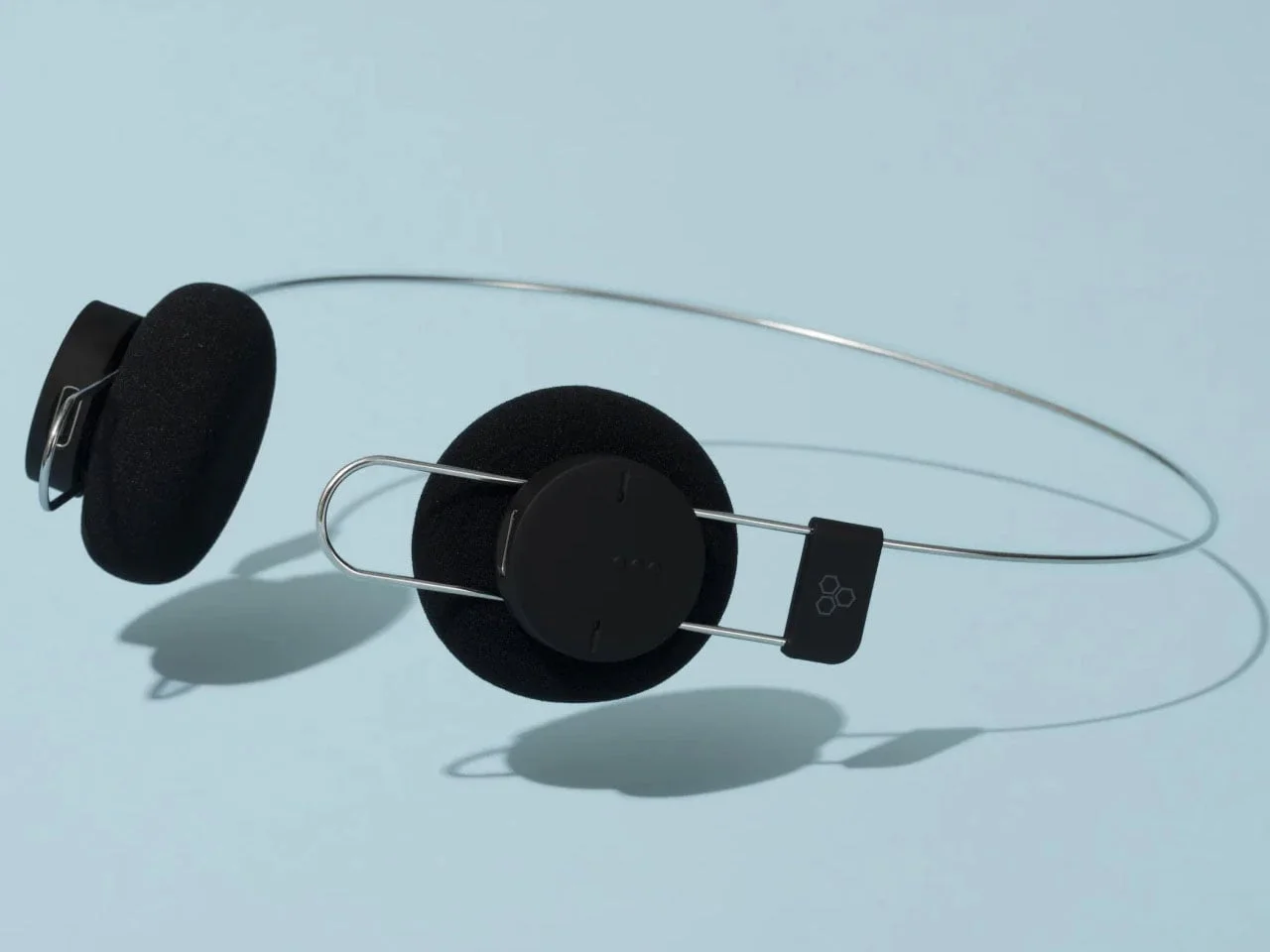
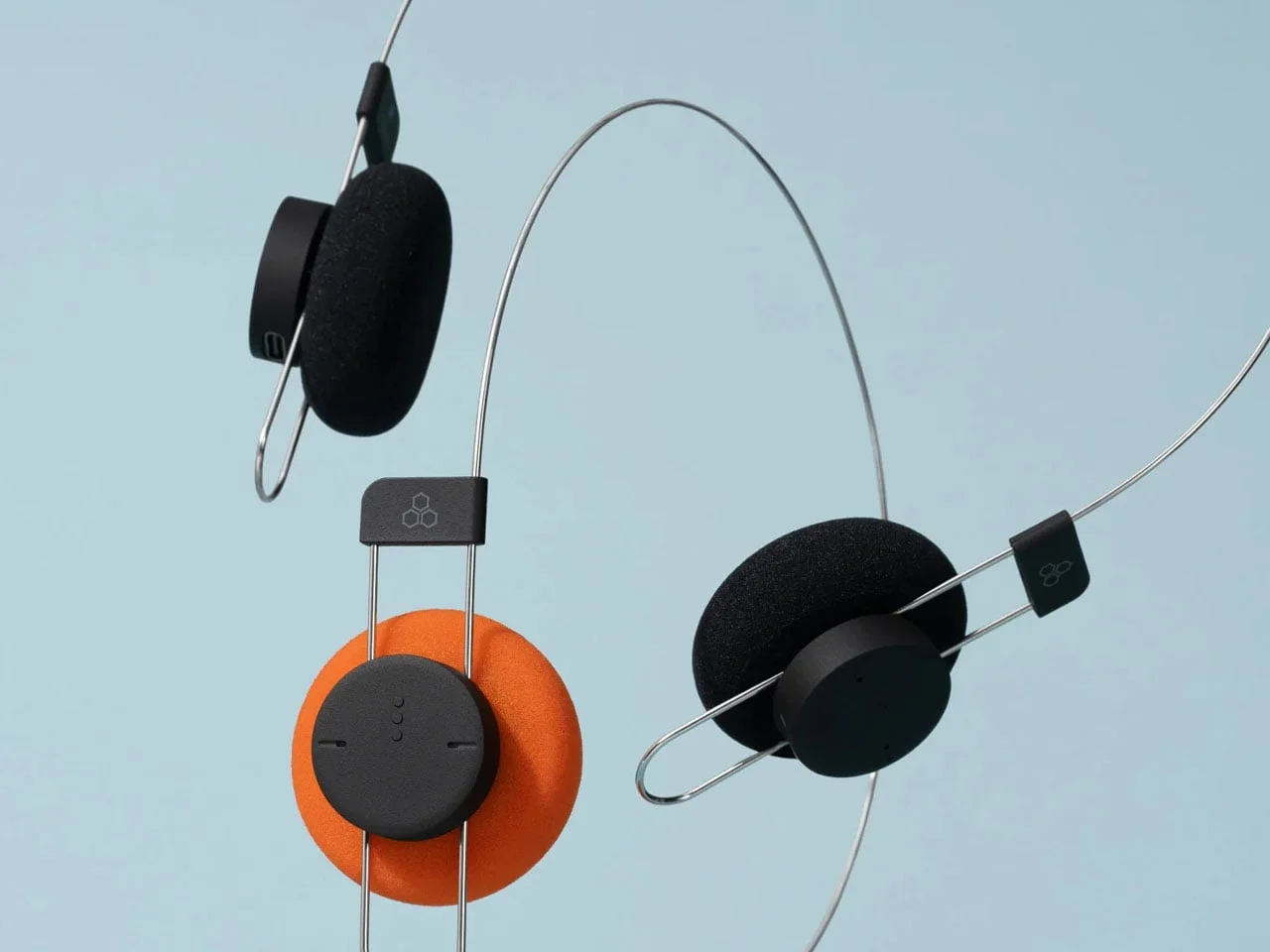
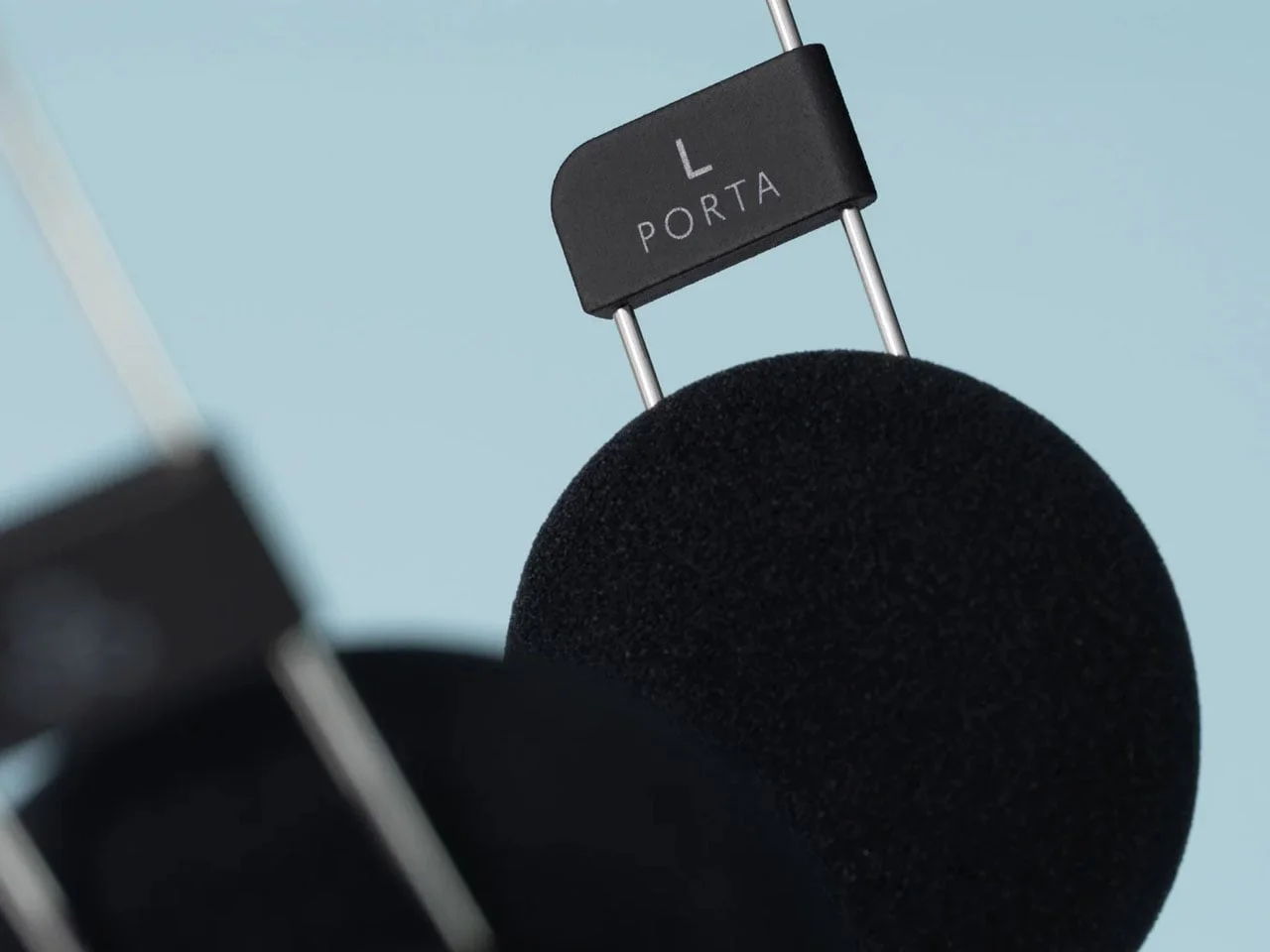
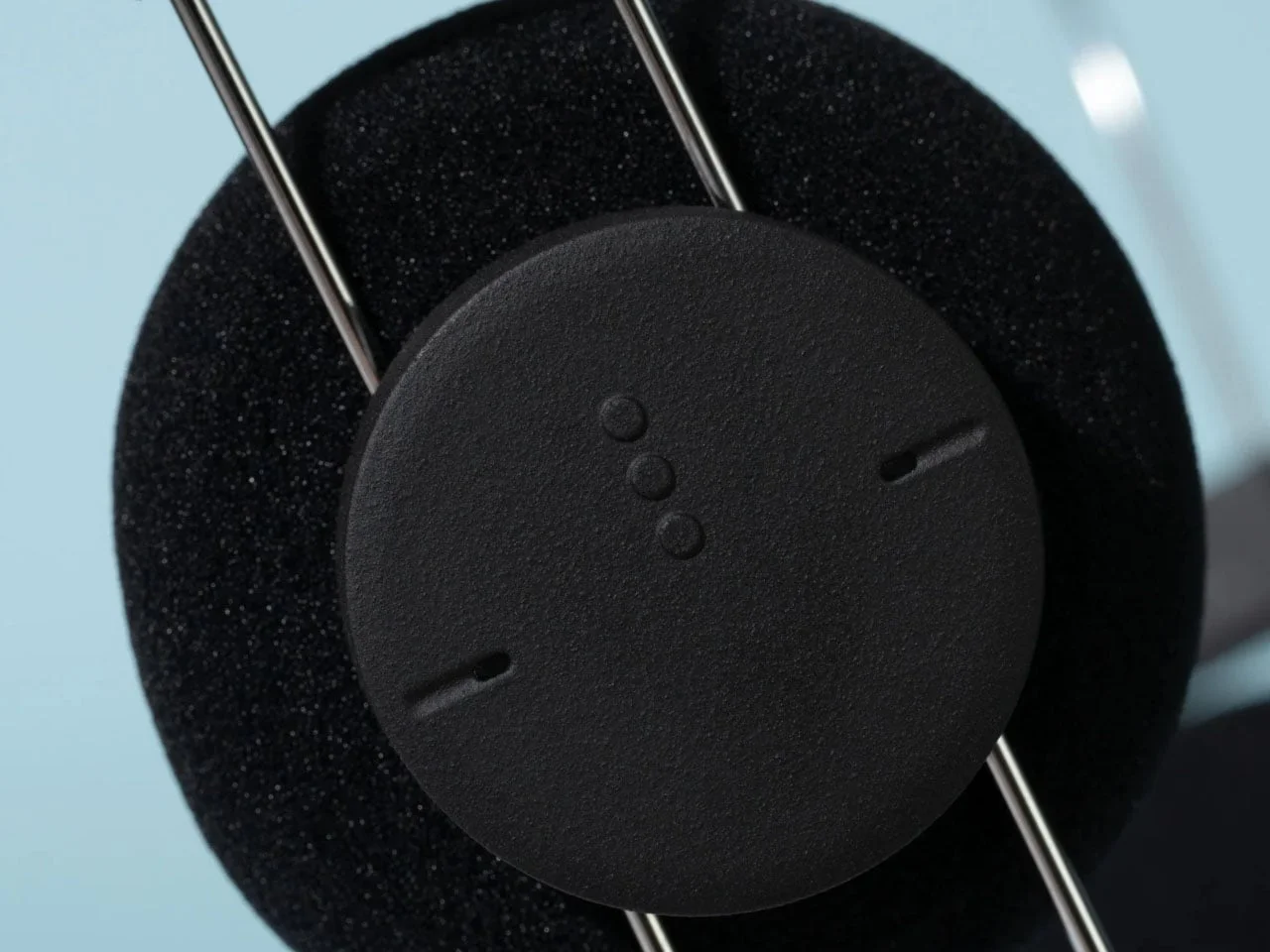
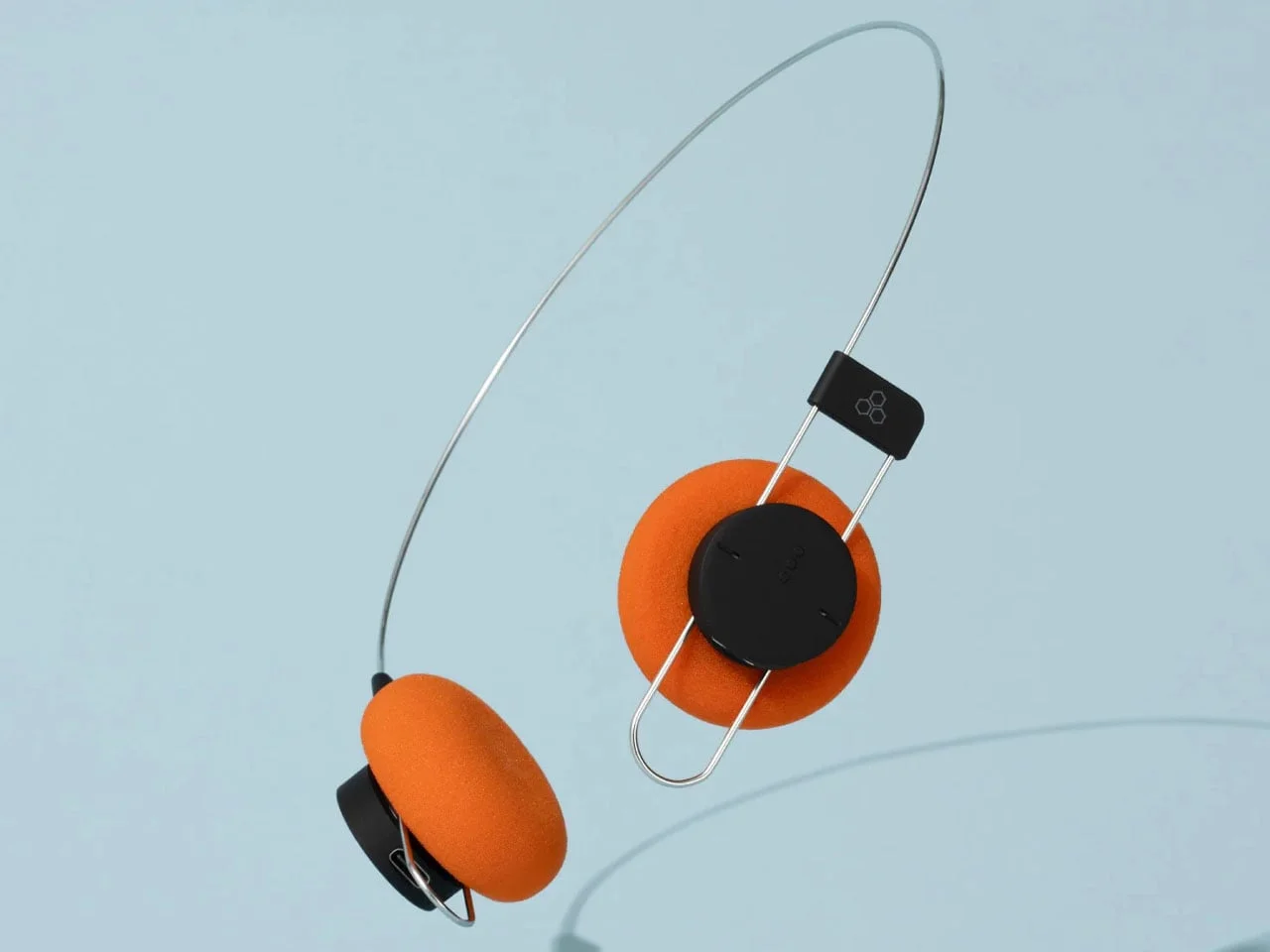
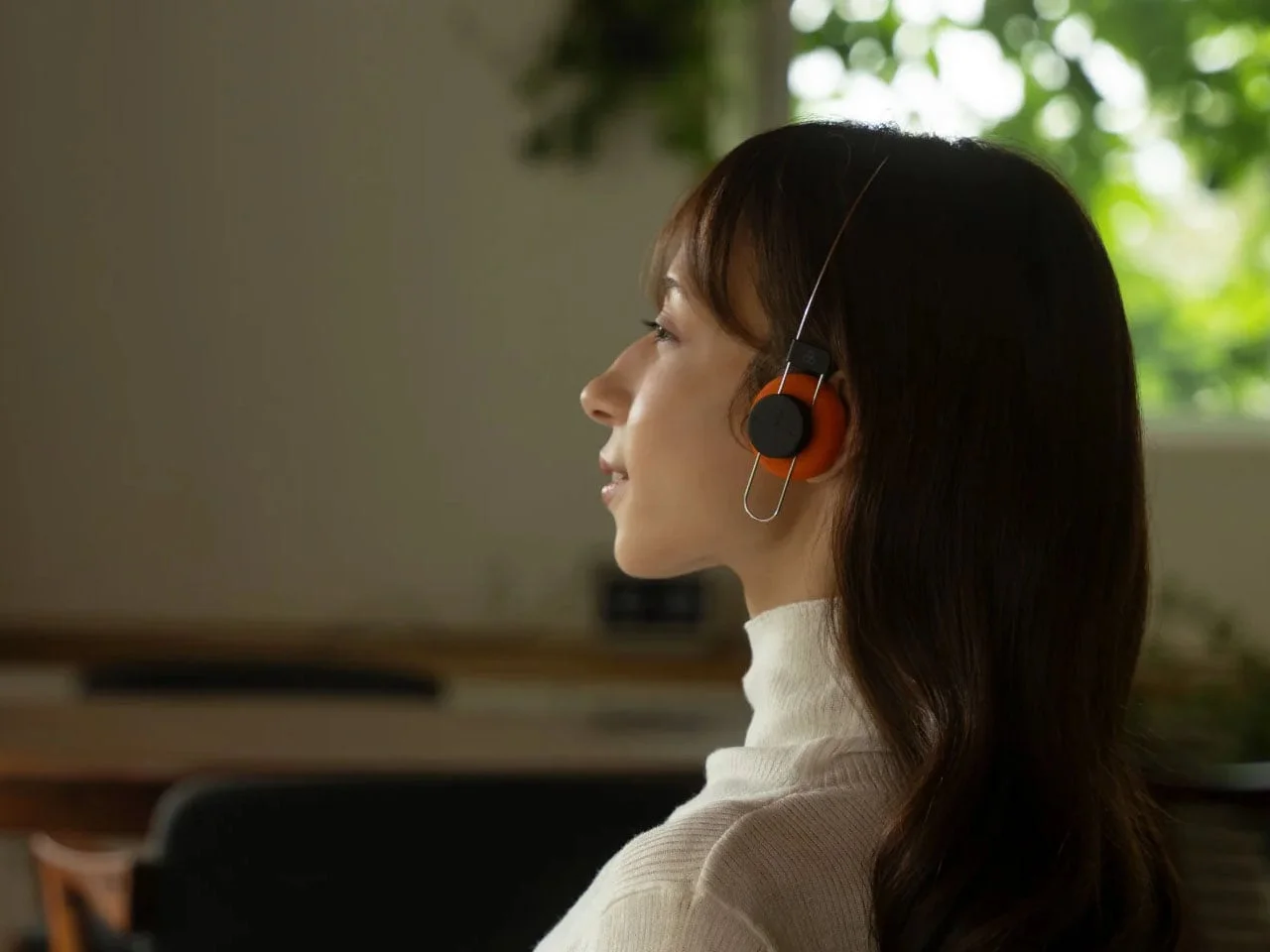
At about 40 grams, Final’s Porta wireless on-ear headphones make low weight the center of their design. The company has replaced the familiar padded arch with its AirWire frame: a single wire intended to reduce both the headband’s mass and its contact with the wearer’s head. It’s an unusually direct response to a common source of headphone discomfort. But reducing contact doesn’t automatically make a headphone more comfortable; pressure can shift to the earcups, and fit will vary from person to person.
Designer: Final

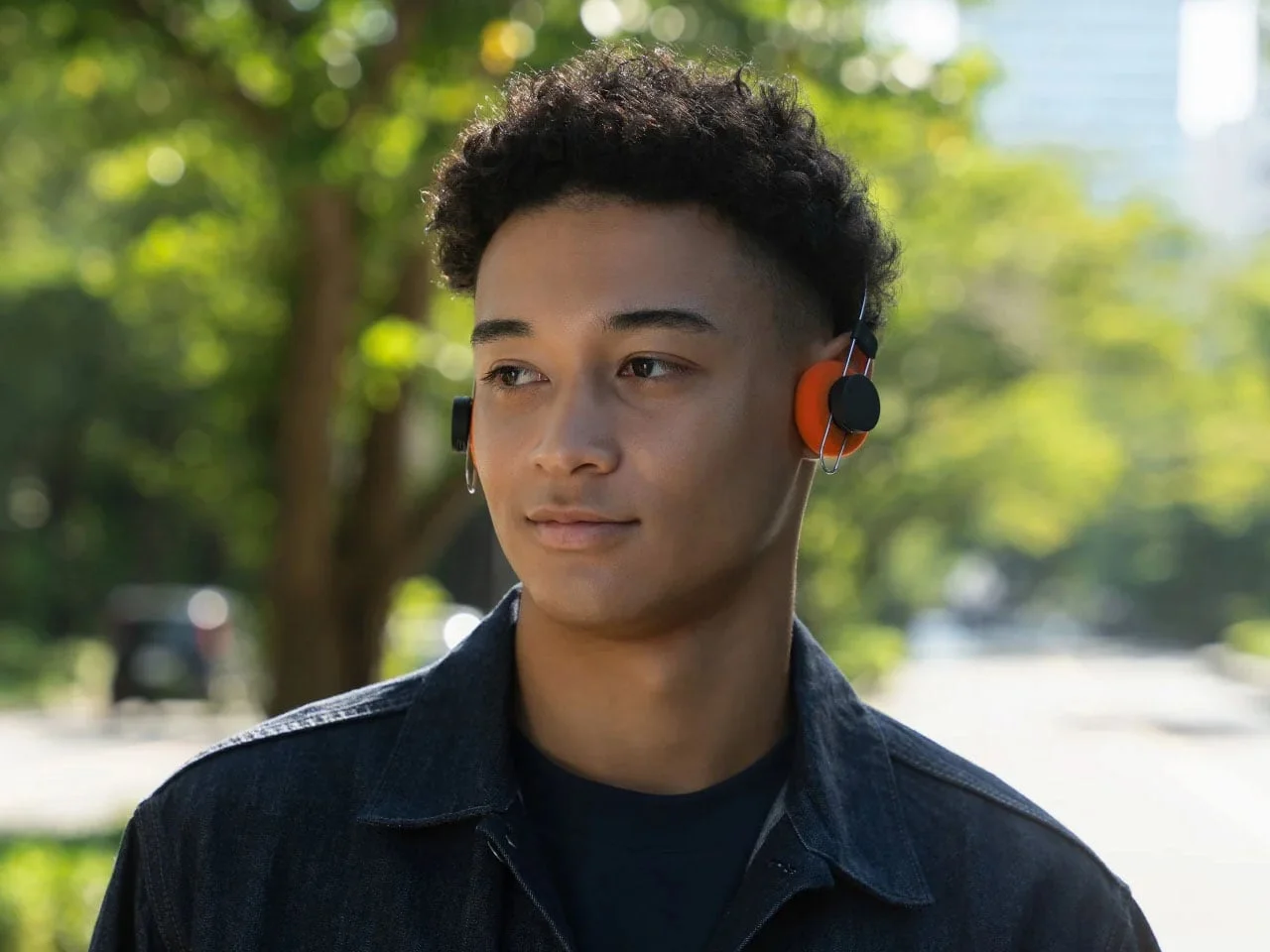
That distinction matters because “lightweight” is easy to describe on a product page and harder to judge over a full listening session. A conventional padded band spreads force across a broader area; a thin support changes how that force is delivered. Final says the AirWire design eases pressure on the crown during long sessions, though independent comfort testing isn’t provided. The frame is the defining idea here, and also the biggest question mark.
A retro look with current wireless basics
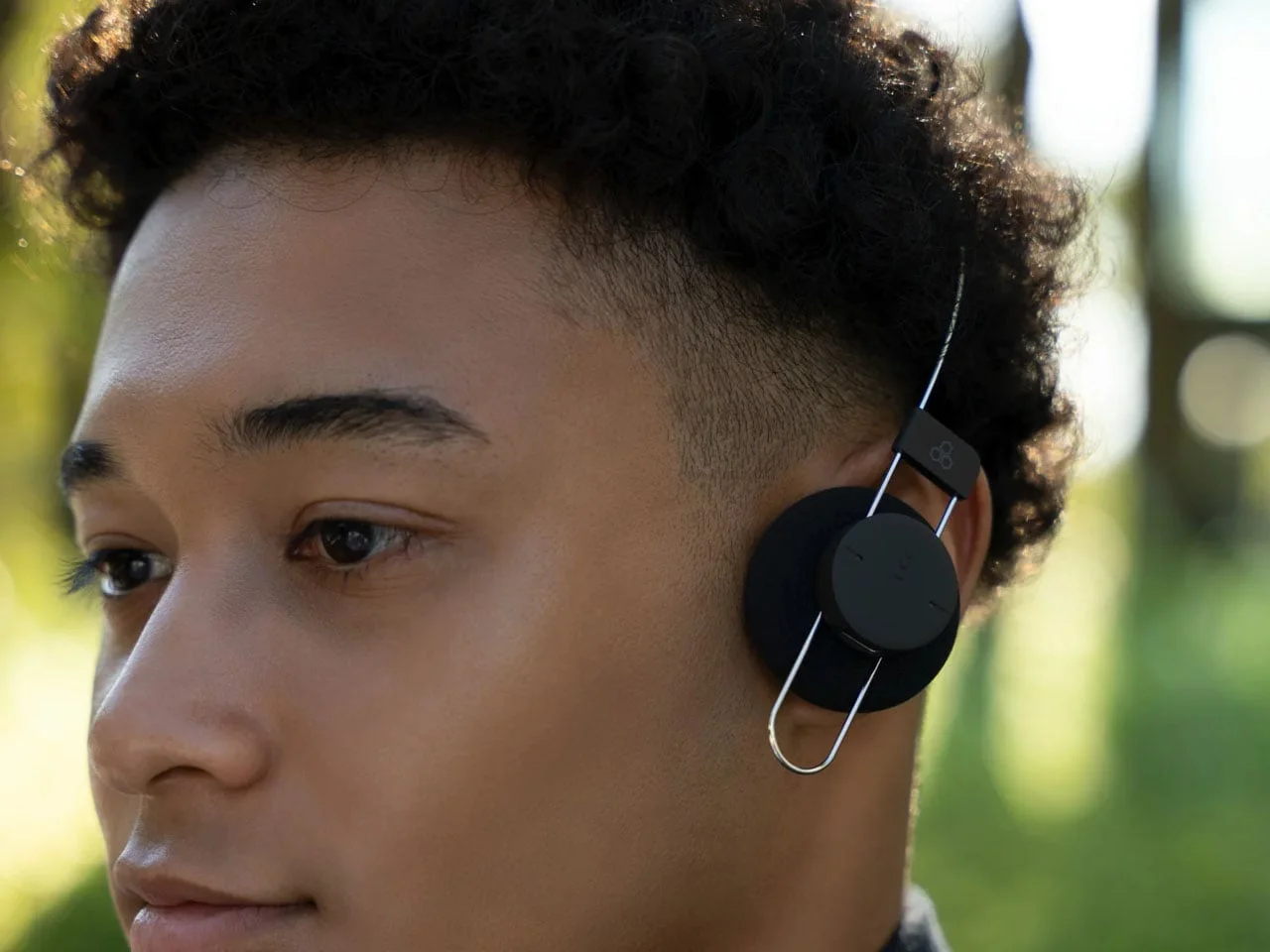
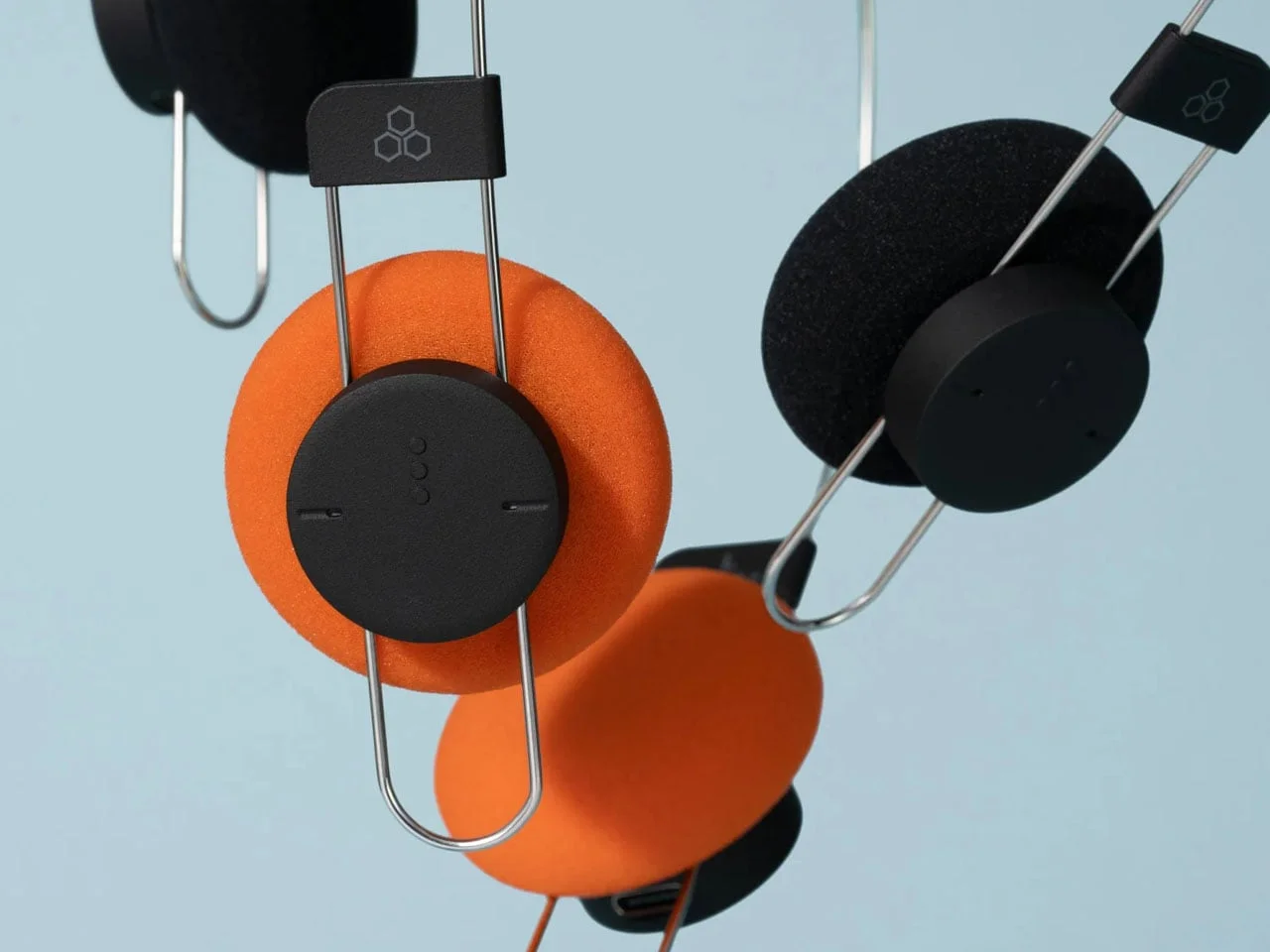
The thin frame and compact earcups give Porta a stripped-down profile, while the orange ear pads nod to classic Sony Walkman headphones. That reference gives the design a recognizable point of view without changing the basic function of an on-ear headphone: the cups rest against the ears rather than enclosing them. A black version offers a quieter look, with the same body shared between the two color options.
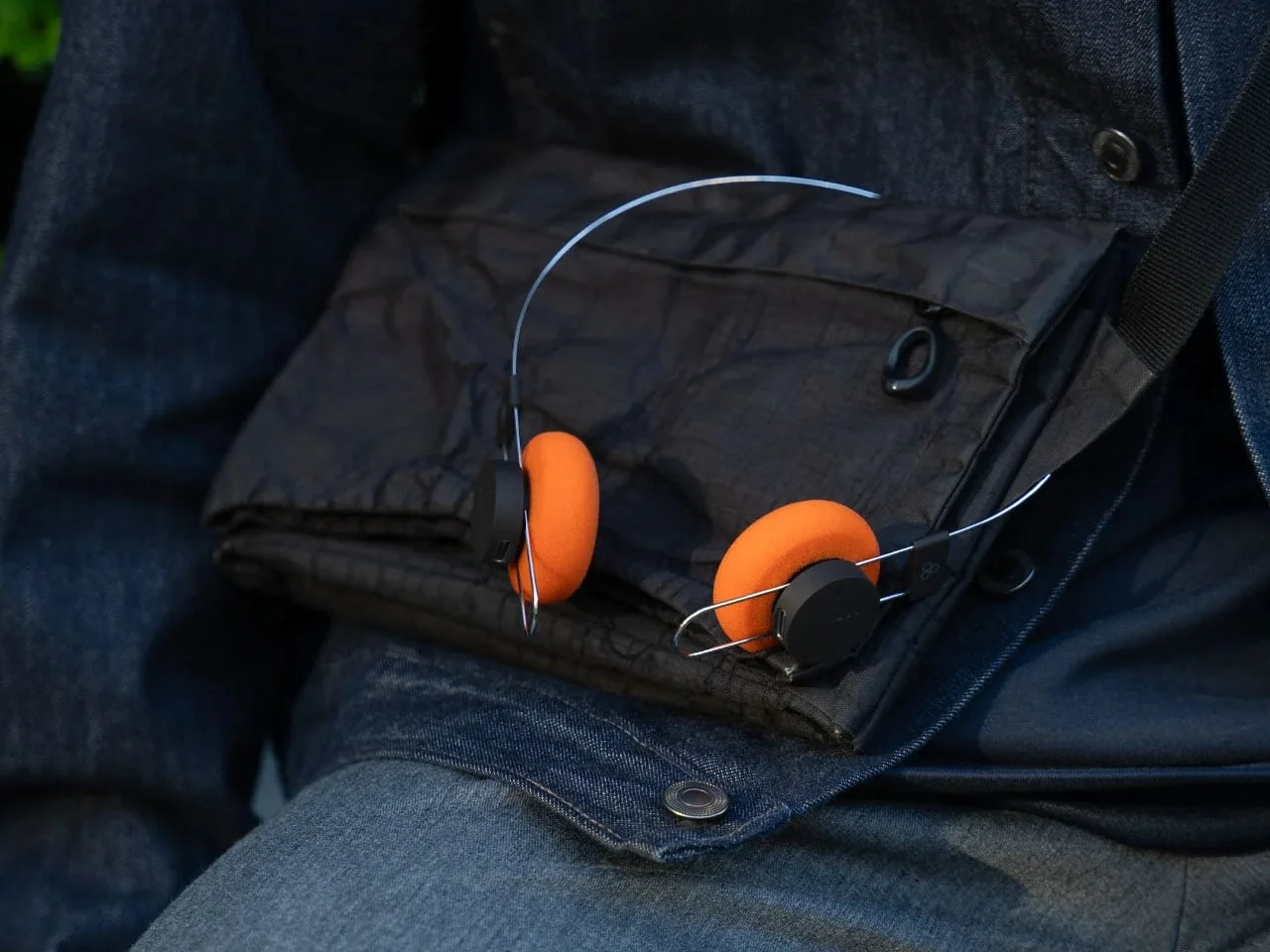
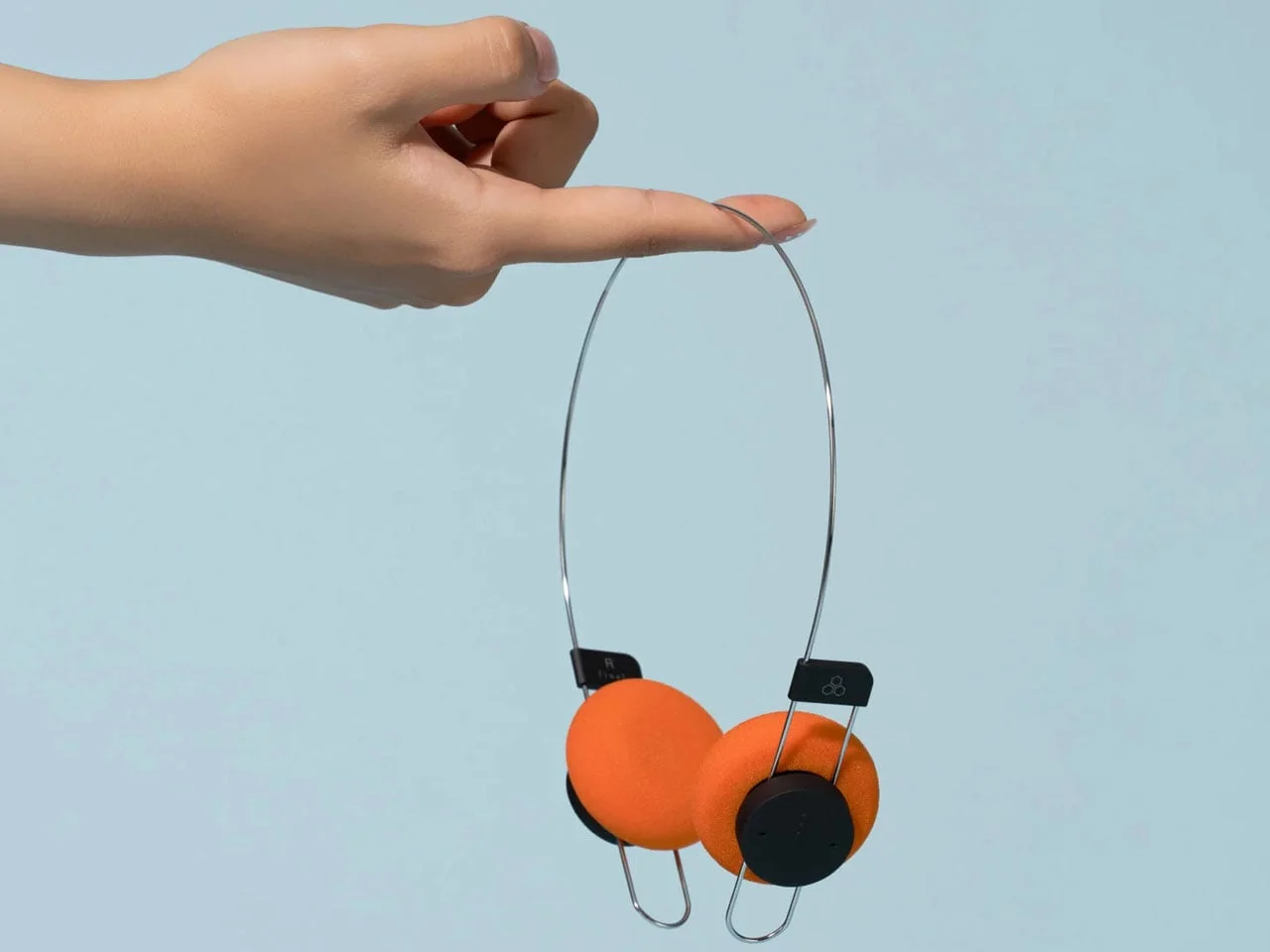
Final plans to sell replacement pads separately in 2027, giving owners a way to change the color or replace worn parts. That’s a modest but practical choice: pads are a point of direct contact and can show wear with regular use. The timing is part of the announcement, though, so buyers considering the headphones at launch shouldn’t assume replacement pads will be available immediately.
Bluetooth 5.4 handles wireless pairing, with SBC and AAC support for compatible phones and other audio sources. Those codecs are familiar options for everyday Bluetooth listening, but the specification alone doesn’t say how Porta will sound in different environments or with different devices. Final lists a 20Hz to 20kHz frequency response and describes the tuning as lively, with particular attention to midrange depth, bass substance and vocal weight.
Those descriptions are the company’s claims; independent listening results aren’t provided. Frequency response figures also offer only a partial picture of the listening experience: they don’t establish how balanced the sound will feel, how much detail it will resolve, or whether the tuning will suit a particular listener. If you’re choosing headphones for vocals or bass, the stated emphasis gives you a useful starting point, but listening tests will matter more than the language in the specification.
Eight hours of playback, without noise cancellation
A 57mAh lithium-ion battery is rated for up to eight hours of music playback. USB-C charging takes about 90 minutes, and an IPX4 rating covers water splashes. These are straightforward daily-use provisions, though the stated runtime sets a limit: listeners who use headphones throughout a workday may need to plan for a recharge. The rating is “up to” eight hours, so actual playback time can depend on use.
Here’s the thing: the feature list reads like a set of deliberate trade-offs. Porta prioritizes low weight and simple wireless use over long runtimes or active noise cancellation. That may suit someone who wants a compact pair for shorter listening sessions, but it gives the headphones less to offer in noisy surroundings or on a long trip. The numbers here are underwhelming if you’re shopping primarily for endurance.
Price, availability and the comfort question
Final has set the price at ¥12,800, or approximately $80, with Japan availability scheduled for October 23, 2026. The company hasn’t confirmed international availability. That leaves practical questions for buyers outside Japan, including when they might be able to purchase Porta locally; the announcement provides no answer yet.
At about 40 grams, Porta is a distinctive option for listeners who value a light, open-feeling frame. This is more significant than it looks: the design makes comfort the product’s main proposition, so the wire headband has to work in everyday wear, not just look different in photographs. And yet. Without hands-on comfort impressions or independent listening results, the central claims remain unverified. (And this is the part most people overlook.) A low weight is a measurable starting point, not a guarantee that the headphones will stay comfortable on your head.
For now, Porta is best understood as a focused design experiment with familiar wireless basics. The orange pads give it a clear visual identity, while Bluetooth 5.4, USB-C charging and splash resistance cover everyday needs. The open question is whether Final’s reduced-contact headband delivers the comfort it promises; the answer will depend on fit and extended use.

The post Final’s Porta wireless on-ear headphones strip back the headband to just 40 grams first appeared on Yanko Design.



Discussion
Sign in to join the discussion.