From a 5G phone with a headphone jack to a laptop built for upgrades, these gadgets bring useful features back with practical tradeoffs.
Some product details matter most when they’re missing: a headphone jack, room for a memory card, a battery you can replace, or keys that physically move when you press them. Eight gadgets make a case for bringing those functions back, each in a different way. The strongest designs don’t rely on nostalgia alone; they give an old capability a clear role in a current product.
Acer’s Sospiro A70 puts several familiar options in a modern 5G phone, while Framework builds upgradeability into a laptop’s internal hardware. Elsewhere, physical media returns in the form of CD and cassette players, and a handheld console accepts original game cartridges. Each choice comes with a tradeoff, from extra bulk to format limits. The useful question is whether the feature solves a recurring need in your own routine.
A phone that keeps its connections
1. Acer Sospiro A70
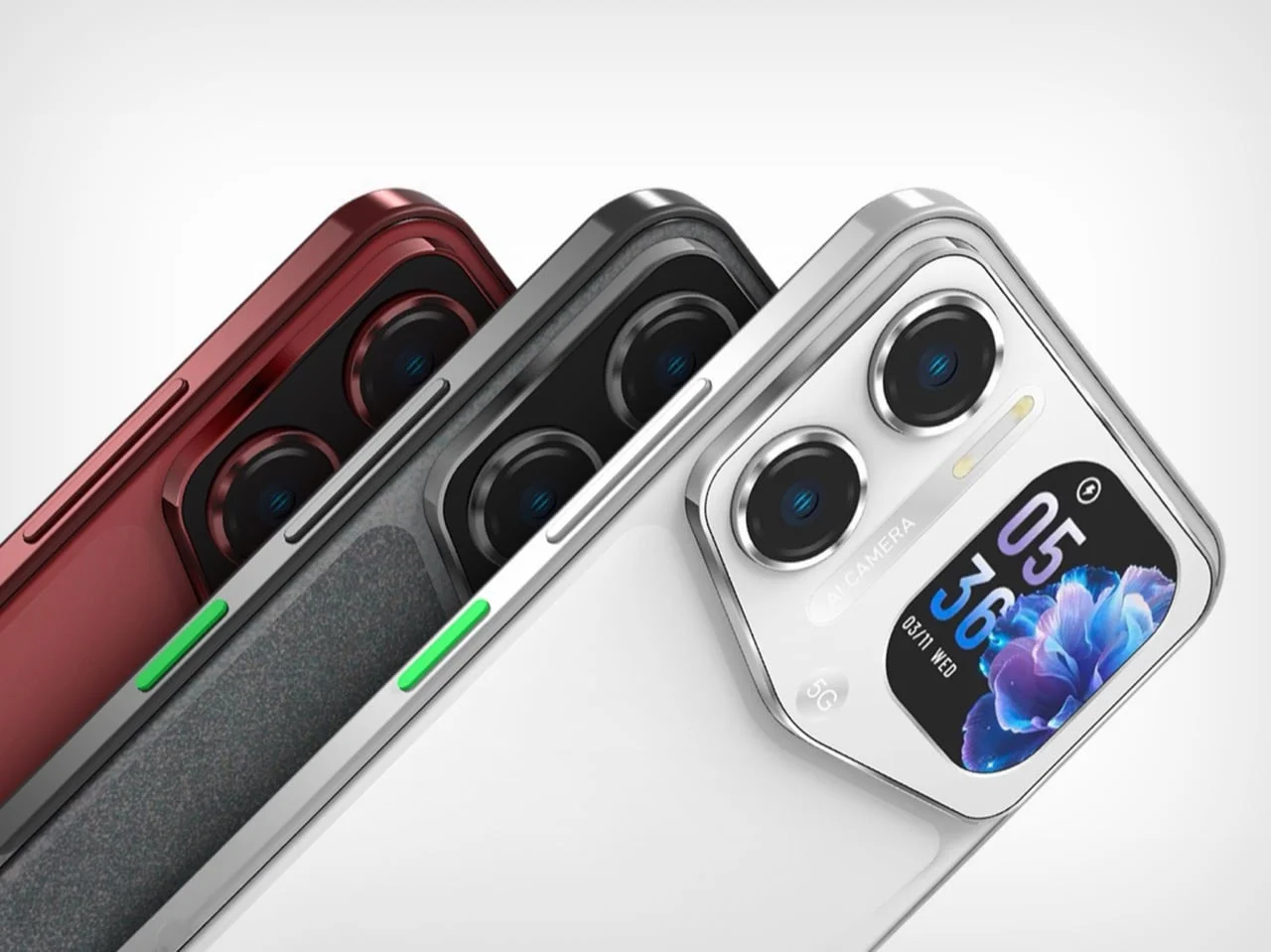
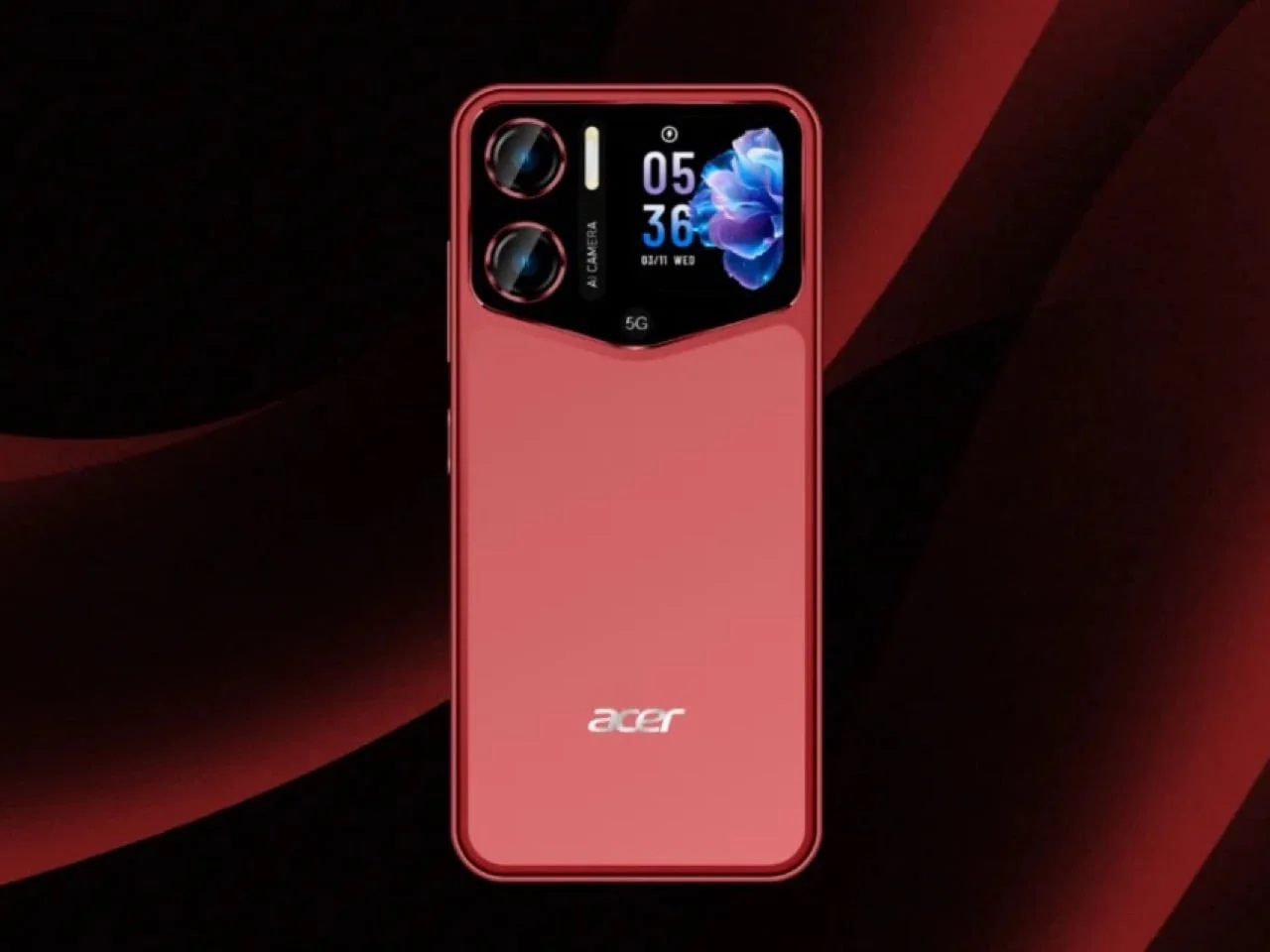
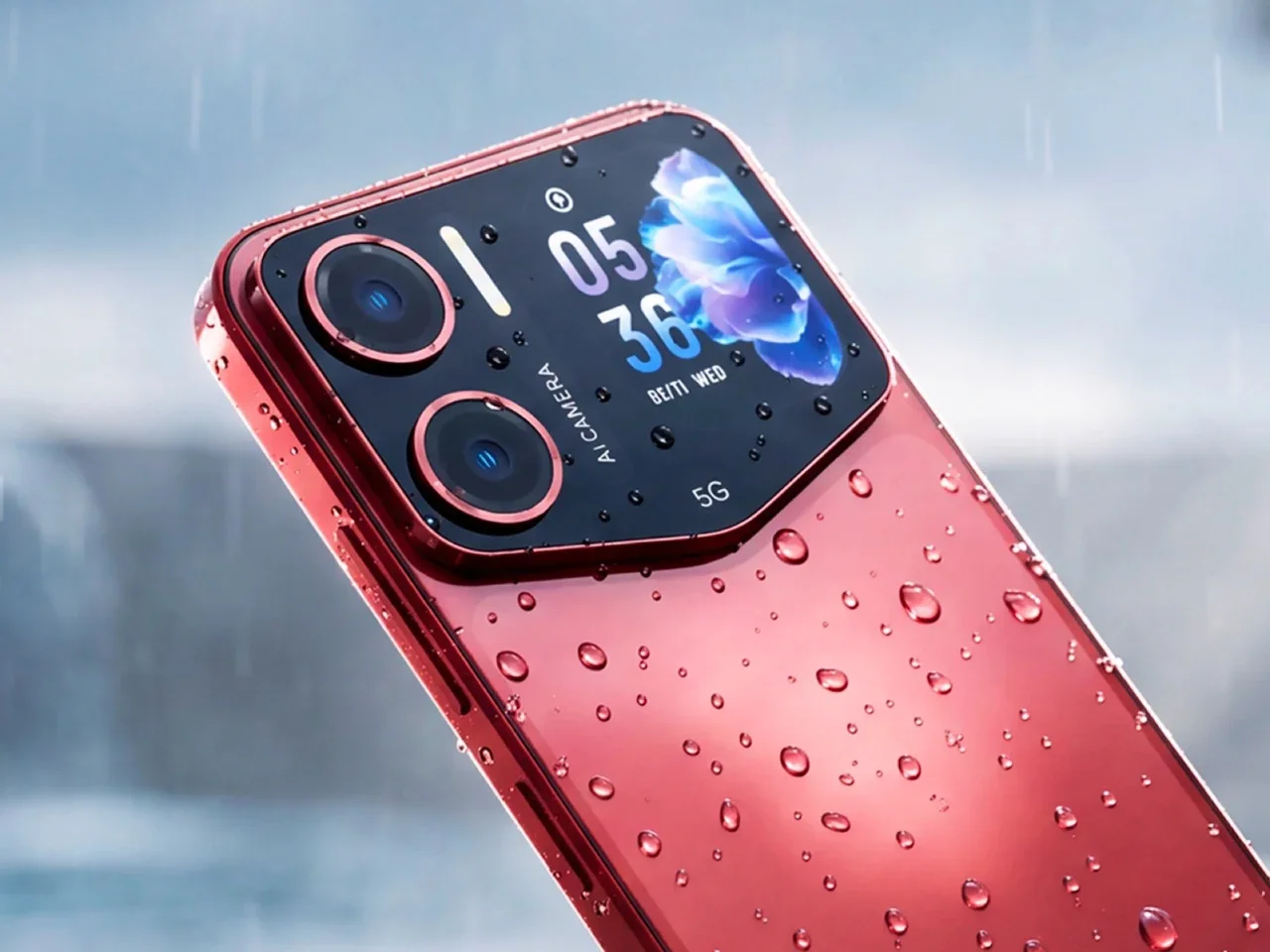
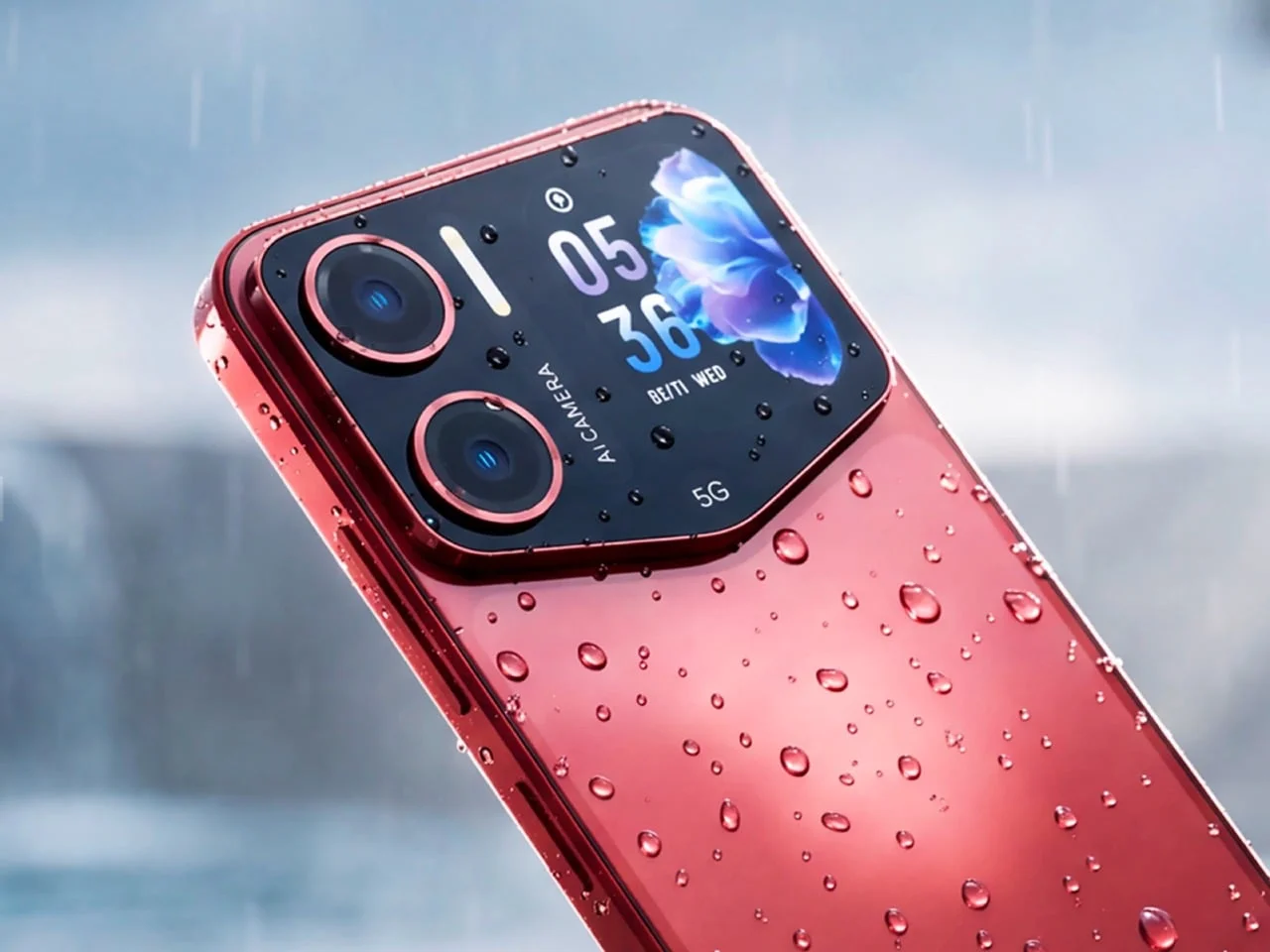
Acer’s Sospiro A70, announced for Latin America under Senwa Global’s Acer license, keeps several practical connections that have become less common on phones. It has a 3.5mm headphone jack, an FM radio, and a microSDXC slot that supports cards up to 1TB, alongside 256GB of built-in storage. That combination suits people who maintain local music libraries, use wired headphones, or want extra file capacity without relying on cloud storage.
A second, 1.88-inch screen on the back serves as a viewfinder for selfies taken with the 64MP rear camera. It gives the prominent camera housing another purpose. The main display measures 6.67 inches, but its 720 × 1600 resolution is a clear compromise. Pricing and US availability haven’t been confirmed, so the feature set is easier to assess than the buying proposition.
What works: wired audio and expandable storage remain available, and the rear screen can help frame main-camera selfies.
What to consider: the main display has modest resolution, and the product’s price and US availability are unconfirmed.
Input and repair that stay in your hands
2. Clicks Keyboard Case
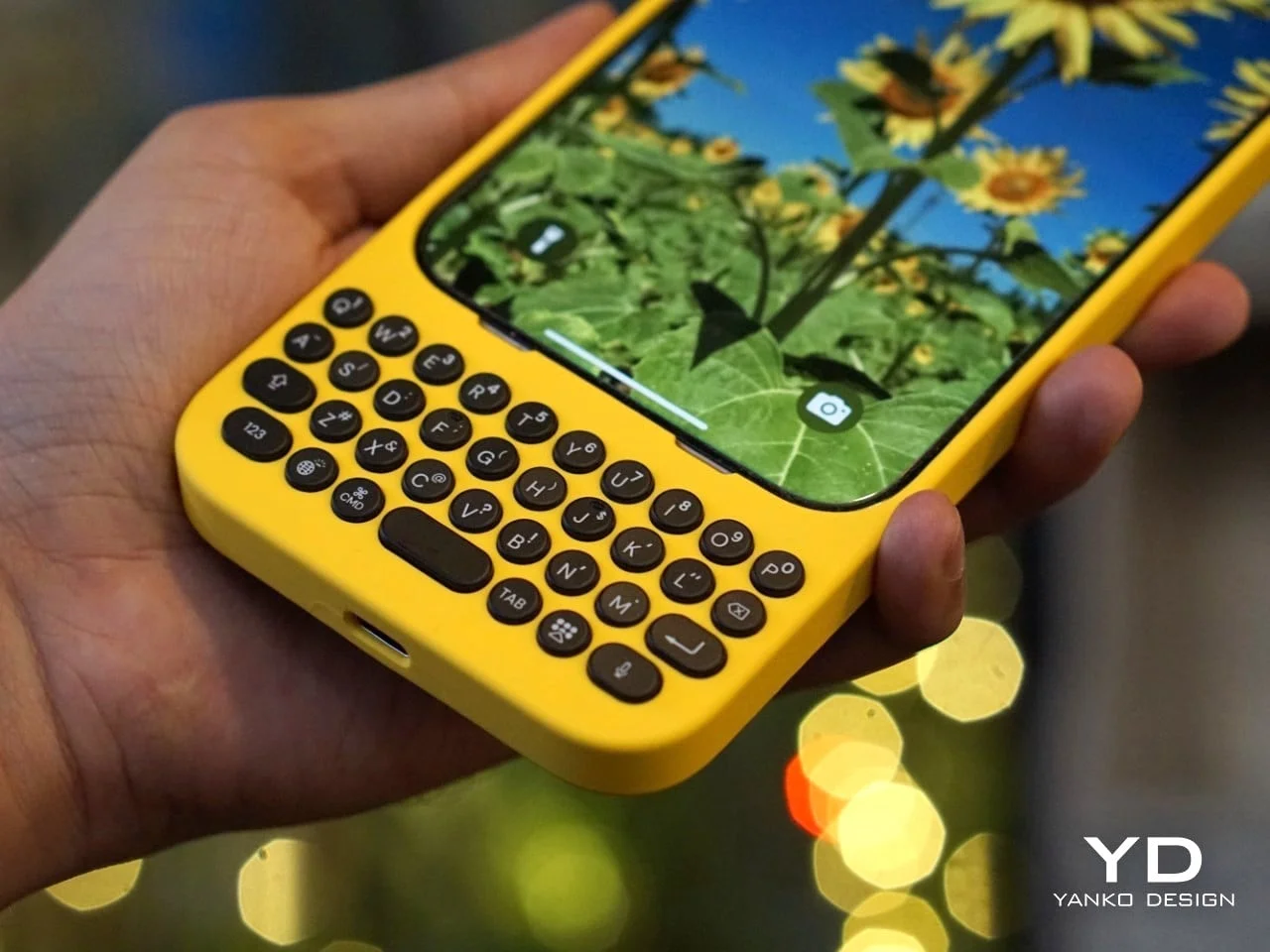
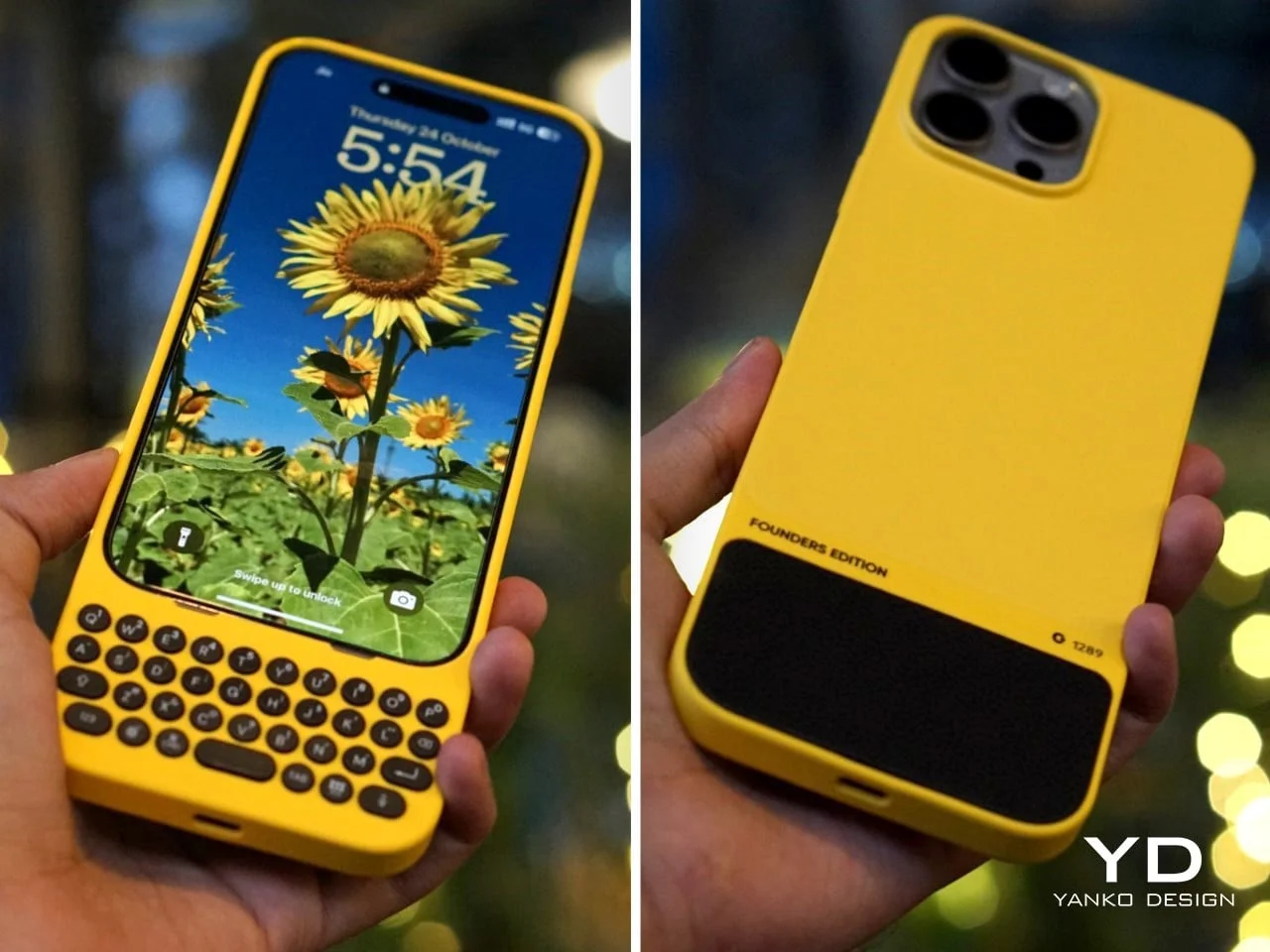
Clicks adds a physical QWERTY keyboard beneath an iPhone’s display. The appeal is tactile feedback and a keyboard that doesn’t occupy screen space while you type. For people who prefer keys, it’s a direct way to change how text entry feels without switching phones or apps.
The iPhone 16 version includes backlit keys, keyboard shortcuts, MagSafe support, and a USB-C data mode for connections such as wired CarPlay. Those features help the case fit into a phone’s other uses, but they can’t avoid its central physical tradeoff: a keyboard below the screen makes the phone longer. The case is also designed for particular models, so it won’t necessarily follow you to a replacement phone. It makes sense as a considered input choice, rather than a guarantee of faster or more accurate typing.
3. Framework Laptop 13 Pro
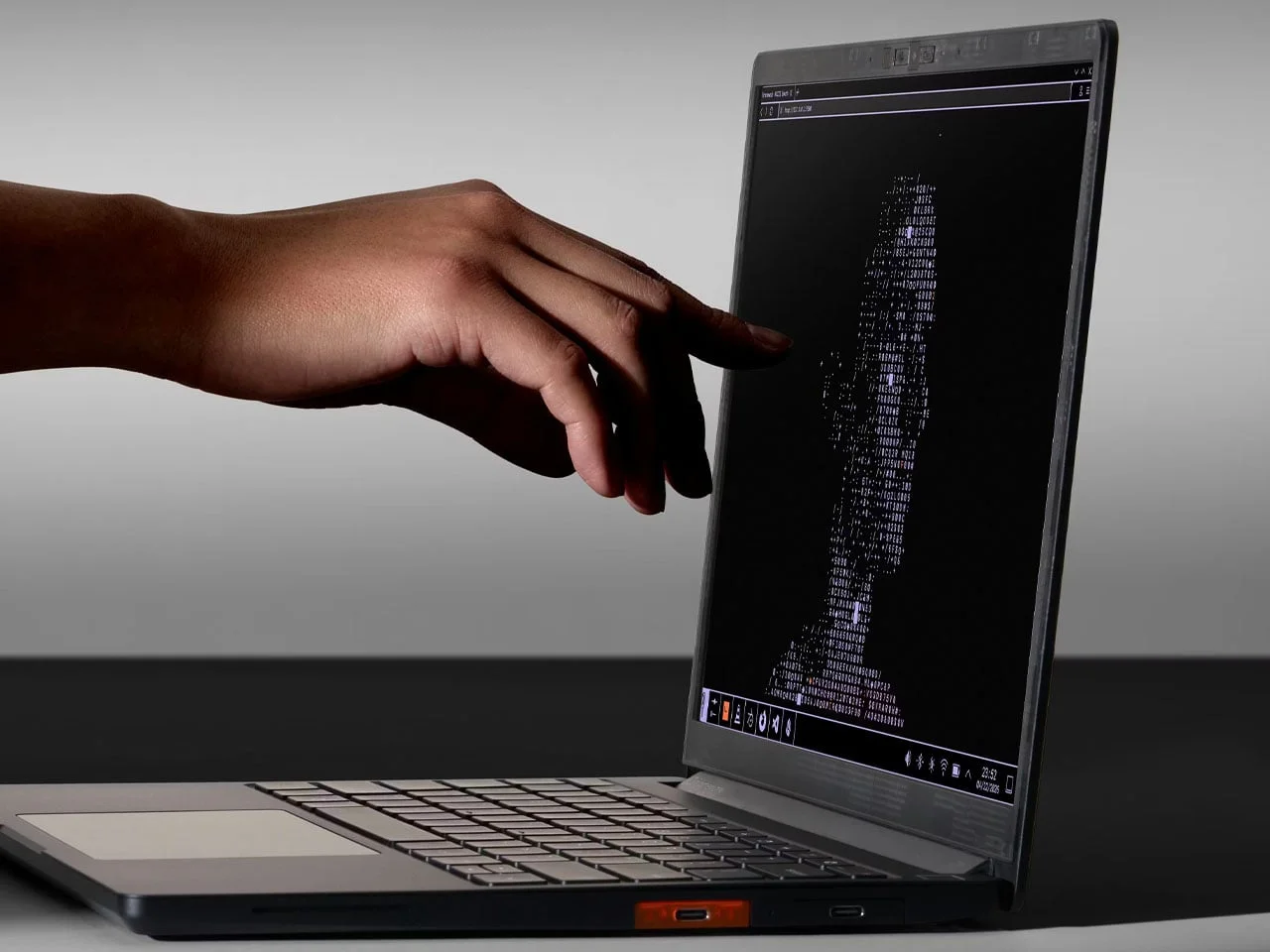
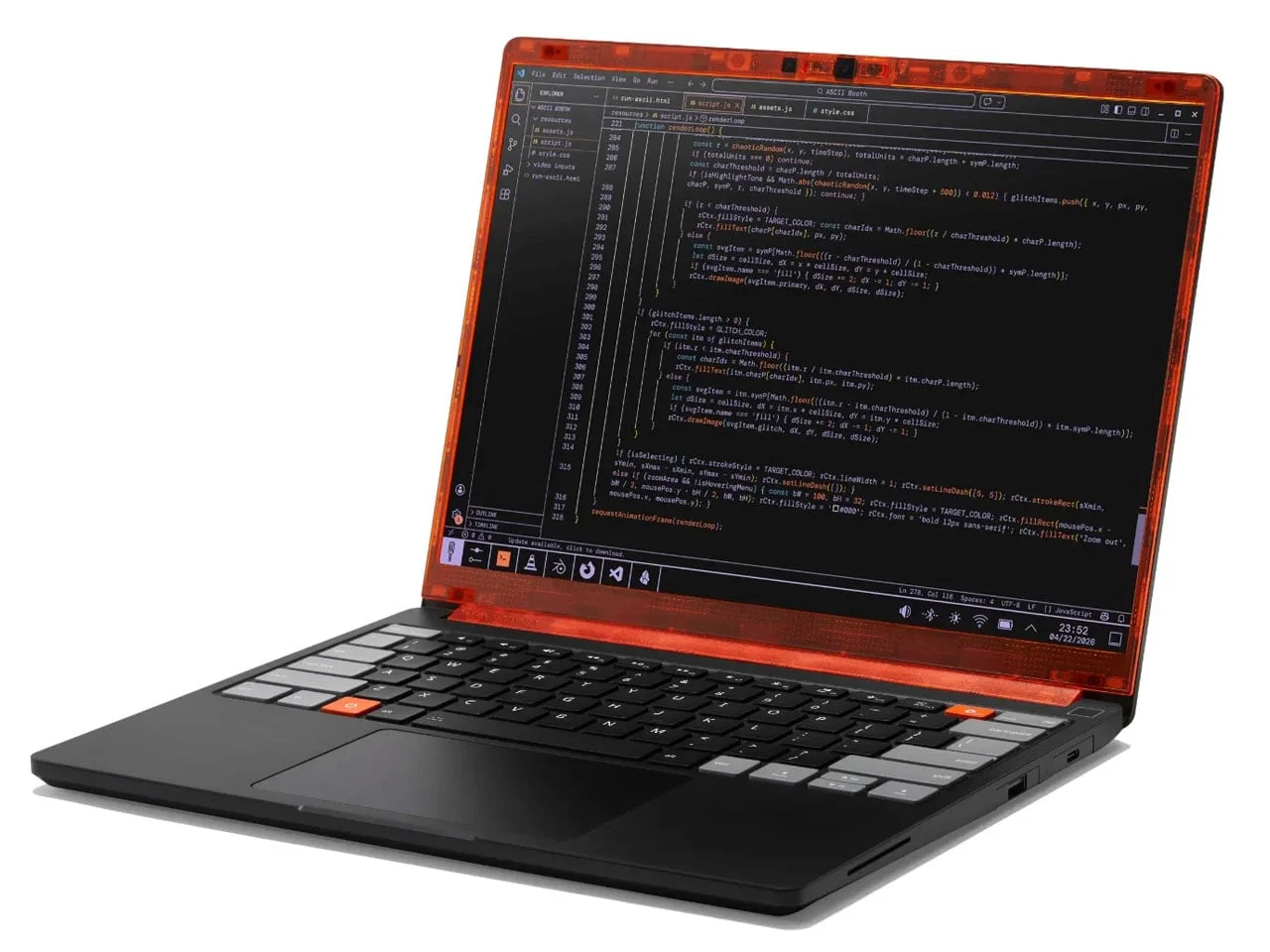
Framework’s Laptop 13 Pro treats a computer as hardware an owner can maintain and upgrade. Its LPDDR5X memory sits on a replaceable LPCAMM2 module, while storage and the mainboard can also be changed. That architecture gives owners options as their needs evolve, instead of making a full laptop replacement the only route to new components.
Framework backs the design with repair guides, identifiable parts, and a marketplace for compatible replacements. Its Expansion Card system lets owners select connections such as USB-A, HDMI, and card readers. There are practical limits: a processor upgrade requires a new mainboard, and a memory replacement must use a compatible LPCAMM2 module. Repairability creates room for future choices, but owners still need to check compatibility and account for the parts involved.
Physical media with a place in the room
4. ClearFrame Speaker CD Player
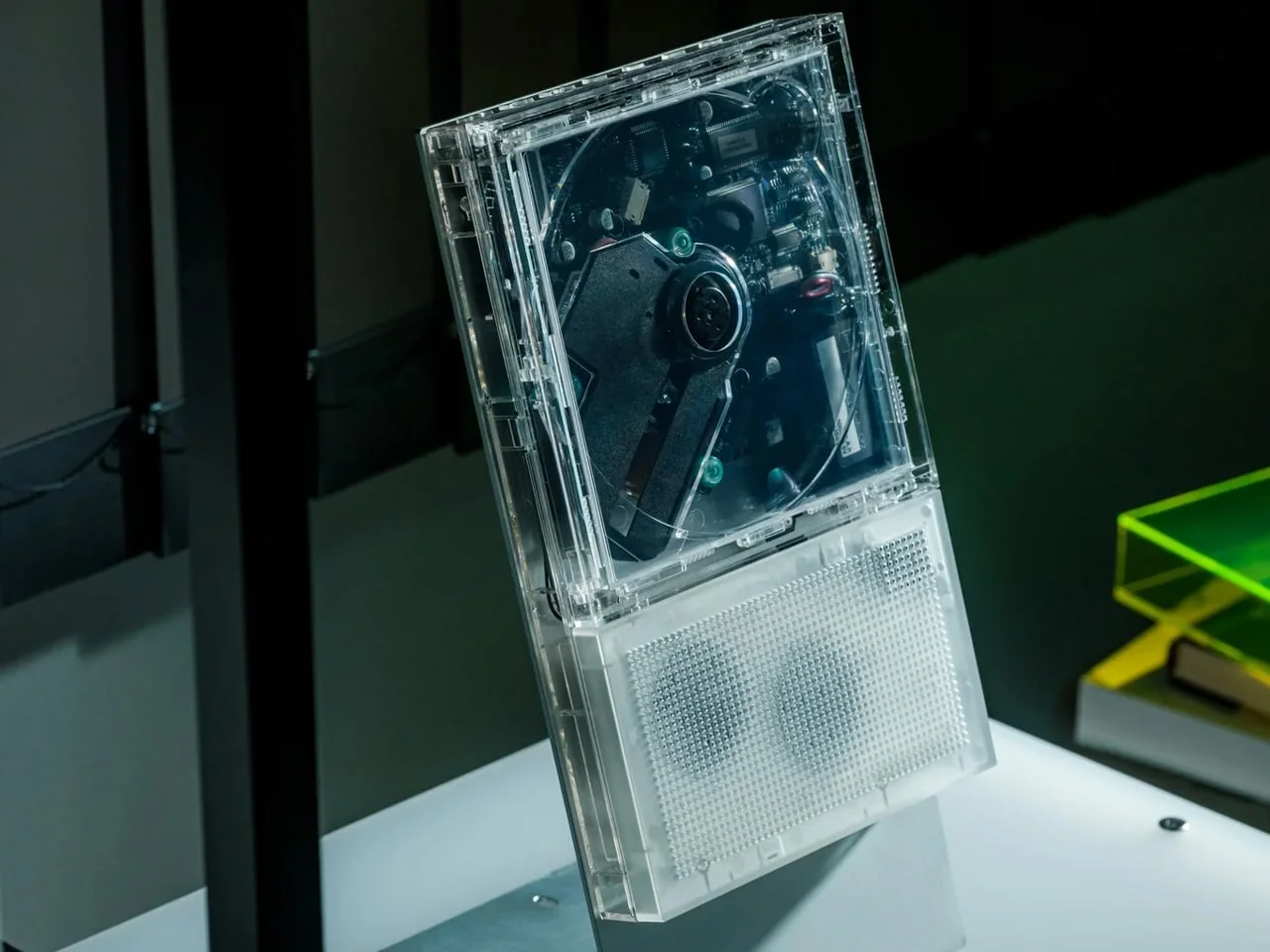

ClearFrame turns a CD player into a way to display the album you’re listening to. Its transparent body exposes the disc and internal components, while an included tray holds album artwork. Swapping CDs changes the look of the player as well as the music. That’s a distinctive use for a physical collection: the packaging remains visible while the disc plays.
A built-in speaker lets the player work on its own, and a 3.5mm output supports wired headphones. Bluetooth transmission can send CD audio to compatible headphones or speakers, but the player doesn’t receive music from a phone over Bluetooth. At 27mm thick, it has a slim profile, although its optional stand and wall mount cost extra. If you’re planning to display it, factor those accessories into the setup.
Click Here to Buy Now: $240.00
What works: album art becomes part of the player, and listening options include its speaker, a wired output, and Bluetooth transmission.
What to consider: Bluetooth doesn’t let the player act as a phone speaker, and mounting hardware costs extra.
5. ModRetro Chromatic, Transparent Edition
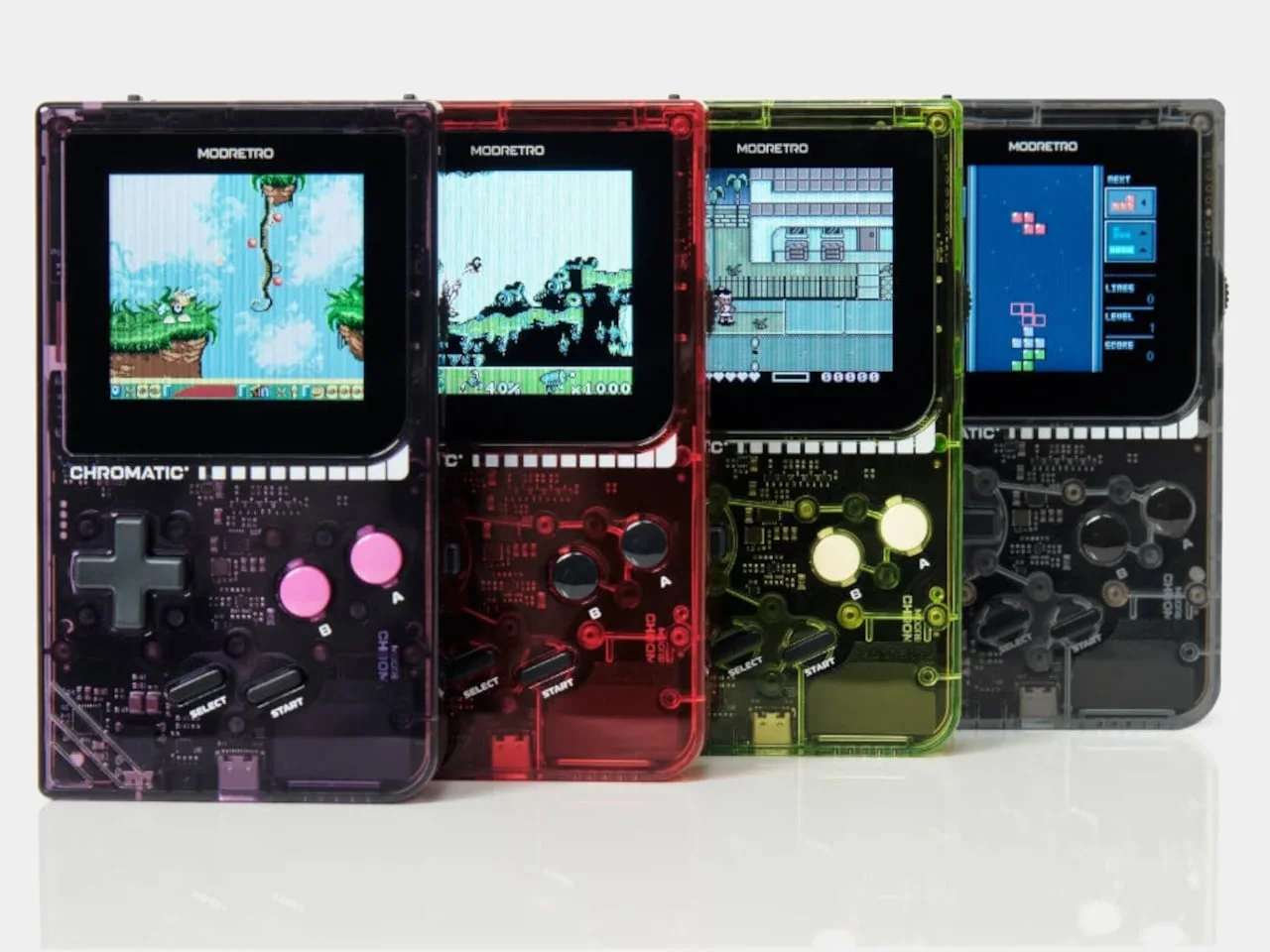
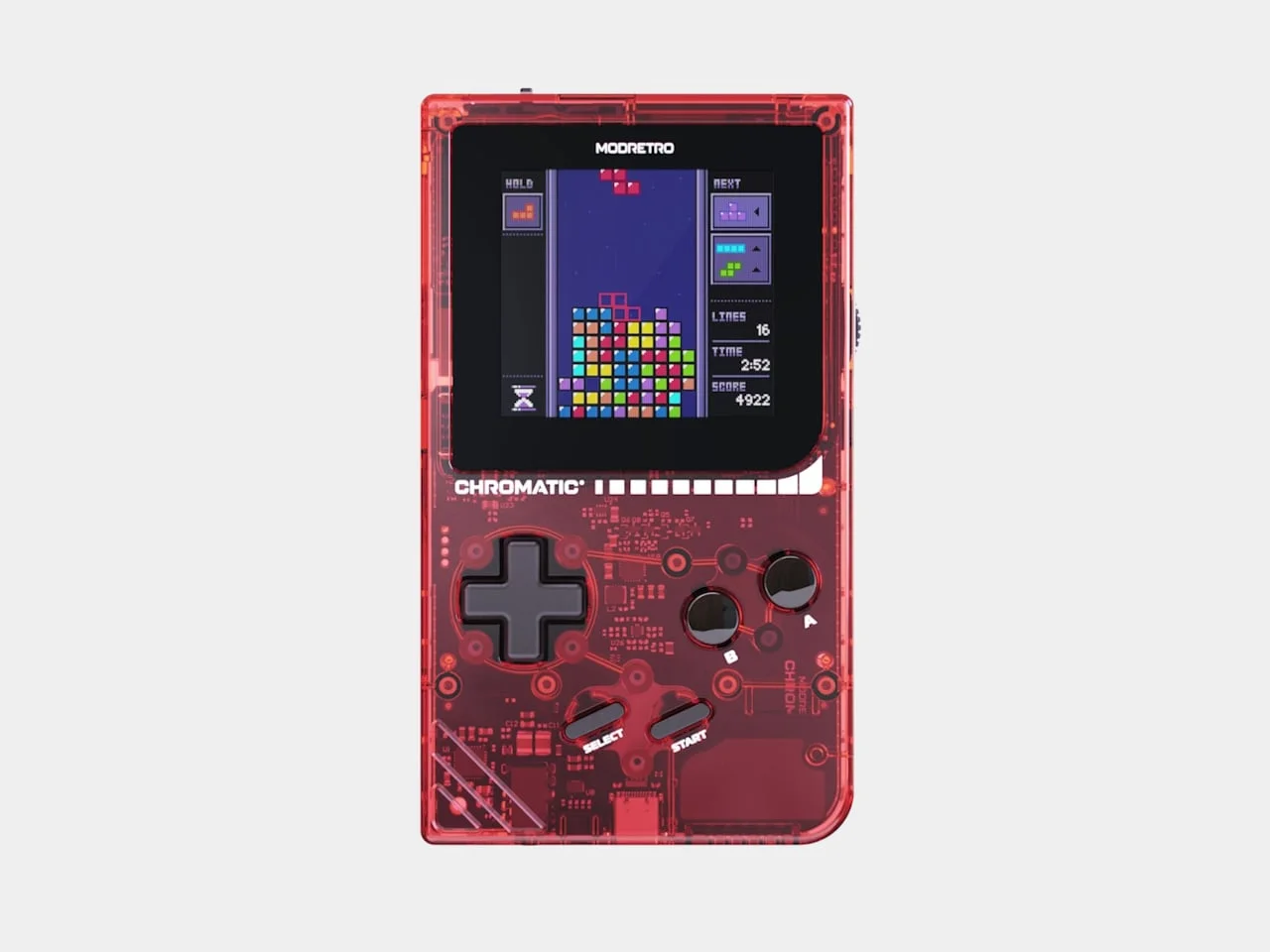
ModRetro’s transparent Chromatic gives original Game Boy and Game Boy Color cartridges a dedicated handheld. Its clear ABS casing shows the electronics inside, but the cartridge slot is the feature that makes the device useful to collectors: existing games can be played directly, without being replaced by downloads.
The handheld uses an FPGA-based system and has a 2.56-inch backlit display at the original Game Boy Color resolution of 160 × 144. Its D-pad and separate face buttons suit the games it’s built to play. Three AA batteries power the console; a Rechargeable Power Core is available separately. A link cable port and 3.5mm headphone output round out the hardware. This is a focused device for a specific cartridge library, and the rechargeable accessory adds to the cost.
6. FiiO CP13 Cassette Player
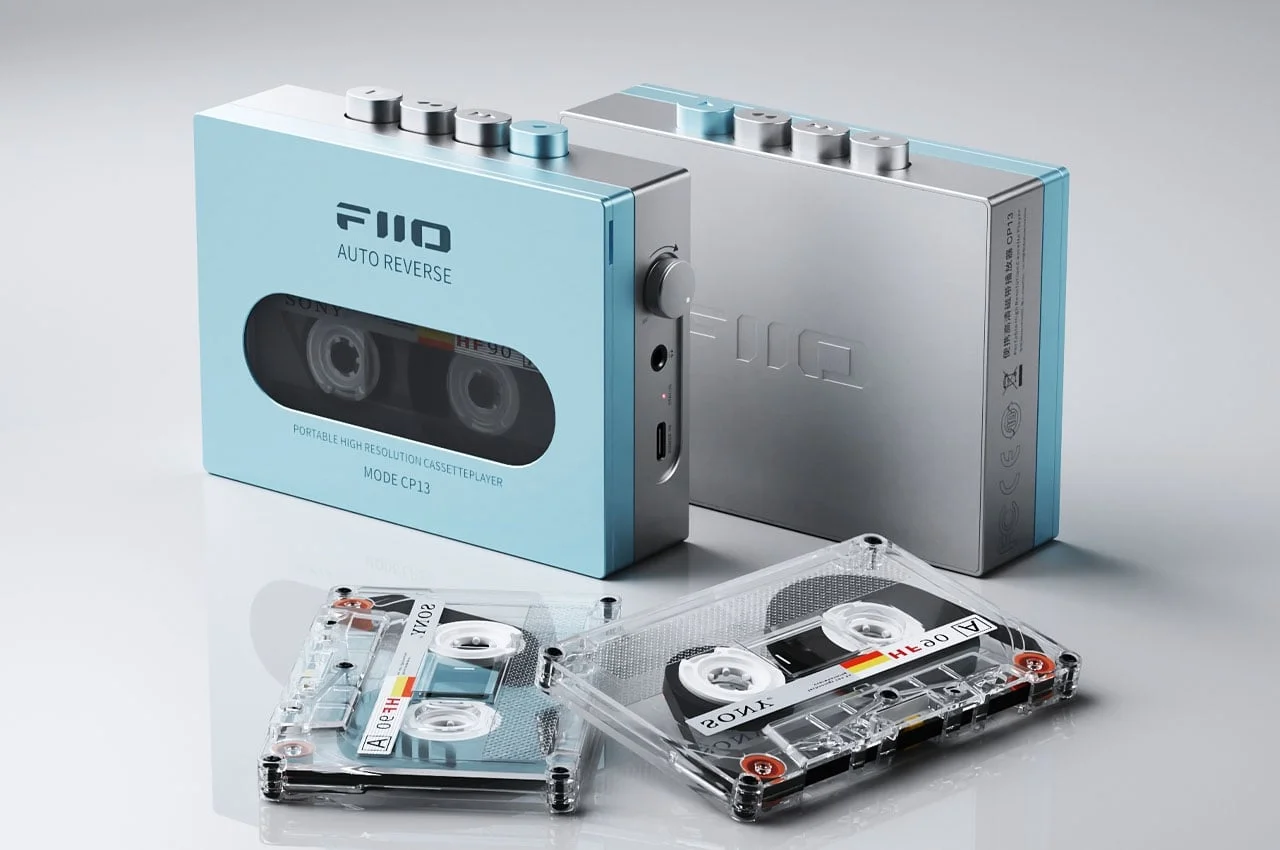
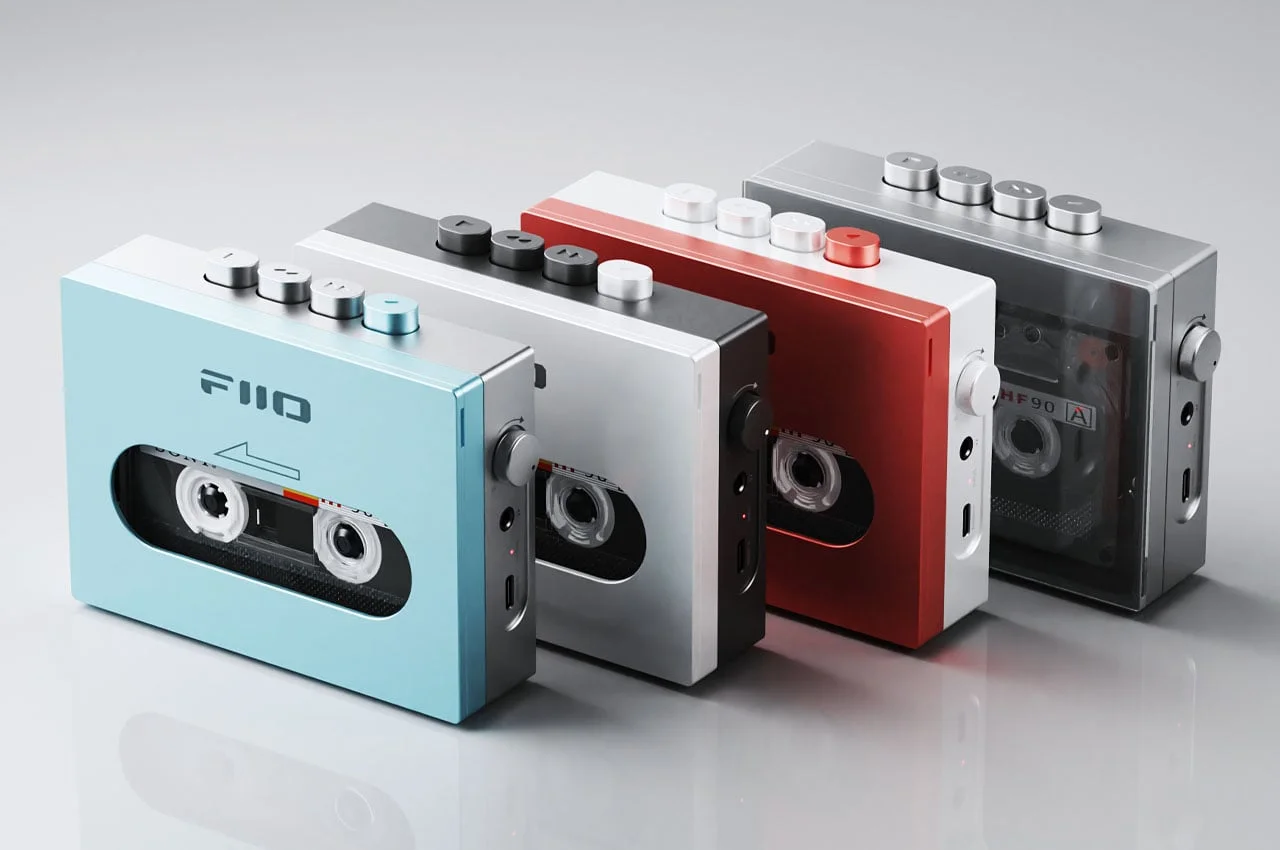
FiiO’s CP13 plays cassette tapes with a physical transport mechanism, playback buttons, and a large volume knob. Its aluminum chassis updates the enclosure without hiding what the player does. For listeners with mixtapes or newer cassette releases, the value is direct access to those recordings. That doesn’t mean cassette automatically sounds better: it means the tape and its controls are part of the listening experience.
USB-C charges the internal lithium battery, while playback follows an analog audio path from the magnetic head through amplification. FiiO warns that cassette playback can have more background noise than digital audio. There’s no Bluetooth connection, and the CP13 can’t convert tapes into digital files. It’s made for listening, not archiving or wireless playback.
Replaceable power for everyday use
7. RetroWave 7-in-1 Radio
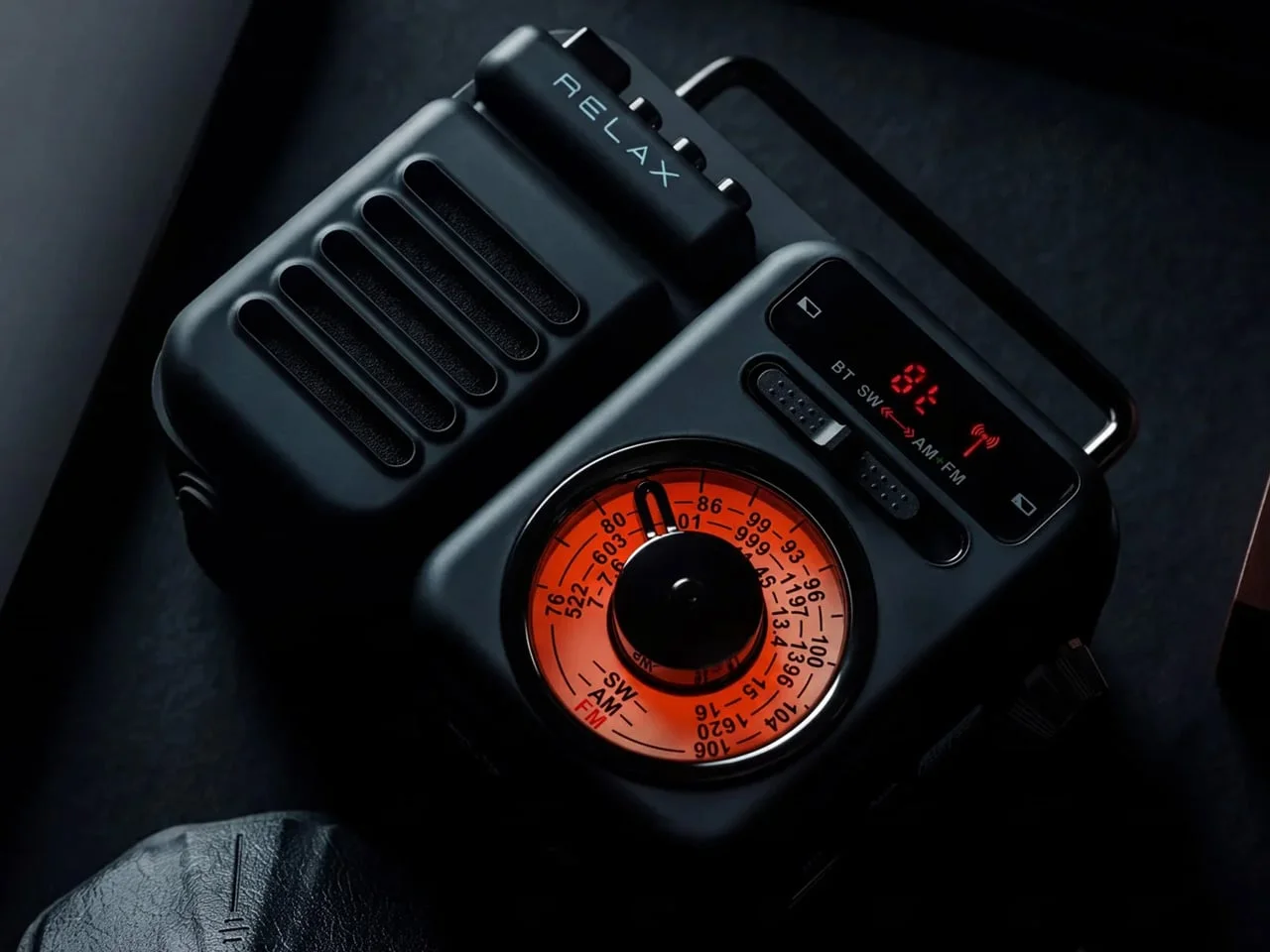
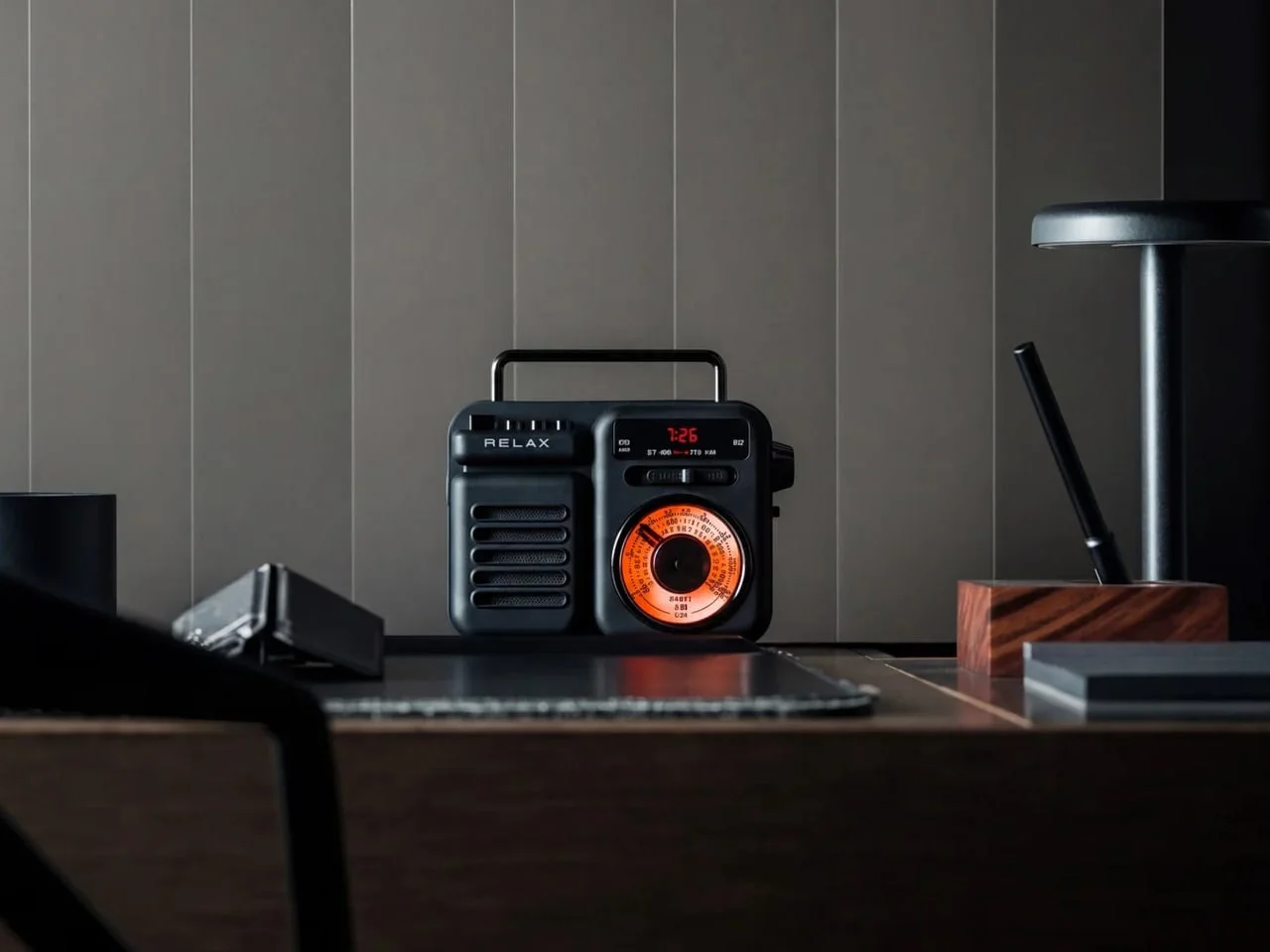
RetroWave makes broadcast radio accessible without a phone, app, or internet connection. Its AM, FM, and shortwave receiver uses a tuning dial: extend the antenna, select a band, and find a station. Reception depends on local conditions, but listening doesn’t depend on a network connection.
Bluetooth reception and USB or microSD playback cover personal music. The unit also includes a flashlight, an SOS alarm, and a phone-charging function. Its power features need realistic expectations: USB is the main charging method, with hand-crank charging for emergencies and solar charging as a supplement. The 2,000mAh battery powers the radio and can also charge a phone, drawing from the same reserve.
8. Anywhere-Use Lamp
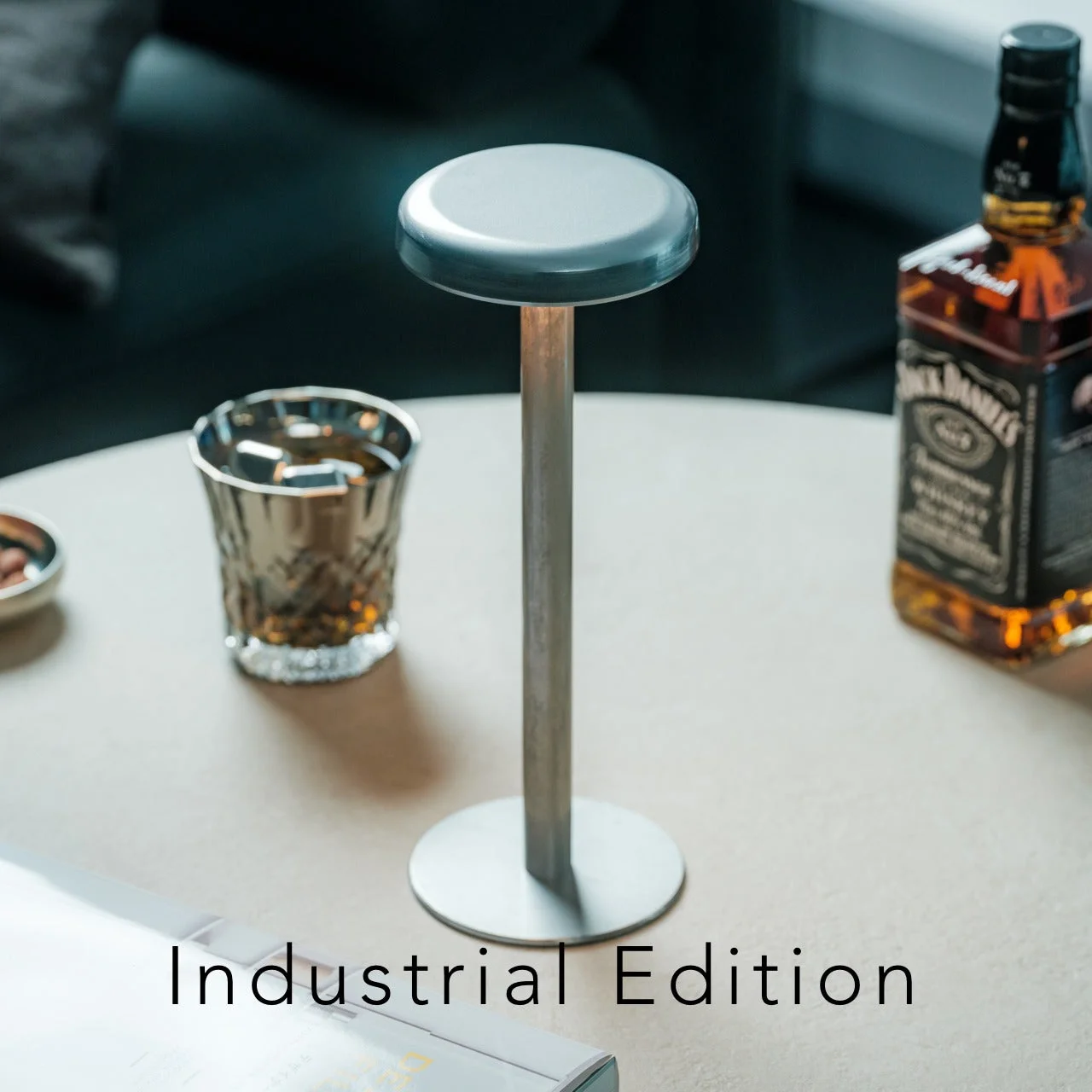

Made by TENT with Fujita Metal, the Anywhere-Use Lamp, also called ICHI, runs on four standard AA batteries housed inside its stem. The powder-coated iron lamp keeps the power compartment out of view, showing that replaceable batteries can fit into a restrained design. When the cells run down, owners can swap them instead of waiting for a charge. The maker recommends rechargeable nickel-metal hydride batteries.
Press the shade’s edge to choose among four brightness levels. The lamp separates into three pieces for packing, which helps explain its portable format, but it isn’t waterproof. It also shuts off automatically after one hour. That may be helpful by a bed and inconvenient when you need continuous light for a longer task.
Click Here to Buy Now: $149.00
Choose the function that earns its space
Physical features pay off when they match something you already do. A CD collection gives a disc player a clear role; a library of Game Boy cartridges makes a dedicated handheld easier to justify. A keyboard case has to fit the way you type, while replaceable batteries matter most when swapping cells is more convenient than charging. Familiar controls and materials can be appealing, but they don’t erase a product’s size, compatibility limits, or accessory costs.
Before choosing, check the detail that will determine whether the feature works in practice: phone model, battery type, cartridge format, headphone connection, or replacement part. These products suggest that older functions still have a place in modern hardware when they’re built around a real use. The best comeback is the one you’ll keep reaching for after the novelty wears off.
The post 8 Gadgets That Bring Back Features We Never Wanted to Lose first appeared on Yanko Design.


Discussion
Sign in to join the discussion.