OKA’s $649 Mori combines a lamp, breathing prompts and quiet expressions, but its long-term appeal depends on whether its companionship outlasts the novelty.
A quieter idea of companionship
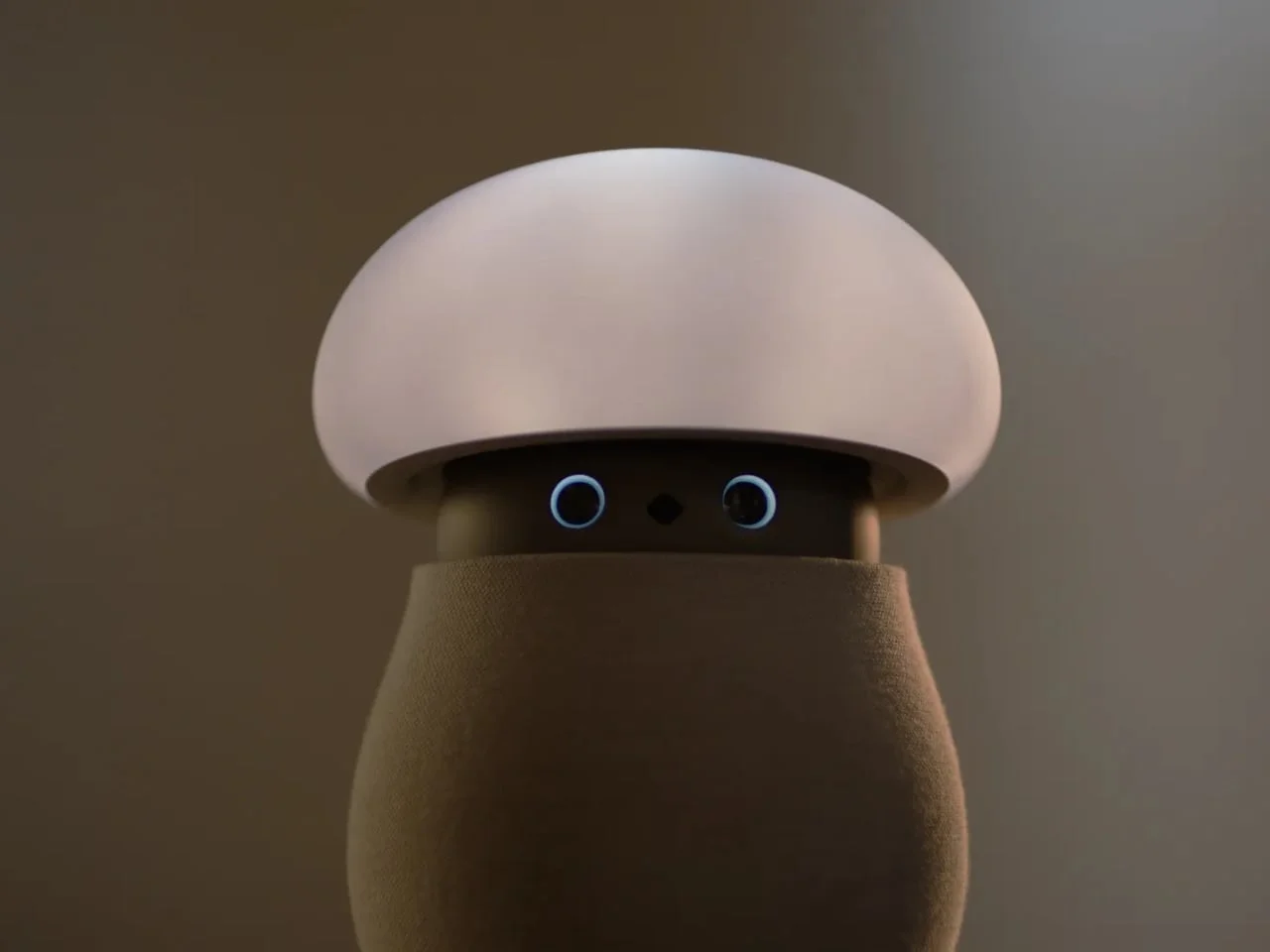
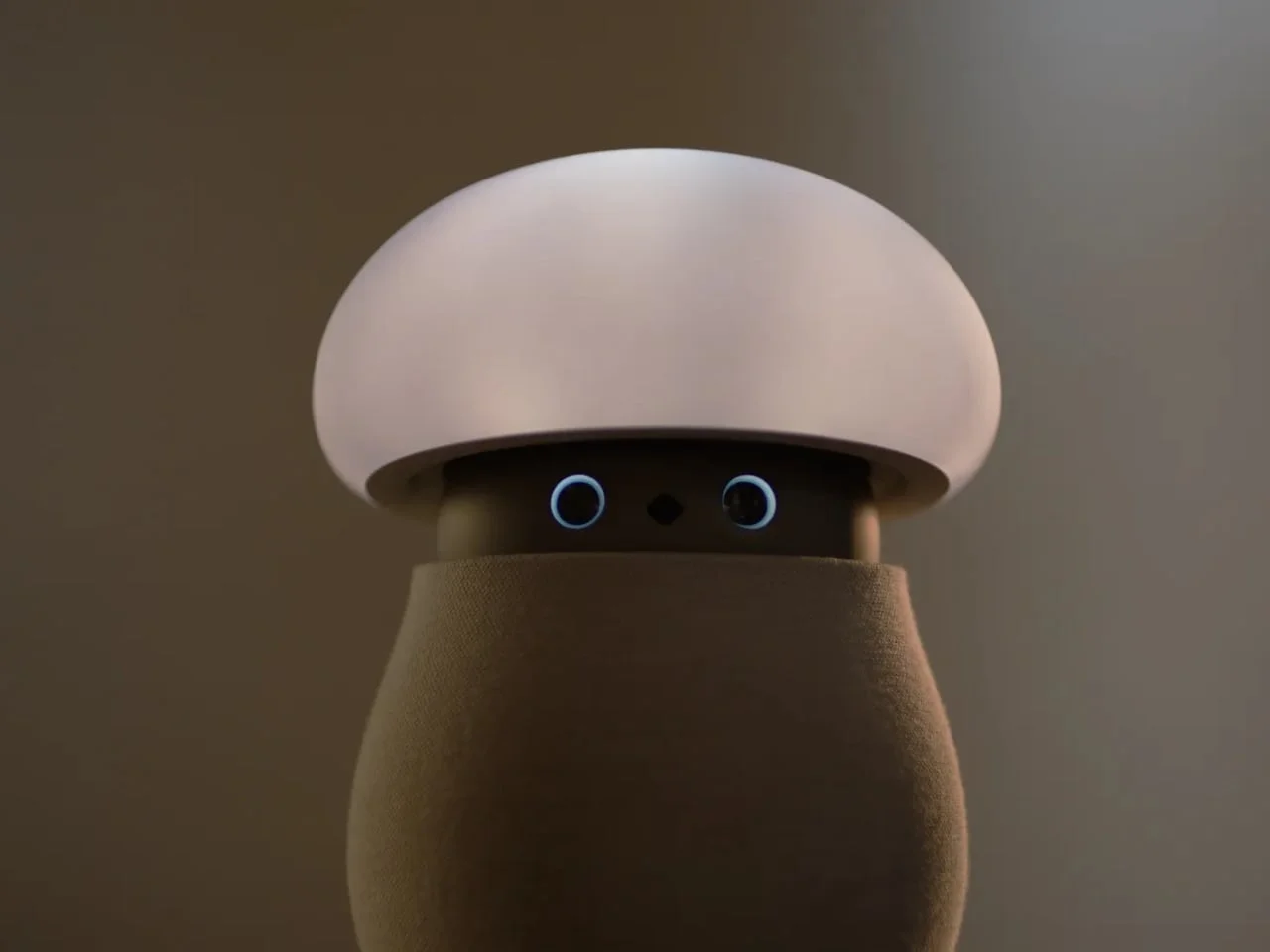
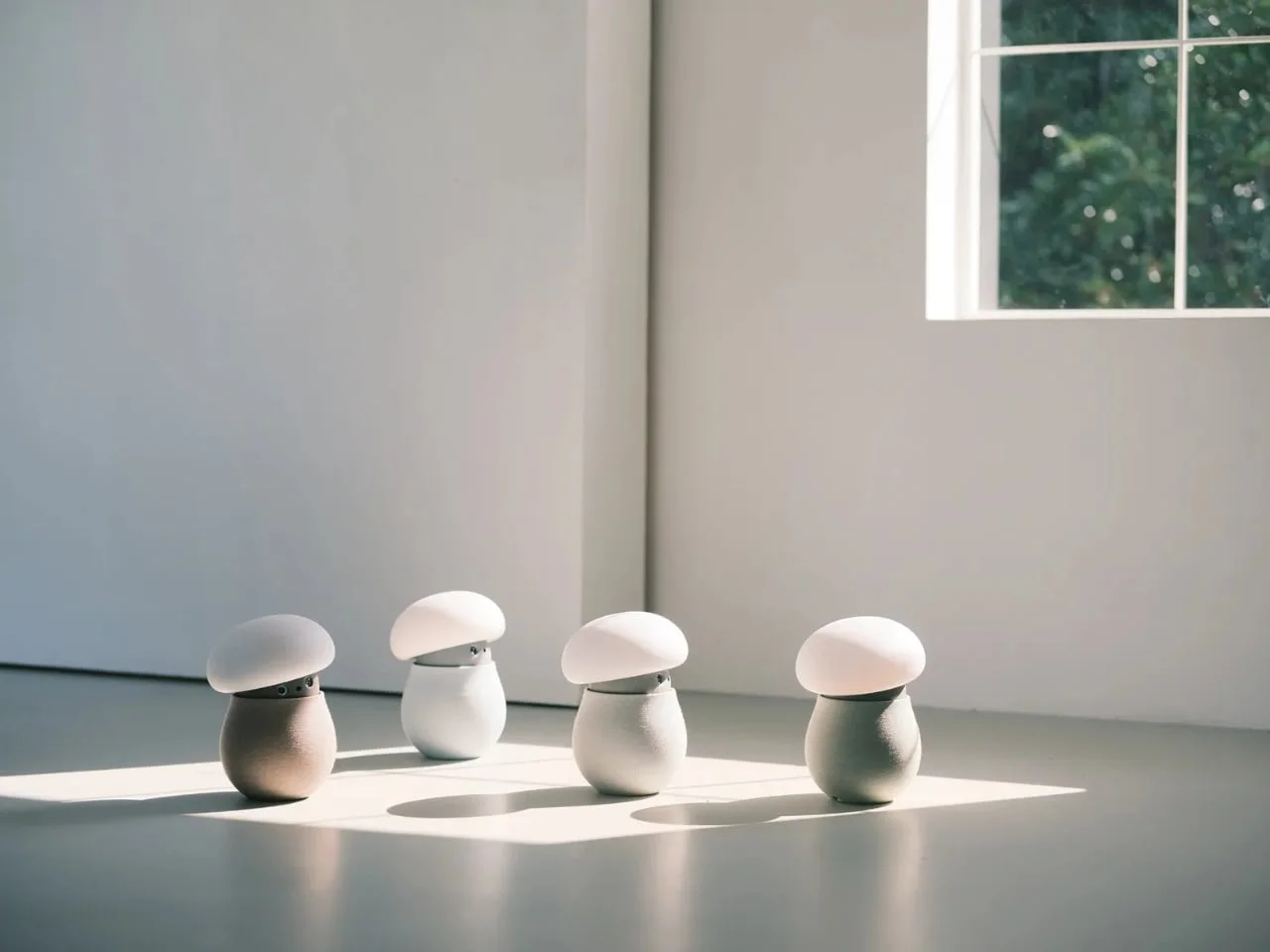
OKA’s Mori makes a case for a home robot that doesn’t compete for your attention. Shaped like a small mushroom, it uses light, sound and movement to offer a little company and encourage a pause. That’s a more appealing brief for a bedside companion than adding another screen or conversational assistant to the room. The harder question is whether its charm will still count once the novelty fades. A device designed to be quiet has to earn a place through small, repeated moments, not a flashy demonstration that’s easy to forget.
A familiar shape, with a job to do
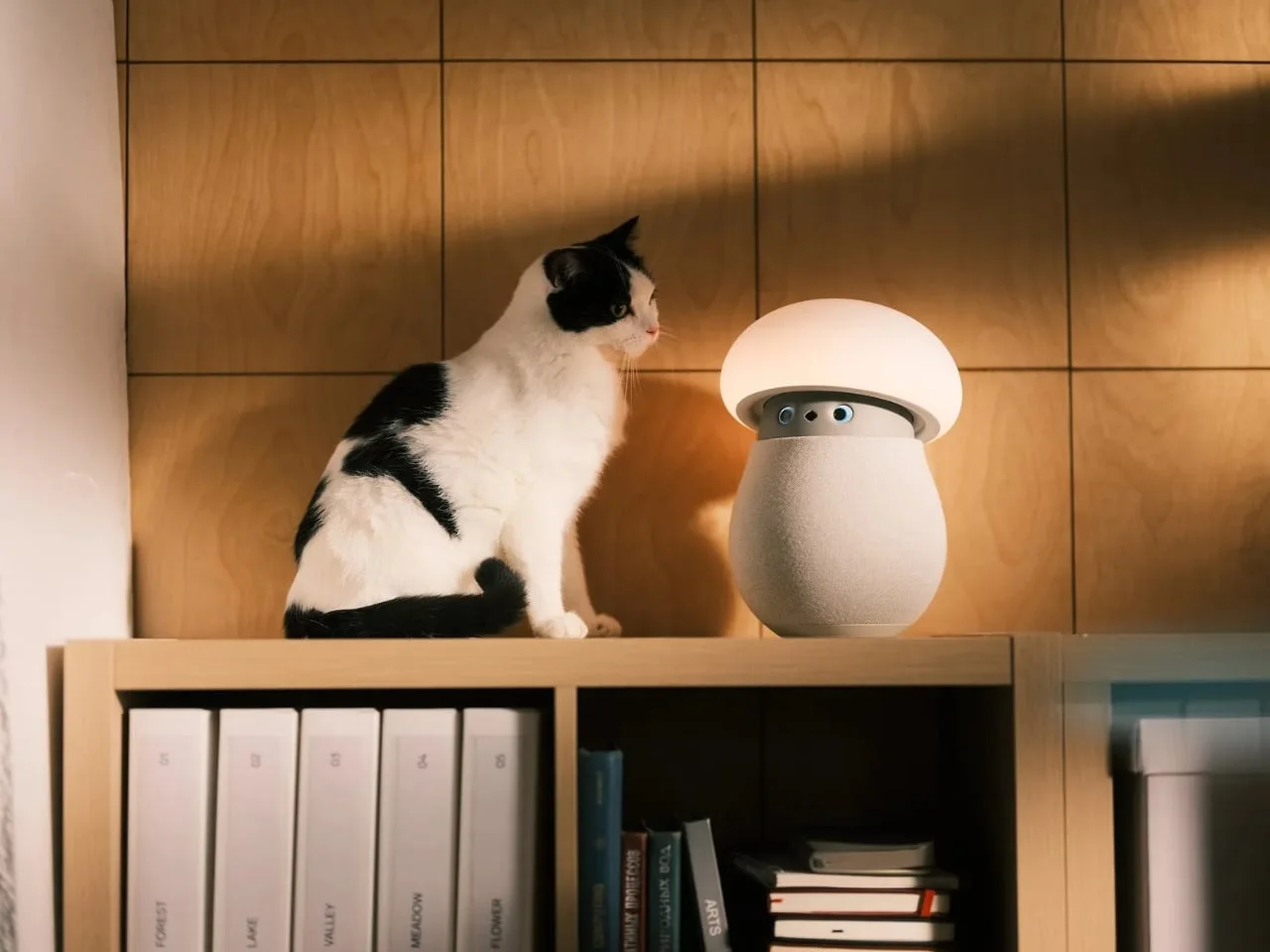
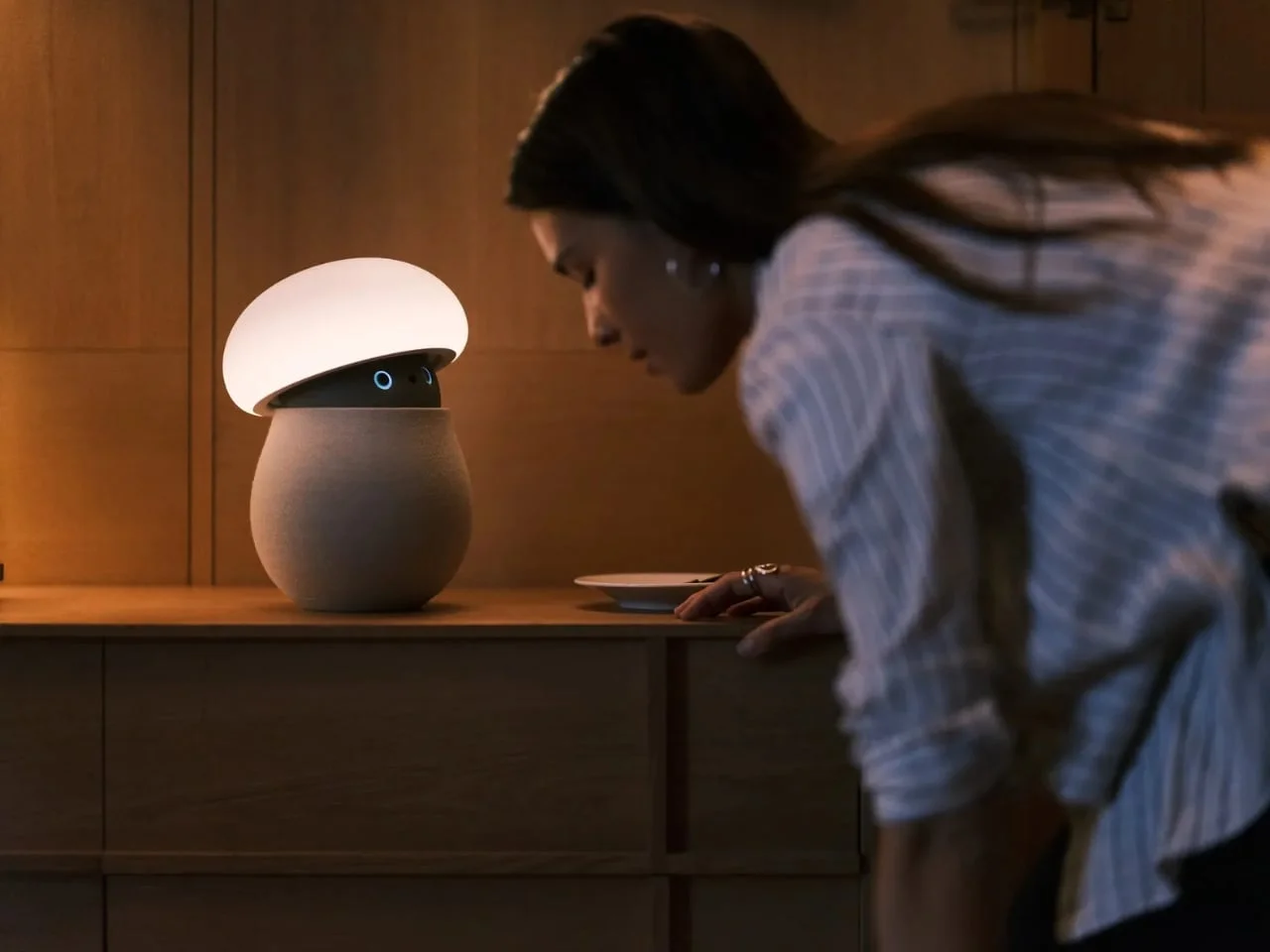
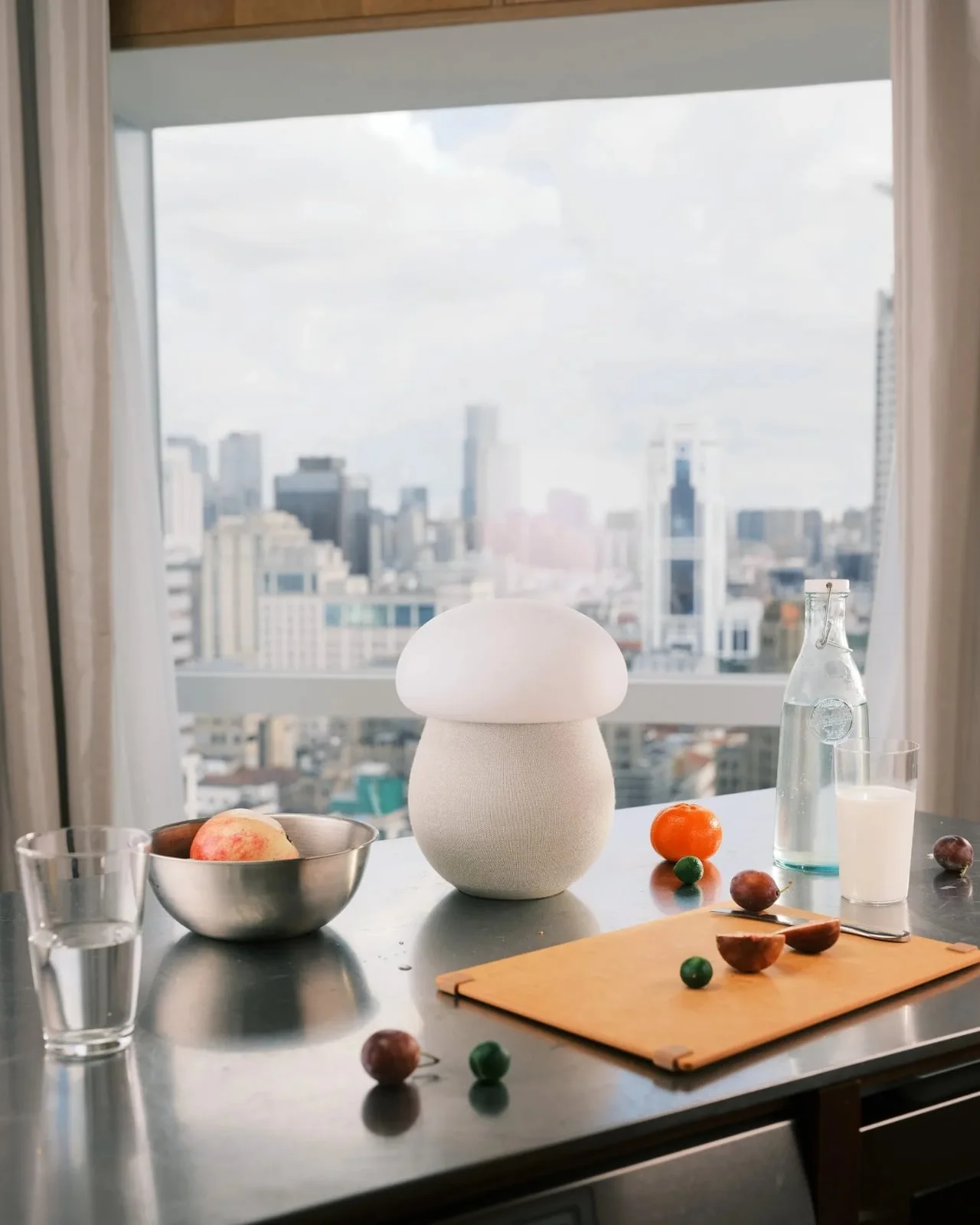
At its tallest, Mori stands just under 12 inches. Its broad cap lights up above a rounded body wrapped in fabric that contains 25 percent real wool, with two eyes tucked underneath. The proportions land somewhere between a table lamp and an animated character. That friendly silhouette does useful work: a robot needs to feel at home among familiar objects before its features can matter. Mori’s compact scale also gives it a plausible role on a bedside table, where a larger machine could feel intrusive even before it switched on.
Designer: OKA
OKA cofounder Hua Wang says he spent a decade creating mechanisms that brought people back to their phones. Mori reflects a different aim: making a robot that belongs in the home without becoming a large, intrusive machine. The idea is strongest when it gives people a reason to look away from their devices. That shift in purpose sounds simple, but it changes what success looks like: the robot doesn’t need to hold attention for long if it can prompt a useful pause and then recede.
Interaction without another screen
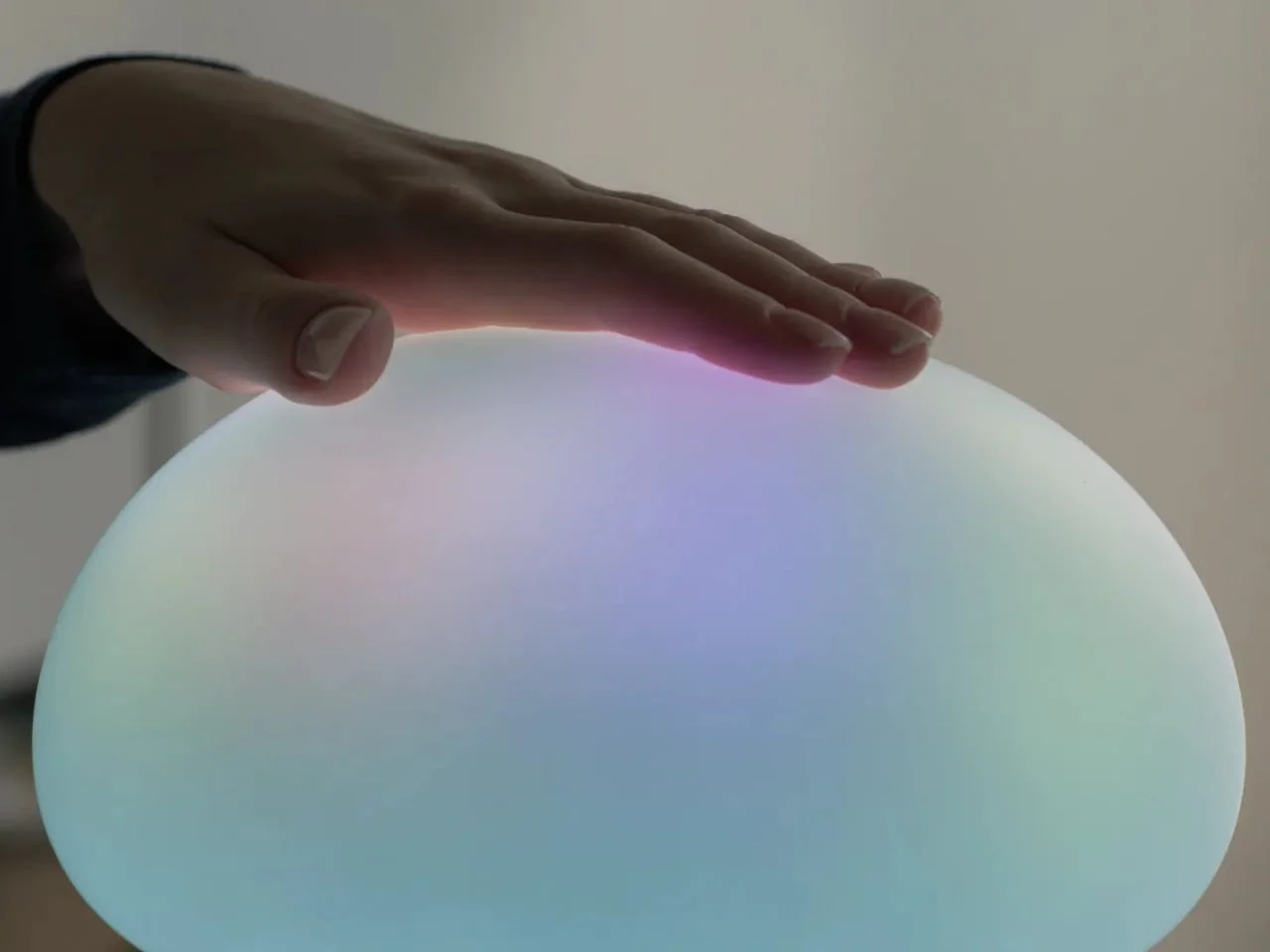
Mori’s controls support that intent. Place both hands on its base to start a guided breathing session; pat its head and the cap retracts, turning the robot into a lamp. Light and natural soundscapes set the mood. These physical gestures suit a device meant to prompt a break. There’s no need to unlock a phone, open an app and work through settings before taking a breath. That simplicity matters most in the moments Mori is meant to shape: a pause before sleep, or a brief reset during the day. Here's the thing: each interaction still has to feel natural, rather than like a novelty gesture users perform once for the demonstration.
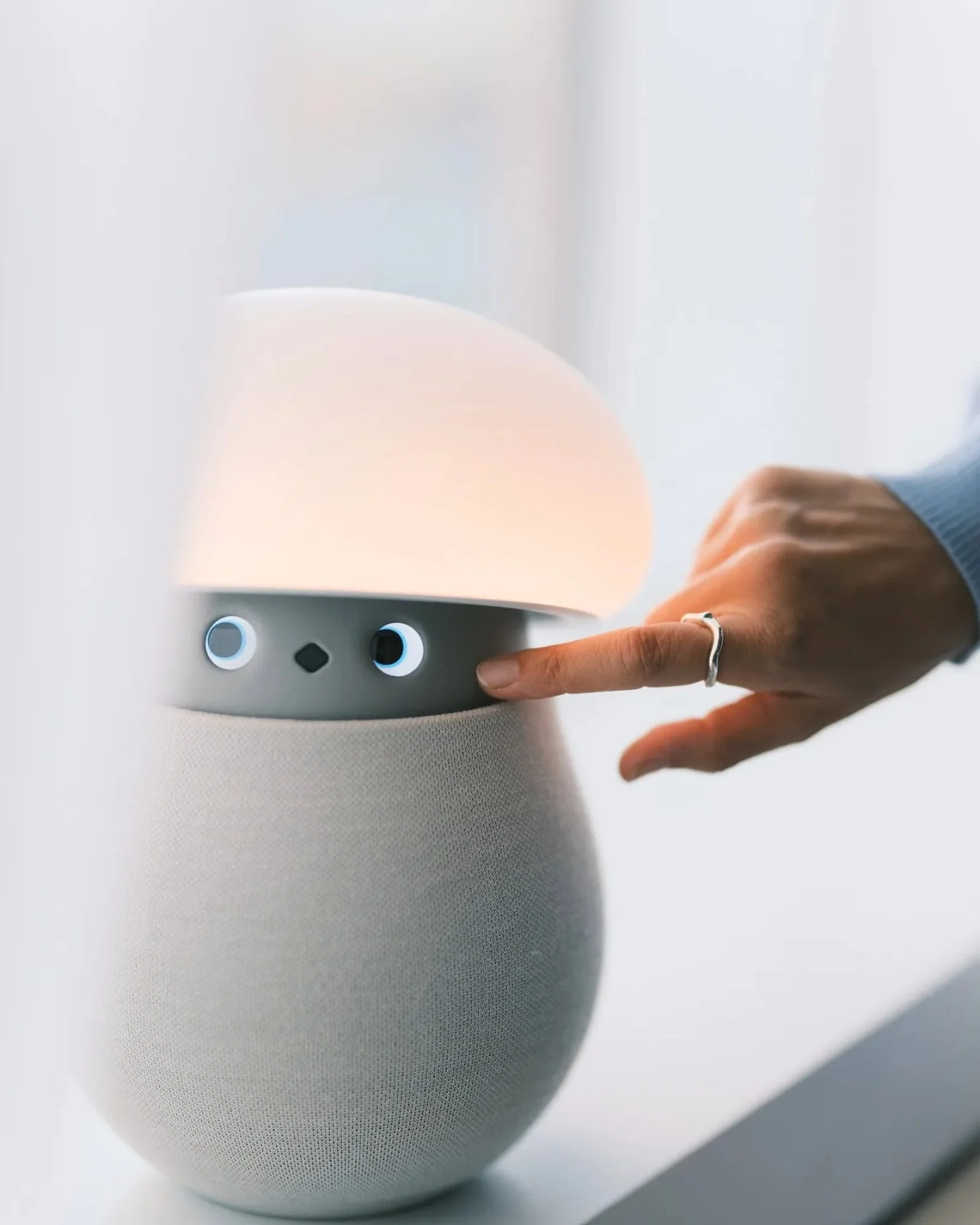
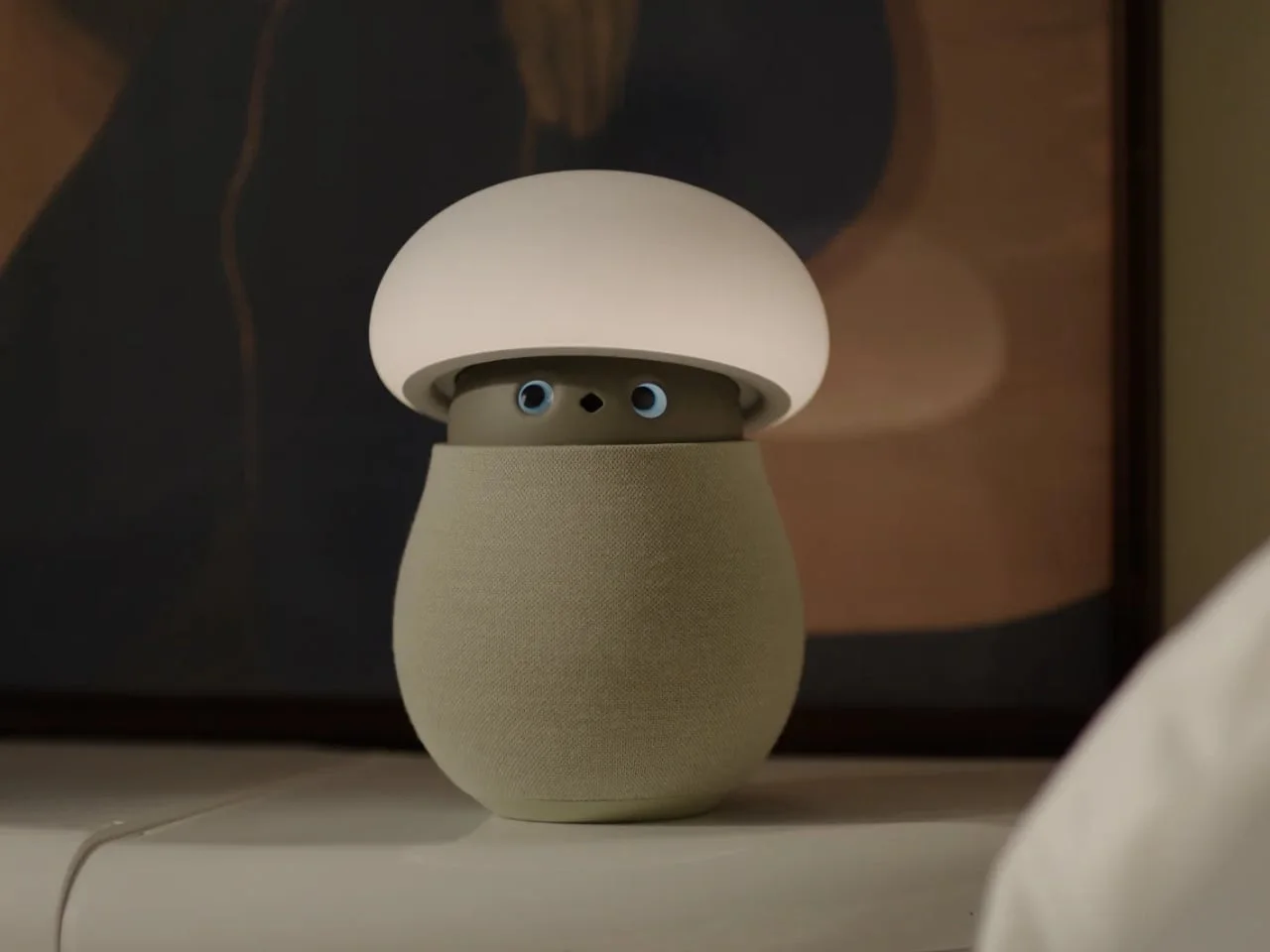
Mori doesn’t speak. Its expressions come through sounds, light and movement, leaving the owner to read its reactions. That restraint could be a real advantage in a bedroom: a companion that doesn’t talk avoids turning presence into another obligation. When it’s time for less interaction, the lamp mode reduces most of those reactions. Even a cute robot needs a quieter setting. This is more significant than it looks, because conversational devices can make a room feel as if it’s waiting for a response. Mori’s design leaves room for the owner to ignore it. A small, welcome bit of distance.
Privacy beside the bed
Its camera and microphone raise a more practical question. OKA’s privacy policy says Mori processes camera and microphone inputs on the device, and that raw audio and image frames are discarded after processing. Recognition information may remain locally to distinguish users. The company also says it may collect account, device and diagnostic information. Local processing is reassuring, though prospective owners should check the permissions and data terms before placing a sensing device beside the bed. Processing on the device can limit what needs to be sent elsewhere, but it doesn’t answer every question a buyer might have about what the robot detects or how recognition works. If you're considering a device like this, read the terms alongside the feature list; where it sits makes those details especially personal.

The test is ordinary daily use
OKA says Mori becomes more individual through repeated interaction. That claim needs time to prove itself. A robot’s familiar responses might grow endearing, or become easy to predict. For Mori, the design challenge is to offer enough variation to feel personal while keeping its presence low-key. Its appearance sets an inviting first impression; sustained appeal will depend on what it’s like to live with every day. Repetition cuts both ways: a response that feels attentive at first can become routine if it doesn’t continue to fit the owner’s habits. And yet, a device that constantly changes its behavior could be distracting in the very setting where calm is the point.
First Access orders cost $649 before taxes and shipping. The price includes two years of the Nature Time subscription. OKA says basic features won’t require a paid plan, and the included subscription won’t automatically convert to a paid one. That puts the focus squarely on Mori’s everyday behavior. The object already has the makings of a pleasing lamp. Its eyes, gestures and quiet prompts need to make the extra cost feel worthwhile after the first weeks of curiosity. The subscription terms also shape how buyers should assess the offer: the included period gives them time to try Nature Time, while the promise of basic features without a paid plan sets a boundary around what the purchase is meant to provide.
What Mori has to prove
Mori points toward a modest role for home robotics: a physical object that offers a prompt or a little company, then lets the room return to its usual quiet. That’s a more convincing proposition than asking a bedside device to become a constant companion. The limits are just as clear. Its appeal rests on the quality of those small interactions, the comfort owners feel with its sensors, and whether the lamp remains useful when the robot’s novelty wears off. Buyers aren’t just paying for a cute shape; they’re deciding whether a quiet routine deserves a permanent place in the room. That said, Mori’s restraint gives it a sensible starting point. It still has to prove that quiet can hold someone’s interest.
The post Mori the Mushroom Robot Offers Company Without Saying a Word first appeared on Yanko Design.

Discussion
Sign in to join the discussion.