NUS researchers used 54 electronic fibers to create a washable, touch-responsive sleeve display that can show images, video and body temperature readings.
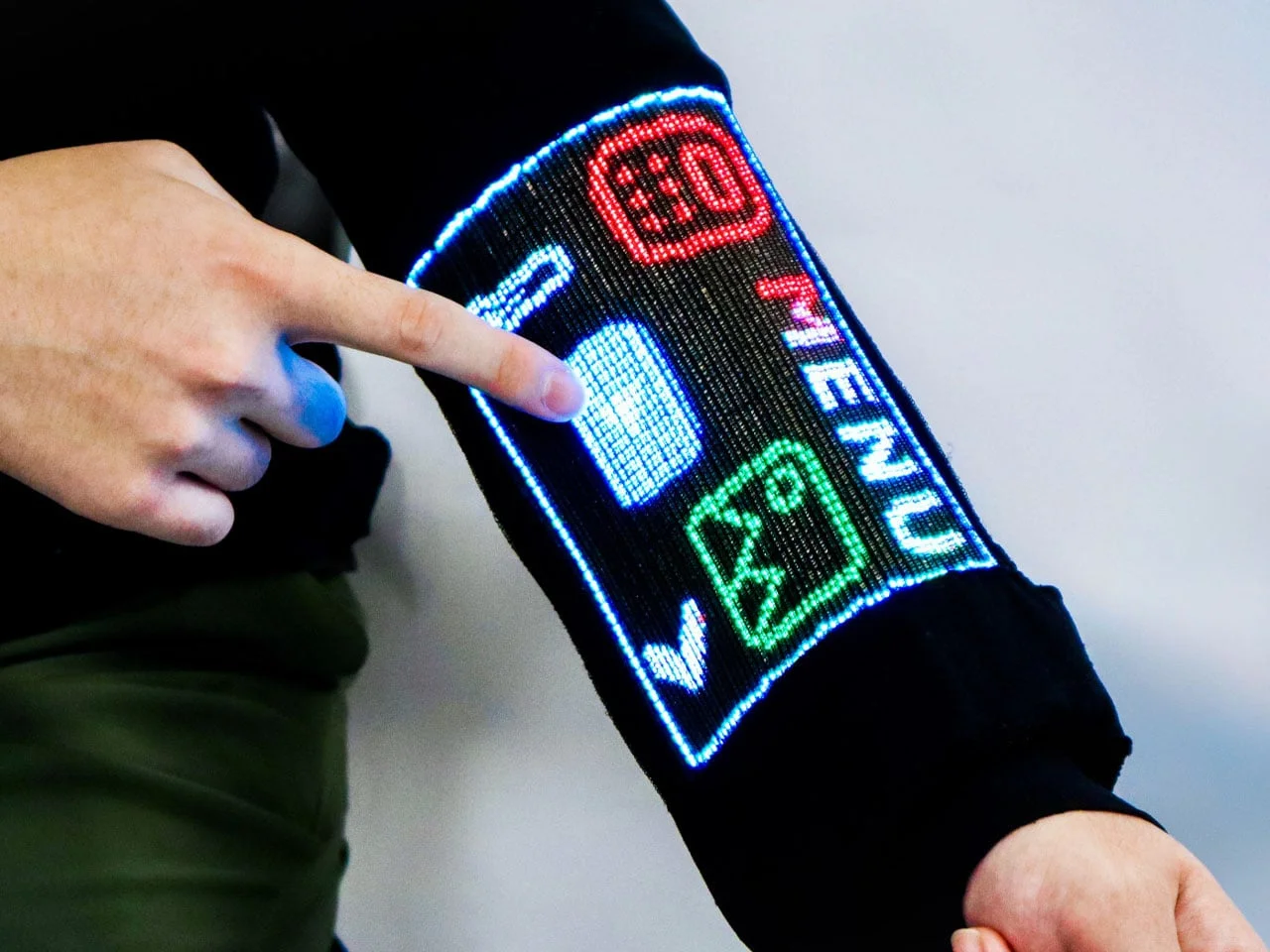
A touchscreen woven into a sleeve points to a different direction for wearable interfaces: electronics built into yarn, rather than a conventional screen attached to fabric. Researchers at the National University of Singapore (NUS) have demonstrated a garment display that responds to touch and can present images, video and other information. The distinction matters because a screen fixed to clothing still behaves like a separate device, with the fabric serving mainly as its support. Here, the researchers are trying to make the material itself carry the interface.
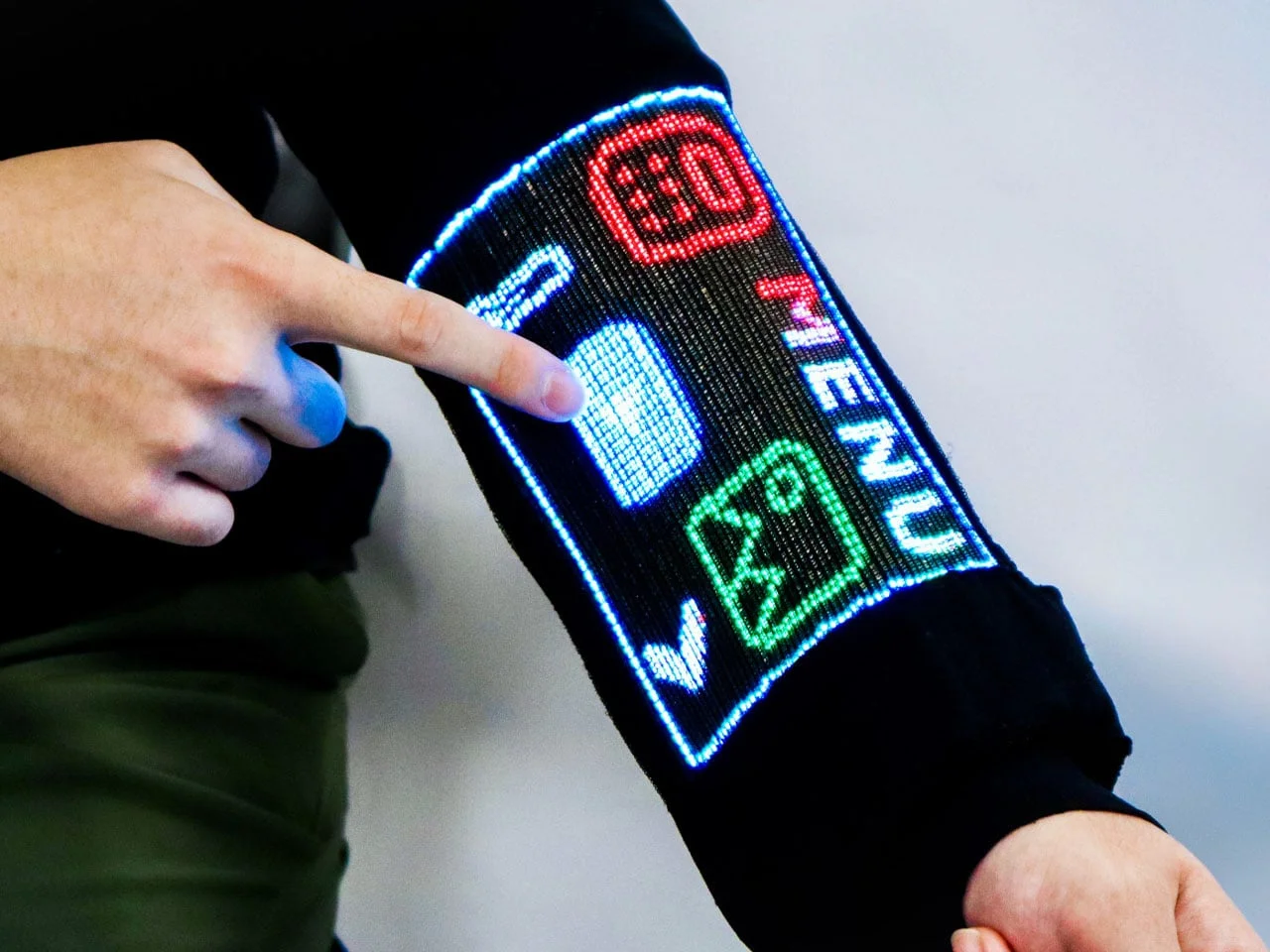
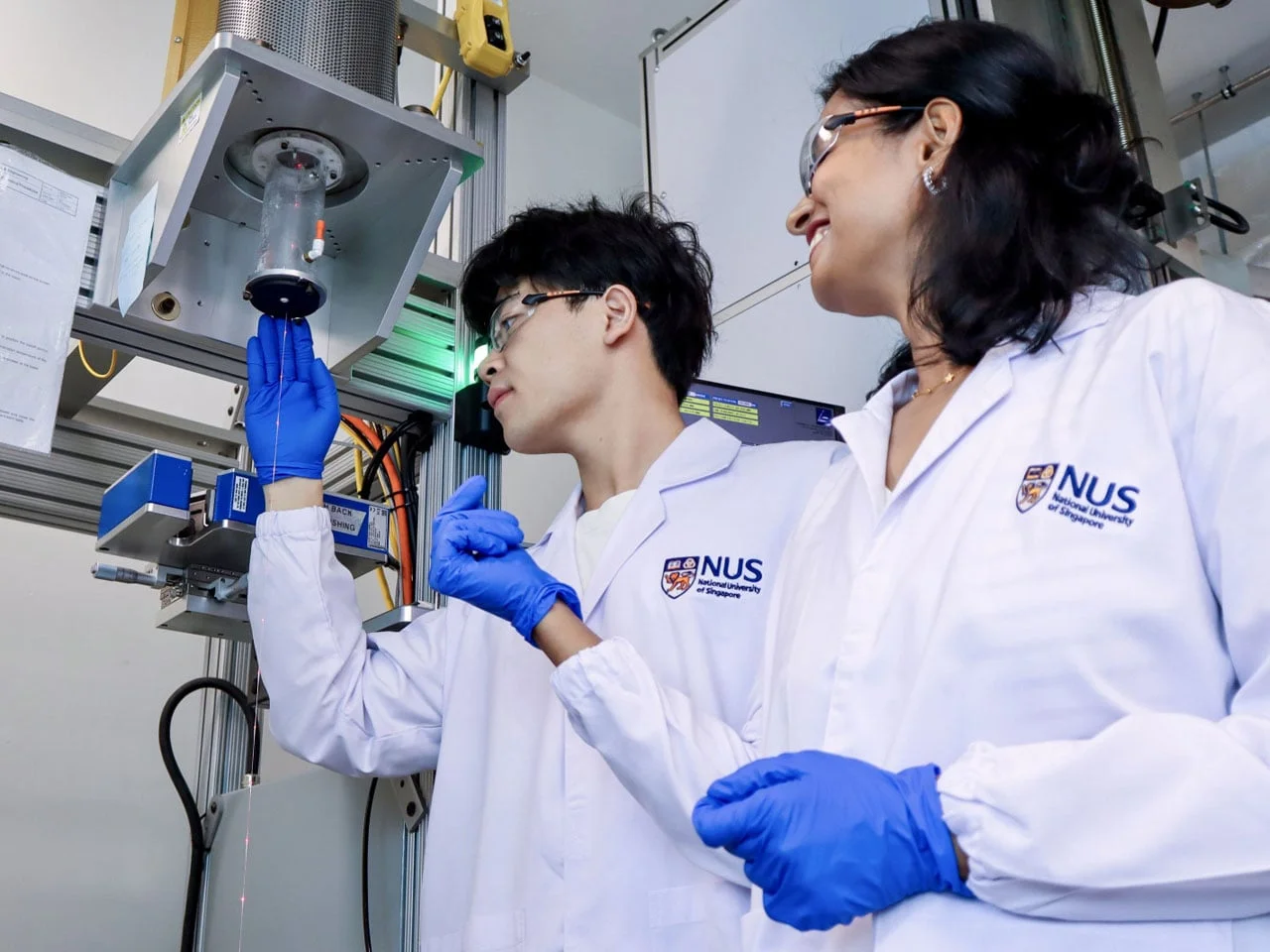
The prototype combines 54 specialized fibers in a sleeve. Led by Assistant Professor Tural Khudiyev of NUS’s Department of Materials Science and Engineering, the team made fibers that act as both display pixels and touch sensors. The research was published in Nature on 21 October 2026. That combination puts the work at the intersection of materials research and interface design: the fibers need to produce visible output while remaining part of something flexible enough to wear.
A fabric interface with practical limits
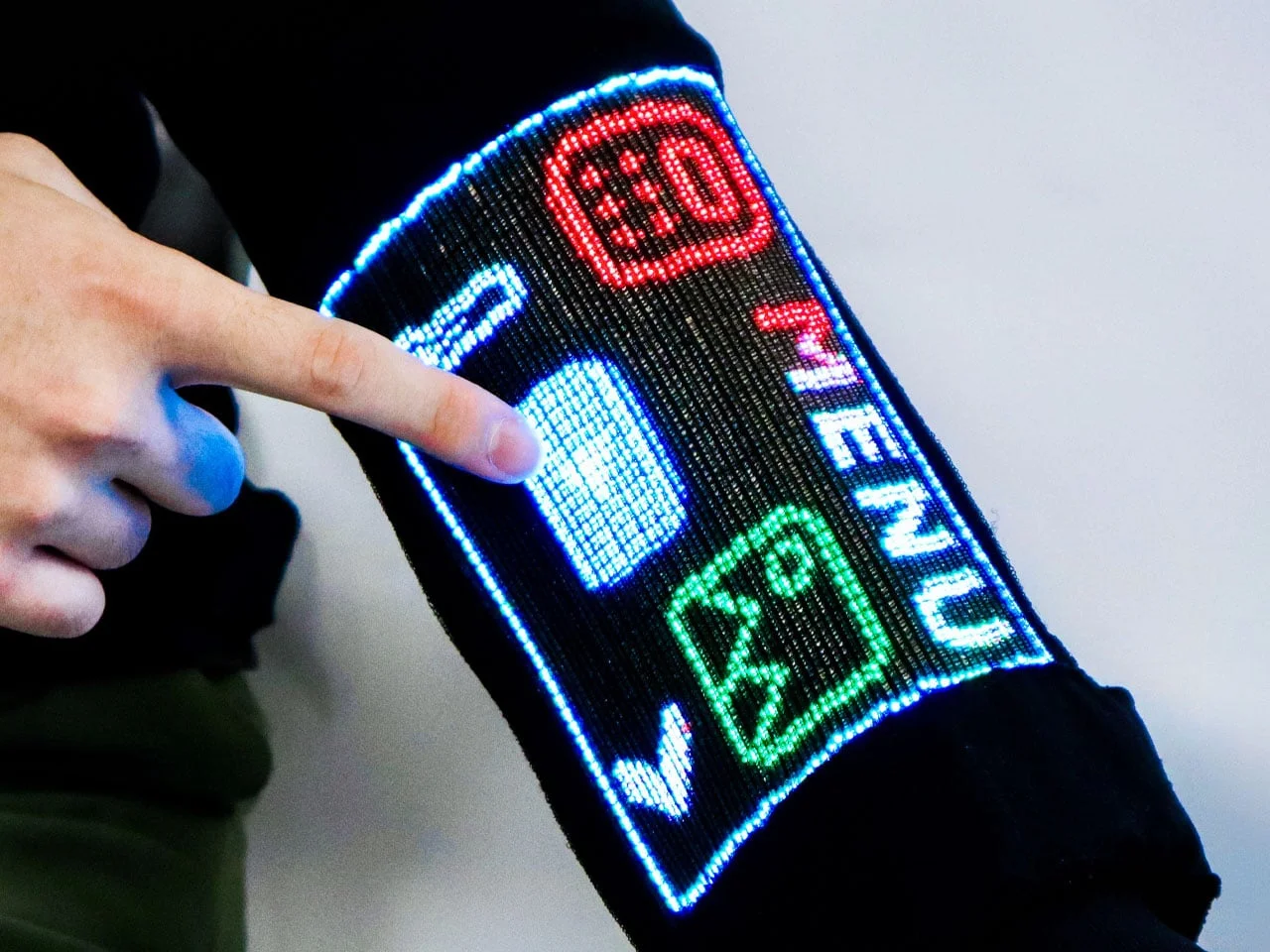
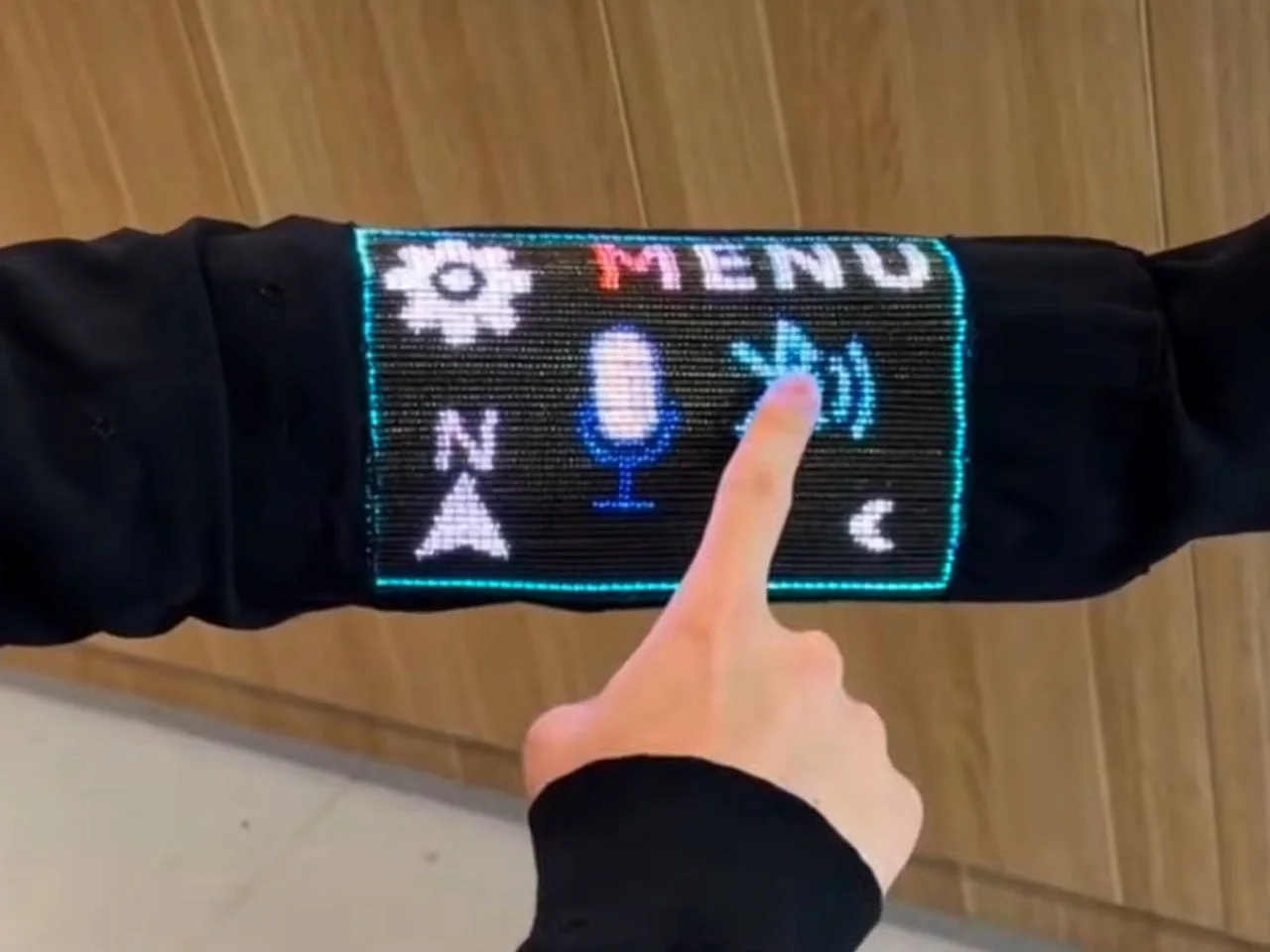
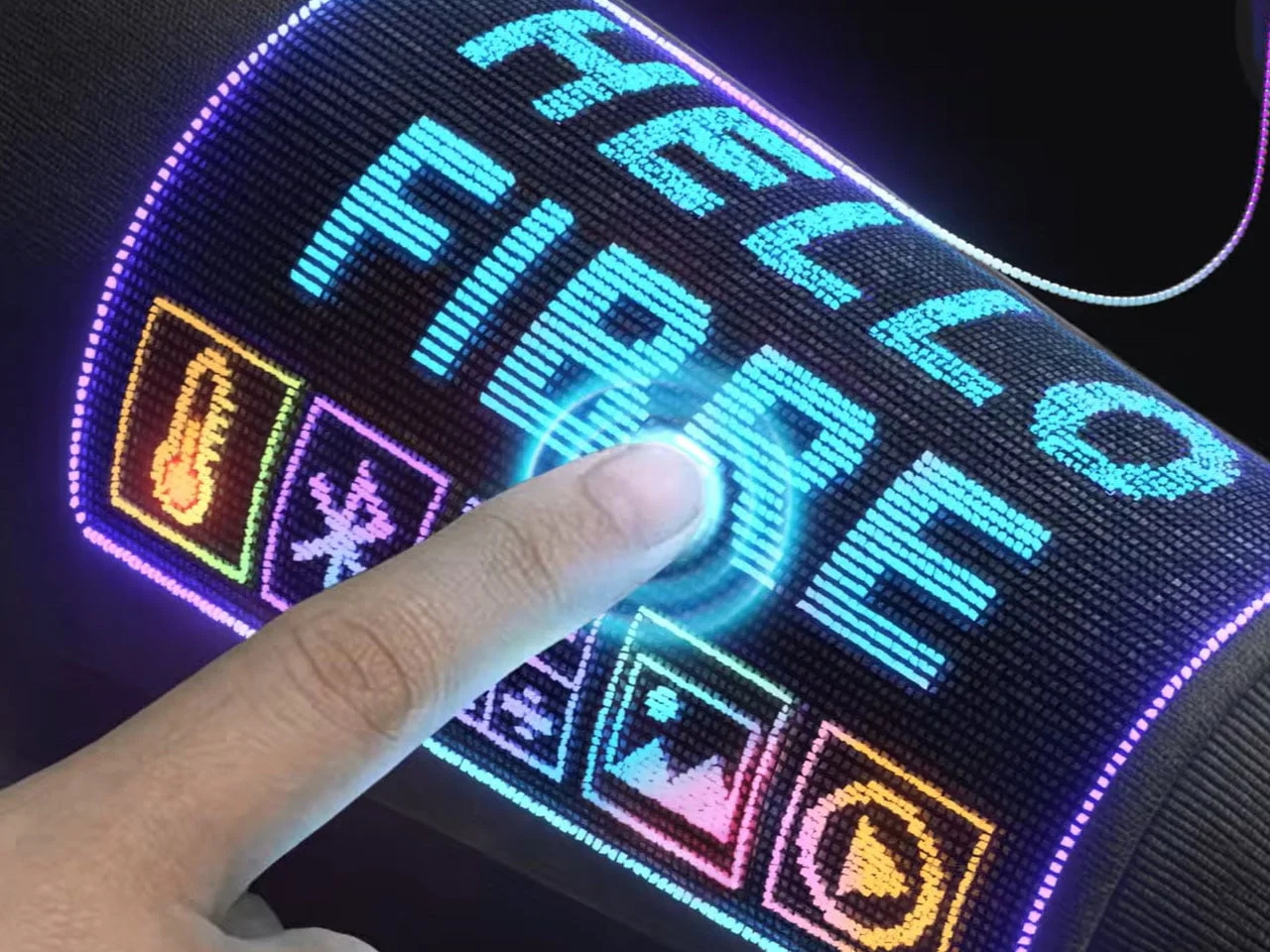
The sleeve carries a 96-by-54-pixel display. It can show images and video, respond to finger input, and handle simple calculations. Users can also pair its touch-sensitive layer with another Bluetooth device or interact through voice commands. Those functions make the sleeve more than a decorative light-up patch, but they don't establish that it can replace the familiar screens people already carry. Its stated capabilities point instead to brief interactions and information that can be read at a glance.
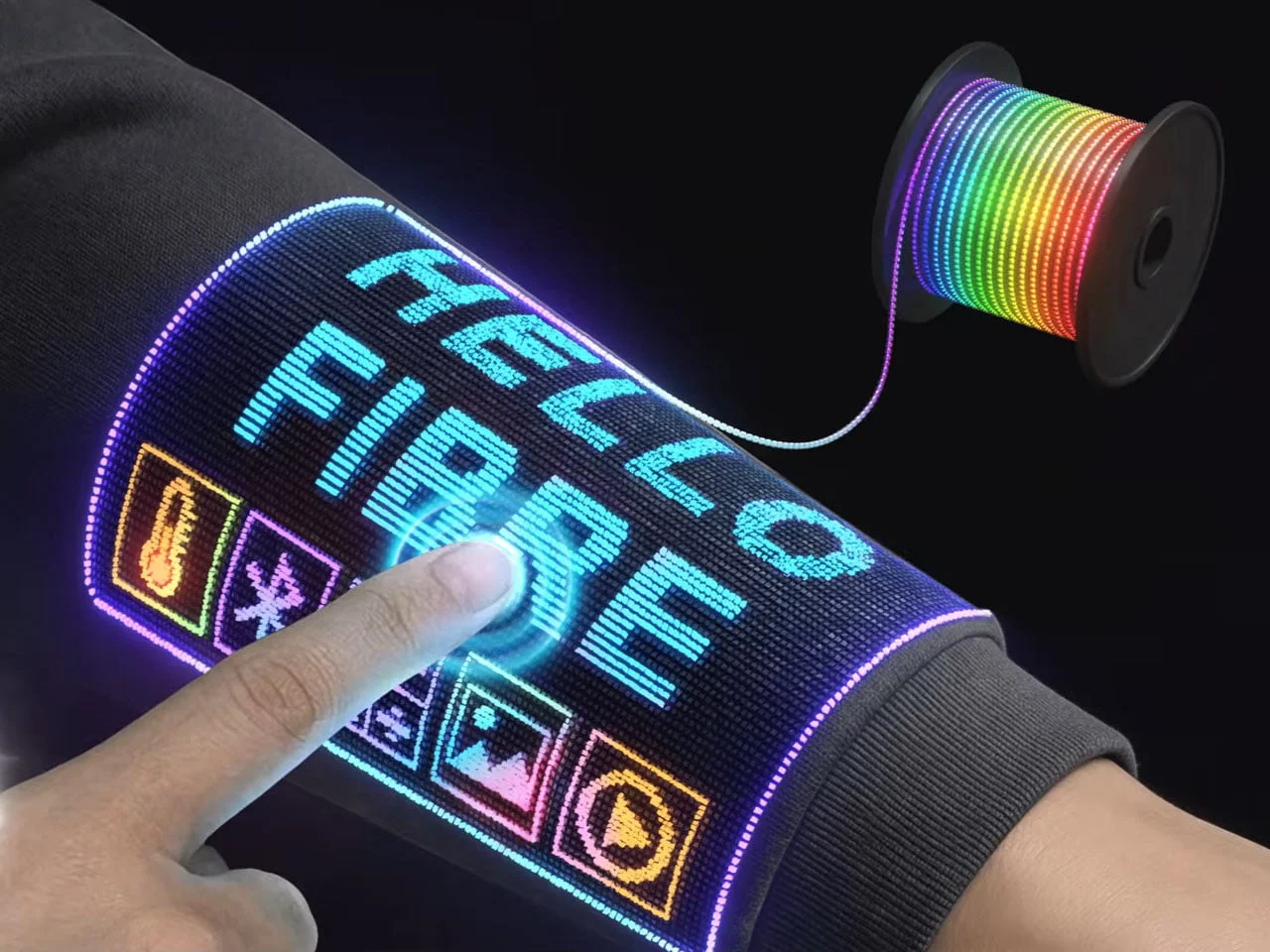
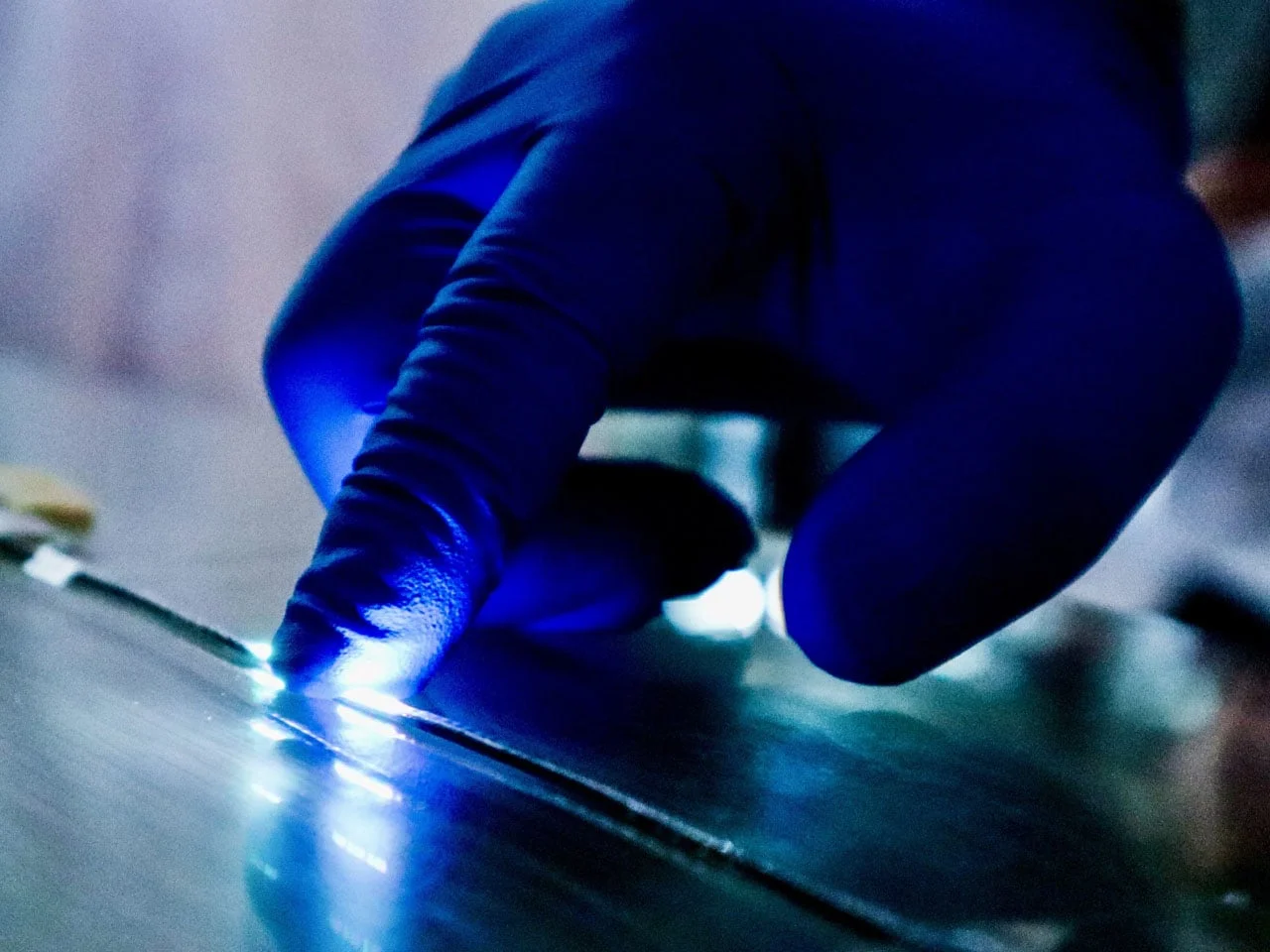
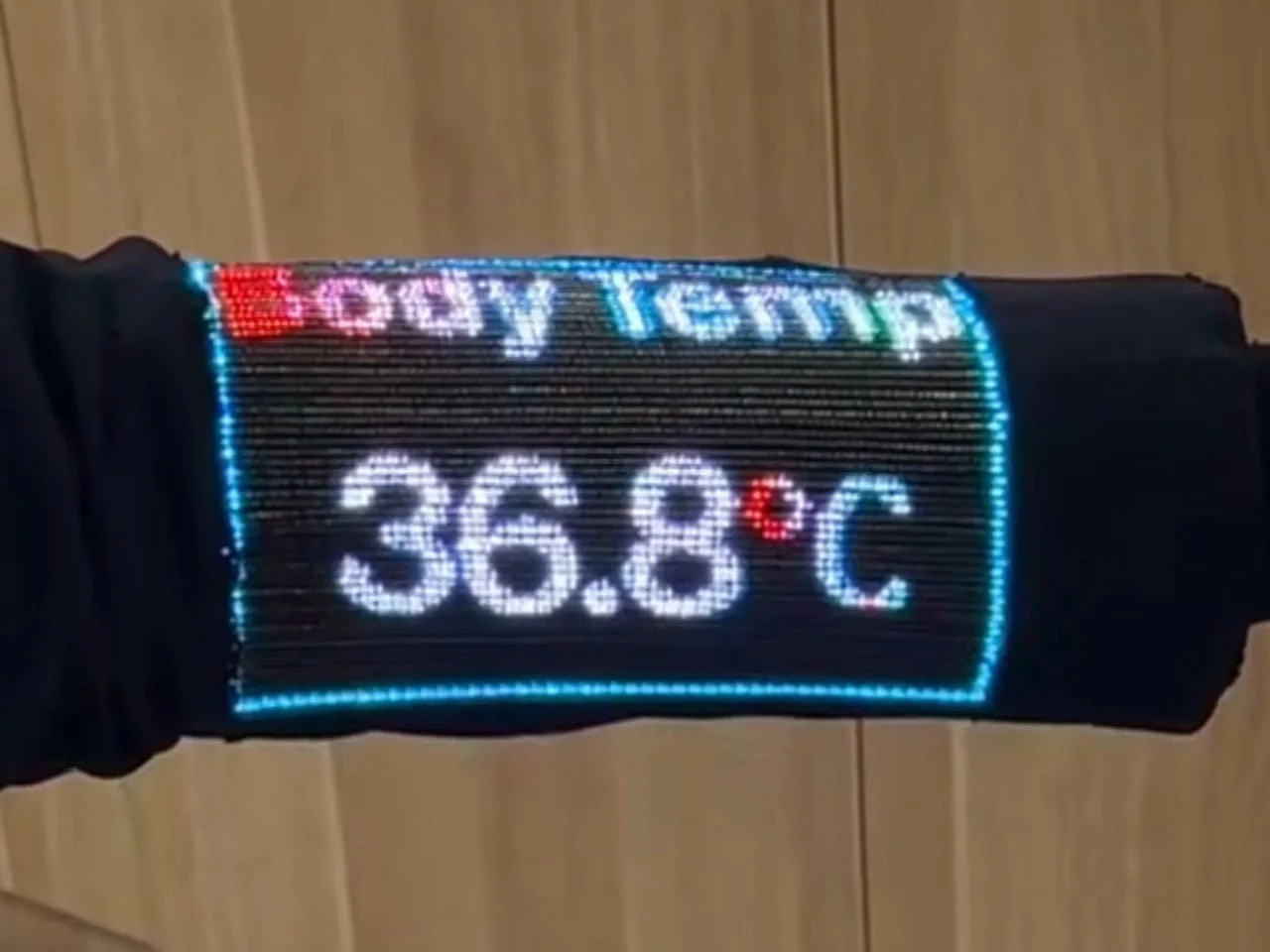
This is not a screen laminated onto cloth. The electronic functions sit within the fibers, while a touch-sensitive layer detects input and activates the relevant pixels. That design could make the interface feel more integrated with a garment, though it also means the fabric has to do several jobs at once: display content, register touch, and bend with the wearer. The system can also display body temperature readings, suggesting a possible role in health monitoring alongside its interface functions. A reading on a sleeve, however, is only useful if the sensing and presentation fit a real need.
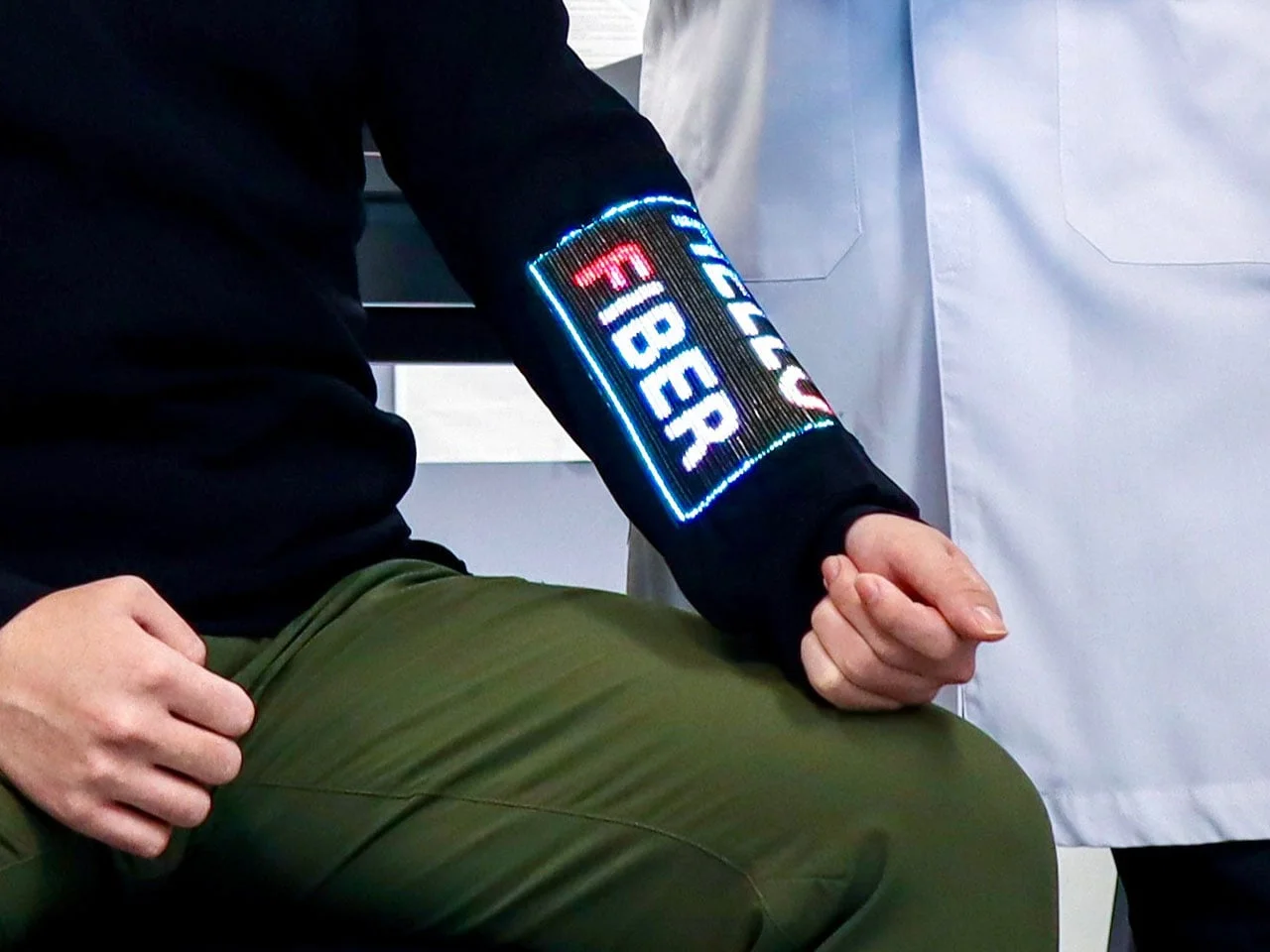
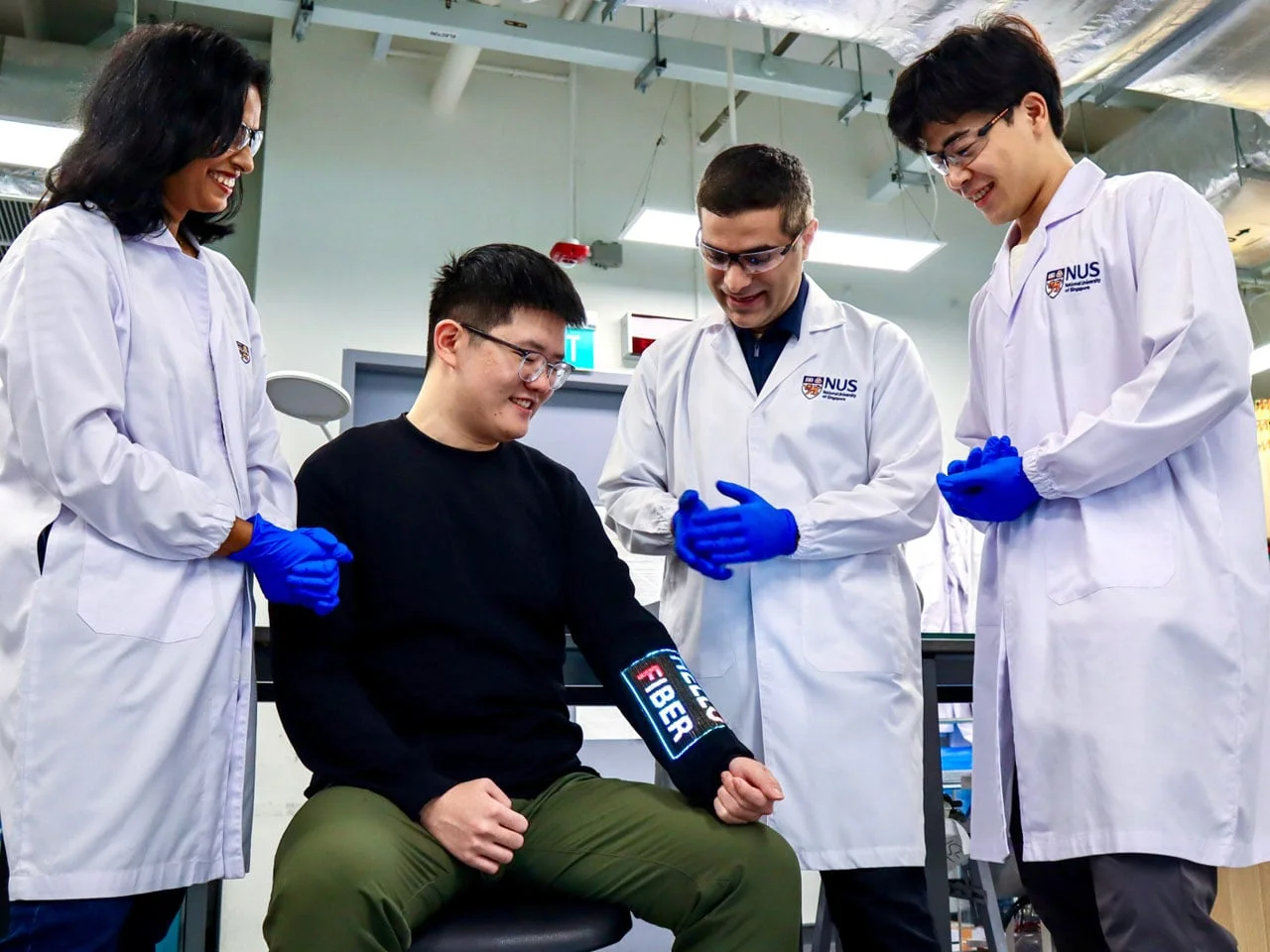
“What made this possible was our ability to construct the GUI system from electronic building blocks in fibre form — similar to traditional yarn, but with the sophisticated electronic functionality built directly into the fibres,” Khudiyev said. The resolution remains low, so the prototype is better understood as a compact information surface than as a replacement for a phone display. That limitation helps define a plausible use: showing simple prompts or readings, rather than asking a sleeve to carry dense text or detailed graphics. This is more significant than it looks, but the engineering achievement doesn't settle the harder question of whether people will find a reason to wear it.
Washability will matter as much as the display
Wearable electronics only make sense if they tolerate routine use. The researchers report that display performance and touch sensitivity remained almost unchanged after 50 machine-washing cycles and 1,000 bending cycles. They also describe the garment as flexible and breathable, qualities needed for everyday wear. These are useful durability checks because clothing gets folded, stretched and washed in ways a device screen ordinarily doesn't. Still, the reported tests describe a prototype's performance under specific conditions; they don't tell us how it will fare across different garments or long periods of use.
The next test is usefulness
NUS has not announced a release date. For now, the prototype’s significance lies in showing that a garment can combine display, sensing and touch input in its fibers. Its next test is whether that capability can become useful clothing people will wear, wash and rely on every day. Here's the thing: an interface can work in a demonstration and still feel unnecessary in a wardrobe. If you're working in this space, the practical questions are familiar: whether the display is readable when the sleeve moves, whether touch input feels reliable, and whether the added electronics remain comfortable through ordinary wear.
And this is the part most people overlook: putting electronics into fibers changes the product problem as much as the engineering problem. The garment has to be cared for like clothing, while its interface is expected to behave like a device. That means performance, comfort and maintenance all shape whether the idea earns a place in daily routines. The early results are promising on durability, but the modest resolution and limited information in the announcement leave its everyday role open. A compact status display may be enough for some tasks. For others, a conventional phone remains simpler.
Designers: NUS
The post Your next touchscreen device will not be made from plastic, it will be woven into the sleeves first appeared on Yanko Design.



Discussion
Sign in to join the discussion.