MIXO imagines a removable AI display that shifts between a desktop base, wrist strap and smartphone, though key details like battery life remain unanswered.
A detachable screen for an AI companion
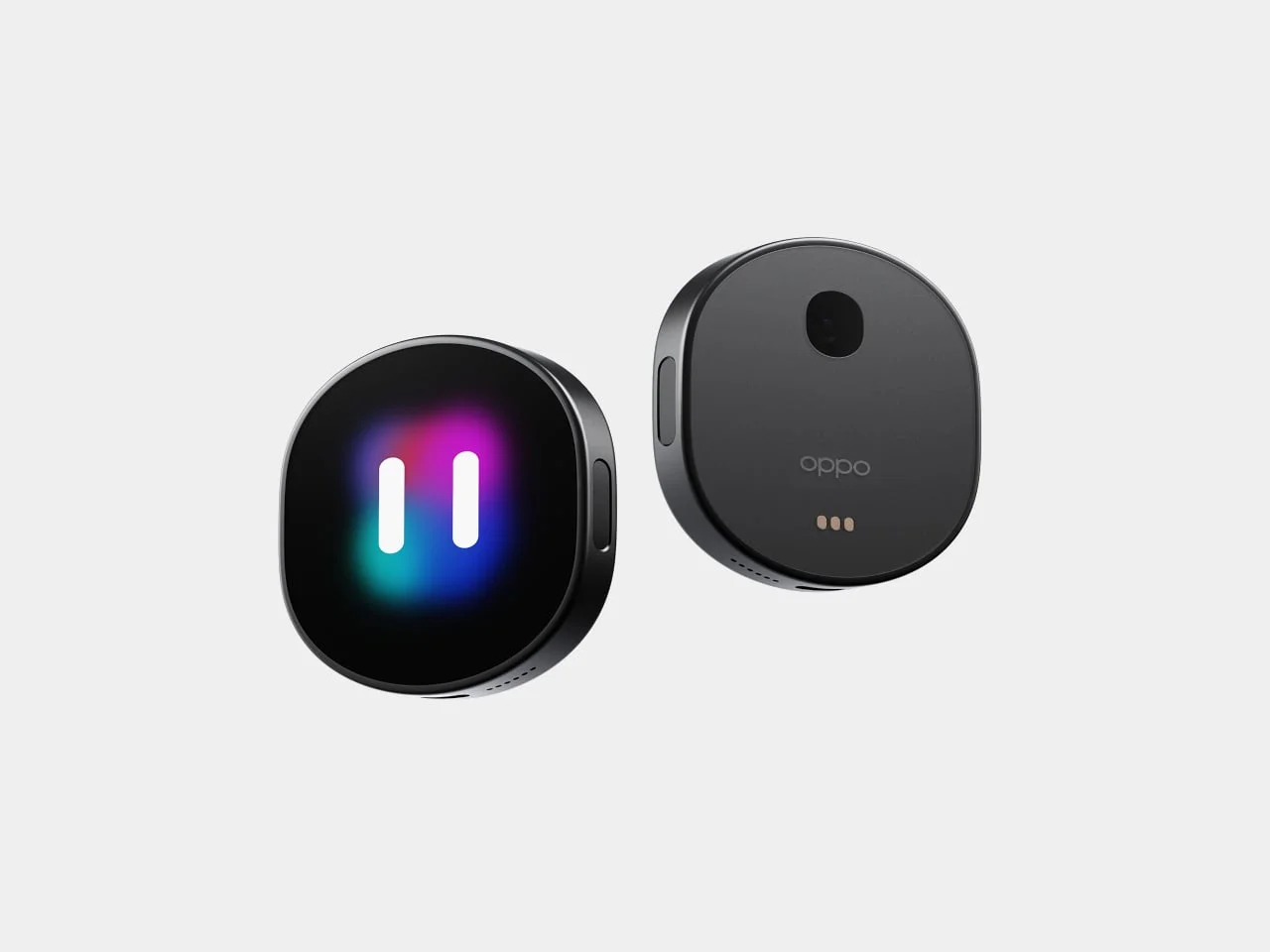
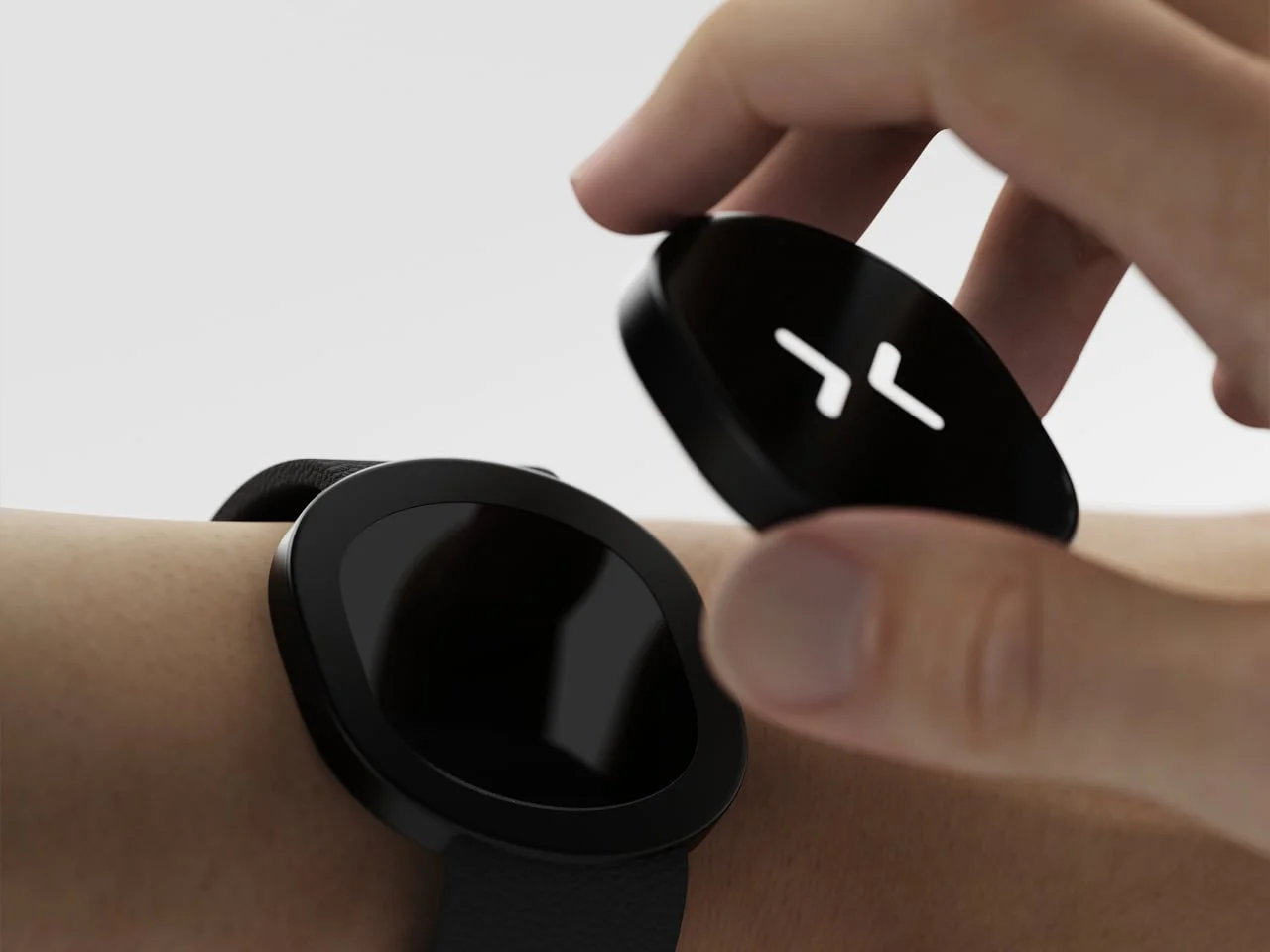
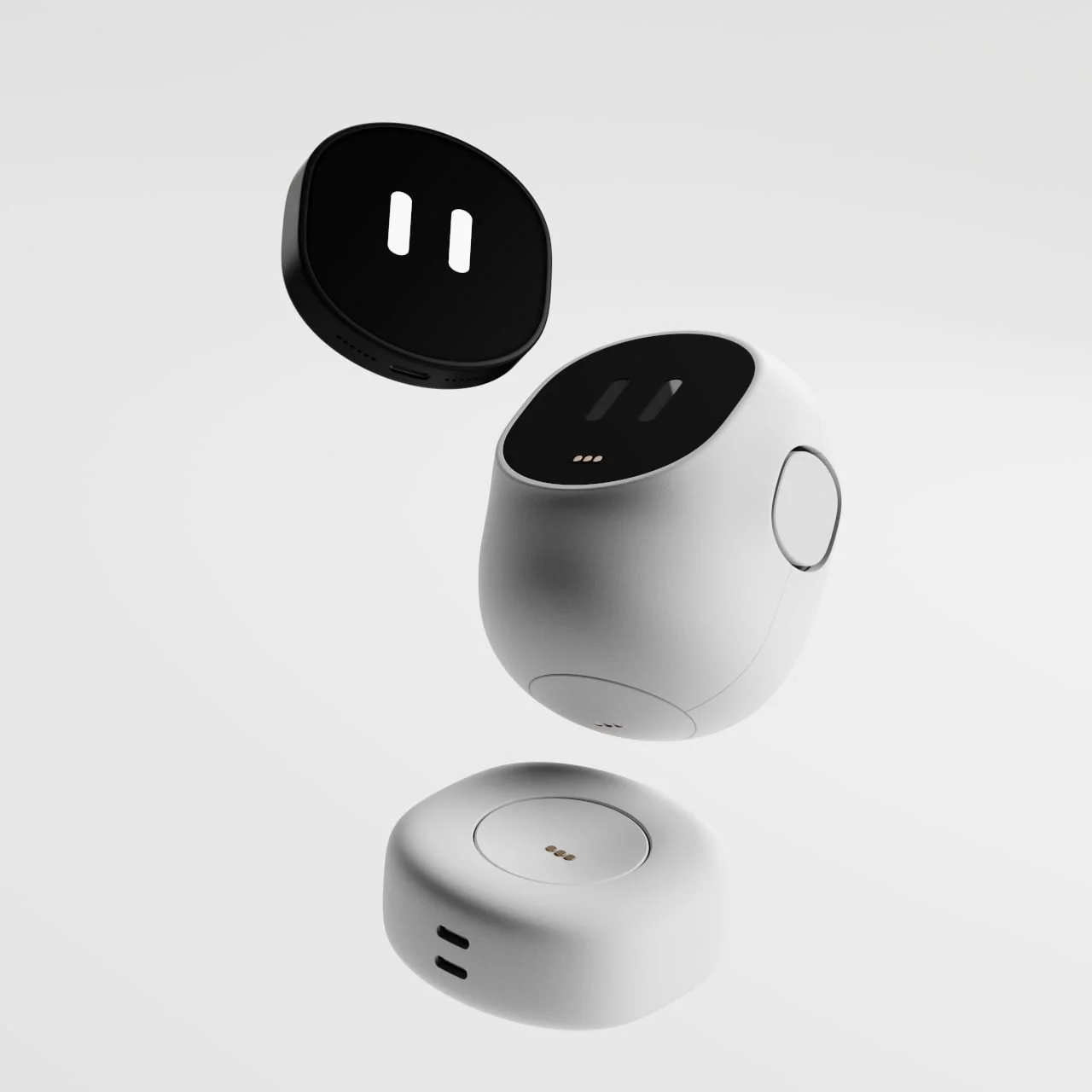
MIXO’s central idea is simple: keep an AI companion’s screen useful beyond the desk by letting it detach from its larger body. The concept moves the same rounded-square module among a desktop base, a wrist strap and the back of a smartphone. That portability gives the design its point of view, though the details needed to judge it as a product are still missing. It’s a familiar design ambition in a new outfit: make one device follow its owner between different parts of the day. The unanswered question is whether the screen can do enough in each setting to justify being carried from one to the next.
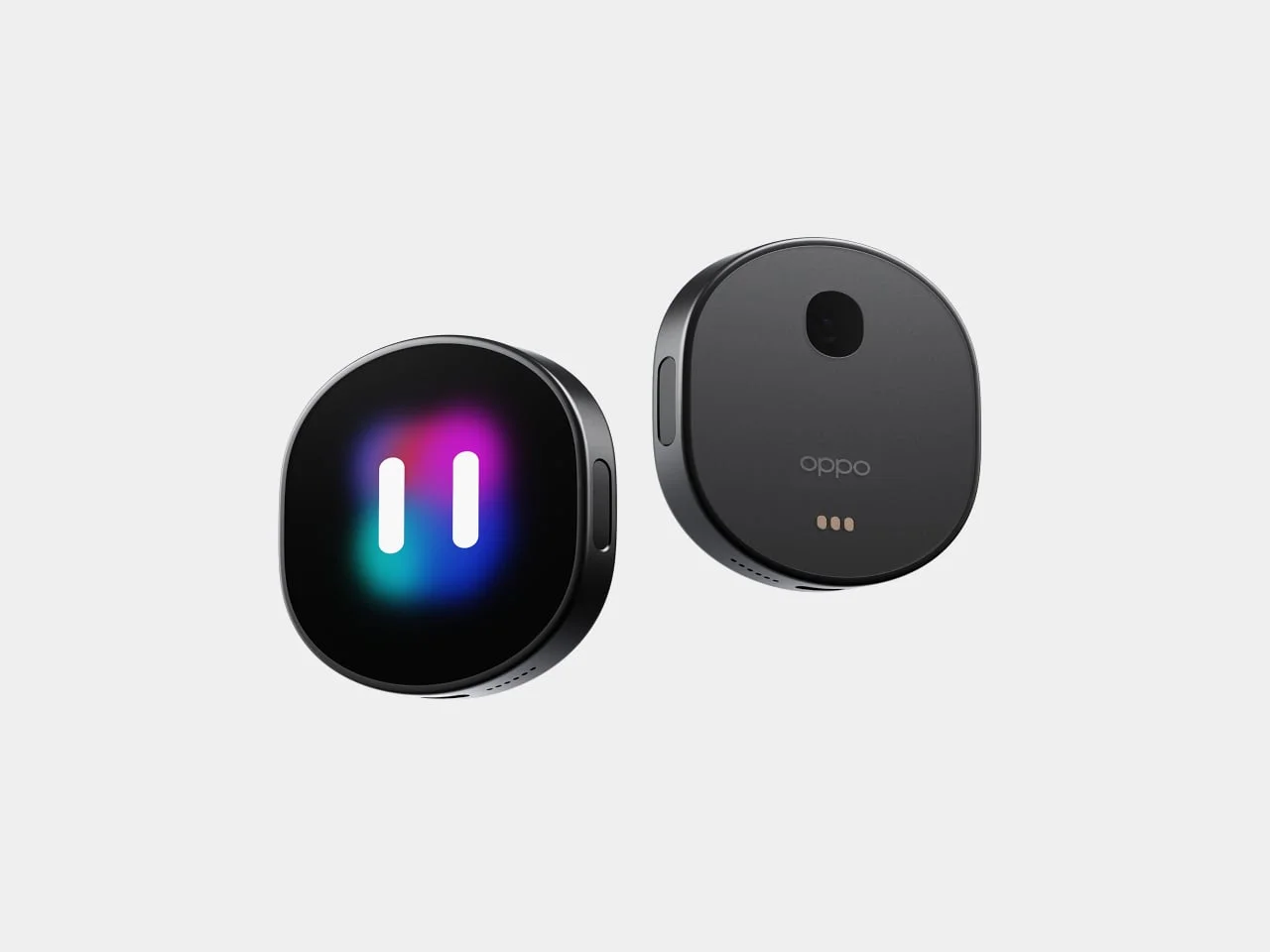
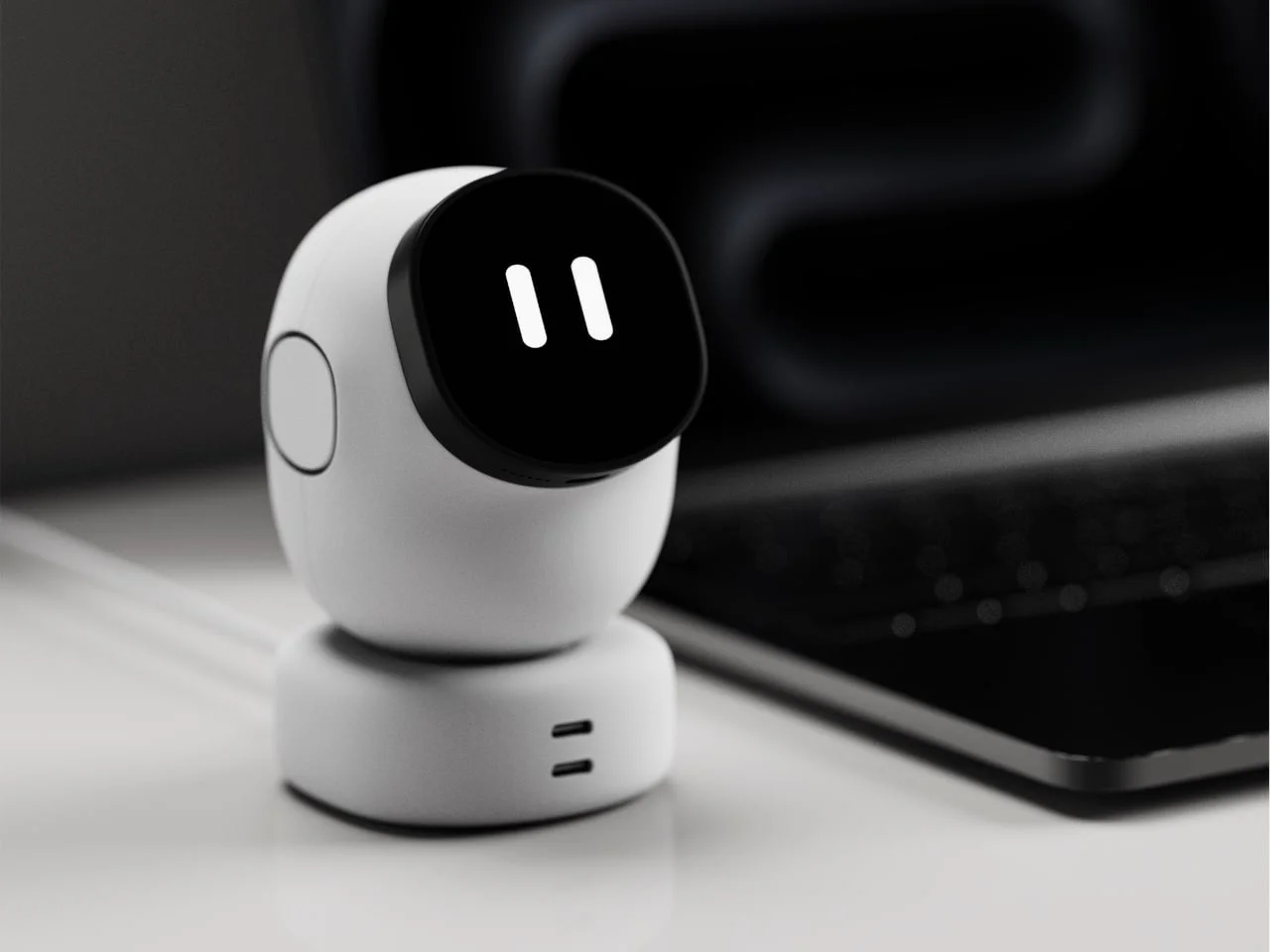
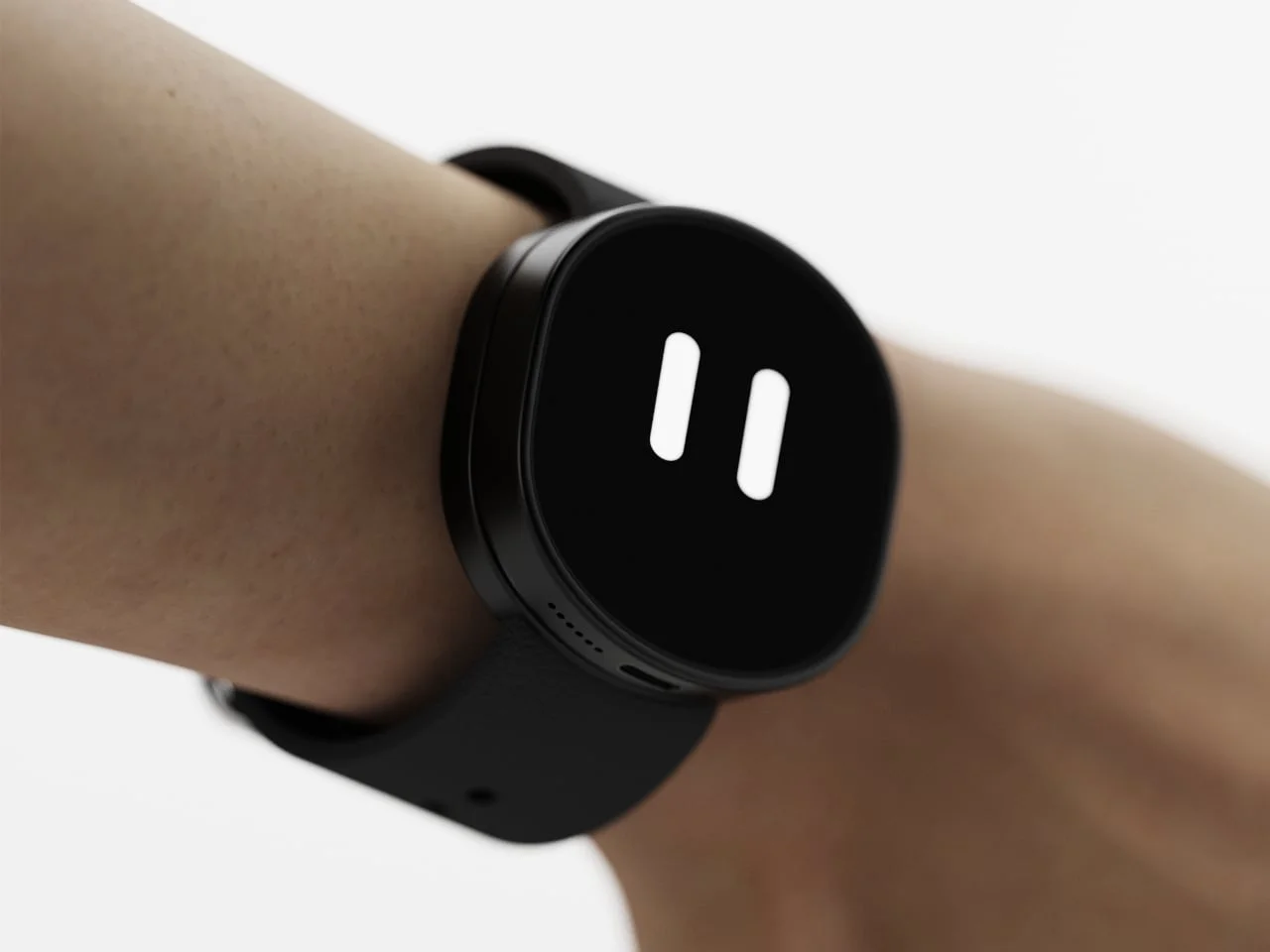
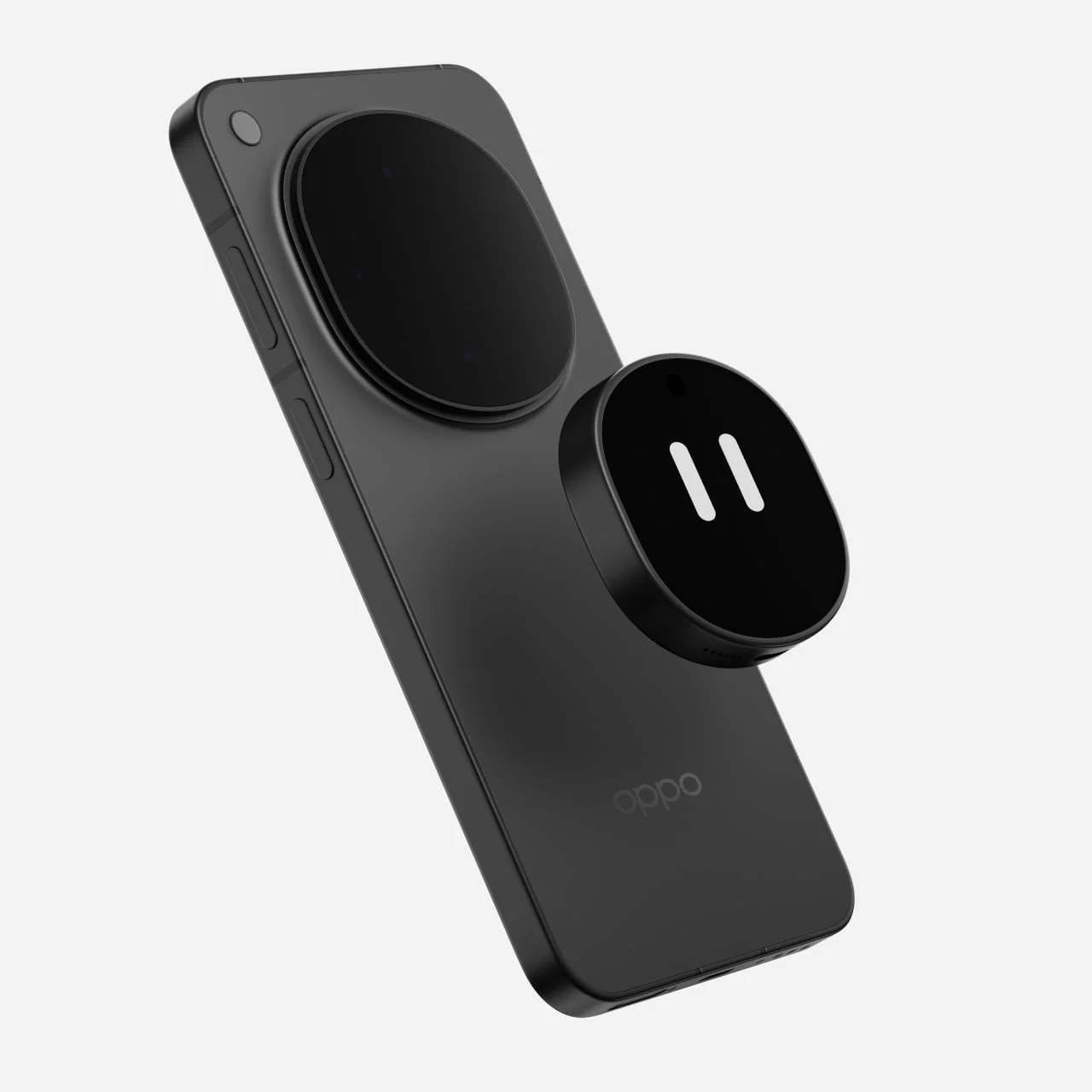
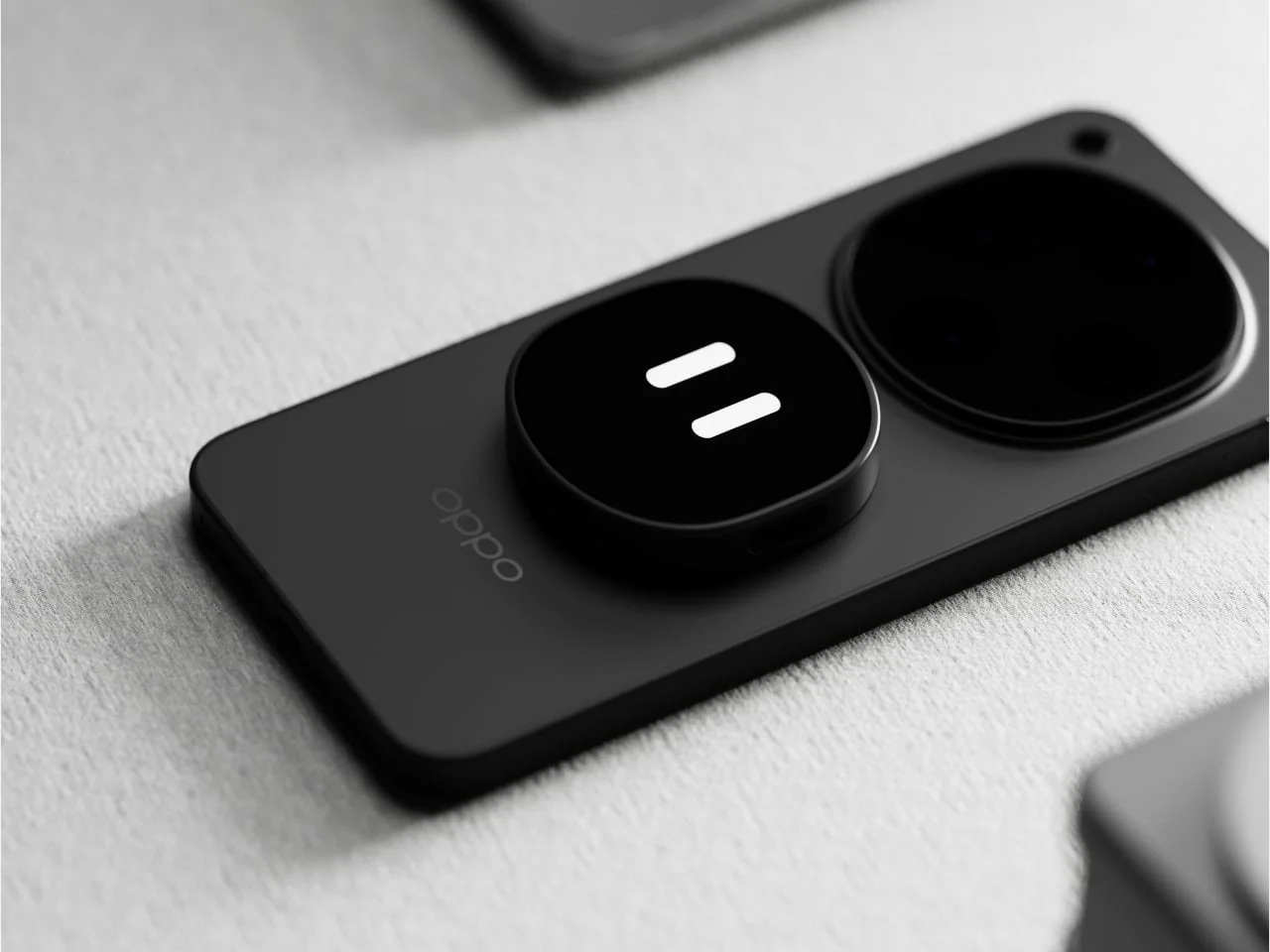
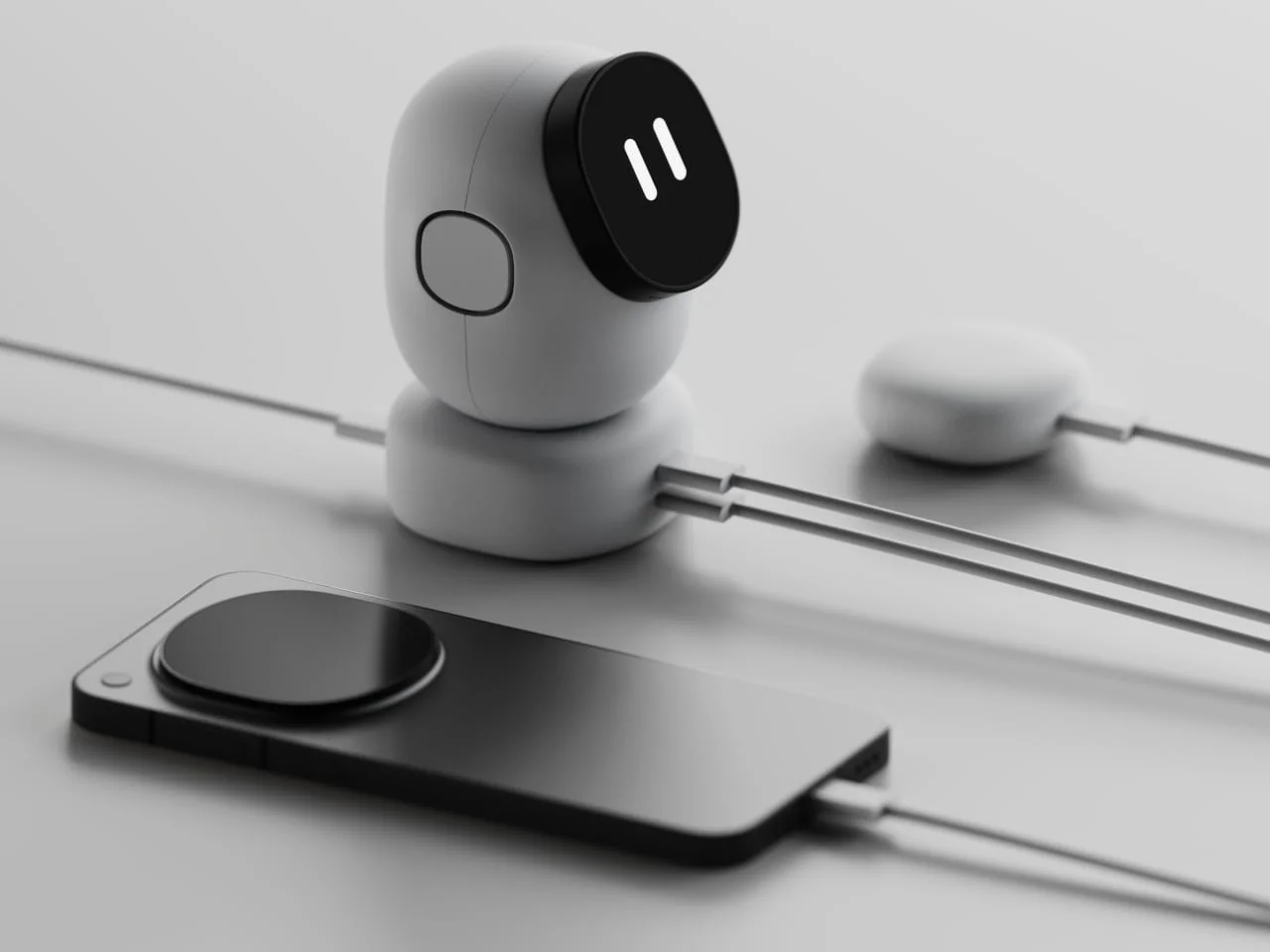
MIXO is an independent concept and has no official association with OPPO, despite the branding. Designer Jimmy Zhang gives the module a dark face, two white bars for eyes and a patch of soft color. The motif carries over to the phone’s camera surround and the desktop mount, tying the pieces together through shape and expression. That consistency helps the collection read as one product family, rather than a screen paired with unrelated accessories. The face also gives the assistant a visible presence, which may make its status easier to read at a glance. But visual warmth can’t answer practical questions about privacy or reliability.
A desktop role beyond conversation
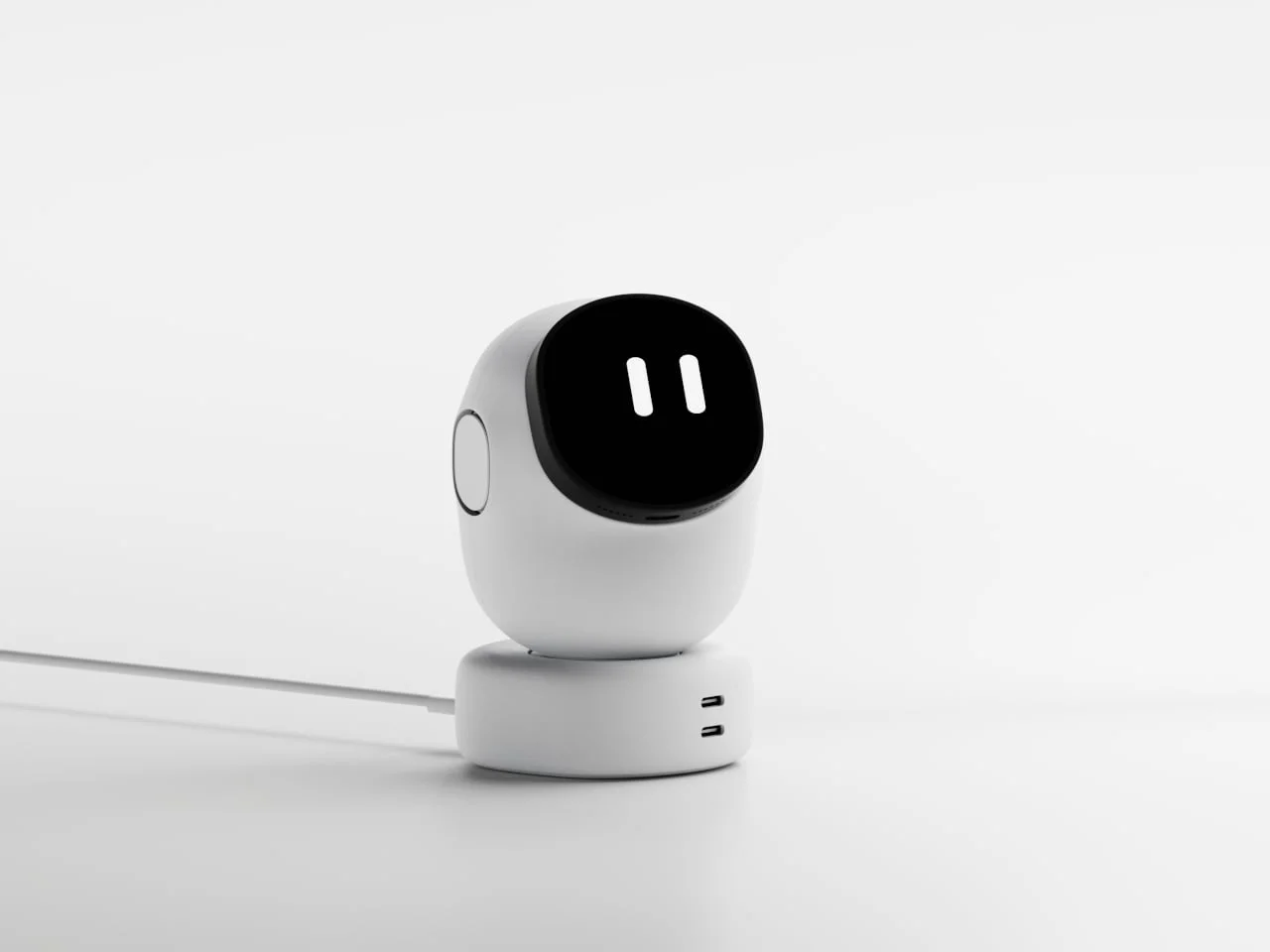
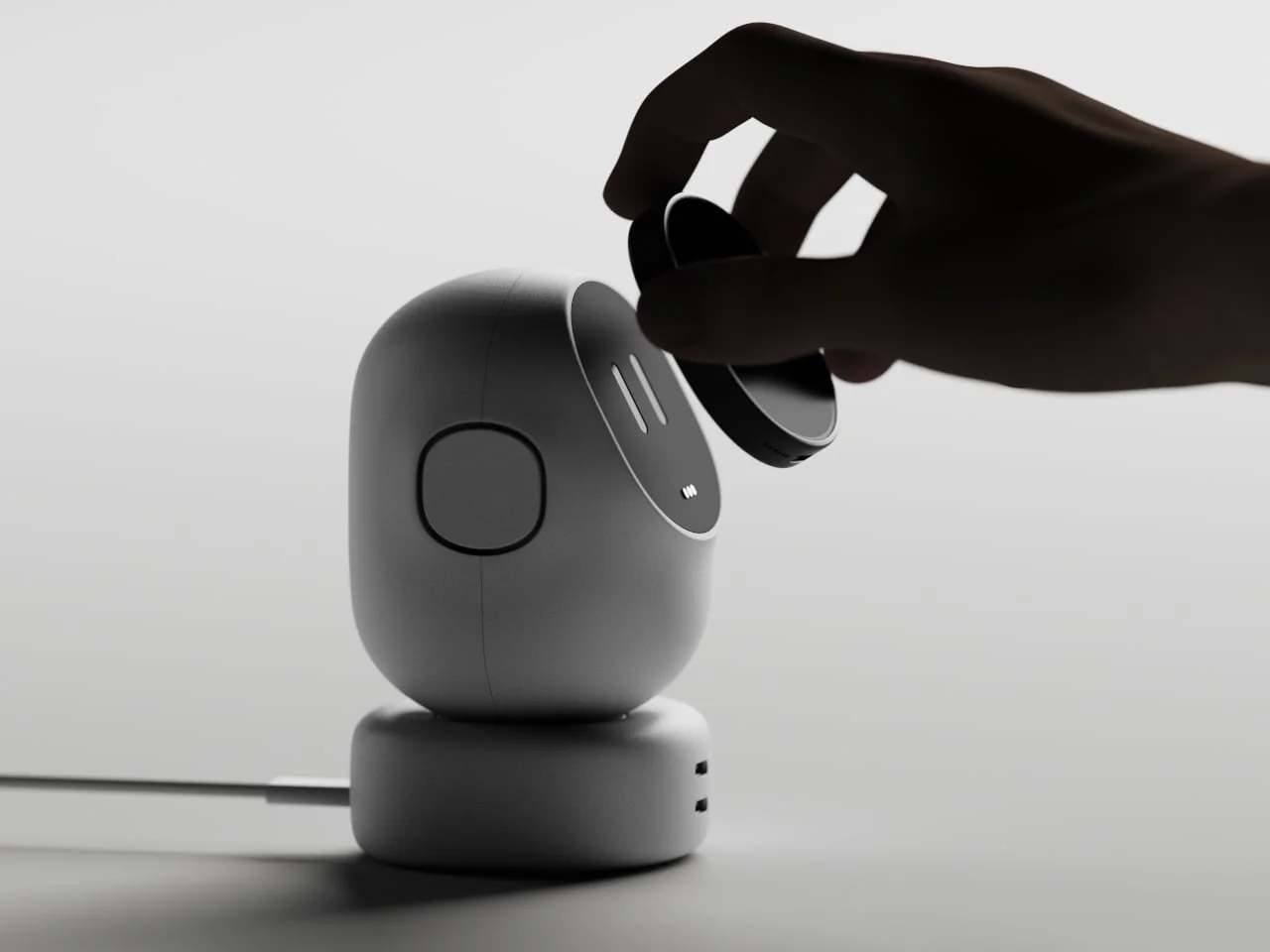
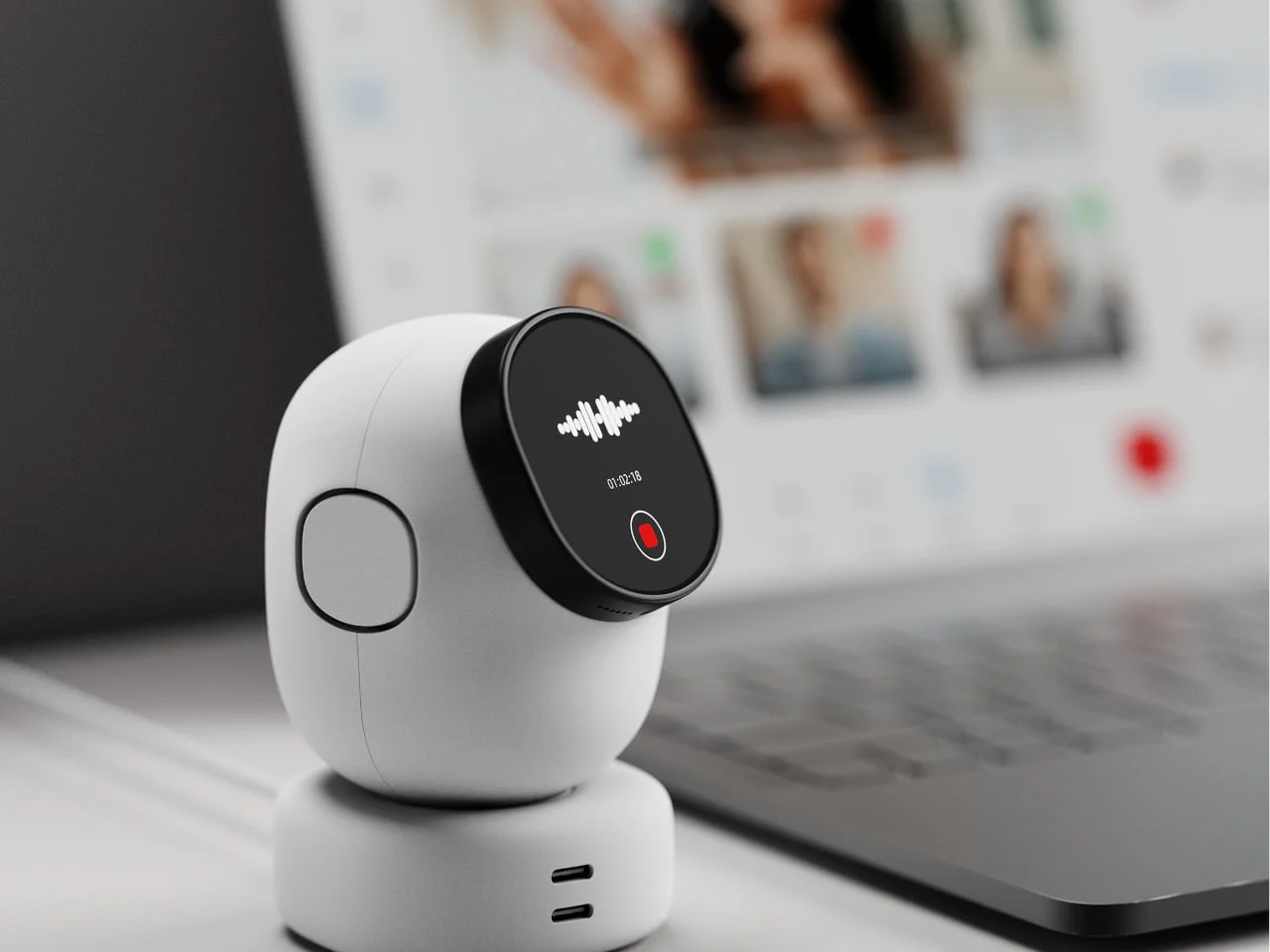
At a desk, the module docks onto an egg-shaped body set on a separate charging base. Its screen tilts upward, making it easy to glance at beside a laptop. The larger body stays put when the display leaves, so the mobile piece doesn’t have to carry the desktop hardware along with it. That division suggests two roles: the stationary base supports use at a desk, while the smaller screen travels. The arrangement could make sense if the base supplies functions or power that would be cumbersome to carry, though the concept doesn’t specify what those are. As drawn, the dock also gives the screen a clear place to return to between uses.
The proposed meeting-recording interface gives the docked display a practical job: show a waveform, elapsed time and a stop control without taking over the laptop screen. It’s a restrained interface choice. A small companion display can be useful when it keeps a recording’s status visible without demanding another full app window, and a clear stop control matters when audio capture is active. MIXO also outlines real-time translation and visual recognition. It offers no information about the models behind those features or evidence of how well they work, so those remain ambitions rather than demonstrated capabilities. If you’re working in this space, the distinction matters: a concept image can show where a feature might fit, but it can’t show whether it’s dependable in a meeting.
One module, three settings
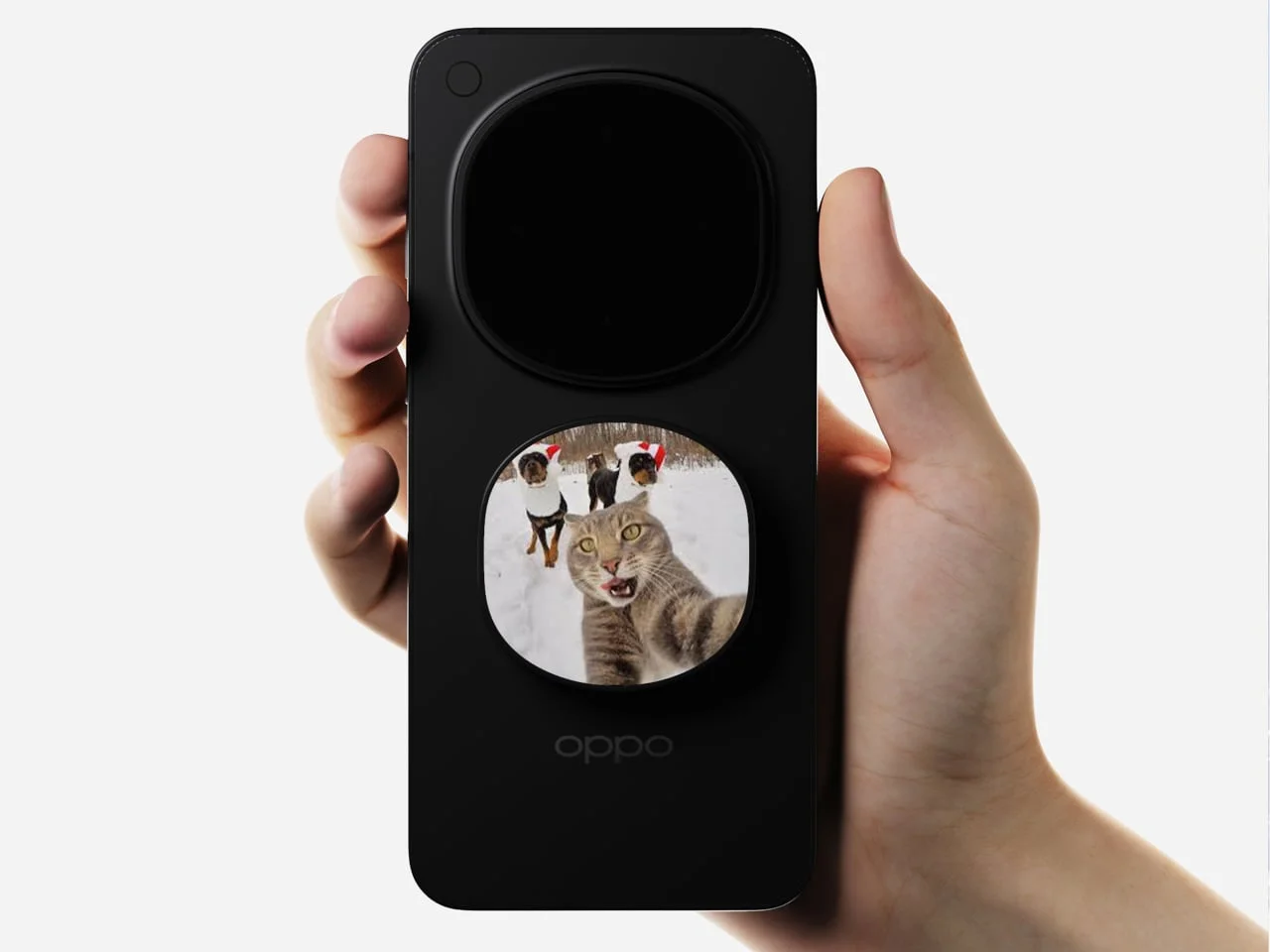
Attached to the back of the proposed phone, MIXO’s display acts as a rear-camera viewfinder. It could help frame a selfie while looking toward the lenses, with the screen positioned below the camera housing. The concept doesn’t say whether the module works with any existing phone. That omission leaves the phone use case hard to assess: a detachable screen needs a stable attachment and a way to communicate with the handset, and neither is described. A rear viewfinder is an understandable use for a small display, but its appeal depends on how quickly and reliably it can connect.
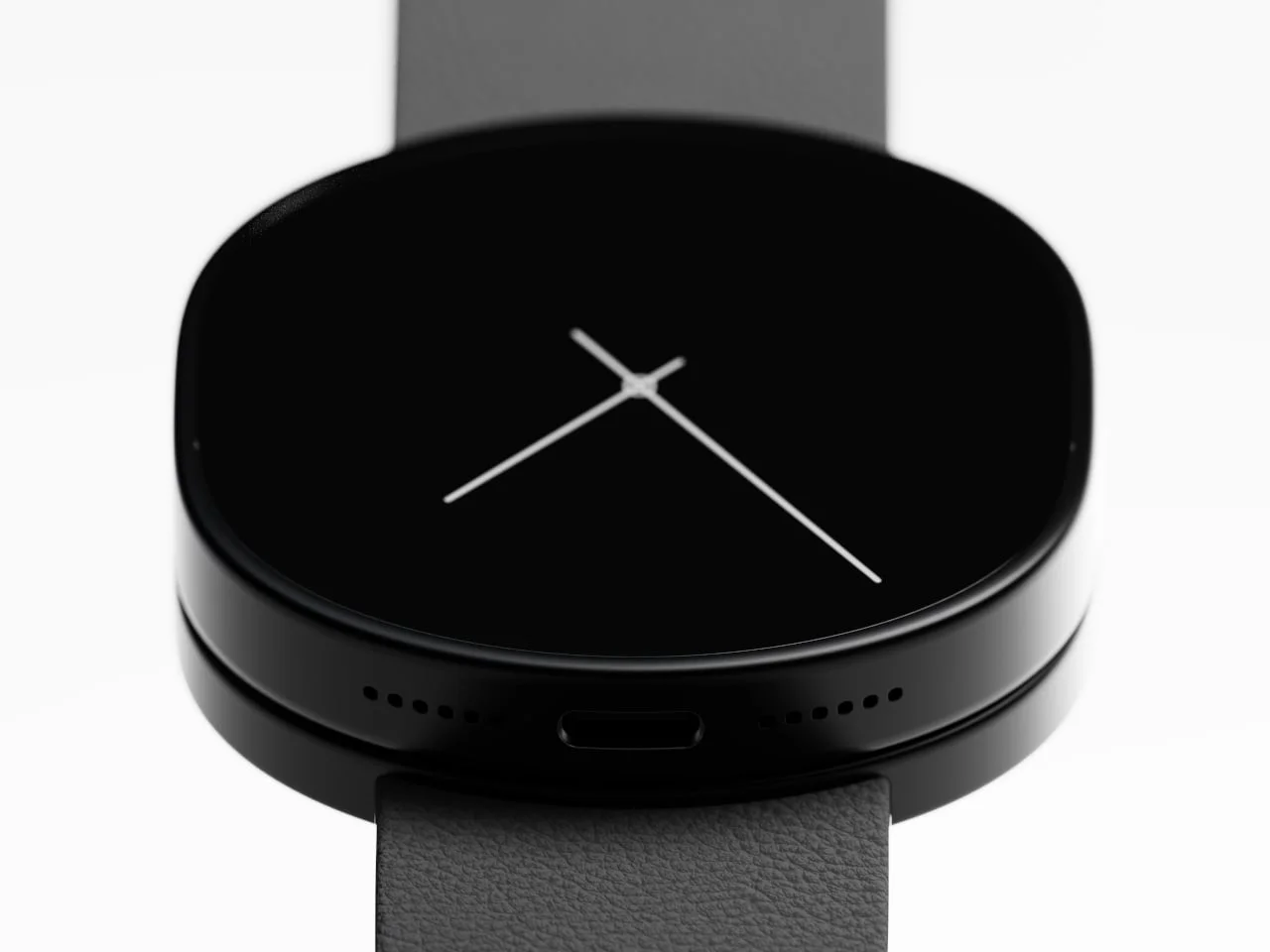
A buckled wrist strap and dedicated holder turn the screen into a watch-like companion. The pictured interface includes an analog-style clock, giving the device a familiar use between AI tasks. The concept specifies no fitness or health features, and leaves the module’s size and weight unknown. That matters because a wrist-worn device has different demands from a desk display: comfort, visibility and ease of use become part of the basic proposition. Without dimensions or a weight, it’s difficult to tell whether the module would feel like a convenient glanceable screen or an awkward object to wear. The watch-like role is suggested; its day-to-day practicality isn’t established.
The engineering questions behind the concept
The appeal lies in carrying one interface across settings instead of juggling separate devices. Making those transitions reliable is the harder design problem. MIXO leaves its connection method, battery life and data handling unspecified, raising practical questions about charging and recorded conversations. A portable screen must remain useful while detached, then reconnect predictably when it returns to a base or phone; the concept doesn’t explain how that would happen. This is more significant than it looks. A personable screen can make an assistant feel approachable; it can’t explain where meeting audio is stored.
That said, the missing details don’t erase the value of the design question MIXO raises: can a single AI interface earn a place in several everyday settings? The concept’s answer is physical portability, with a screen that shifts from a desk to a wrist or phone. The harder answer will depend on whether each setting offers a clear benefit, rather than simply a new place to display the same assistant. And this is the part most people overlook: every change in setting adds a connection, charging or privacy question that the design has to resolve. The concept gives those questions a compelling form. Still, form is the easy part.
There’s no release date to anticipate: MIXO remains a design concept. Its clearest proposition is the detachable display, which can leave the desktop body behind for a meeting and return to its dock later. Whether that flexibility works in daily use will depend on the engineering and privacy details the concept hasn’t yet supplied. For now, the strongest case for MIXO is its clear visual language and its attempt to give one assistant a portable face. What this means for you depends on whether you want an AI companion to be a separate object at all. A promising sketch, with the product questions still open.
The post MIXO AI Companion Concept Gives an AI a Detachable Face first appeared on Yanko Design.


Discussion
Sign in to join the discussion.