MyGlamper’s three hitch-mounted tents sleep six to 12 and add a kitchen, bathroom, battery and water tank to a vehicle-based camp.
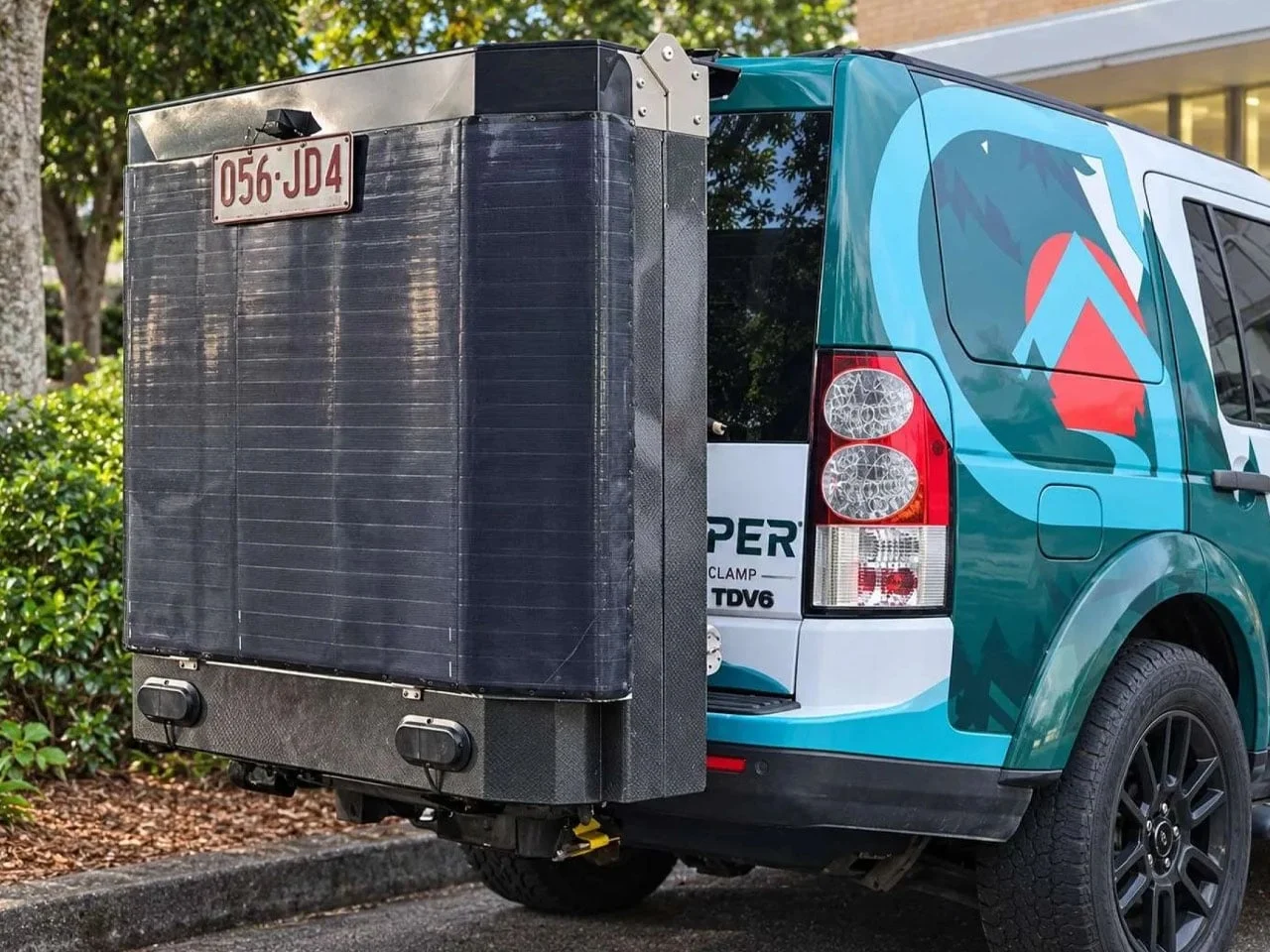
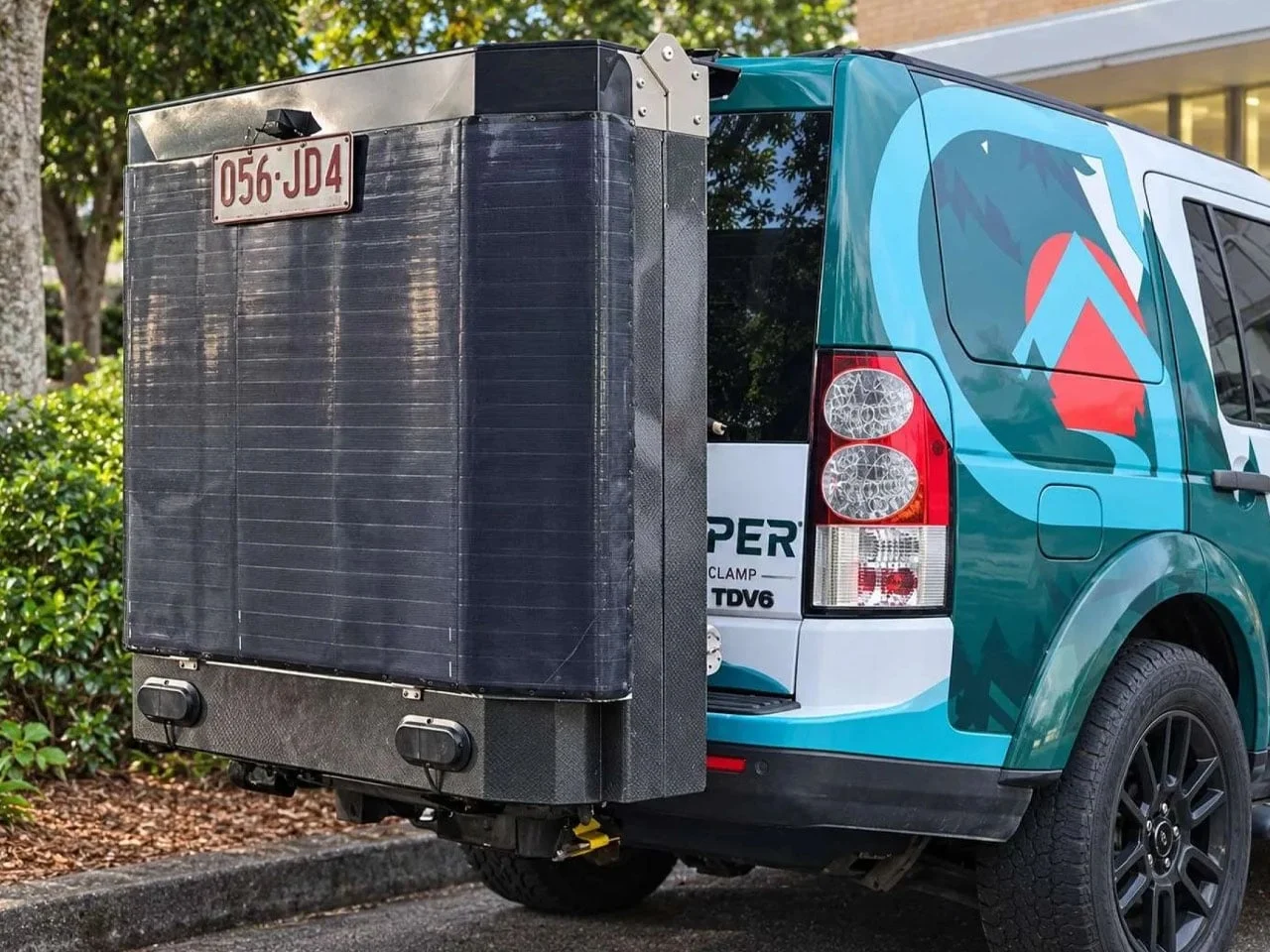
A hitch-mounted cabin with room for a crowd
MyGlamper’s pitch is ambitious: turn a vehicle’s hitch into the base for an inflatable cabin that sleeps as many as 12. The Australia-based company offers three models, but the largest raises a practical question: a midsize SUV may carry only a handful of passengers, so filling a 12-person tent could mean meeting up with another vehicle at camp. The mismatch between sleeping capacity and passenger capacity is more than a curiosity; it shapes who can make practical use of the biggest model.
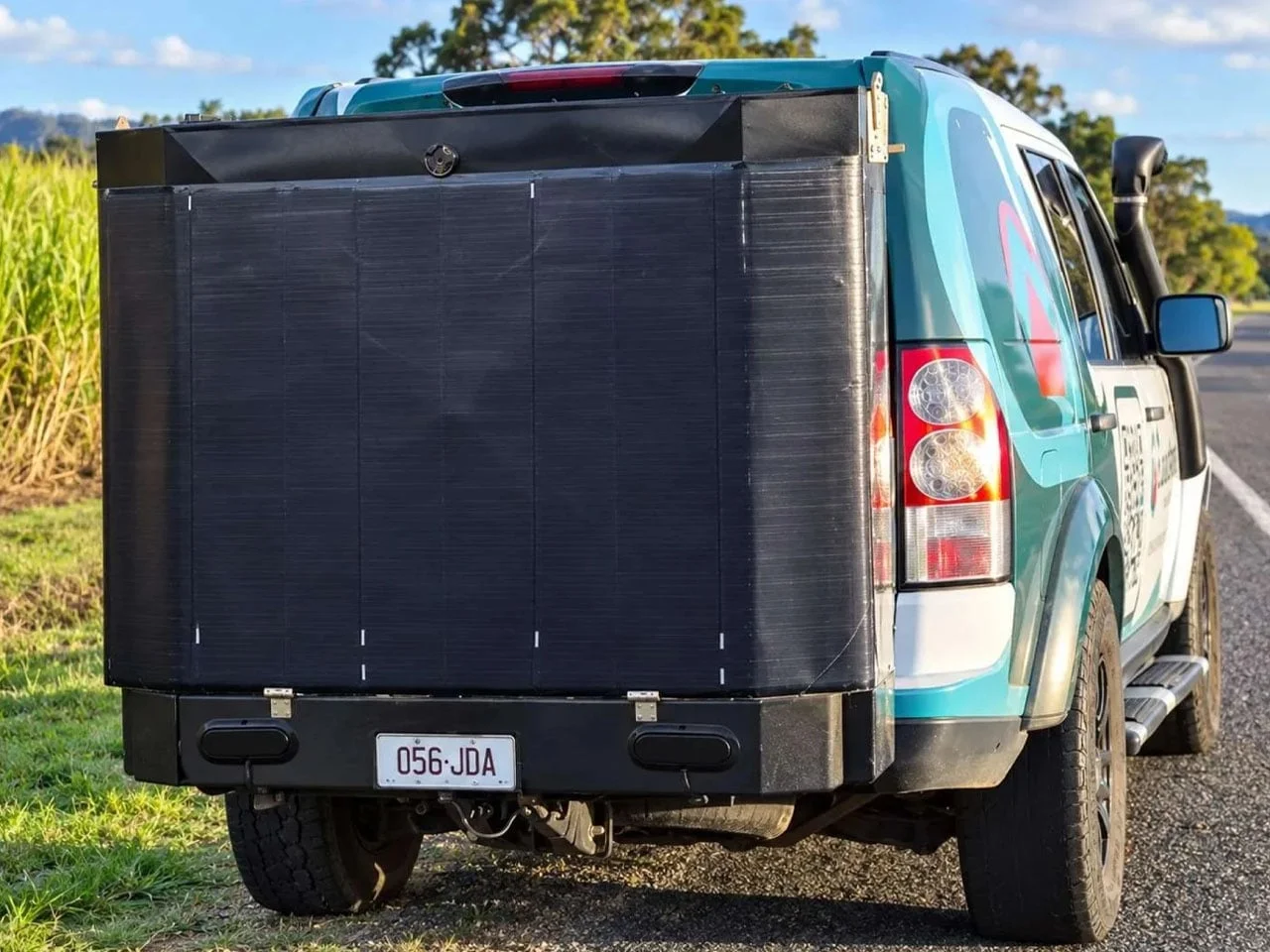
Hitch-mounted tents occupy a middle ground between roof tents and conventional camping shelters. Thule’s Outset, for example, stays attached to the vehicle and unfolds close to the ground. MyGlamper takes the idea further in scale, packaging an inflatable tent inside a hard-sided box that rides upright behind the vehicle. That format shifts the setup away from lifting a tent onto the roof, while tying the shelter to the vehicle’s rear hitch and the space around it.
That distinction matters at a campsite. A roof tent generally puts the sleeping area above the ground, while a conventional tent can be pitched separately from the vehicle. MyGlamper’s design makes the vehicle part of the shelter’s support system, although the company says each model can also be detached from the hitch. The result is a product with the footprint and equipment of a small camp room, and with some of the same vehicle constraints as a trailer.
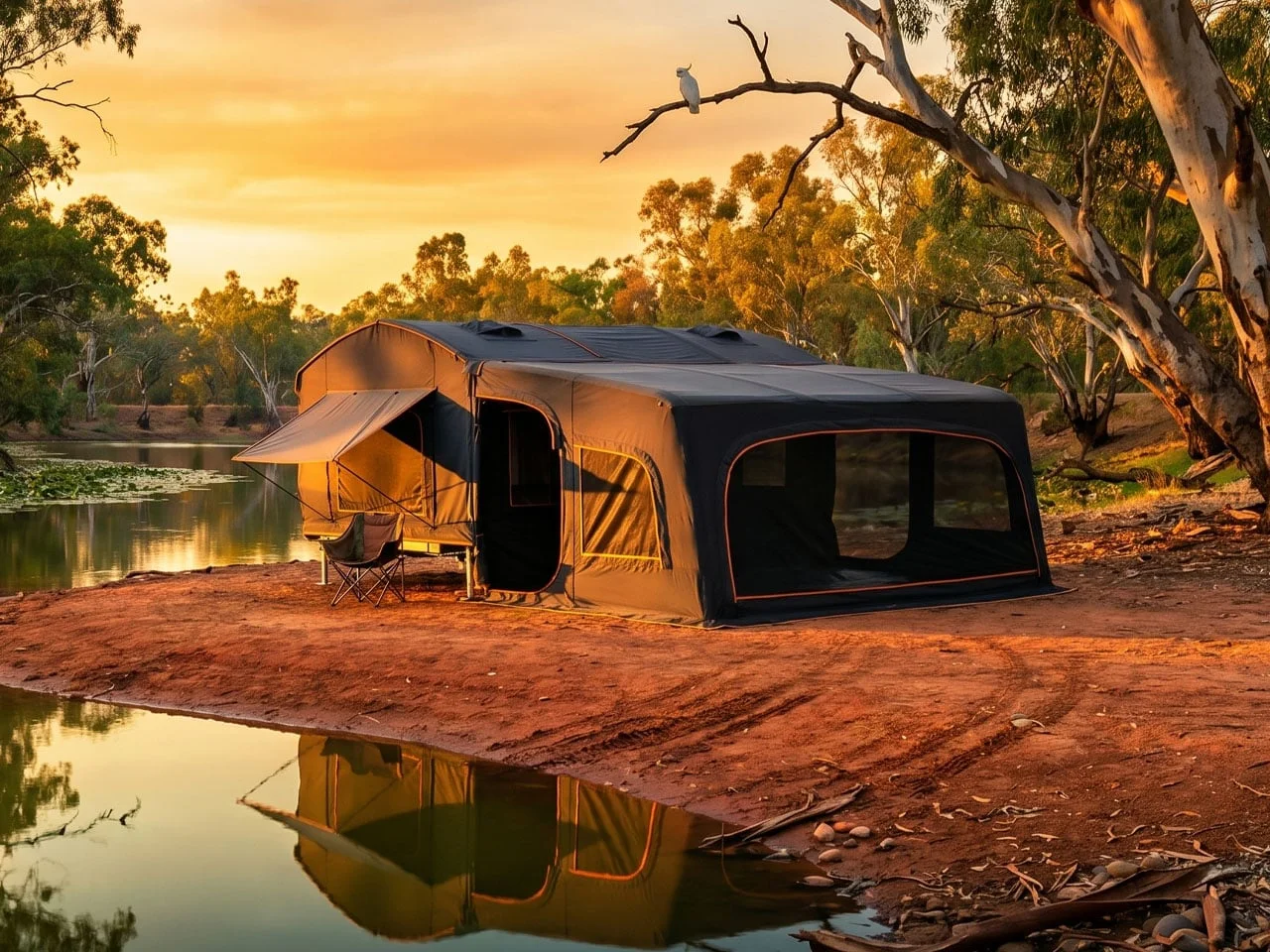
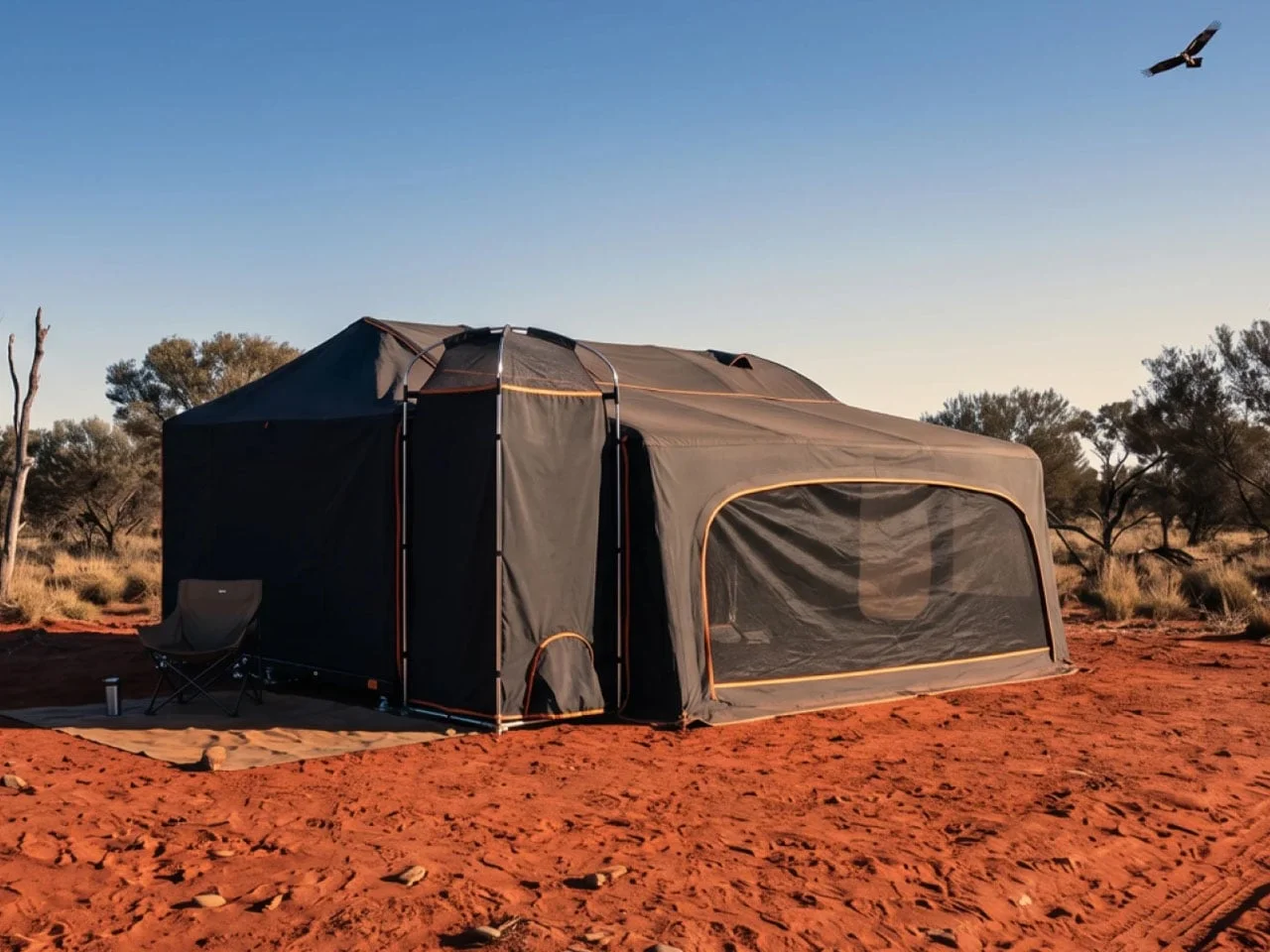
Three sizes, with a substantial price tag
The range starts with MyGlamper Lite, aimed at couples and small families, and continues with the roomier Plus for longer trips. Pro is the largest option, with automation and off-grid use in mind. The company says the models accommodate between six and 12 people. That’s a high capacity for a hitch-mounted shelter, but the headline figure doesn’t tell you how comfortably a group will sleep or how much luggage and other gear will fit alongside them.
Preorders are open for all three. Lite starts at AU$18,990 (about $13,000), Plus at AU$24,990 (about $17,500), and the 12-person Pro at AU$29,990 (about $21,000). MyGlamper is offering special founder pricing on the first 100 units. Even at the entry level, these are substantial prices for camping equipment, so the comparison is less with a basic tent than with a bundled shelter and set of amenities. The actual value will depend on how often buyers use those extras and whether the setup suits their vehicles and trips.
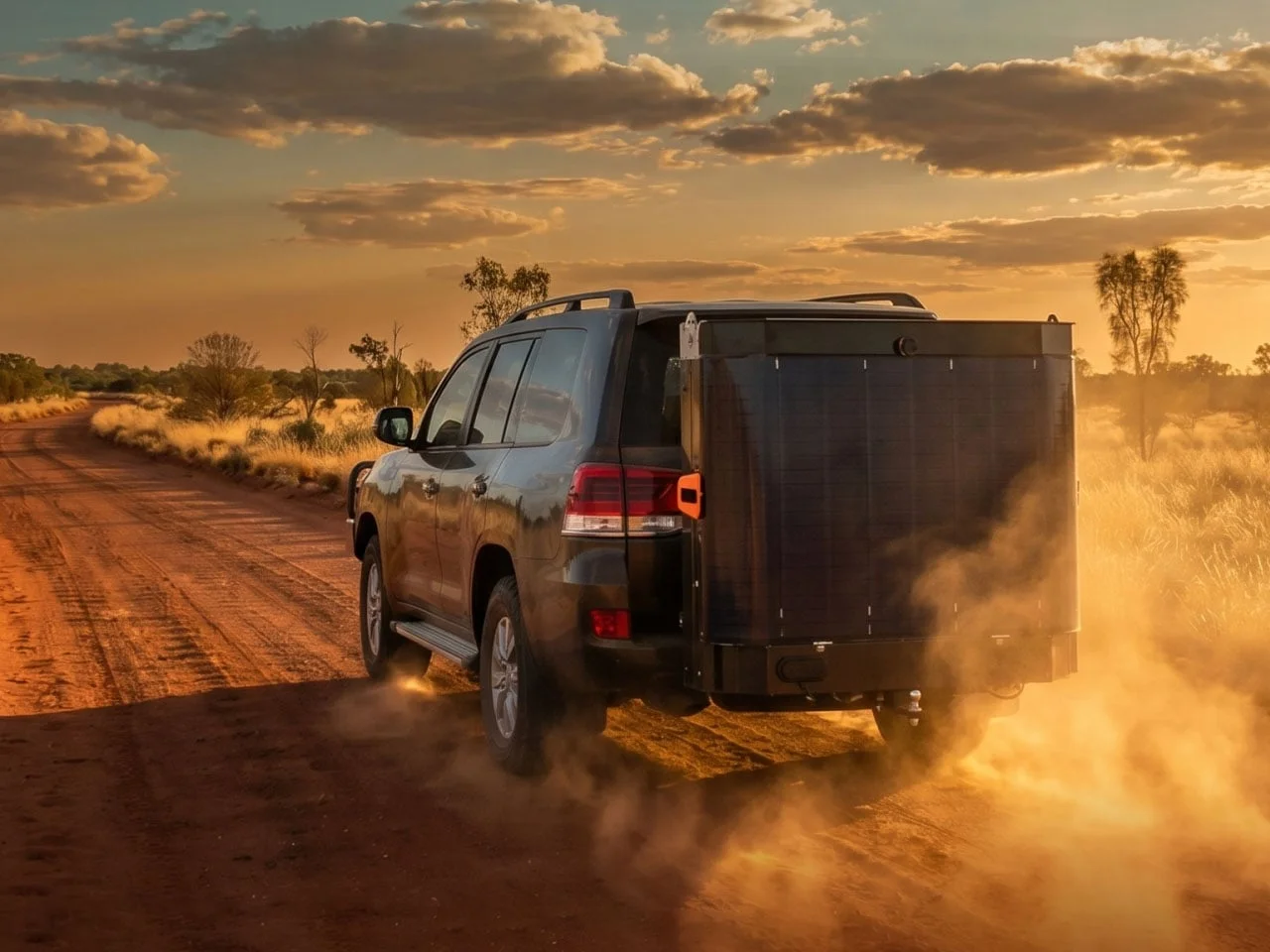
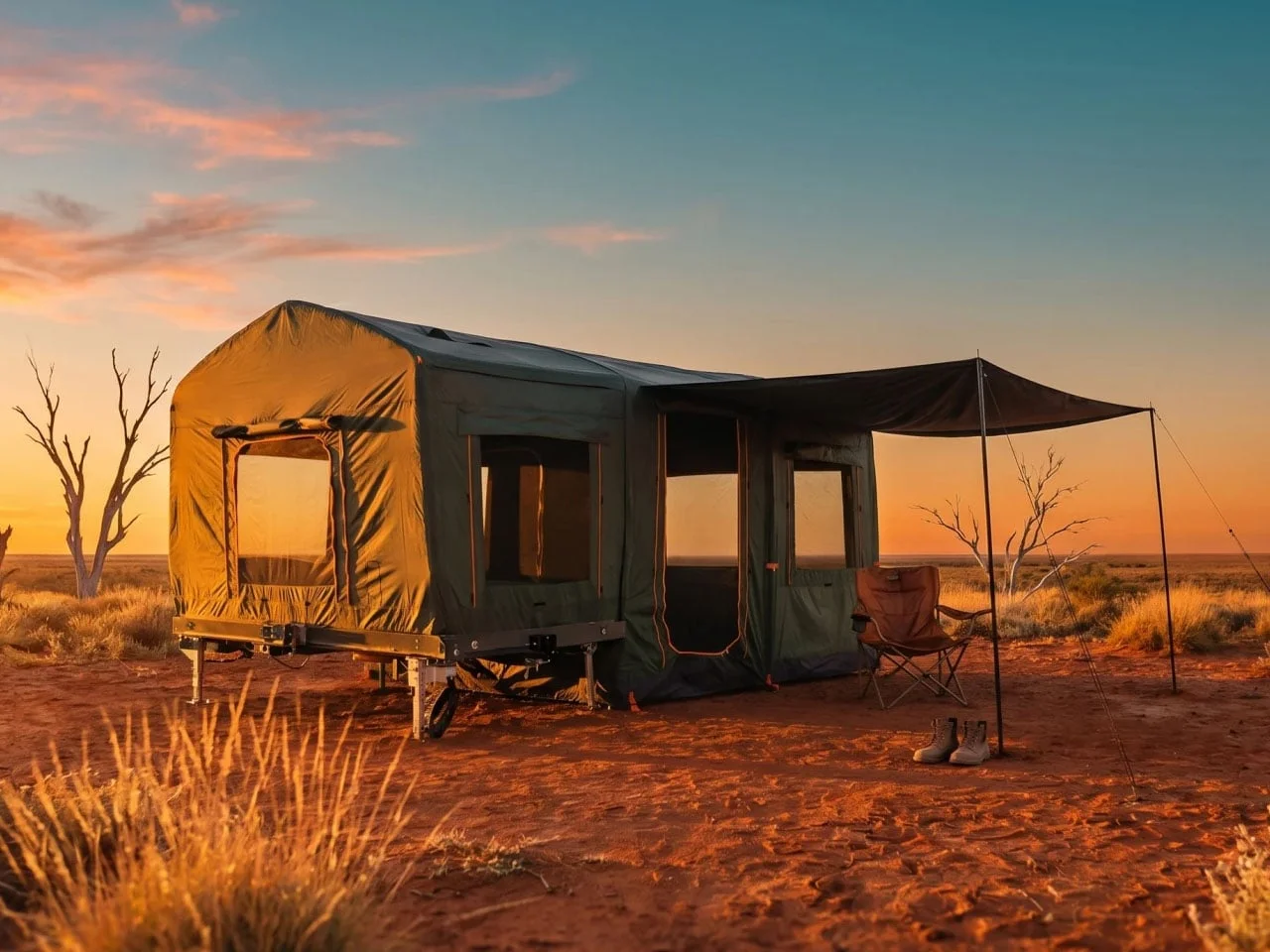
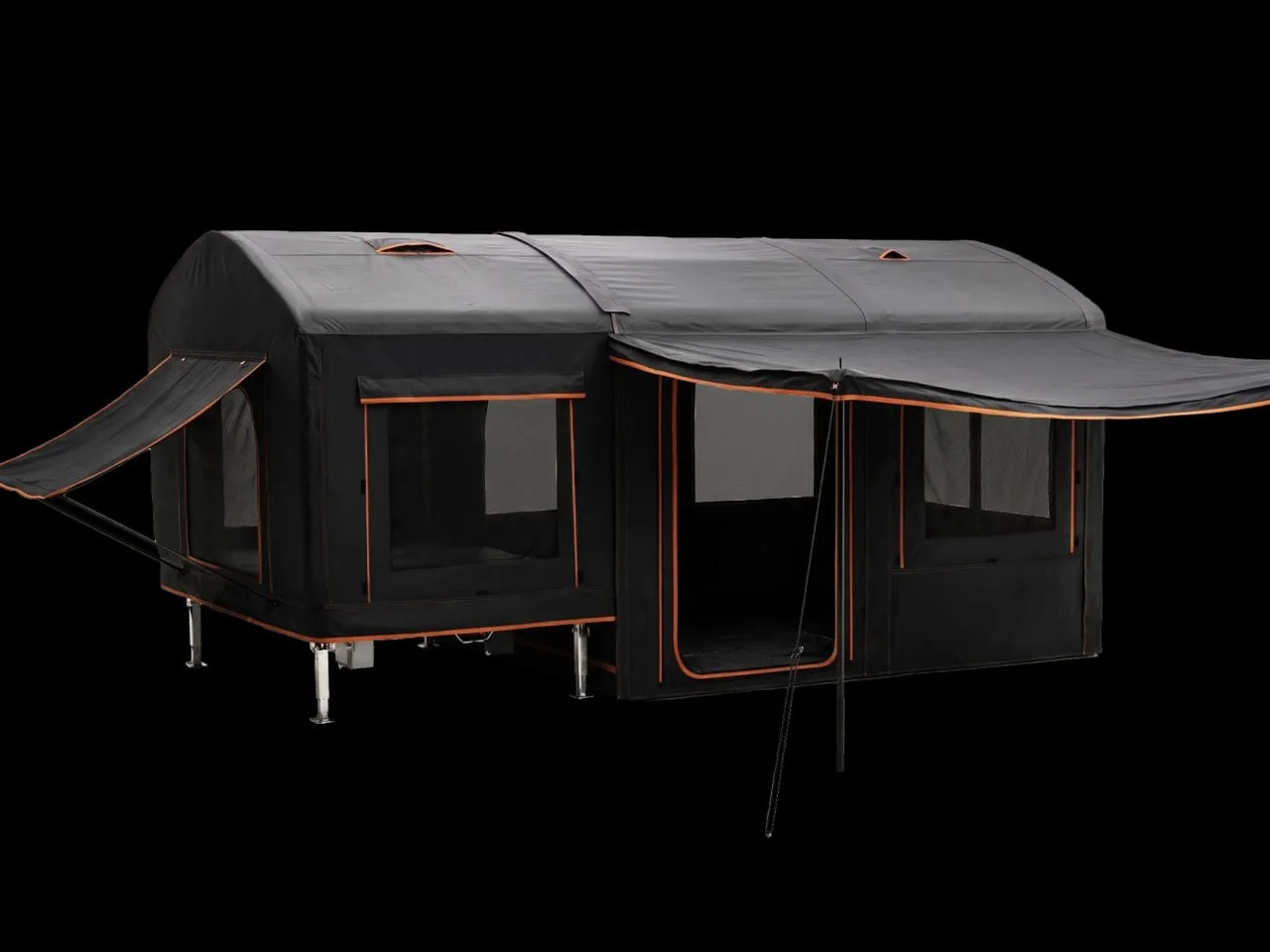
These prices buy more than sleeping space. The tents include lighting and electrical fittings, an indoor kitchen, a bathroom with a recirculating shower, and a raised master bedroom. Each also comes with a 100-Ah battery and a 30-liter fresh-water tank. It’s a feature list aimed at people who want some of the routines of indoor living at camp, though the stated equipment doesn’t by itself explain how long the battery or water supply will last. That will depend on how the system is used.
This is more significant than it looks: once a shelter includes a kitchen, shower, lighting and power, the buying decision turns on more than how quickly it can be pitched. Buyers will also have to consider the routines they expect to bring to camp, the supplies they’ll need, and whether they want those facilities attached to their vehicle. For some, the package may cut down on separate equipment. For others, it may mean carrying features they rarely use.
Setup and construction
MyGlamper says the Lite weighs less than 70 kg dry and can be set up in as little as six minutes without tools. Plus weighs 90 kg, while Pro weighs 110 kg. The company describes all three as detachable from the hitch as well as usable while mounted. Those weights make the load a central part of choosing a model: vehicle and hitch suitability need to be checked alongside the tent’s size and advertised capacity.
The six-minute figure is an attractive promise, but it’s a company claim rather than an independent assessment. Setup times for equipment like this can depend on the campsite, the user’s familiarity with the system and the steps needed to prepare the surrounding area. If you’re working in this space, the practical test is whether the quick setup remains quick after the unit has been transported, positioned and made ready for use.
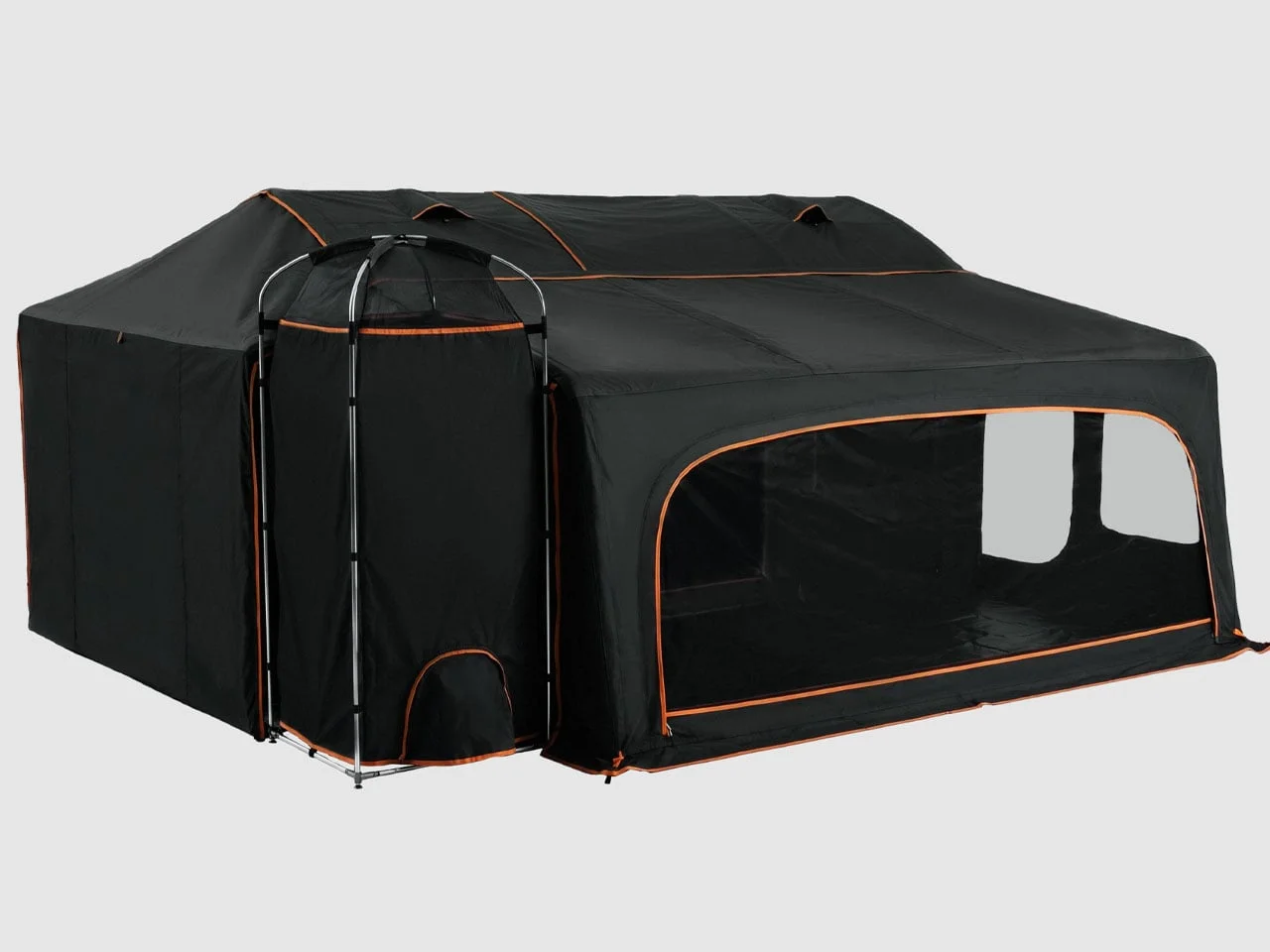
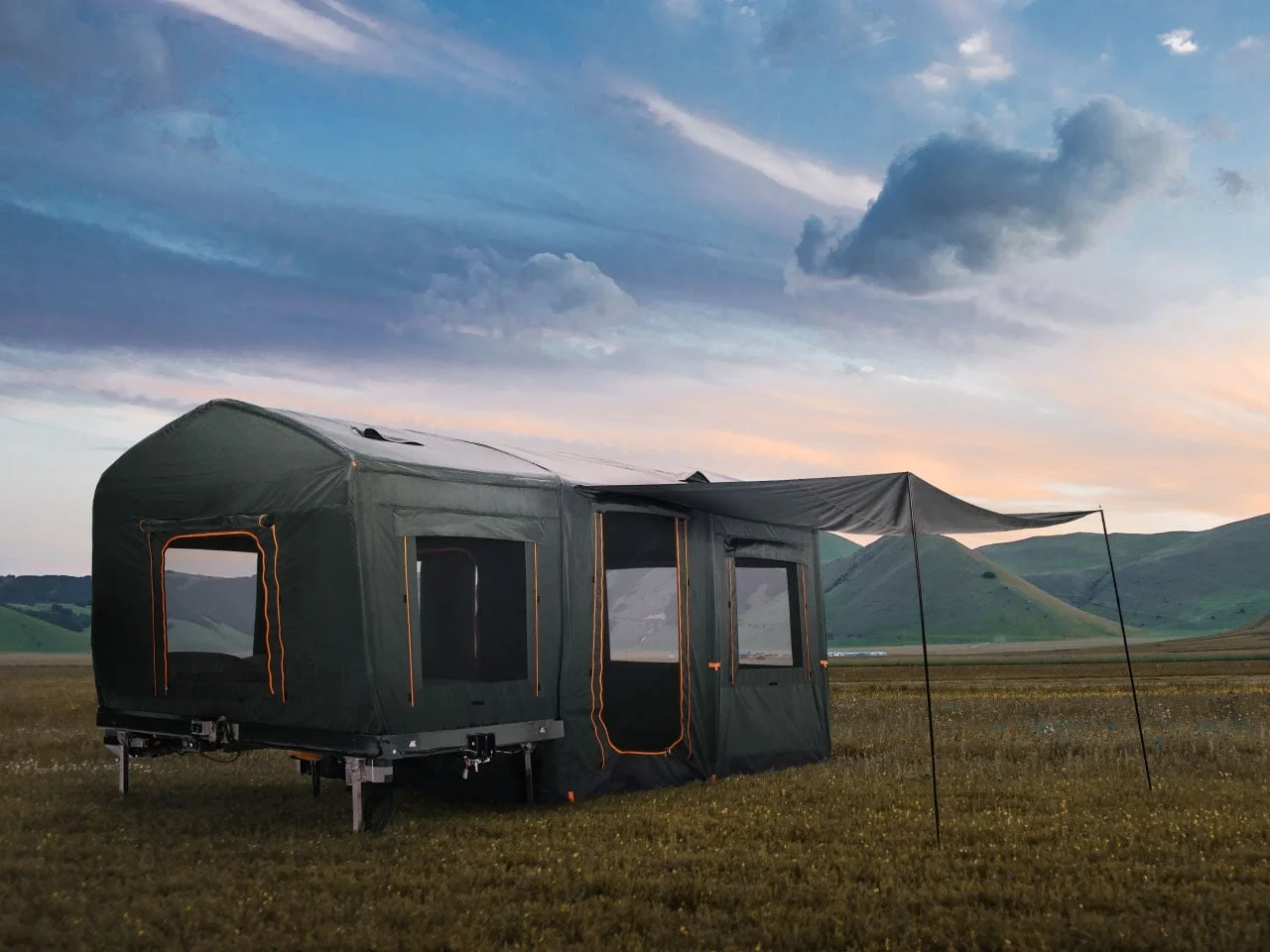
The listed materials include 300gsm Riptech polycotton canvas, a carbon-steel hitch, and stainless-steel or aluminum legs and brackets. Each unit includes a puncture repair kit. The combination of an inflatable shelter and a repair kit makes durability a practical question, especially for buyers planning frequent use or trips where replacement equipment may be inconvenient. The listed materials give a sense of how the product is built, but they don’t establish how it will hold up over time.
That package makes the MyGlamper concept closer to a compact camp room than a conventional tent, though the vehicle and hitch still need to suit the load. And this is the part most people overlook: the shelter’s advertised capacity and amenities can draw attention away from the less glamorous job of matching the unit to the vehicle. Detaching it at camp may change how the vehicle is used once parked, but it doesn’t remove the need to account for its weight during transport.
What the product’s scale means for buyers
MyGlamper is trying to sell a more self-contained kind of camping, with shelter, basic facilities and power grouped around a vehicle-mounted unit. That can appeal to people who value a quicker route from arrival to a usable camp, particularly when a larger group needs shared space. The tradeoff is a higher purchase price and a system whose weight, hitch fit and passenger capacity all influence how easily it fits into a trip.
Here's the thing: the 12-person figure is a capacity claim, not a complete picture of how the Pro will work for any particular group. A buyer still needs to think through who’s traveling, what the vehicle can carry and whether the kitchen, bathroom and battery answer real needs. The numbers here are underwhelming if read as a simple tent comparison; they become more understandable when judged as a bundled camp setup. Still, that bundle has to earn its place through regular use.
MyGlamper’s range points toward a category of camping gear that sits between a tent and a small mobile living space. The company has laid out a clear proposition, with three sizes and a long list of included features. What remains uncertain from the information provided is how those features perform in practice, and how much convenience buyers gain once transport and vehicle compatibility are factored in. A promising concept. The real measure will be whether the equipment makes camp life easier after the novelty of the feature list wears off.


Discussion
Sign in to join the discussion.